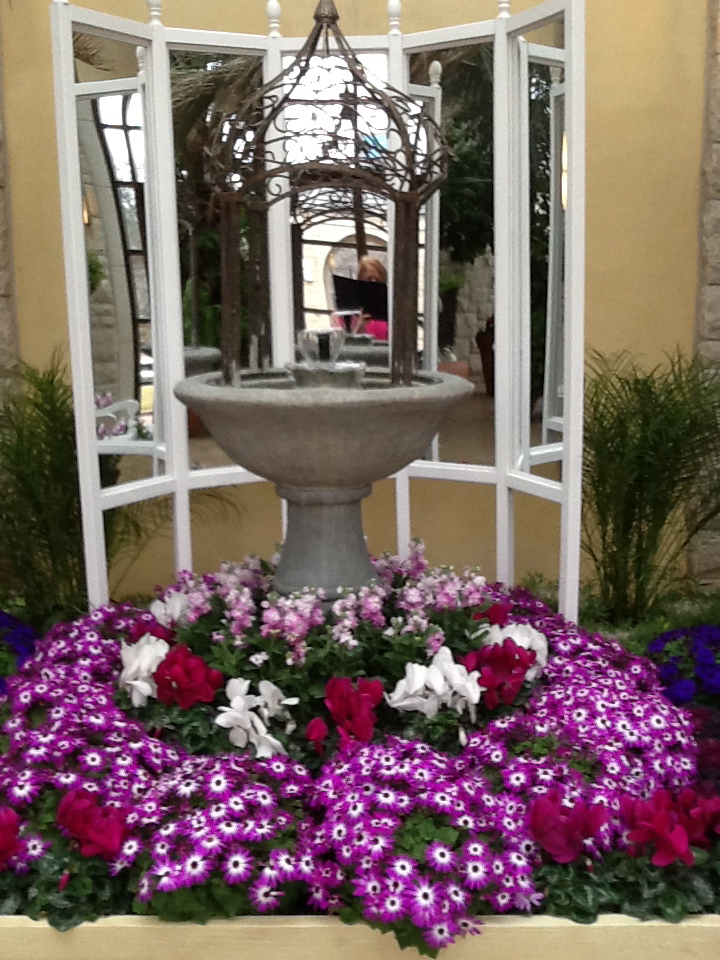
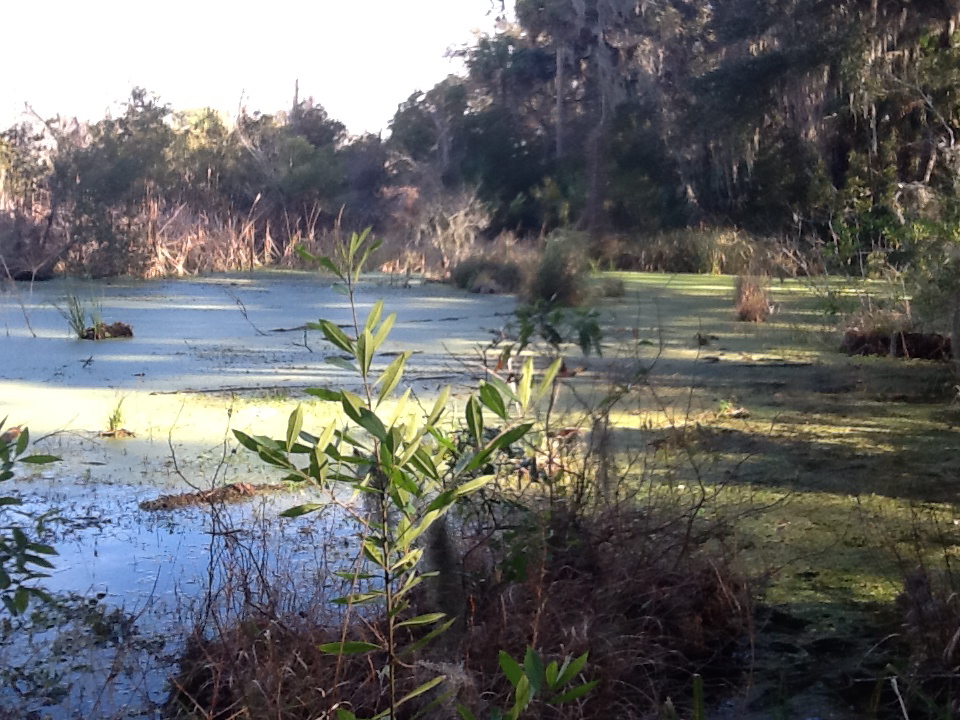
It is cold outside and really dreary. I could stay in Hilton Head until Spring or come home and head over to Kauffman Gardens. Even in the midst of winter, Kauffman is filled with beauty and color. Since it can truly be said that one picture is worth a 1000 words, we will let these pictures speak for themselves.
Tag Archives: Shifting the Balance
Malcolm Gladwell’s View Through his Own Looking Glass
If you haven’t read any of Malcolm Gladwell’s books, I suggest you start with Outliers The Story of Success. I have been a big fan of his ever since I read Blink and Tipping Point. But as much as I love those books, I really want to encourage those who have not yet encountered his work to start with
Outliers.
Gladwell’s unique world view is evidenced by his lengthy explanation of why a disproportionate
percentage of the very best professional hockey players are born in January through March and almost none are born in December. The reason, according to Gladwell is that when each grade of children is introduced to hockey, the oldest children in that grade level are more physically mature than the children born later in the calendar year. They become, from the beginning, the best players. They are encouraged in the sport. They receive extra coaching, extra practice time and extra playing time. The best within that group are elevated to the premiere hockey teams, where they play against stiffer competition, and are able to gain the skills essential to become competitive at the highest levels of the sport. Meanwhile, the youngest players, those born in November and December, lag behind because they are–well–younger and never given the opportunities or encouragement to excel.
Gladwell approaches the remainder of his book in similar fashion. He focuses on what it is that enhances the opportunities of “extremely successful people,” i.e., Bill Gates among others. He identifies the importance not only of the month of one’s birth, but the year. He explains why an individual born in 1954 and 1955 had significantly enhanced opportunities to excel in computers sciences. He talks about the importance of mentoring, of access to education, to employment opportunities and to the opportunity to practice, practice, practice.
While he does not discount the importance of intelligence and hard work, he focuses on the advantages individuals gain due to financial security, family connections and even summer academic opportunities. He also addresses the disadvantages and hardships that can stand in the way of success: limited access to education, the life long impact of being burdened with debt and poverty. He never, ever discounts the role of luck in the good fortunes of extremely successful people. He also never discounts that luck without hard work is not enough.
In a book that is considered to be at least somewhat autobiographical, he addresses the circumstances of his own success, starting with the story as to how his ancestors moved from slavery to opportunity.
While much of the book deals with the luck that will benefit few of his readers, the stories and the examples of individuals and groups who study hard, work hard and create their own opportunities are more than worth the read. While much of what he writes seems obvious after I read it, Outliers gives new insight into the impact of luck, class and even intergenerational family values and experiences.
It is one of my favorite books. I wish you “good reading.”
Walking in Hilton Head’s Maritime Forest
Hilton Head Island, S.C. is a barrier island protecting South Carolina’s coast from the ocean. It has
oak and pine forests, salty marshes and sandy beaches. It is rich with alligators, snakes, swamp lands and golf courses. It is amazingly beautiful.
I was fortunate to have meetings on Hilton Head Island, S.C. with some of my favorite people. We stayed at The Inn at Harbour Town, a wonder destination by almost any standard. But you can’t visit this island without spending some time either playing golf, biking or walking. I am a walker.
Sea Pines Development, where our inn is located,
is a planned eco-friendly development designed and developed by Charles and Joseph Fraser. Every land owner is required to sign low impact covenants agreeing to protect the land and the environment. It was further designed to protect sea views and limit the removal of trees. The original plan reserved one-fourth of the land for recreation including lands developed with picnic areas, wildlife areas, and biking and hiking trails.
I was fortunate to take a tour of the nature trail. Our guide, Rita Kerman, is a “Master Naturalist.” She generously shared with us her knowledge of, and passion for, this special area. She explained that we were walking in a maritime forest, distinguished because the trees and plants are compatible with the salty soil adjacent to the ocean. She showed us sweet gum
trees ringed with rows of small holes drilled into the bark by yellow-bellied sap sucker woodpeckers in search of the sweet sap. She explained that after the woodpeckers drill these holes, the sweet, sticky gum attracts and traps insects that then become food for other birds. She further explained that the sweet gum balls are a source of shikimic acid, an ingredient in a vaccine for avian flu. This has been described as saving the world one sweet gum ball at a time!
We learned about red bay ambrosia beetles that are destroying red bay and wax myrtle trees, and are now attacking avocado trees. The potential loss of trees seems comparable to the mass destruction of Dutch Elm trees in the Mid-West.
As we walked in the forest and immediately adjacent to ponds and man-made canals, we were reminded that alligators were
nearby in the murky waters, where they live and breed in close proximity to human populations.
Near the end of our journey we came across a sign posted on the trail with a lovely poem that ended with these words, “Spend an hour with the earth and her nature and I promise that you”ll surely see, the truest meaning of the season…the one Best Christmas present you could receive.”
A beautiful walk it was, indeed.
SOPA and what it means for online content

Meg has a J.D. in Urban, Land Use and Environmental Law. She focuses on maintaining the balance of community and environmental health, healthy lifestyles, and encouraging sustainable living.
There is a bill in Congress right now called Stop Online Piracy Act (SOPA). It aims to stop websites that facilitate copyright or intellectual property infringement by allowing the Department of Justice to seek court orders against those websites.
In response to the bill, Google and Wikipedia are on “blackout” today. If you go to Google.com, you will see the image blacked out. If you click on the blacked out image, you will be directed to a page that says, “End Piracy, Not Liberty.” Wikipedia’s homepage reads, “Imagine a world without free knowledge.”
The bill is not designed to put the user at risk of facing charges. Instead, it would target the websites, many of them overseas, that facilitate the downloading of illegal content. The “powers that be” in the internet industry are opposed to the bills because they say it would mean Congress would regulate what content was available to users, therefore limiting free speech. Proponents of the bill say it will end piracy and prevent content providers from losing billions of dollars in content purchases.
In an interview with a CNN correspondent in Silicon Valley, there was a discussion about whether or not this bill is the best way to accomplish the goal of ending piracy. One example was given of how people used to download music illegally through sites like Napster, then iTunes started selling music and all of a sudden people were buying music again. The suggestion was that Hollywood should innovate regarding the marketing and sale of content, as opposed to increasing web censorship through legislation. CNN also fully disclosed that its parent company, Time Warner Cable, is supporting the bill.
This is an interesting issue that seems to focus on who should be in charge of our access to the internet and web content. I am curious to see how discussions go in Congress and whether the bill passes.
Made in the USA: The importance of buying local

Meg has a J.D. in Urban, Land Use and Environmental Law. She focuses on maintaining the balance of community and environmental health, healthy lifestyles, and encouraging sustainable living.
How much of what you buy is actually made in the USA? My mother and I were discussing this very topic the other day. We both make it a point to buy U.S. made products whenever possible. Obviously, it’s difficult to make sure everything we buy is made here, but if you’re patient, you can find many U.S. made options for almost any product.
“Made in USA” used to be a considered a stamp of quality. You knew that if you bought something made here in the States, it was going to be top quality and last forever. While that may still be the case, unfortunately, people just don’t think about where products are made anymore. As a result, it becomes more and more difficult for corporations to justify the “higher cost of labor” to have products made here and not somewhere else. So where do they go? Where does almost every “Made in…” stamp say? China.
I don’t have anything against China. From what I know, and I only know from what others have told me based on their experiences, China is filled with smart, kind people who care about the world and how to keep things in balance. These are definitely concepts I find valuable. My only problem with China, quite frankly, is that everyone here complains about how frustrated they are that we are dependent on China to keep our economy running. I have no idea how to approach that frustration, but I do know that we can all start by buying local.
There are a lot of products still made in the USA, you just have to make an effort to look for them. It may mean you have to be patient at times, but if we all make an effort to avoid buying products made somewhere else, then we can do our part to support our own economy and our own workers. Personally, I have been looking for a desk to use at home for several months now. Part of the wait was because I didn’t find anything I liked, but also because I wanted to desk I bought to be made here. Sure enough, when Jake and I went to the hardware store this week, there it was. A nice, simple desk made by Sauder Woodworking Company, manufactured in Ohio. It wasn’t even expensive, which is usually a concern people have about buying local. It was perfect.
So with that in mind, I challenge you to buy local. Whether you are looking for clothing, appliances, vegetables; with almost every product, you can find something “Made in USA.” Some products may be more expensive, but not all of them are. Some of them are still considered top quality, like St. John Knits, Levi Jeans, Maytag, KitchenAid, Lenox fine china, Simon Pearce glassware. One of my personal favorites, Harley Davidson, has a major manufacturing center in Kansas City. Ford still makes their vehicles in Detroit. If you just take the time to look at the label before you buy, you really can do your part to support the U.S. economy.
Hiking Bodega Head

Meg has a J.D. in Urban, Land Use and Environmental Law. She focuses on maintaining the balance of community and environmental health, healthy lifestyles, and encouraging sustainable living.
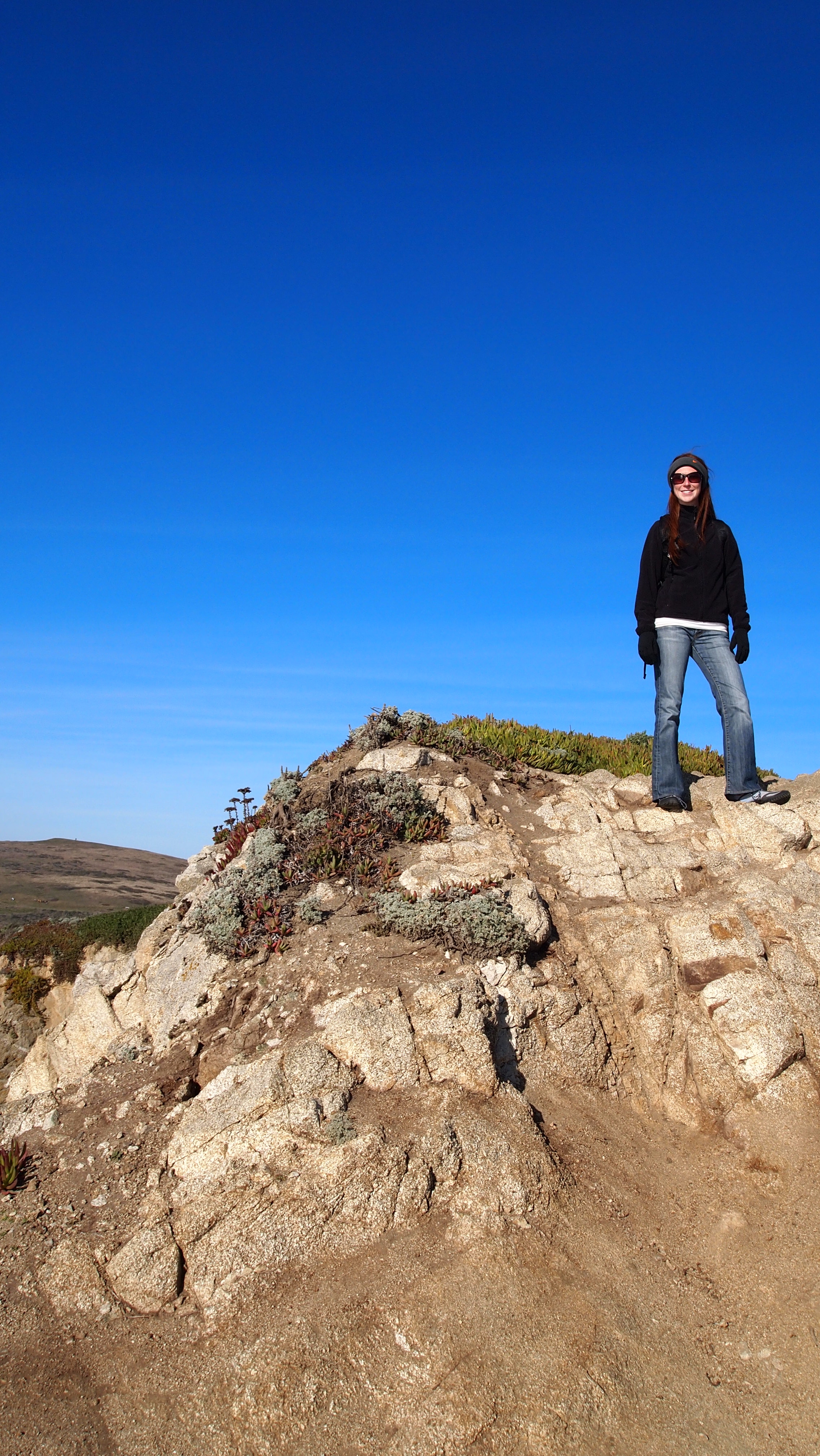
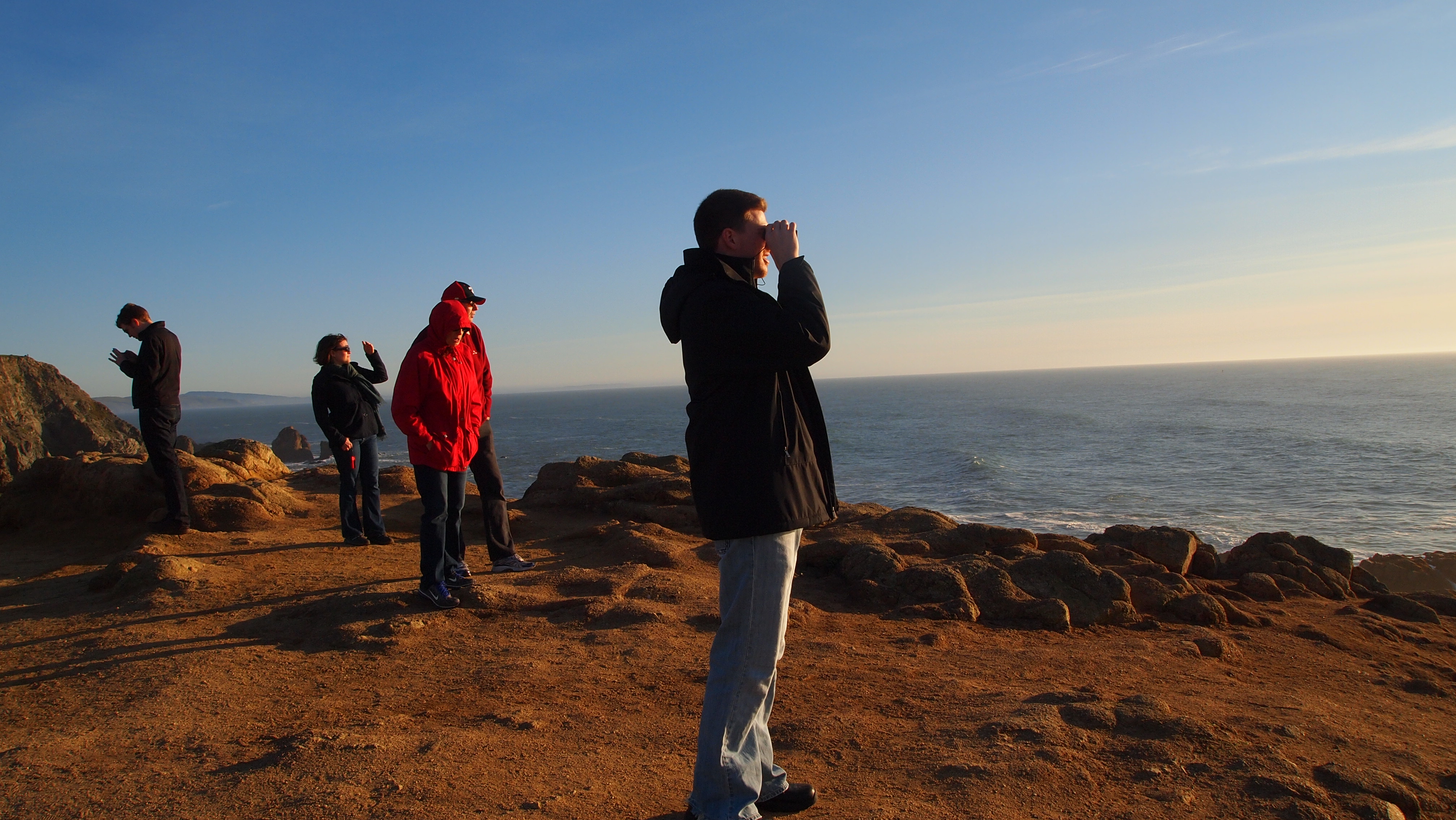
The exploring continues! Yesterday, my husband and I drove out to Bodega Head, a peninsula that juts out into the Pacific Ocean about 30 minutes
west of Petaluma. The headlands are a beautiful place to hike around for the afternoon, and even do some whale watching. The hike around the outside loop of Bodega Head is about 2 miles, with an additional mile hike to the north. Of course, if you want to do some serious hiking, you can just keep going along the Sonoma Coast!
Our hike yesterday was lovely. The weather was perfect. 60s and sunny. There was a bit of wind for part of the hike, but overall it was quite nice.
Our first stop was the whale watching point, where local “whale watch” volunteers were waiting to answer any questions and help with whale
spotting. We saw a few spouts of water blowing up out of the surface, but did not see any tails. Still, it was an exciting experience.
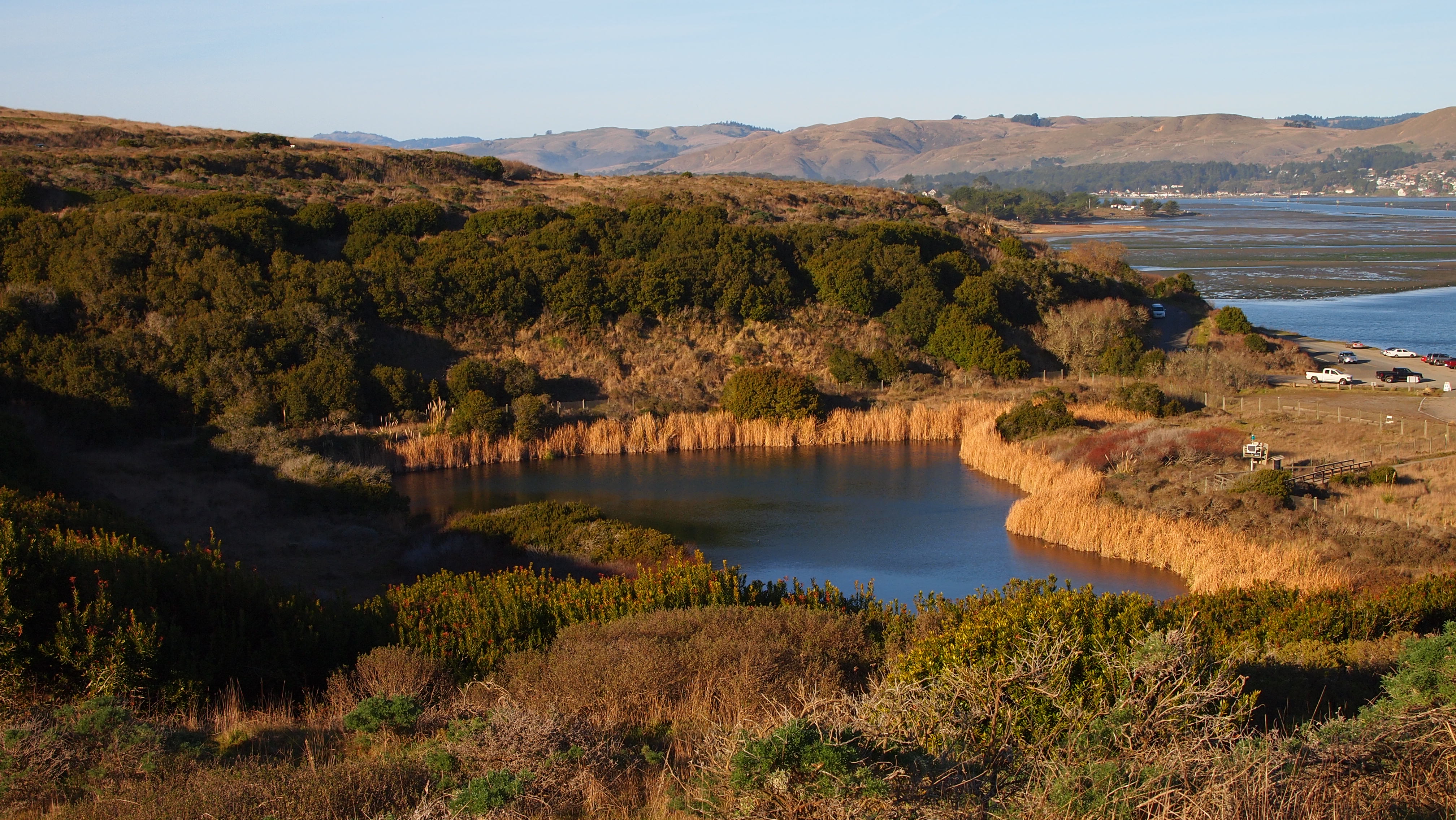
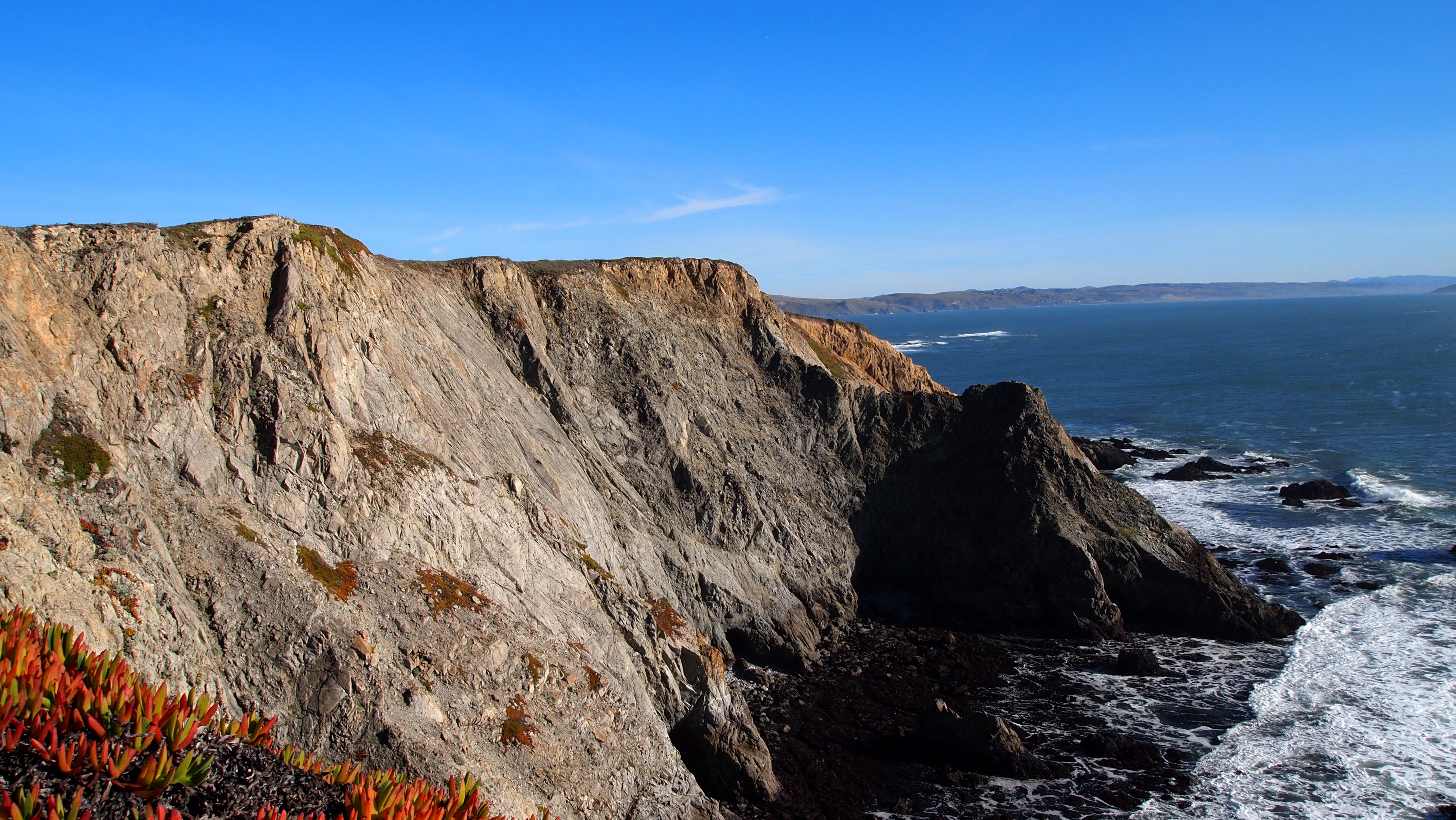
As we continued around Bodega Head, we saw beautiful cliffs, listened to seals and birds in the distance, and saw the “Hole in the Head” dug by PG&E in the 1960s. They had planned to build a nuclear plant on Bodega Head, so they dug a huge hole that would eventually house a nuclear reactor. However, the location of the hole is essentially right on top of the San Andreas fault line, so continuing the project would have been a horrible idea. The hole eventually filled up with rainwater and now serves as a freshwater pond
for local wildlife.
Almost at the end of our hike, we had wandered off the beaten path and onto a sparsely used trail. We were still close to the road and the main trail, with the ocean in the background, and what did we see? A family of deer! We must have seen each other at the exact same moment, because right as I jumped up and said “Oh!” (to which
Jake immediately thought I had seen something scary, like a snake!), all four deer turned their heads toward us with their ears straight up in the air. All six of us stood perfectly still for at least 30 seconds before any of us moved. As if I thought it would help, I started talking to the deer like I talk to my kids (our greyhounds) when I want them to be calm. Somehow, it worked, and though they wouldn’t let us get close, they did not run away. Eventually, we moved around them, even further off the barely there trail, and they continued grazing nearby. It was beautiful.
Bodega Head is definitely worth visiting. We only hiked about 3 miles, but it you can easily make it longer or shorter depending on where you want to go. Who knows where we’ll venture off to next time!
Hiking Muir Woods

Meg has a J.D. in Urban, Land Use and Environmental Law. She focuses on maintaining the balance of community and environmental health, healthy lifestyles, and encouraging sustainable living.
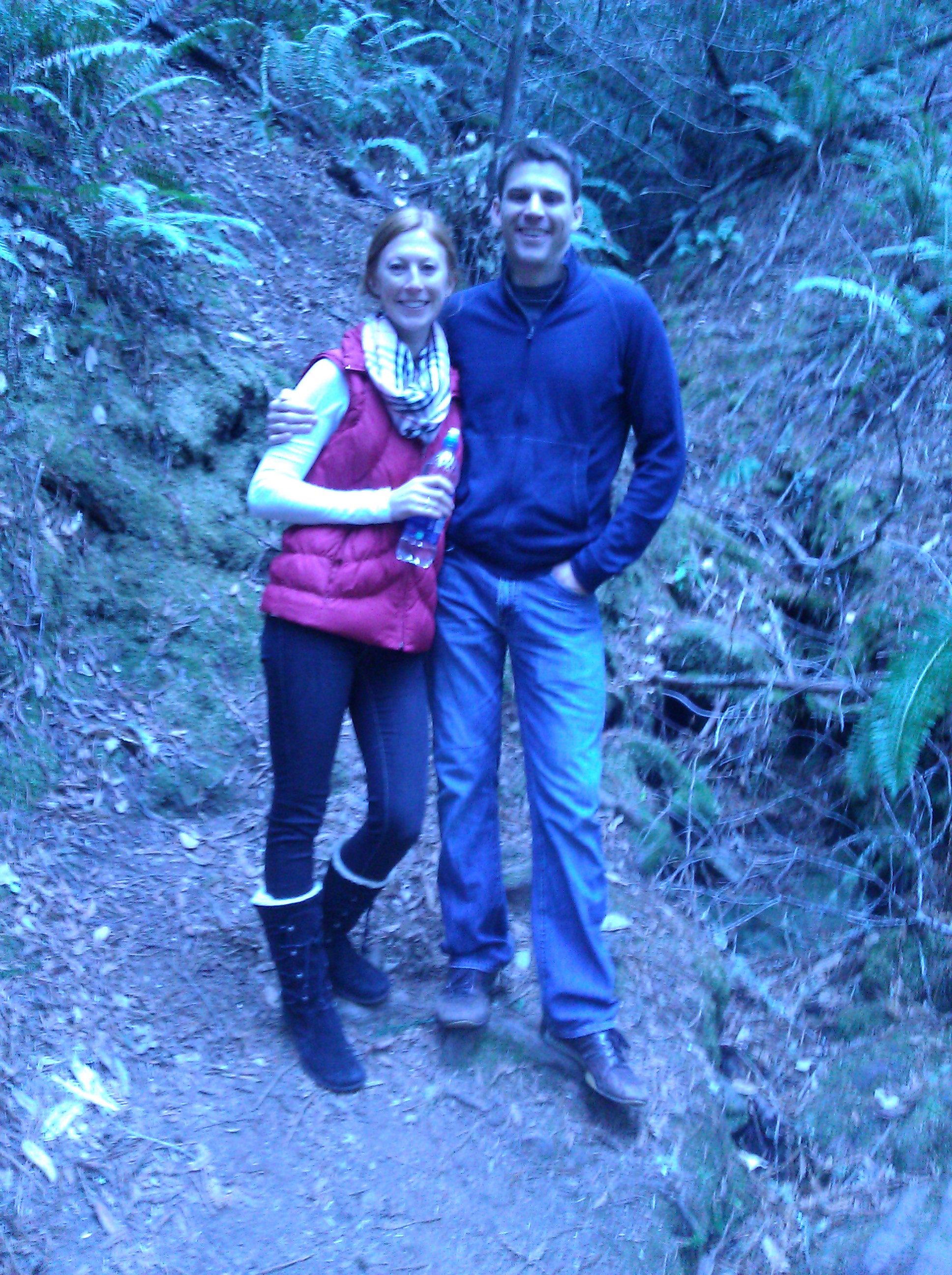
To kick off the new year, I suggested to everyone visiting CA for the holiday weekend that we get out and do something outdoors. I thought a hike
through Muir Woods would be the perfect way to get some exercise and do some family bonding. We packed up two carloads of people and drove the windy road through Mill Valley to get to the ocean side of the hills, and in we went to the redwood forest. I do have to give a shout out to Jake and Tio for generously dropping the rest of us at the park entrance. They apparently had to park a mile away, hoof it back and forth for the rest of us, and they didn’t complain once…at least not to “management” (aka, me and Auntie). Thank you gentlemen!
So, for those of you who have never been to Muir Woods, it will be difficult to explain how magical and humbling this forest is. Even with all the other visitors walking through and taking pictures, you almost feel as if you’re stuck in a different time,
perhaps even walking through a real life “Lord of the Rings” forest. The forest is filled with redwood trees, which according to the brochure, can grow up to over 300 feet tall. How amazing! The land was donated by the Kent family in the early 1900s as an effort to protect the forest from the booming logging industry. President Roosevelt declared it a national monument in 1908.
Muir Woods was very busy on Sunday, with nearly 50,000 visitors according to the park rangers. Nearby attractions were also very crowded, likely due to the beautiful weather we had in the bay area on New Year’s Day. Even the Alcatraz tours were sold out! Of course, that will be something we do when our little brother comes out to visit us in a few months. Oh, the things to see in California!
When I walk through these amazing places, I am reminded that humans are a fairly new species in the history of the world. Redwood trees, for example, live to be hundreds or even several thousand years old. It is a humbling experience to walk among them, and to realize how close we came to wiping them out in the logging of the early 1900s. It is a reminder that people need to be careful of the resources they abuse and to be cautious of our growing impact on the balance of nature.
The hike was indeed a wonderful way to begin the new year.
A year and a bit
A YEAR AND A BIT
It has been an eventful year with both joys and challenges as our lives change and grow. First, Meg and Jake were married on a beautiful May evening, at a lovely vineyard in Sonoma California.
Meg’s last semester of school was packed. She completed her research project for Brush Creek Community Partners, interned for Mid America Regional Council and served as co-director of the IRS Tax Clinic that assists low-income individuals prepare and file their federal and state income tax returns. She was also President of the environmental Law Society. Meg graduated from UMKC Law School in May. I got to “hood” Meg. That was really special for me.
Jake travelled back and forth between Kansas City and Northern California from March until July 1, when he relocated to a mid-sized town in Sonoma County, just an hour from San Francisco. Meg stayed behind to take a Bar prep. course and the Bar. In August she was sworn in as a member of the Missouri Bar and the Bar of the Western District of Missouri. Jake, Meg, and their two dogs, Lily and Cousteau, are now happily at home in California. Terry and I, and our dog, Casey, remain in Missouri.
Meg and I developed the blog as a way to stay connected by writing about matters of interest to both of us. We both like “shifting the balance” because we find that our family discussions often focus on balance in national and personal financial priorities, balance in maintaining health life styles, balance in our use of time, balance in terms of learning from and respecting the views of people across the national spectrum. We believe balance is an important part of individual lives, family lives and the lives of communities. Shifting the balance is necessitated by the constant change that is part of our lives–we grow, we change jobs, move across the country. We deal with almost constant changes in technology, individually and collectively we shift our lives to accommodate recessions, seasons, life stages. Change is constant, balance requires constant accommodation to that change.
Welcome to our blog.
Shifting the Balance

Meg has a J.D. in Urban, Land Use and Environmental Law. She focuses on maintaining the balance of community and environmental health, healthy lifestyles, and encouraging sustainable living.
My mother and I have decided to start a blog. For as long as I can remember, we have talked about everything going on in the world. Naturally, our conversations trend toward identifying problems and then brainstorming possible solutions. Overall, our primary objective has always been to visualize the world in balance.
Now, the tricky thing about balance is that you constantly have to readjust for change. That seems to be one thing people forget. Things are always changing. Ideas. Technology. The DOW. Politicians. People also change in the process. We grow up. We go to school. We start taking the ideas and theories talked about growing up and we learn how to implement ideas into action. First, we have to find the balance in the world, and then we have to figure out how to maintain it.
So here’s where we usually wind up. Our conversations tend to circle around the same things, the environment, politics, community, the economy. We also talk a lot about our dogs, affectionately referred to as “the kids.” Our family (dogs included), our community, healthy foods, excercise…these are all important components to maintaining a healthy and balanced self. The same things are important to a healthy and balanced community. Here, we will continue to brainstorm our ideas for how to maintain, or rather, how to shift back to the balance.