We hear so much about hydro fracking, commonly known as “fracking”. It is the process of fracturing layers of rock using pressurized water to release natural gas and petroleum products from deep in the ground. It requires an available supply of water and it seems to be significantly adding to our available reserves of natural gas. BP (yes, that BP) describes fracking this way. [1]

Even though I don’t know anything about the science of fracking, I have seen it up close and personal. First come the trucks. They are all shapes and sizes. They are almost universally big, loud, and heavy. They damage the roads and churn dust over farmland and trees. This truck is used to drill the wells, but other trucks deliver pipe and all the other equipment involved in the drilling process.

Water is piped in from the nearest substantial lake or river. In a drought like this, the tremendous rate at which this water is consumed impacts the availability and cleanliness of water available for humans, livestock and crops. Environmental concerns include water contamination, oil and gas spills, disposal of waste water and other waste products. J. Daniel Arthur [2] estimates the average well consumes 3 to 5 million gallons of water over its lifetime. It may be too soon to truly assess the potential environmental impact on our air, the water and the land.

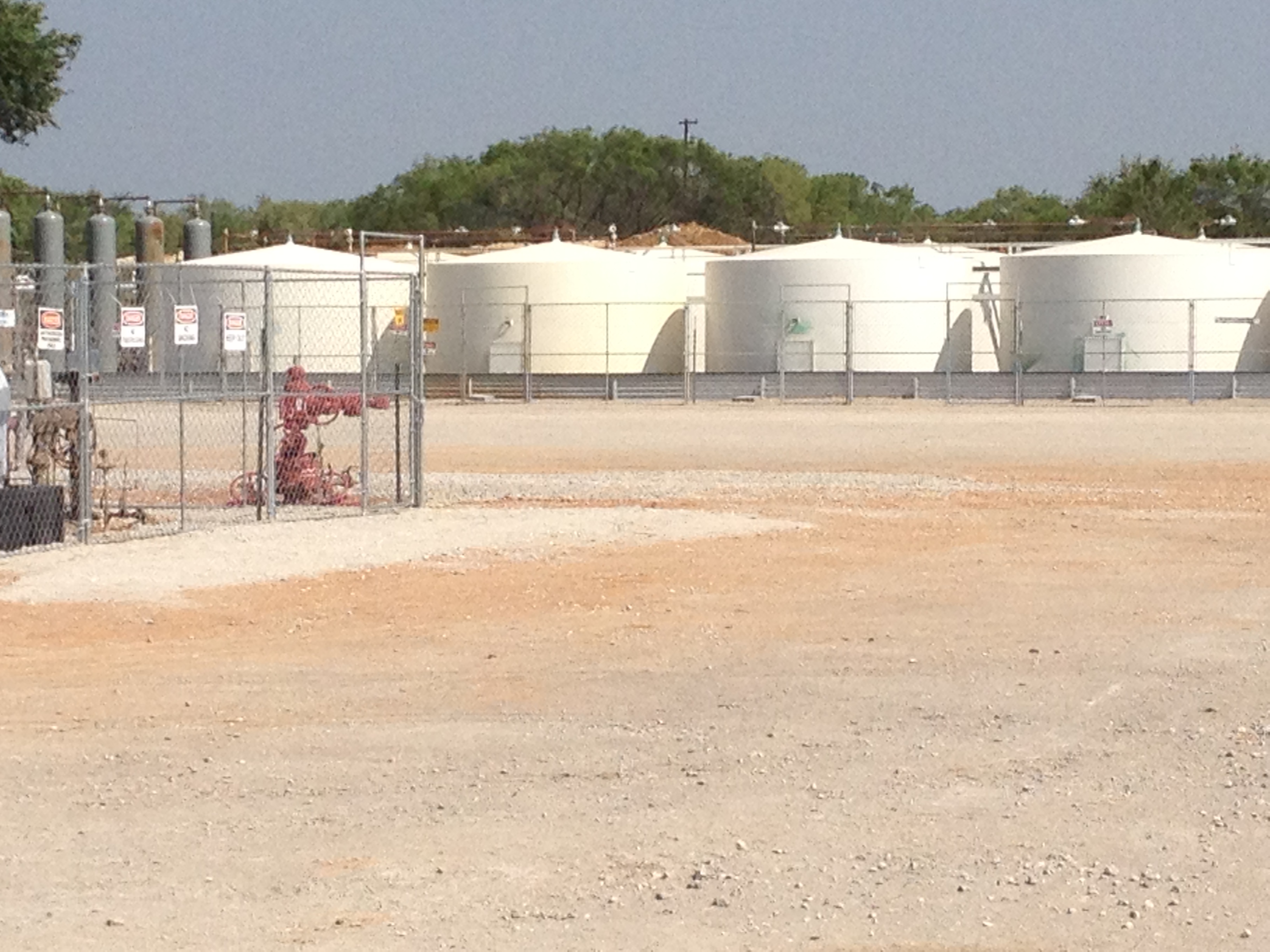
Huge storage tanks are placed on the land, surrounded by chain-link fences. They are an eyesore at best. Perhaps because silos are so common in agricultural areas, this seems to be the least problematic aspect of these fields.

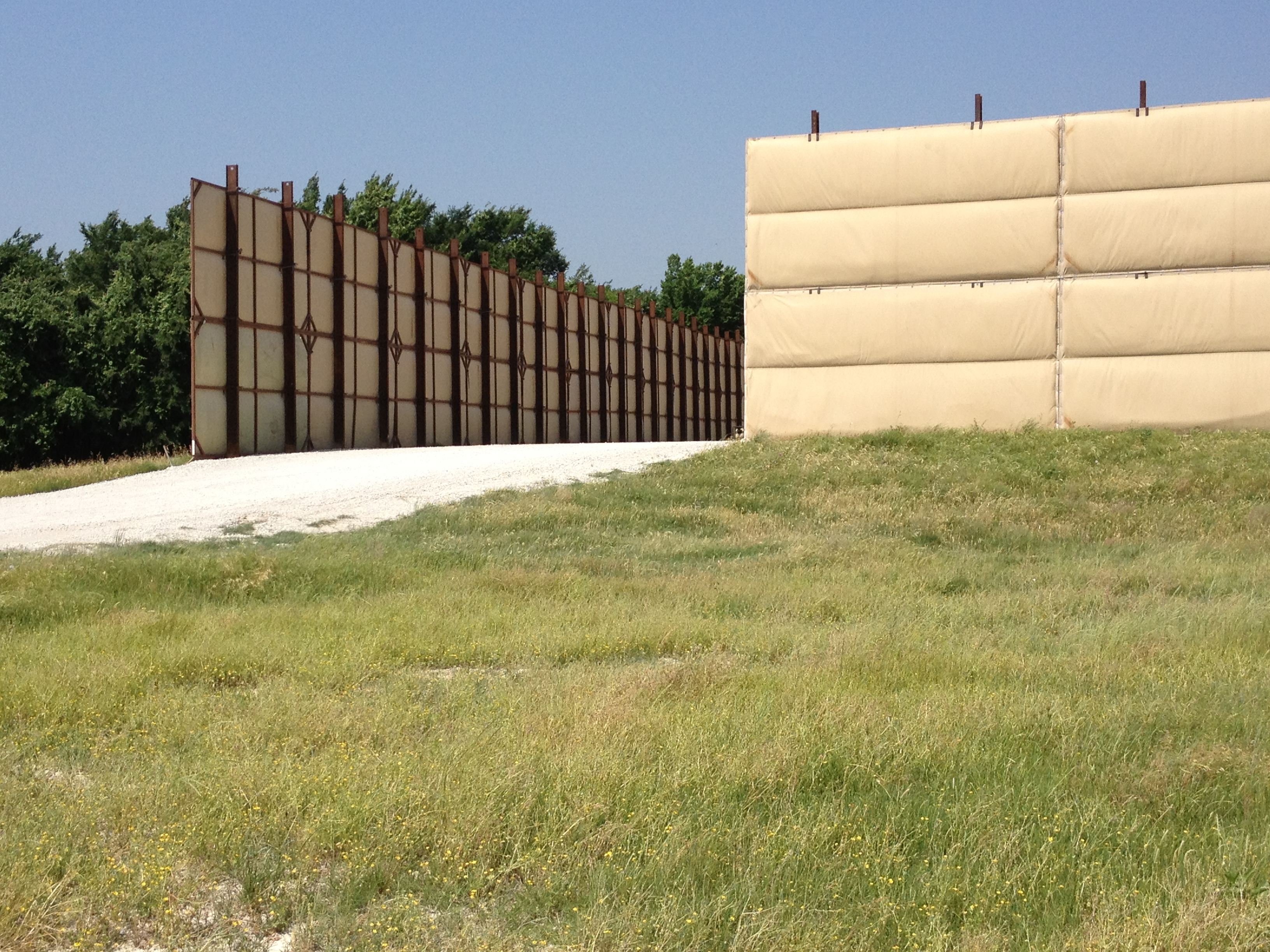
The sounds associated with the drilling process are muted by the baffles that surround the operations. These baffles are eventually removed. In the meantime, they create a visual barrier to the activities going on inside.

The machinery used in the fracking process is totally beyond my beginning science background. This equipment reminded me of a grownup science project. Presumably it is removed when the well is depleted. 

Hidden from view after they are installed, these large pipes carry natural gas to market. Buried in the earth, they will be out of sight, but they won’t be out of mind. Nothing can be built over the land where they are buried.

Whatever the economic benefit to the landowners, the impact of fracturing shale for the purposes of extracting natural gas and other petroleum products, makes us long for the days when energy came from simpler devices.

[1] explxplow.com; bp.com
[2] An overview of modern shale gas development in the United States, 2008.
___________________________________________________
As always, the opinions expressed in this blog do not represent the opinions of our friends, our families or our employers.

 It was a lovely afternoon, hopefully something we’ll get to do again in the very near future. Thank you to Auntie and Tio for extending my fabulous birthday celebration with this amazing outing! – MB:)





 Shifting the Balance