Kansas City Remembers: The World War I Museum

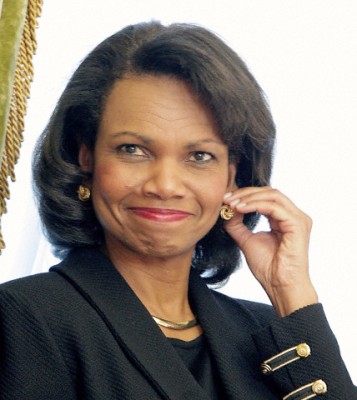
Memorial Day weekend is a fitting time to remember the sacrifices of our nation’s military forces.  There are few places that symbolize this sacrifice as powerfully as the National World War I Museum, located here in Kansas City. It includes over 55,000 artifacts from the war years, a time line of events during the war years, photographs, armaments, and far more treasures than a visitor can absorb in one visit.  Even the setting is a powerful visual experiences, sitting as it does with one of the most beautiful views of downtown Kansas City.  

No visitor can reach the museum without first confronting the Liberty Memorial Tower, which sits immediately above the museum, and which is dedicated to the the “Honor of those who served in the World War in Defense of Liberty and our country”.

On either side of the tower are two giant sphinxes with wing like coverings concealing their faces, as though they are, themselves, traumatized by the reality of war.  Two concrete buildings sit behind the sphinxes, themselves housing exhibits for the museum.
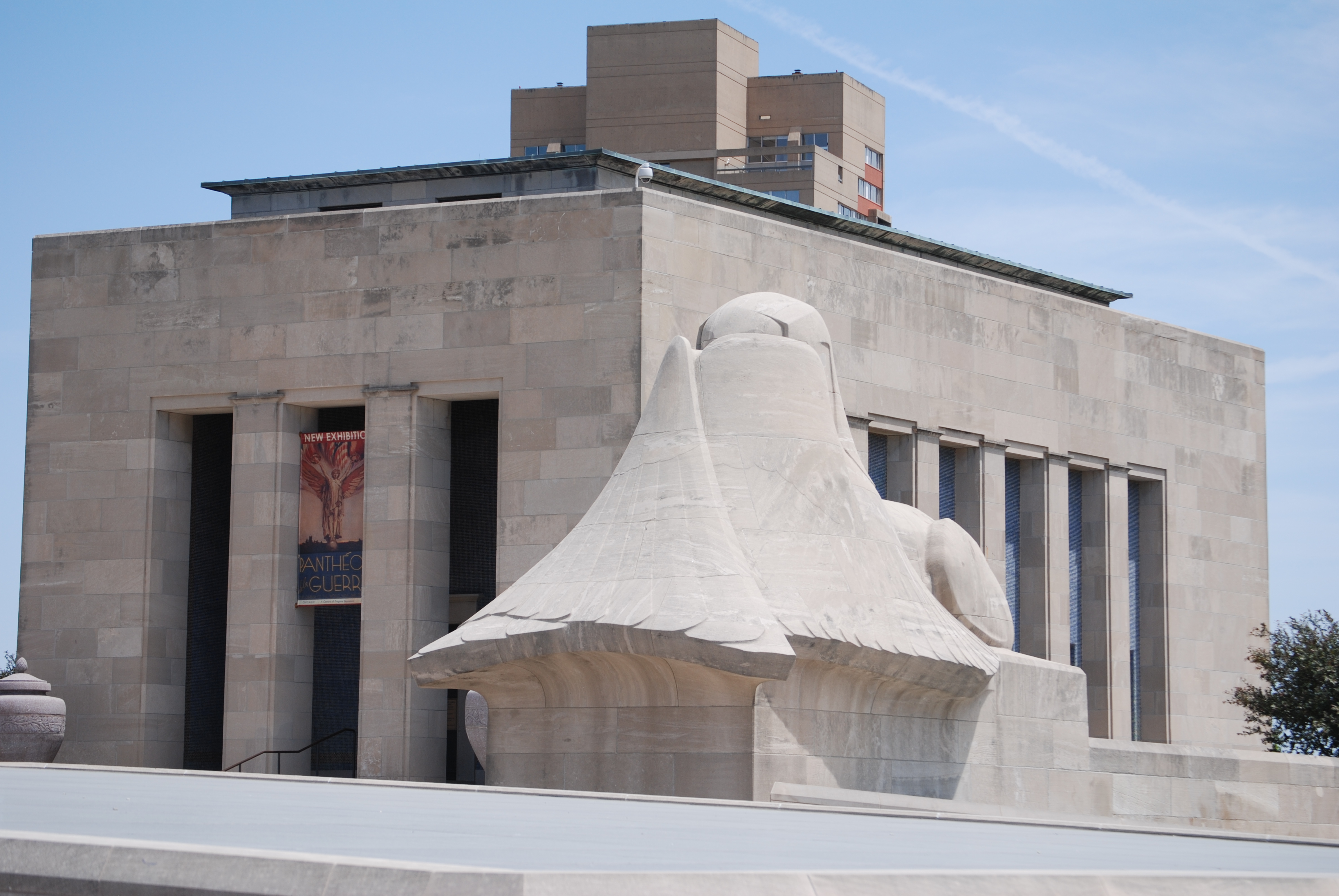
The banners on the doors that mark the entry to the museum are unassuming.  Once inside, visitors face a vast, but well-organized exhibit.  The various rooms, includes a timeline of the war years, uniforms, posters, banners, video histories and other documentation of the war years.

Knowledgeable volunteers are available throughout the building, eager to share their knowledge of the war and of the museum contents.
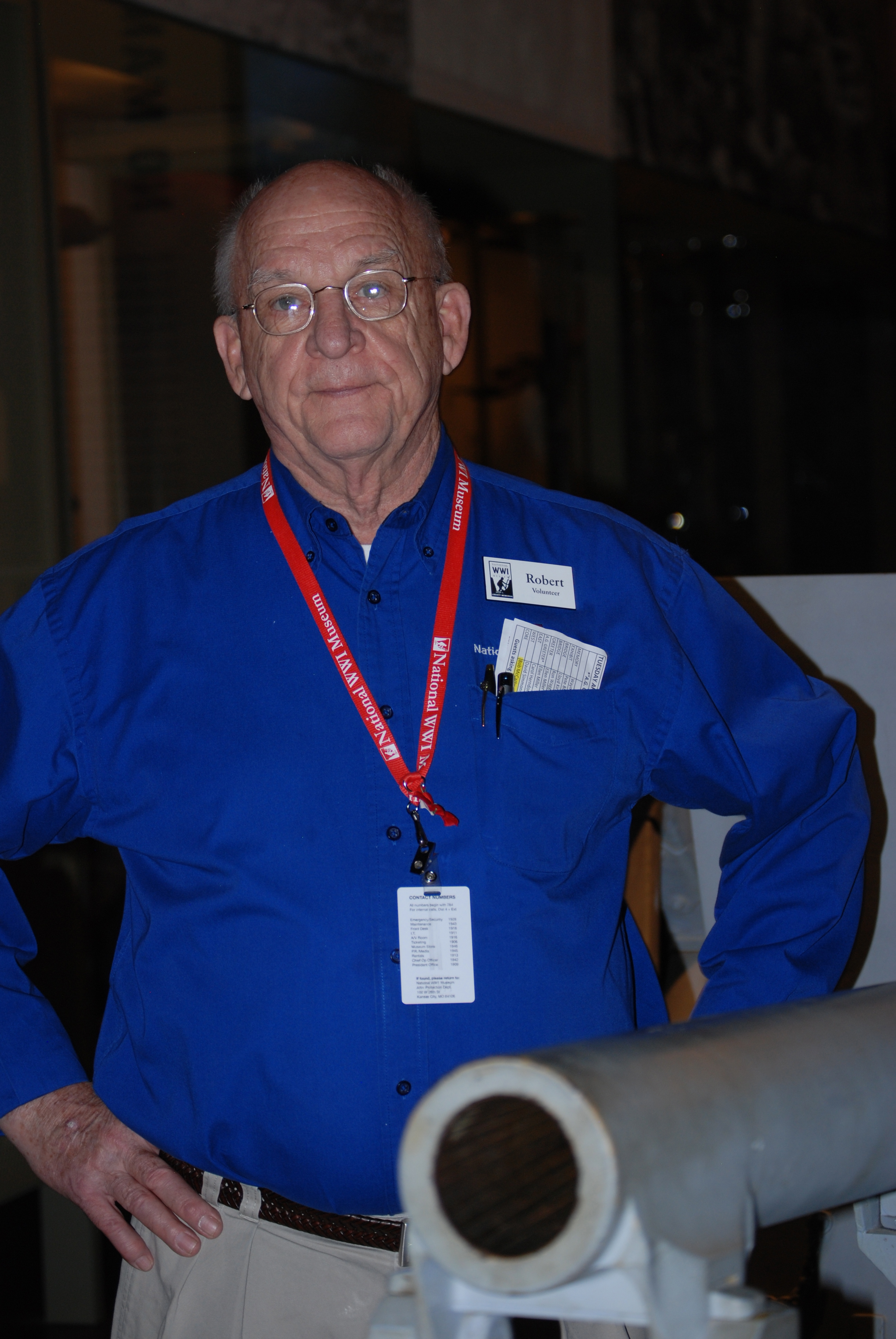
The munitions they describe are primitive by today’s standards, but were sufficient to cause, in combination with factors such as disease and starvation, horrible destruction to the military forces, civilian populations and the landscape of Europe.  The combined death toll of the military forces exceed 8,528,800.  While World War I was often called the “Great War”, or the war to end all wars, it was neither.  The destruction it caused contributed to events culminating in World War II and influence world affairs even today.

While statistics cannot adequately convey the depth of human misery, they are telling.  The casualty rates for the mobilized forces of the major powers are (approximately) as follows:

Country         Total Forces              Killed  Wounded/Prisoners/Missing        Total Casualties    Percent Casualties

Russia                        12,000,000                   1,700,000            7,450,000         9,150,000              76.3  

Germany                    11,000,000                   1,774,000             6,400,000         7,142,600              64.9  

British Empire           8,904,500                       908,370             2,280,000          3,190,250              35.8    

France                         8,410,000                     1,357,800            4,800,000         6,160,800              73.3  

Austria-Hungary      7,800,000                    1,200,000            5,820,000         7,020,000             90.0      

Italy                              5,615,000                        650,000             1,550,000          2,197,000              39.1  

United States             4,355,000                         116,516                  208,000             323,000                7.1

Because the museum is focused on the war itself, the reality of death surrounds us.  The ancient weapons of various sizes and shapes are on display.  

A restored 1918 Ford Model T ambulance is almost humorous in its quaintness.

But there is also significant information about the culture of the era as evidenced by murals, photographs, clothing and everyday mementos of the times.

There are life-sized murals which can only be described as glorifying, if not war, than the strength and power of those who are successful in war.
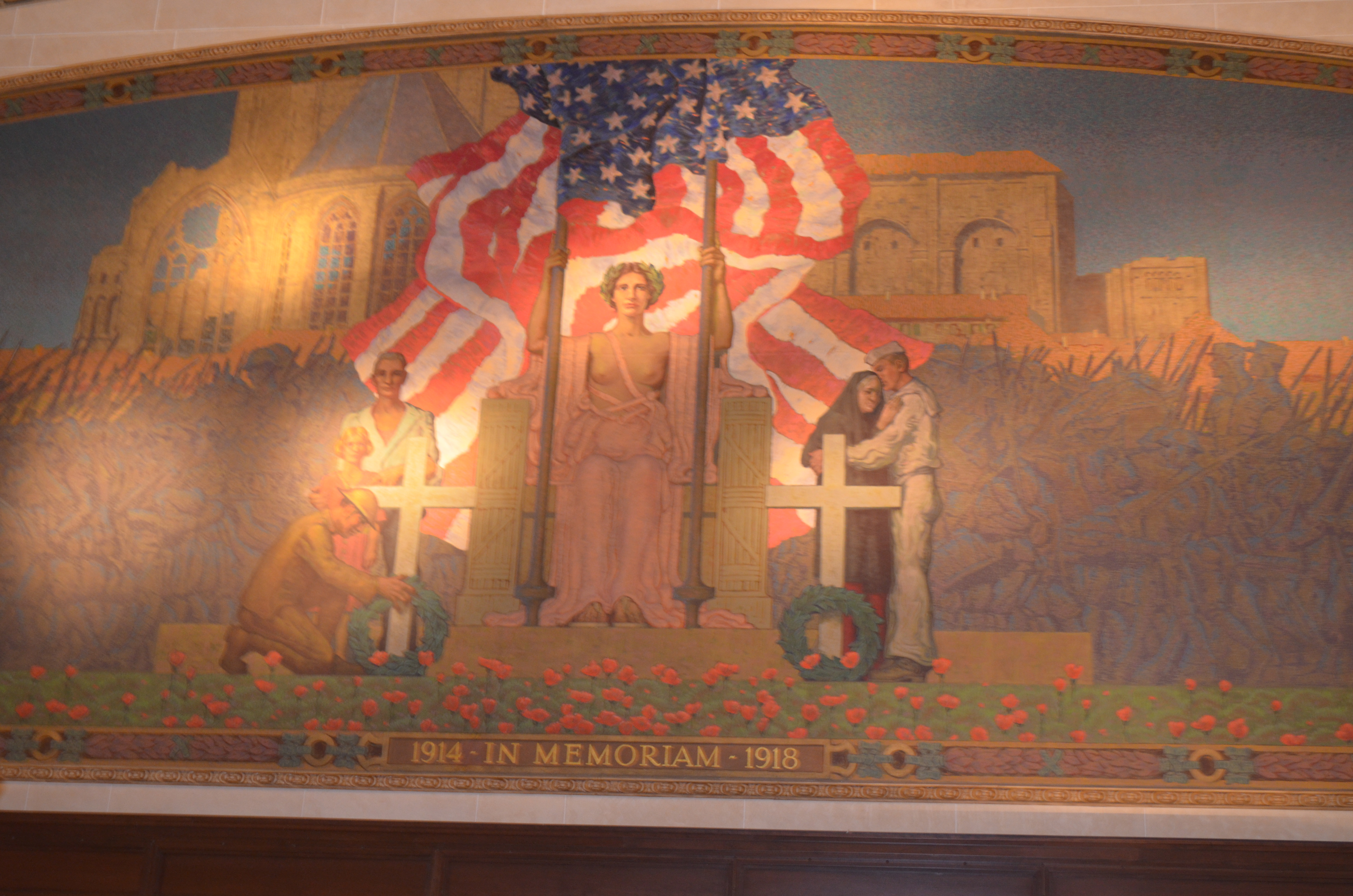
It is easier for the eye to turn to the powerful and positive symbols of hope and accomplishment.  But nothing, in a place dedicated to war, can escape the reality of death.  It is everywhere. In the midst of the exhibits are reminders of the humanness of the suffering.  An example of the power of those posters is one quoting the leader of German mutineers, sentenced to death for his role in the mutiny of members of the German fleet, struggling to end the war:  “I have been sentenced to death today.  Only myself and another comrade; the  others have been let off with fifteen years’ imprisonment.  You have heard why this is happening to me.  I am a sacrifice for the longing for peace; others are going to follow”.

When the United States entered the war in 1917, it mobilized forces for war on the ground, on the seas and in the air.  It was a welcome relief to its allies and helped tip the scales for the war’s outcome.  Because it entered the war more than two years after the war commenced, our casualties were comparatively small.  But each casualty, our own, and those of our enemies, is real.

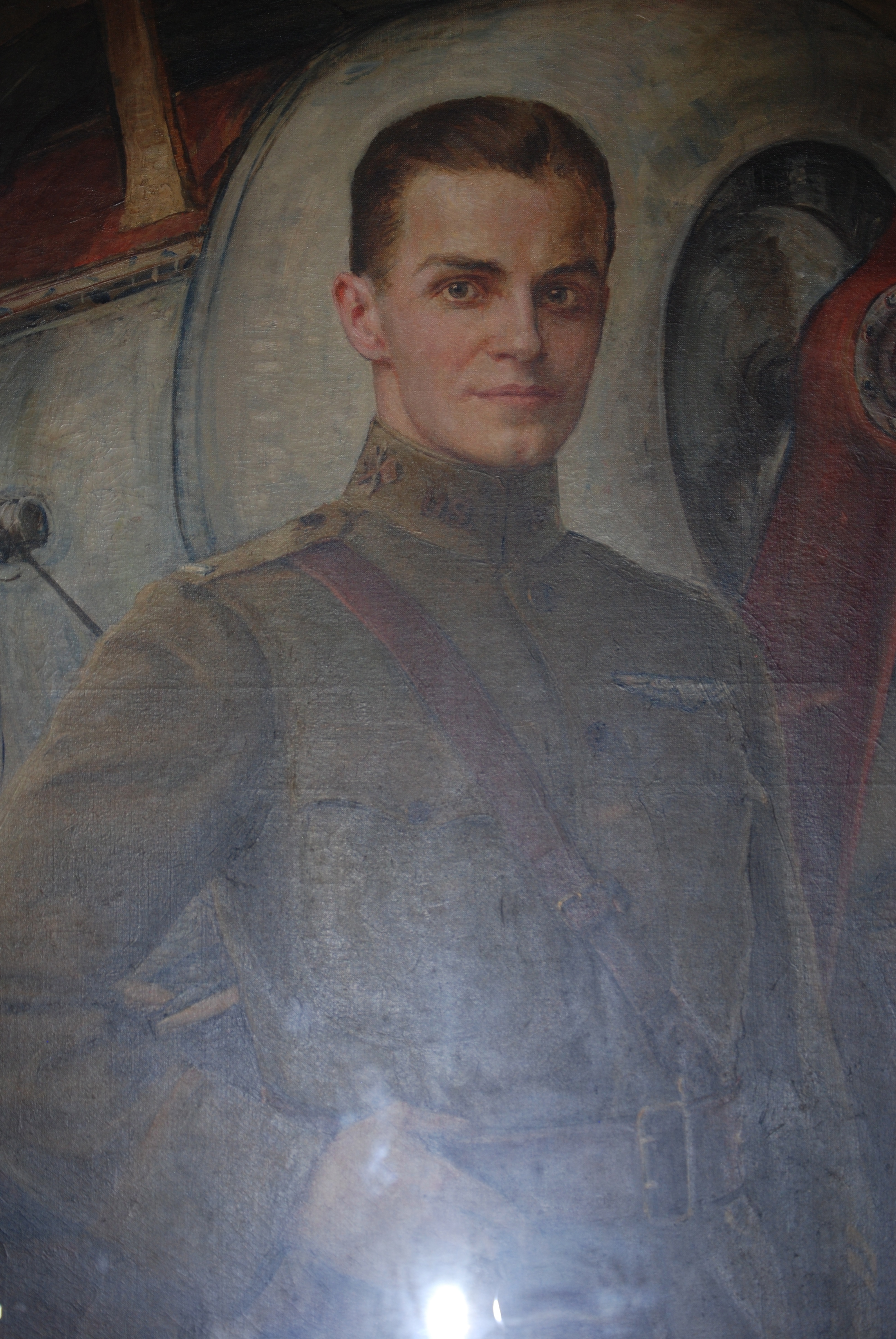
Throughout the museum are portraits, sketches and photographs of those who fought and those who died.  Each had his or her own personal and tragic story.  Each had a family who mourned the lost of their loved one. This portrait is of Lieutenant John F. Richards II, 1st Aero Squadron, killed in action September 26, 1918 over Argonne Forest, (France) part of the final Allied offensive in World War I.  I will not easily forget his face.
The World War I Museum is a place memorializing one of many tragic wars.  It is a place of sadness.  It is also a place of remembrance.  I would like to believe it is a place of hop.  I am not so sure.  But each of us benefits by being reminded of the devastation that is the inevitable result of human conflict.

When to go to war, whether to go to war and why to go to war are issues that have no easy solutions and I will offer none.  But it is important to be reminded of the tragedy of war and of the sacrifices made by our men and women of the military who make great personal and family sacrifices to protect their nation in times of peace and times of war.  We should never forget them.


The Peace Journalist, a Publication of Park University

In April 2012, Park University’s Center for Global Peace Journalism published Volume 1, No. 1 of its new journal, The Peace Journalist.  Dedicated to “disseminating news and information for and about teachers, students, and practitioners of peace and conflict sensitive journalism”.  Wow.  I opened the pages of the new journal and was immediately fascinated.

Page 3 quotes Mahatma Gandhi, the famous Indian humanitarian who used non-violent protest to oppose British colonial rule before and during World War II and who worked for harmony between India’s Muslim and Hindu populations.  His perspective on journalists is that:  The true function of journalism is to educate the public mind, not to stock the public mind with wanted and unwanted impressions.  A journalist has therefore to use his discretion as to what to report and when.  As it is, journalists are not content to stick to facts alone.  Journalism has become the art of intelligent anticipation of events.

As I reflected on Gandhi’s sentiments and wandered through the pages of this journal, I became aware that my view of journalism seems pretty simplistic.  I have asked only that journalists state the facts and let me decide how to feel about the facts presented to me. I still believe that.  But the focus of the articles in this first volume is far more sophisticated in analyzing the role of what are described as “peace journalists”.

For instance, an article by Dr. Ghassan Rubeiz, an Arab American commentator, focuses on ways in which the media can promote  religious tolerance.  She encourage the publication of what she calls “good news” stories, stories about how a Jewish boy saves an elderly Muslim woman or how a Muslim saves the life of a Jew.  She further advocates for free and honest media that discredits what she refers to as “fear-mongering pundits”.

Another article focuses on training peace journalists in Uganda, particularly to support violence free elections.  In an article analyzing the ethics of peace journalism Julie Dolezilek describes the ethics of peace journalists:  1) their first obligation is to the public; 2) they must report the truth; 3) they should avoiding reporting news that is really just propaganda; 4) they should avoid writing articles that will incite violence of further worsen conflict.  She also comments on the obligation of journalists to anticipate the consequences of their articles before they are written.

I have not yet fully absorbed the material in this new publication.  I don’t even know whether I agree with all of it.  Even as I read the discussion of ethics I respected the conflicting ethical challenges touched on by the author, herself a student at Park. But in this era when we complain constantly about the state of civility in the national and international dialogue and complain about media bias to the left and to the right, isn’t it refreshing to have a new journal focused on these important issues.

Park University has long had a focus on international students and global studies.  Park’s focus on preparing its students to be prepared to participate in the global community positions it as a natural center for such a journal.  I applaud Park and Steven Youngblood, Director of the Center for Global Peach Journalism for this fascinating new journal.

A Day at the Museum: San Francisco’s Legion of Honor

Meg has a J.D. in Urban, Land Use and Environmental Law. She focuses on maintaining the balance of community and environmental health, healthy lifestyles, and encouraging sustainable living.

San Francisco is full of art and culture. Most of our recent visits into the city have been to see the touristy-type attractions. Pier 39. Ghirardelli. Coit Tower. For our visit this past Saturday with Aunt Carol and Uncle John, we opted for the arts. As our Christmas present from them, the four of us planned a day in the city to visit several museums and have a delicious dinner. Our first stop? The Legion of Honor.

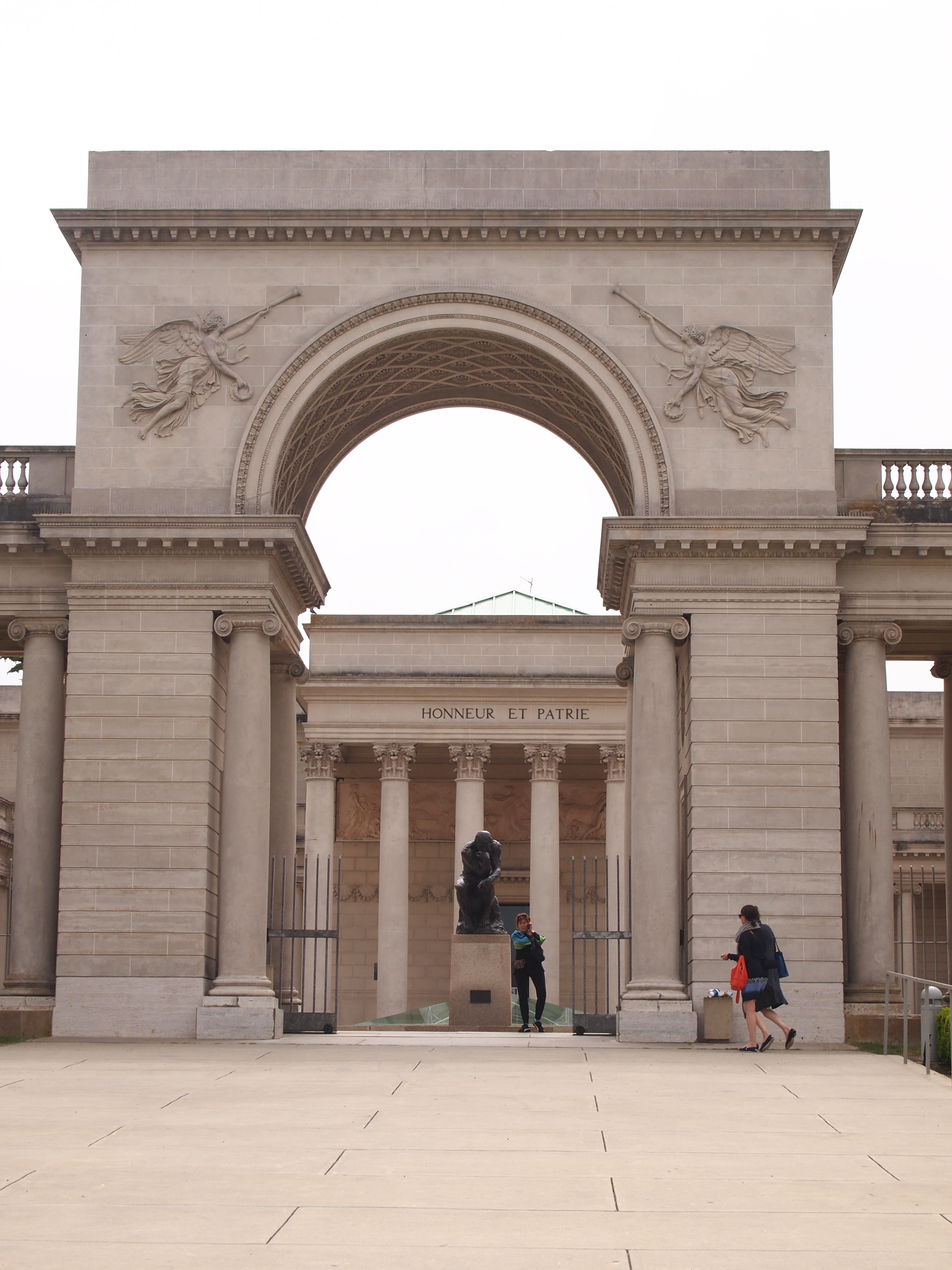
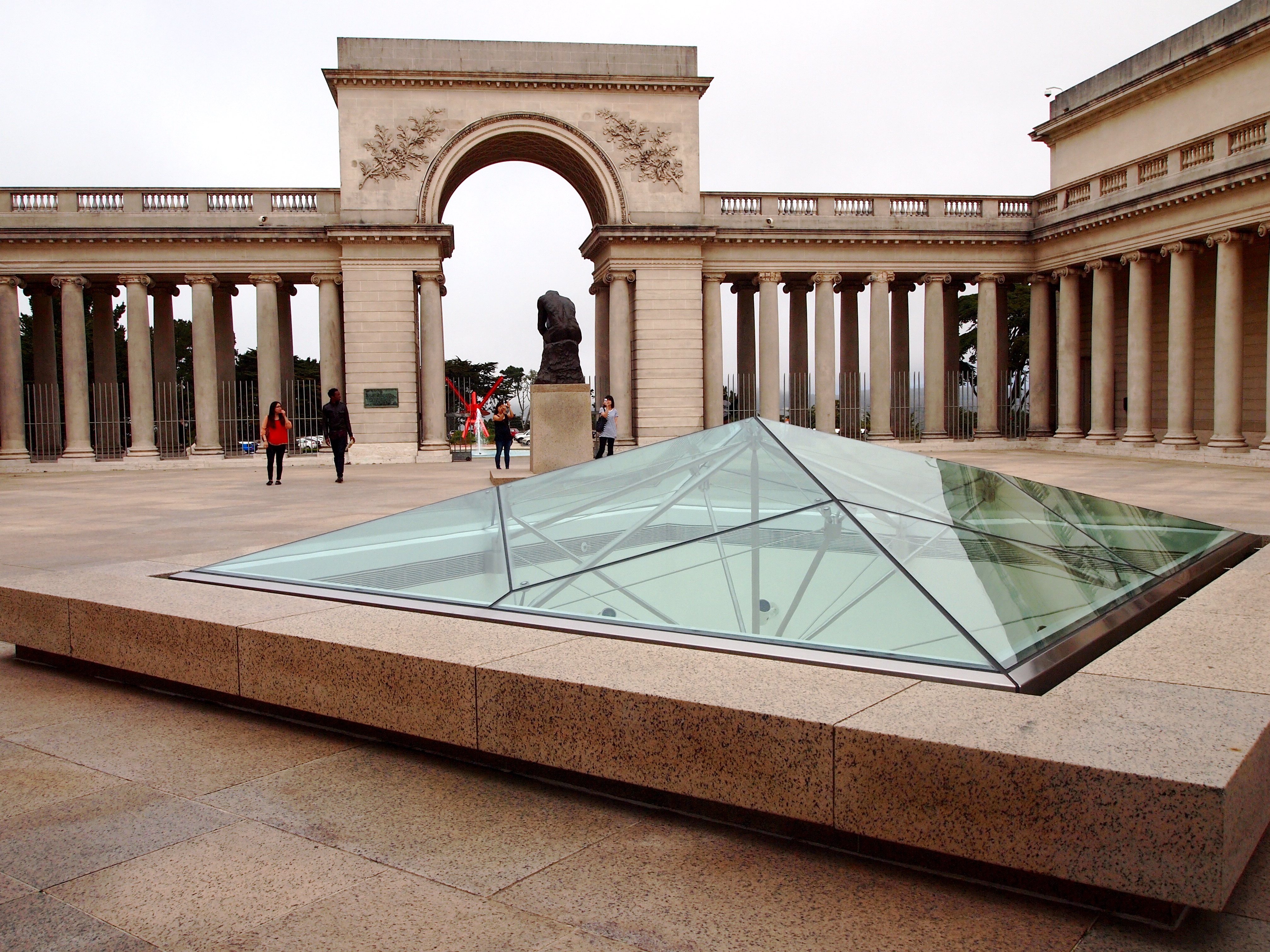
The Legion of Honor is one of the Fine Arts Museums of San Francisco. It is located in SF’s Lincoln Park overlooking the Pacific Ocean. It was built as a gift from Alma de Bretteville Spreckels in the 1920s to commemorate the Californian soldiers who lost their lives fighting in France in World War I. The collection of fine art inside the museum is beautiful, and the architecture of the structure itself is equally magnificent.

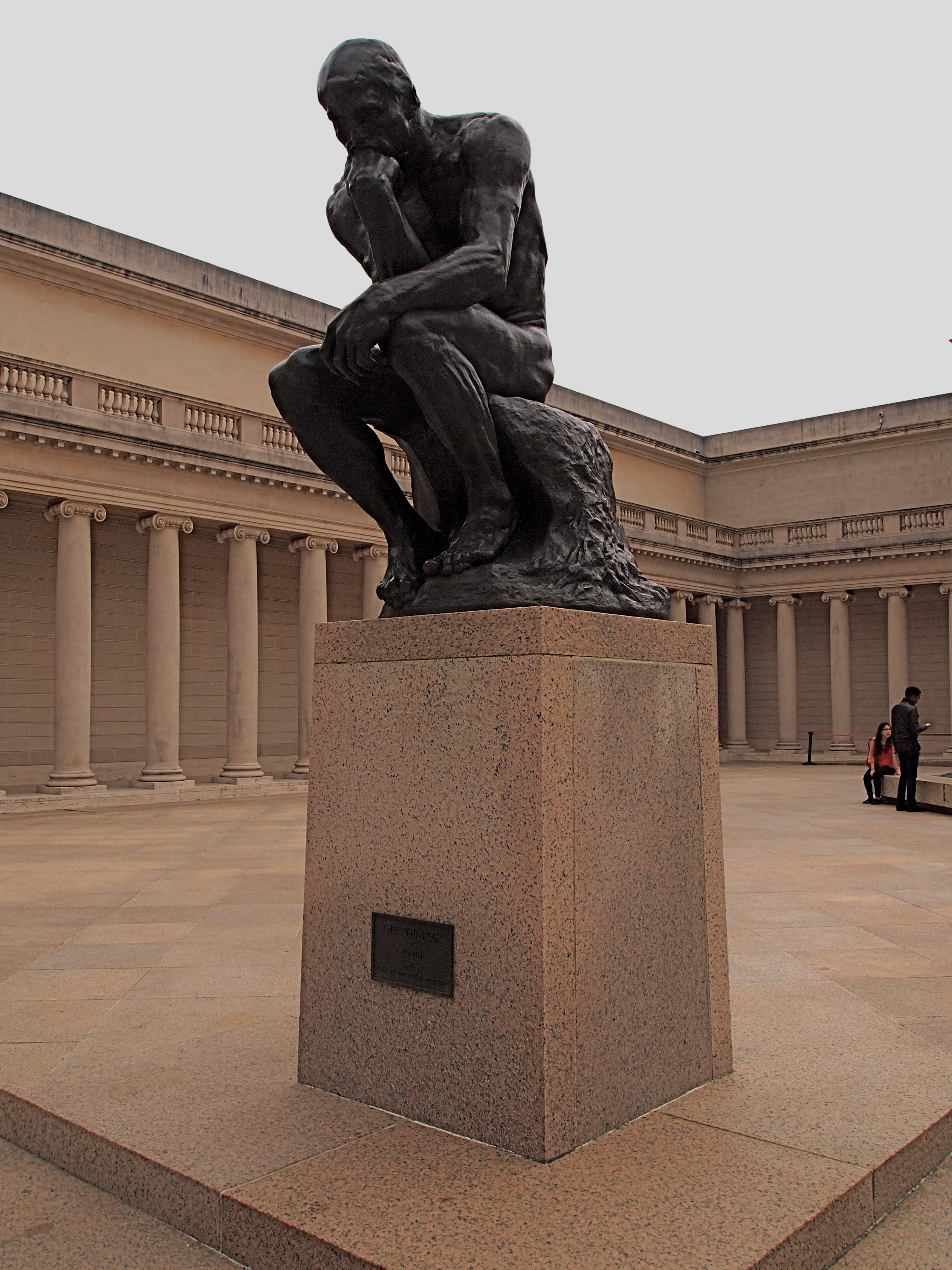
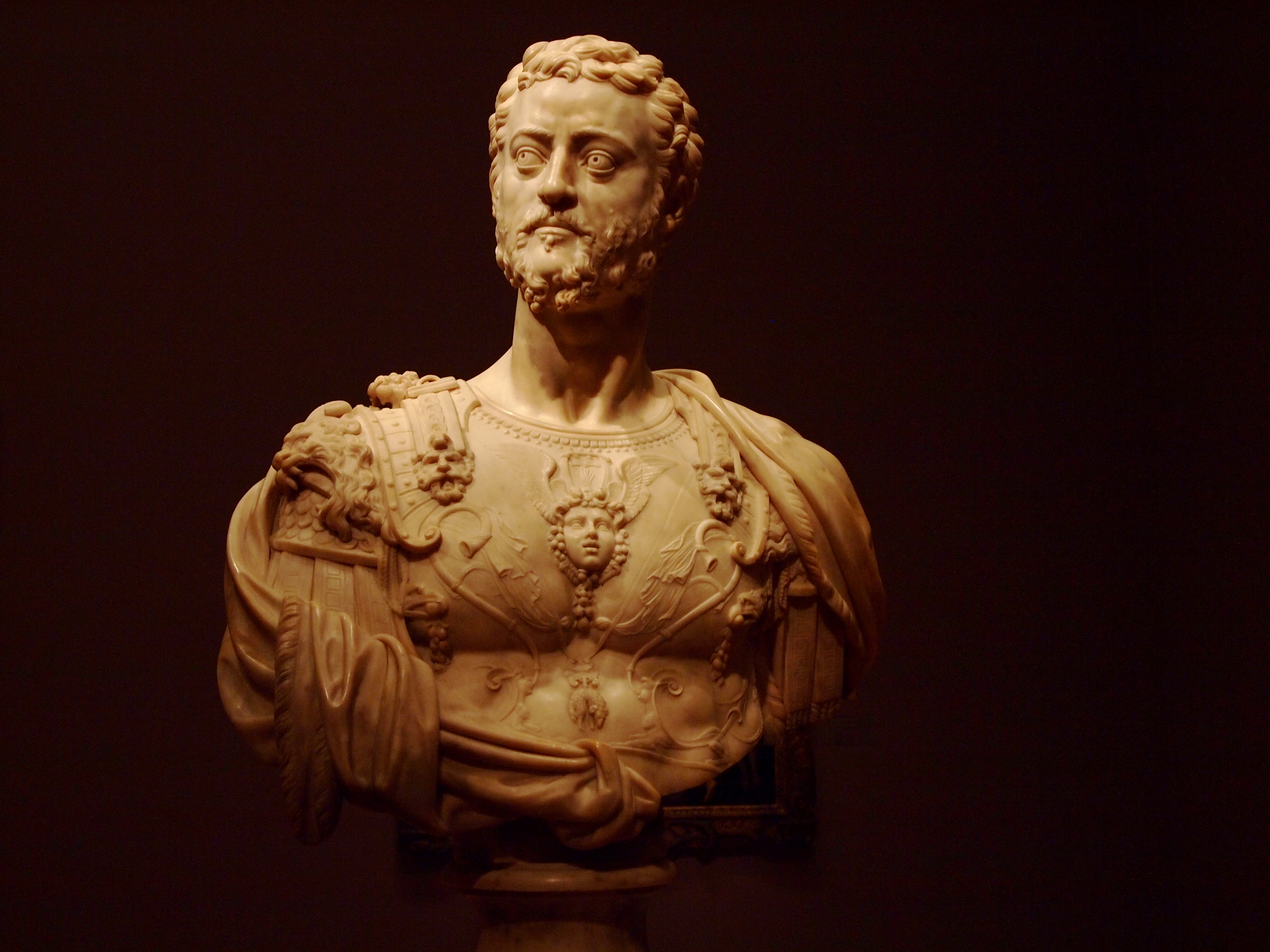
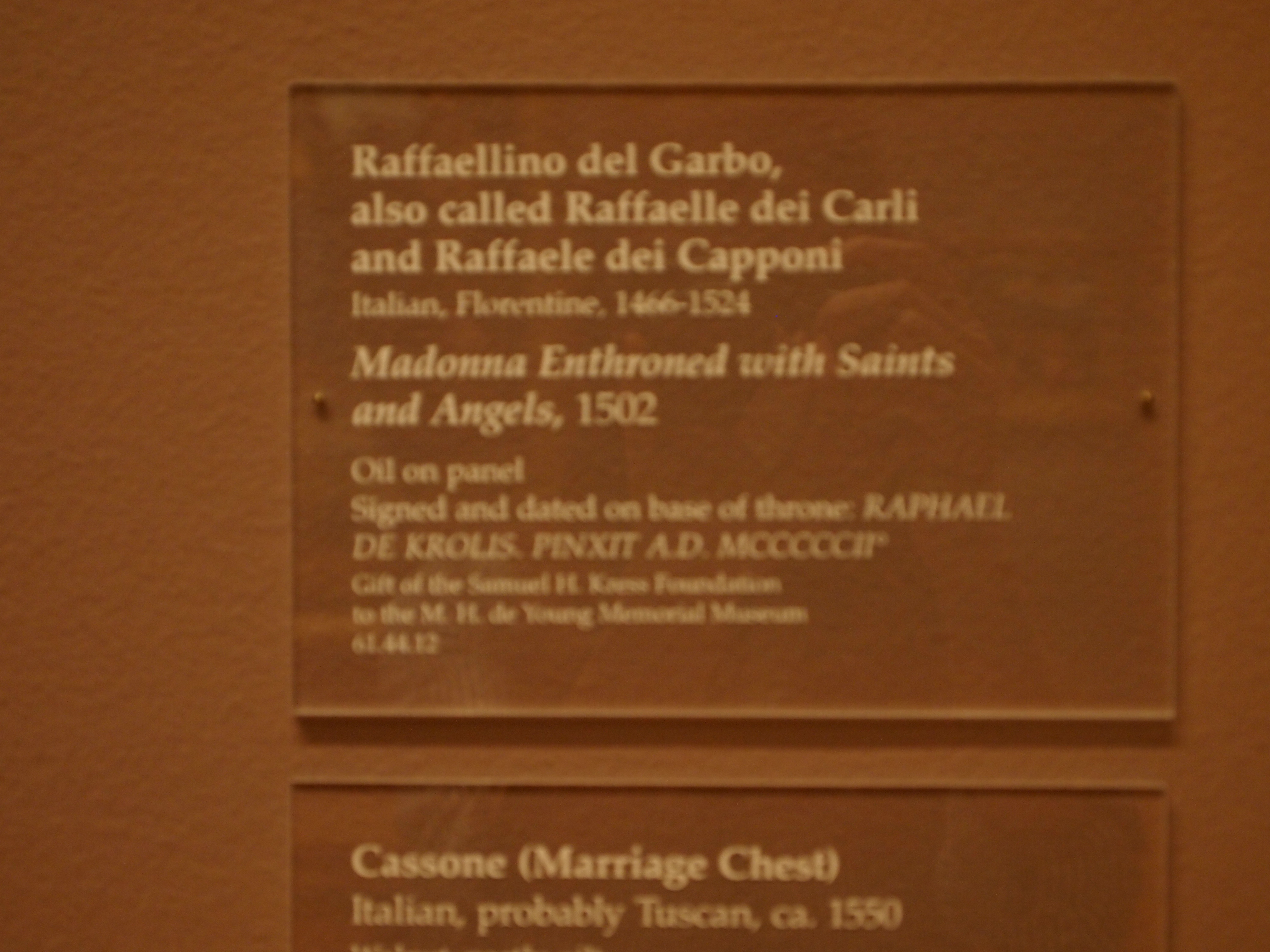
As we walked around the inside of the museum, I couldn’t help but think how much it reminded me of the Nelson Atkins Museum in Kansas City. The architecture is very similar, and both have Rodin’s Thinker! The collections ranged from impressionist paintings to Annie Leibovitz’s photography to ancient Roman sculptures. These were a few of my favorites.

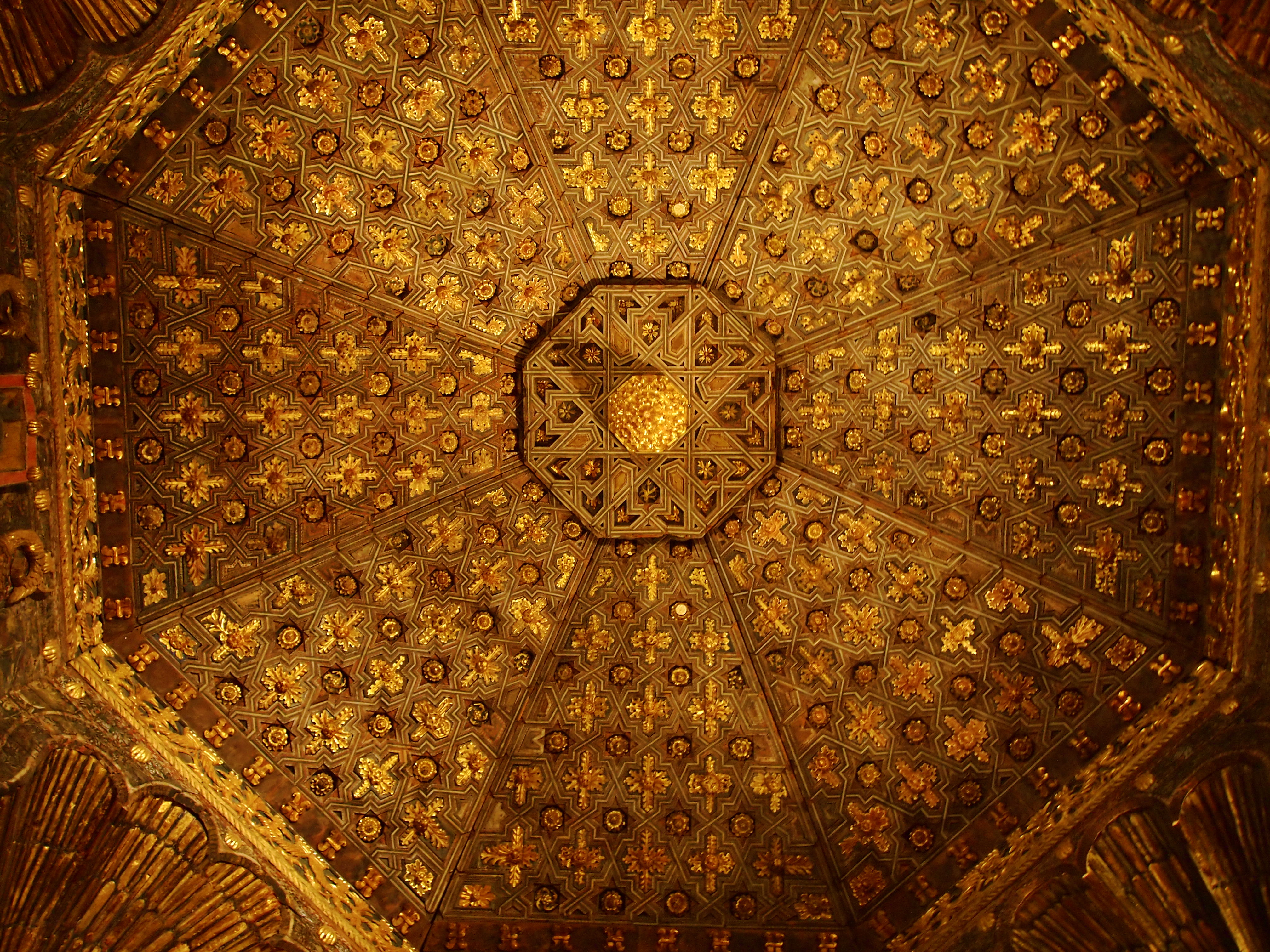
My favorite piece of art in the whole museum is a ceiling in one of the exhibit rooms. The detail is incredible. The ceiling was carved from wood in Spain in the late 1400s-early 1500s during the Moorish occupation. It is one of four removed from the original setting in the Palacio de Altimira in Toledo, in the Torrijos region in Spain.

It was a beautiful day at the museum. With our busy lives, it is nice to be reminded of all the beautiful things to see around us. I believe the arts to be an important factor in maintaining the balance in society. It is hard to argue with the importance of the arts, especially when we see such beauty through the eyes of the artists, enlightening us about their fascinating perspectives on the world. In a lot of ways, it helps us look at the world through new eyes, learn how to see something from someone else’s perspective, and have a little more appreciation for our own world.

Once we left the Legion of Honor, heavy in thought, we made our way over to Golden Gate Park to see the de Young museum. But I will save that exciting experience for next time.

Springtown, Texas-Where country is, was and always will be “Cool”

This was a busy weekend for our family.  Meg was in Kansas City for a wedding (more to come), Laura and Michel were in Warsaw, Poland and Terry and I were in his hometown, visiting Christina and his family.

Springtown, Texas, has a population pushing toward 3300 people in the city limits and over 7000 in the metro area.  Terry’s family has lived here since about 1900, so his family roots are deep in the soil.  His parents were successful dairy farmers.  His parents, Finis and Vivian, seem to have been involved in nearly every organization in town. There is even a street named after them, it runs right in front of his family home, where his sister Mary now lives.

Situated just 1/2 hour from Fort Worth, it seems a world apart. It is easy to joke about rural Texas, where the names Poolville (ignore the “l” and soften the “v”), Hickey Hollar and Azle roll easily off the tongue. But residents of Springtown are anything but unsophisticated. Underestimate them at your peril.  This is cattle country.  Everything associated with cattle is important: birthing, feeding, watering and sale.

This is also natural gas country.  Everything associated with natural gas is also important: contracts, easements and the related challenge.  Heavy pipes are buried to move natural gas from Oklahoma and Texas for processing. Water for fracking ( the process of drilling and injecting water into the ground at high pressure to release natural gas) moves through small above ground pipes from Eagle Mountain Lake some 10 to 15 miles away to the gas fields in Springtown.  Storage tanks and sound baffles are a visual distraction. The dust and noise from the constant movement of heavy trucks to and from the construction sites fill the air.

Financial security is measured not only in natural gas and cattle, but in land. Ancient fence lines reflect property boundaries but are also important to the movement of cattle from grazing field to grazing field, separating cattle from horses, and sometimes separating garden plots from everything else.

For a city slicker like myself, it is easy to assume that farm life is “easier” than city life.  That is simply not true.  There is a combination of intelligence, hard work and back braking labor.  Farm tractors and trucks cost more than most automobiles and there are more of them!

At the end of the day the conversation includes all of things I would hear at any dinner table.  We talk about national and local politics.  But there is also discussion about feed prices, whether natural gas prices are up or down, whether there will be enough water to last the season.

But fear not, there is precious time for fun.  There is more than enough work to go around, but the food, hospitality and fun are worth the price of admission.

Oh, and did I forget to talk about the snake.  I was in the middle of the street, thinking that was safe from nature’s viler creatures, talking to Meg on my cell when suddenly I became aware that the black streak less than 6 feet from me, in the middle of the road was not tar, but a long motionless snake.  On telling my tale to Maurine and requesting assurance that it probably wasn’t dangerous, she just suggested that she tries really hard to stay away from snakes!

Have a great week.

Kansas City’s Public Library–More Than Just a Library

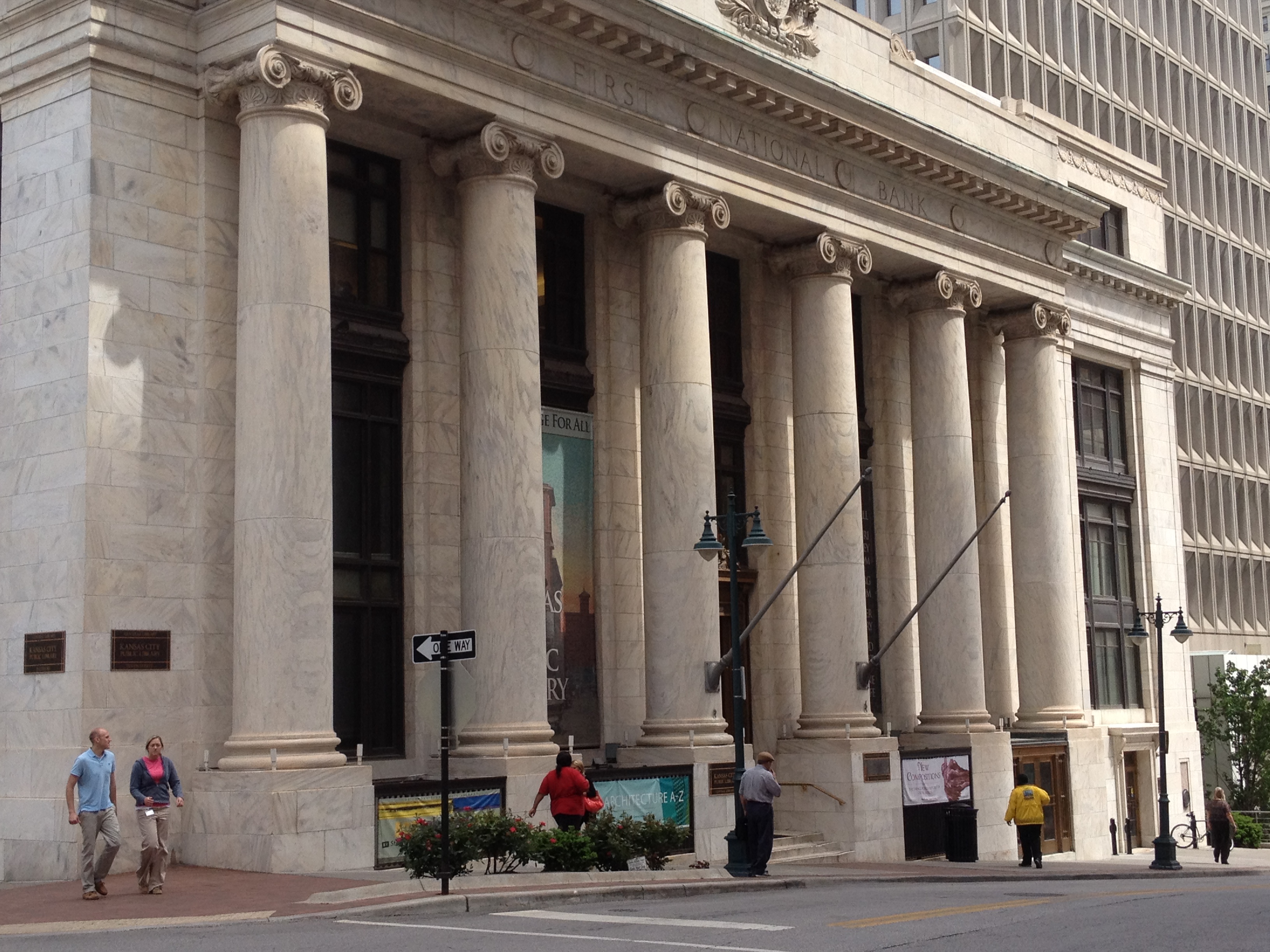
A funny thing happened in Kansas City when Crosby Kemper, III assumed leadership of the Kansas City Public Library.  The sleepy, somewhat deteriorated library system was reinvigorated.  The Central Library at 311 E. 12th Street, across from the Jackson County Courthouse, closed.  In its place, thanks to hard work, creative minds, and  public and private funds, the Central Library reopened in the  historic First National Bank Building at 10th and Baltimore, in the heart of Kansas City.

The exterior  of the library complex hints at the extraordinary nature of the library.  The murals on the wall are truly elegant.  The book spines that dominate the separate library parking lot remind us of the fundamental purpose of the library–to instill enthusiasm in books and knowledge. But it also invokes a sense of fun, excitement and hints at the passion of the leadership of the library. Seriously, Tao Te Ching?  This isn’t just a library for children’s books.  But neither is it a library that ever, ever minimizes the importance of nurturing young minds.

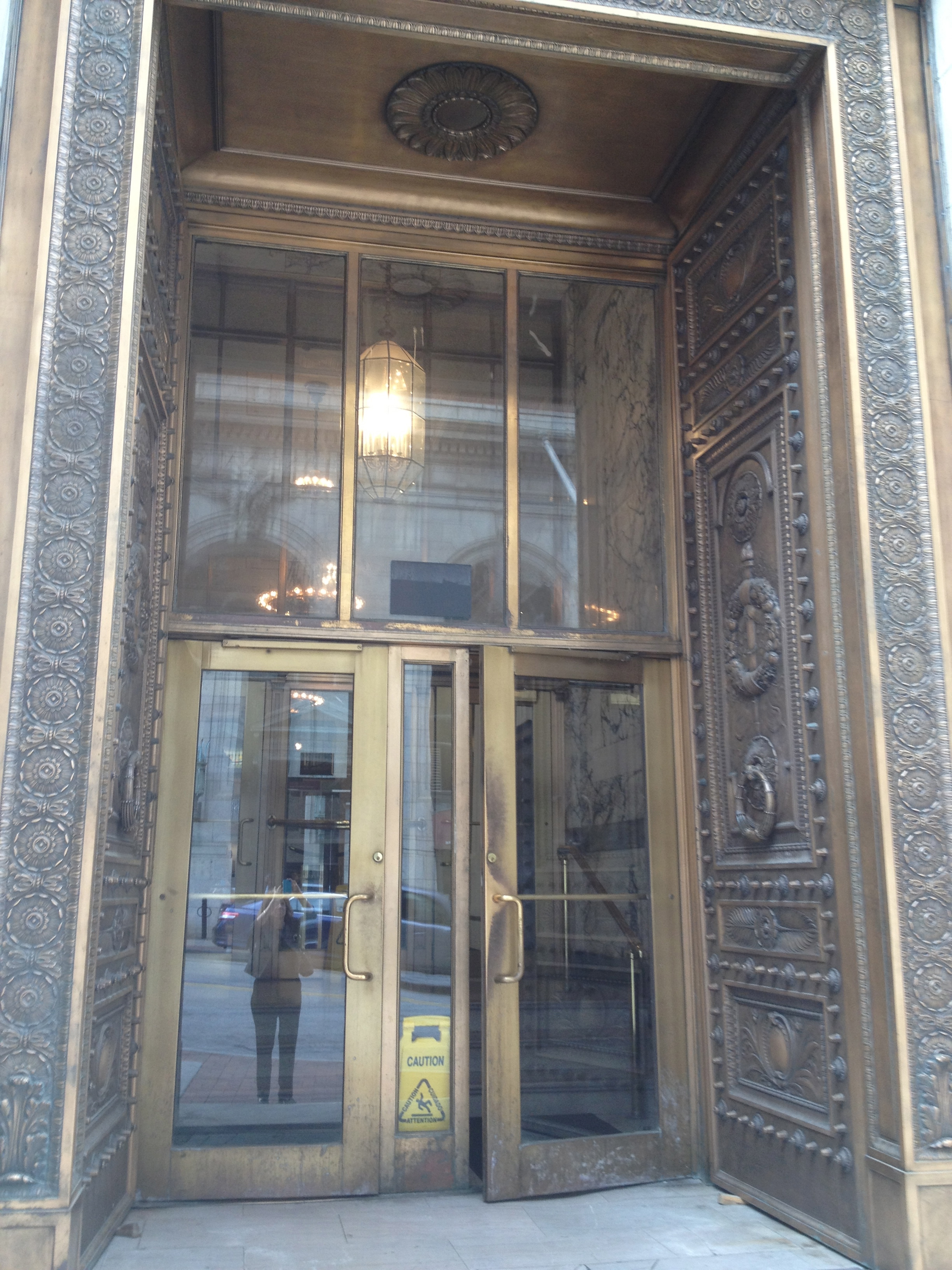
The bronze doors are tall and stately, reflecting the significance of the building and its purpose. The moldings surrounding the doorway are works of art in and of themselves.

When Kemper accepted the position as the Executive Director of the 10 libraries that compose the Kansas City Public Library, things immediately began to change.  Educated at Yale University, his career has included working as a teacher in China, as  the Executive Director of the British American Education Foundation in New York, and as President of UMB-St. Louis and CEO of UMB Financial Corporation at United Missouri Bank.  Not a likely background for a librarian but it certainly works, and more so.  He is clearly a man with a mission.

You may ask yourself what has changed under his leadership.  The answer, is almost everything, inside and out!

The Central Library is light and airy.  In addition to a first class library, with the support of the top quality leadership of the Kansas City Public Library Foundation he has implemented a schedule of events and activities that are world-class.  In conjunction with Kauffman Center for the Performing Arts, Kauffman Foundation, the Stowers Institute, the Nelson-Atkins Museum, the University of Missouri, Park University and others, the library offers concerts, lectures and meetings. These events are held at the Central and Plaza libraries, at the Kauffman Center for the Performing Arts and elsewhere. He hosts authors and statesmen.  He personally shares the stage with actors portraying historical figures and “interviews” them to give the audience a sense of their personalities.

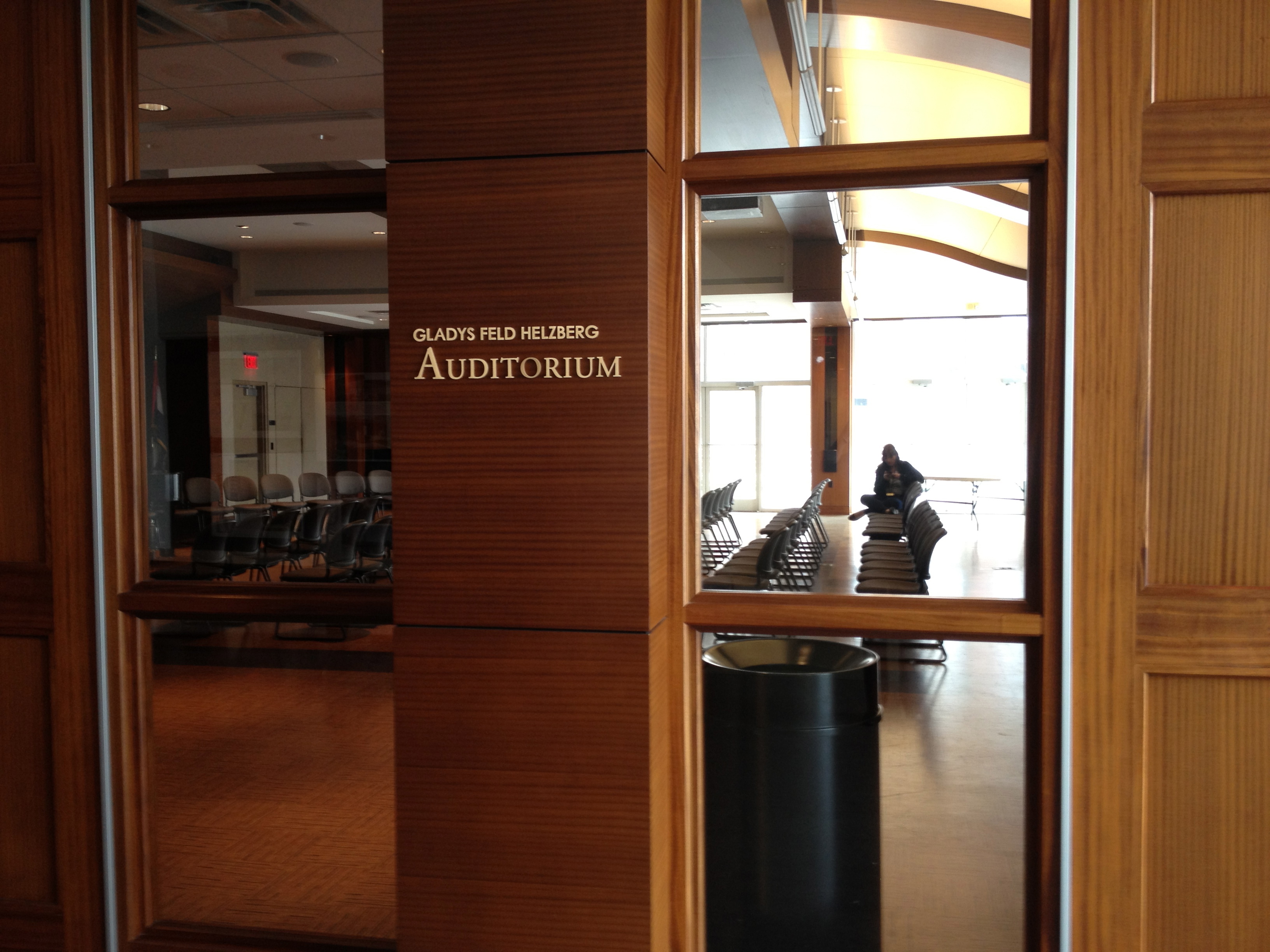
The library has a high quality film vault and has regular screenings of classic movies.  Spread throughout the 10 libraries in the system, are book clubs, events for children and teens, classes on finance, computer basics, exercise classes, genealogy.  The list goes on and on and on, but you get the point. While all of the library locations offer a range of programs, the Central Library is generally the location of the major academic and current events lectures. Programs in the Gladys Feld Helzberg Auditorium on the 5th Floor are generally free to the public, but reservations are requested or required.

In mild weather, visitors enjoy the patio adjacent to the Auditorium.  Year round the rooftop view is wonderful.

Genealogists are welcome at the Missouri Valley Room also on the 5th floor.  There is knowledgable reference librarian on hand.

While Kemper gets high marks for his leadership, his passion and vision are shared by the library’s  board of directors, led by Jonathan Kemper, and by library’s foundation. His staff and administrators are also knowledgeable, helpful and enthusiastic.

If you live in Kansas City, what are you waiting for? It is an easy building to find.  Just look for the pillars, the elegant exterior murals and you are there.  If you don’t, it is worth the trip.

It is well worth the visit.  Happy reading!

Independent Action: An article by guest author, Terry Christenberry

Guest author, Terry Christenberry.

Please note: the views expressed in this article are not necessarily those of the primary authors of Shifting the Balance, however, we think it is important to encourage the free flow of ideas in order to promote collective action and compromise. In order to keep the country “in balance,” we believe we should all work together, and that means sharing and respecting ideas! Including those that may be different from our own.

INDEPENDENT ACTION

Since starting their blog, Meg & Ann have asked me to consider authoring some guest articles.  However, given the stipulation that they be absolutely non-partisan and the fact that my world is finance, I have to date been a reluctant participant.  However, an excellent opinion article in New York Times on Monday April 16, 2012 by Bill Keller has pulled me out of my shell.  The article (http://www.nytimes.com/2012/04/16/opinion/keller-the-sweet-spot.html ) focuses on the 15% of Americans who comprise the “independent” segment of the voting population.  In this article, Mr. Keller notes that independents get so little attention because “The politics of the center… do not quicken the pulse,” and goes on to say that “the middle is not the home of bland, split-the-difference politics” but rather they are “just not views that all come from one party’s menu.” I am also mindful that while our friends and family often vote differently, we all share many common beliefs, including the importance of a healthy economy.

Mr. Keller identifies several characteristics he believes are associated with independent voters.  In reviewing those characteristics, I quickly noted that almost all fit me.  While Ann and I sometimes vote differently, we are seldom very far apart when considering practical solutions to either economic or political problems.  For example, a couple of years ago, when the New York Times offered a chart that provided readers an opportunity to make their own choices in balancing the budget, Ann’s choices and mine were amazingly close.

The U.S. is now facing what many describe as fiscal Armageddon (The New York Times and others have labeled this “Taxmageddon”).  This coming crisis is because Congress, as usual, has “kicked the can down the road”.  Unless Congress and the President agree on changes to laws currently in place, on January 1, 2013, tax rates on capital gains, dividends, the alternative minimum tax (AMT) and payroll withholding rates will increase dramatically resulting in large tax increases for almost all tax payers.  At the same time, extended unemployment, Medicare reimbursement rates, many entitlement programs, national defense and other programs will all be subject to significant reductions. This combination would in all likelihood send the U.S. economy back into recession.

To address our country’s fiscal issues, President Obama created the bipartisan National Commission on Fiscal Responsibility on February 18, 2010.  The Commission was charged with identifying policies to improve the fiscal situation in the medium term, and to achieve fiscal sustainability over the long run.  Specifically, the Commission was to propose recommendations designed to balance the budget, excluding interest payments on the debt, (“primary balance”) by 2015. The Commission was composed of 18 members drawn from both political parties and co-chaired by Alan Simpson, Former Republican Senator from Wyoming and Erskine Bowles, Chief of Staff to President Clinton (and thus came to be known as the “Simpson-Bowles Commission”).  The Commission worked diligently to come up with a workable bi-partisan plan to meet its objectives.  The Commission provided its report, entitled “The Moment of Truth” on December 1, 2010.  The Commission’s plan included a combination of spending cuts and tax increases that would bring the budget into primary balance by 2015.

This group really did their homework and I would encourage all to read the full 66 page report which is available at http://www.fiscalcommission.gov/sites/fiscalcommission.gov/files/documents.  While I am reasonably knowledgeable regarding tax matters and government programs, this report recommended the elimination of numerous tax breaks and billions of dollars in reductions of entitlement programs, many of which I was completely unaware.  I say this only to point out that this was not a broad brush effort, but a very detailed, well thought out plan based on thousands of hours of work by bi-partisan commission members and their staff.  There are many recommendations in the report that I disagree with and would change if I were “king for a day.” I am sure each member of the commission felt the same way.

America’s future under our current policies (today’s existing tax rates and expenditures), the current law (assumes tax increases and spending cuts due to be implemented at future dates under current law all take place and remain in force) and the Commission’s recommendations are shown below.  Which option would you choose?

American business must contend with global competition.  The uncertainly of our country’s fiscal policy and changing regulations are crippling U.S. businesses ability to return to growth and global competitiveness.  Competition with lower cost countries is difficult in the best of circumstances.  It is difficult enough when lower cost countries undercut us on wages, dump government subsides products on our shores or impose unreasonable tariffs on our goods, but even worse when we, as a nation, shoot ourselves in the foot economically with the uncertainty created by warring factions in Washington.

Business is desperate for a plan!  (Probably why Herman Cain got initial support for his ill-conceived 9-9-9 plan:  at least it was a plan.)  Simpson Bowles is also a plan!  It is a well-researched, well thought out, bi-partisan plan to put our country on sound fiscal footing.  Yet subsequent to its submission, the Commission’s report has been virtually “swept under the table” by the Administration and Congress alike.

What do Mr. Keller’s article and the Simpson-Bowles plan have to do with each other?  A lot, I think. I believe it is time for independent thinking voters-whether they consider themselves Independents, Democrats or Republicans-to take lessons from the far left and the far right and “shift the balance” of politics by making our voices heard. Implementing a well researched and well thought out plan should be a priority.  We need to come together now by immediately passing legislation implementing the Simpson-Bowles plan or a similar well thought out plan.

Failure to act now will almost certainly mean nothing will be done as we get closer to this year’s presidential election.  Failure to act now will also mean that actions after the election, no matter which party’s candidate is successful, will be taken in the approximately six-week period between the election and year-end, resulting in “kick it down the road” or “cram it through Congress” legislation that is likely to be ill-conceived and poorly drafted.

For the Beauty of the Earth

Today is Earth Day, a day focused on the protection and celebration of our natural environment. Earth Day is a global celebration.  The health of our environment is important here in the U.S., in Central America, in Africa, in Europe and throughout the world.  Our very survival is dependent on clean and adequate water and a plentiful harvest.

So today, we celebrate the beauty of the earth:

We are grateful for clean water for bathing, drinking and farming:

We recognize the importance of our oceans, lakes and rivers and their role in providing food, transportation, drinking water, and other necessities and pleasures in our lives:

We respect the importance of protecting our water, our air and our soil so that we have adequate food to eat and water to drink here in the United States and throughout the world.  We recognize that adequate food and water are important for the health and security of our own families and for our worldwide populations.

While none of us can individually solve the problems of environmental pollution, we can each help to protect our world resources by planting trees, recycling trash, avoid polluting our water, soil and air and reducing our energy consumption.

As we honor the importance of water, earth and air in meeting our basic necessities, we are also grateful for nature’s beauty in our parks and gardens that feed, not the body, but the soul.

On Earth Day 2012, and every day, we wish you well and ask you to GO GREEN.

Our Founding Fathers

On July 4, 11776, our founders declared in the Declaration of Independence: “we hold theses Truths to be self-evident, that all Men are created equal and that they are endowed by their Creator with certain unalienable Rights, that among them are Life, Liberty,pursuits Pursuit of Happiness.”  With these words, they began the process of shaping a government that obtains its powers from “the Consent of the Governed.” The Constitution continues in a similar fashion, professing the desire of the people of the United States to “establish Justice”, and to “secure the Blessings of Liberty” to ourselves and our posterity.”  These are powerful words, and the goals expressed in them have shaped this nation.  What kinds of men authored these documents?

When I read Madeleine Albright’s book, The Mighty and the Almighty, her brief description of the philosophical and religious perspectives of our first Presidents intrigued me.  Albright’s own belief in religious tolerance may certainly impact her vision of our founding fathers.  Particularly pertinent is her belief that religion should not be  a source of conflict and hate.  It is reasonable that she focuses on similar attributes in our founding fathers.

What were the beliefs of the men who shaped these documents?  What is it that inspired George Washington and others to create our Constitutional form of government?  How is that these men created a government based on concepts of liberty, freedom and democracy?  What caused them to enact a Constitution that gave so much power and dignity to the common man?  Albright believes they considered themselves to be like the Israelites, guided by God through the wilderness, presumably to the promised land, the a United States.

Almost certainly, the vast majority of early colonial leaders were closely associated with clearly defined religious denominations: Primarily Congregationalists, Puritans, and Anglicans. In contrast are the less clear cut beliefs of a small group of pivotal individuals who took center stage as authors of the Bill of Rights, and the Constitution.  Their letters and speeches suggest they were deep thinkers, wise and thoughtful, “primarily political–not spiritual theorists” who focused  on “civil concepts: democracy, liberty, freedom of the press, freedom of religion, jury trial, all of the fundamental rights we hold dear.”

Consistent with their own political and philosophical beliefs, these men were highly respectful of the wide scope of religious and philosophical beliefs found among the citizenry.  What do we know about their beliefs?  Their religious beliefs appear not to have been stagnant.  They grew and changed as they faced the challenges of building a nation.  Historians describe them as very religious, not very religious, atheists or Deists, depending at least in part on the perspective of the various historians who write about the, while relying on whatever quotes fits.  Without question, they seem to have believed that this new nation should welcome people of different beliefs.

Our first President, George Washington, often acknowledged the importance of a supreme being, while advocating “scrupulous support for religious tolerance” including “Mohametans, Jews or Christians of any sect, or Atheists”.  In Washington’s 1790 letter to the Hebrew congregation of Newport, R.I., he wrote: “The government of the United States gives to bigotry no sanction, to persecution no assistance.”  He made frequent references to a deity, nonetheless, ministers of his time, including the Rev. Bird Wilson, Episcopalian, and Rev. James Abercrombie, Rector of Washington’s church, described him as a “Deist”.  Certainly as Secretary Albright indicates, he was committed to the right of every citizen to worship “according to the dictates of his own conscience”, as he did himself.

Our second President, John Adams, is described by Secretary Albright as a Unitarian who considered liberty “a gift from God” and democracy “a creation of man”.  She describes him as having had little use for the concept of the Trinity.  A prolific writer in the area of philosophical and religious issues, his various writings provide little clarity as to his personal beliefs. Like Jefferson, his religious and philosophical views were intertwined.  His primary concerns appear to have been civil rather than religious.  As a statesman he was dedicated to religious tolerance. Treatises about him quote him as inconsistently stating both that “Our Constitution was made only for a moral and religious people” and in contrast that “This would be the best of all possible worlds, if there were no religion in it.”  I wonder whether this statement was in response to world events of his time.  He expressed concern that people “are often for injustice and inhumanity against the minority”, as demonstrated by “every page of the history of the whole world.” Almost certainly a reference to the French Revolution which occurred almost simultaneously with our own, but with a level of brutality we never experienced.

Albright describes Thomas Jefferson, our third President, as a student of science and ethics.  The controversial nature of his beliefs is evidenced by his opponents’ attacks against him, labeling him an atheist. His own words make this suggestion highly suspect. In his letter to Benjamin Rush, in 1800, he acknowledges God, stating: “I have sworn upon the altar of God, eternal hostility against every form of tyranny over the mind of man.”  But he certainly ascribes to a very personal system of beliefs: “I never submitted the whole system of my opinions to the creed of any part of men whatever in religion, in philosophy, in politics, or in anything else where I was capable of thinking for myself.  Such an addiction is the last degradation of a free and moral agent.”  He had little good to say about Christian clergy, describing them as the “greatest obstacles to the advancement of the real doctrines of Jesus”.  Ouch, my dad would loudly protest against any suggestion that his life’s work is an obstacle to the teachings of Jesus!!

Jefferson is the primary author of the Declaration of Independence.  He and George Mason, authored the Virginia Declaration of Rights, adopted by the Virginia Constitutional Convention on June 12, 1776.  In addition to codifying rights including freedom from excessive bond, separation of the powers of the three branches of government, the right to freedom of the press, and the right to jury trial, the document states that: all men are equally entitled to the free exercise of religion according to the dictates of conscience”; and that it is the mutual duty of all to practice Christian forbearance, love, and charity toward each other.

Jefferson wrote respectfully of atheists in a letter to Thomas Law in June 1814: “If we did a good act merely from love of God and a belief that it is pleasing to Him whence arises the morality of the Atheist? … Their virtue, then, must have had some other foundation than the love of God.”  In a speech to the Virginia Convention in June 1778, he proclaimed:  “Freedom arises from the multiplicity of sects…For where there is such a variety of sects, there cannot be a majority of any one sect to oppress and persecute the rest.”  Finally he states: “Say nothing of my religion.  It is known to my God and myself alone.”  Letter to John Adams, January 1817.

James Madison, the fourth President, and often identified as the “Father of the Constitution” authored major sections of the Federalist Papers, advocating for the passage of the Constitution.  He was certainly one of the greatest champions of that document. Because his early expressions of his religious views are said to have varied greatly from his private statements late in his life, it is difficult to set forth a concise statement of those beliefs.  Early in his political life he described that the “democratic will” is subordinate to the commands of God, but clarified that those commands are “heard and understood in the individual conscience”. Advocating for the Constitution’s language on the separation of church and state, he stated that “Every new and successful example of a perfect separation between the ecclesiastical and civil matters, is of importance;…in showing that religion and Government will both exist in greater purity, the less they are mixed together.”  Letter to Edward Livingston, July 10, 1822.  Madison spoke and wrote frequently on the issue of religious freedom. He authored Federalist Papers #51, in which he wrote a slight variation of his theme, stating that: “In a free government the security for civil rights must be the same as that for religious rights. It consists in the one case in the multiplicity of interests, and in the other in the multiplicity of sects.”

 Last, but not least, of our best remembered colonial leaders is Benjamin Franklin.  Never a President, and always somewhat apart from the main stream even of the late 18th century, his thoughts about faith, only months prior to his death are witty and plain-spoken: “I believe in one God, Creator of the Universe…That the soul of man is immortal…As to Jesus of Nazareth, my opinion of whom you particularly desire, I think the system of Morals and his Religion, as he left them to us, the best the World ever saw or is likely to see; but I apprehend it has received various corrupt changes, and I have, with most of the present Dissenters in England, some doubts as to his divinity; though it is a question I do not dogmatize upon, having never studied it, and think it needless to busy myself with it, when I expect soon an opportunity of knowing the Truth with less trouble.”
What does it matter? It is apparent that they were respected by their peers, that they were able to define themselves as men of integrity who embraced people of good will where ever they found them.  Certainly, in forging a government of people from such varied backgrounds they were able to shape the original “big tent” of which President Ronald Reagan spoke.  But further, they constructed a government in which people were able to come together as equals, with the interests of the majority and the interests of the various minorities all considered and given worth.  They gave respect to the individual, created a government based democratic values and expectations of liberty.  Most important, they gave our citizens a Constitution and Bill of Rights that became the basis for a government that has thrived for over 200 years.  Sadly, they did not protect us from the inhumanity of  slavery or insure the equal treatment of women and minorities.  But over the course of U.S. History. the concepts of liberty, equality and justice have prevailed and these fundamental rights were extended to all citizens.
                                                                                          Out of Many, One

Prague, Glorious Prague–Old Town

Until the end of the cold war in 1991, Iron Curtain countries, including Czechoslavakia, were essentially closed to U.S. tourists.  It was more than fifteen years later that we traveled to Prague, the largest city in the Czech Republic. A major European economic and cultural center for more than 1000 years, the city resonates with the power that is its history.  In recent weeks I have learned a bit about Prague and the trauma it’s resident’s have endured through the  last 100 years. I am in awe of what I see and learn.

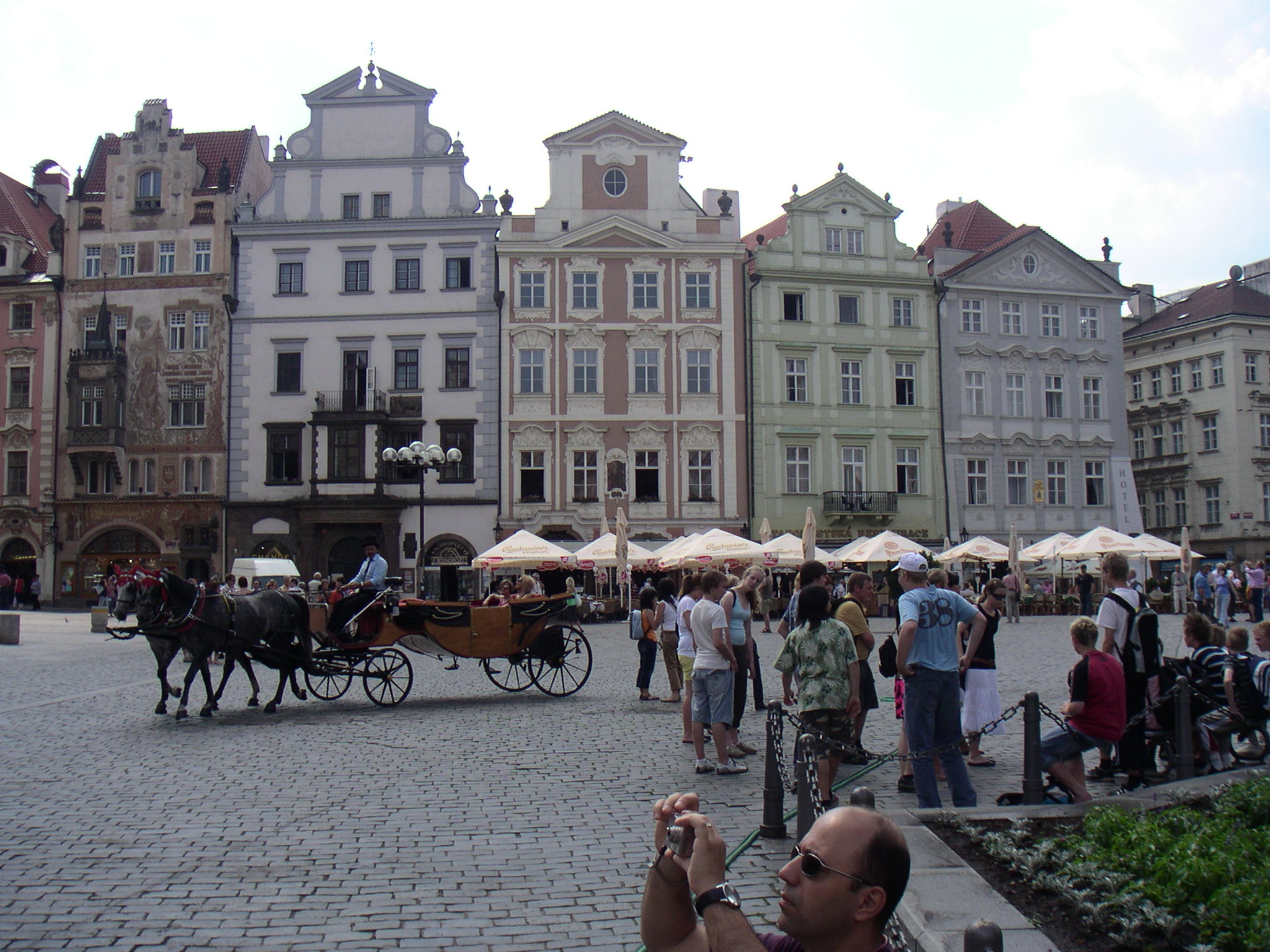
Totally inconsistent with my expectations, Prague is a vibrant, bustling community.  The old town looks like it is straight from a movie set.  It is colorful, dramatic and gothic. Outdoor cafes make visitors feel welcome and tourists can, for a price, enjoy a carriage ride through the city center.

The hustle and bustle of the city surrounds us.  The mood is happy and upbeat.  The tourist trade significantly impacts the economy and seems to be welcomed by all.  The Powder Gate sits next to the palace in Old Town.  It is of ornamental, not military value.  King Vladislav II placed the foundation stone in 1475.
Everywhere you walk in Old Town you see buildings that appear to be, and often are, the work of centuries. Individual buildings, churches and sculptures date from as early as the 1300s and have survived, against all odds, despite wars and other calamities.  The Old Town Hall gives us a sense of the history of the city that is about more than the expenditure of wealth.  It is the creation of elegance.
The Old Town Hall Tower’s Astronomical Clock is a big tourist draw.  It’s intricate design includes a variety of characters. Images of Death, The Turk  and the twelve Apostles all make their appearance on the hour.
The current home of Prague’s city government is the “Nova Radnice” or New City Hall.  It is situated in Marianski Square.
Perhaps not as colorful as it’s predecessor, it is, nonetheless, a stately center of power.
The Church of Our Lady Before Tyn dominates the Old Town Square. Built in 1365 its unique twin spires and gothic appearance make it popular to tourists and travel magazines. Occupied for a time by the Hussites, it later came under the control of Catholic Jesuits.
Construction on St. Vitus’s Cathedral began in 1344.  It was finally completed in the early 1900s.  Its beauty dominates the skyline.  The tomb of Prince/St. Wenceslas, murdered in 929 A.D., is located in the cathedral.  He is best known to Christians from the Christmas Carol, “Good King Wenceslas” for his acts of charity. The intricate design of the exterior is consistent with the elegance of the cathedral’s interior.
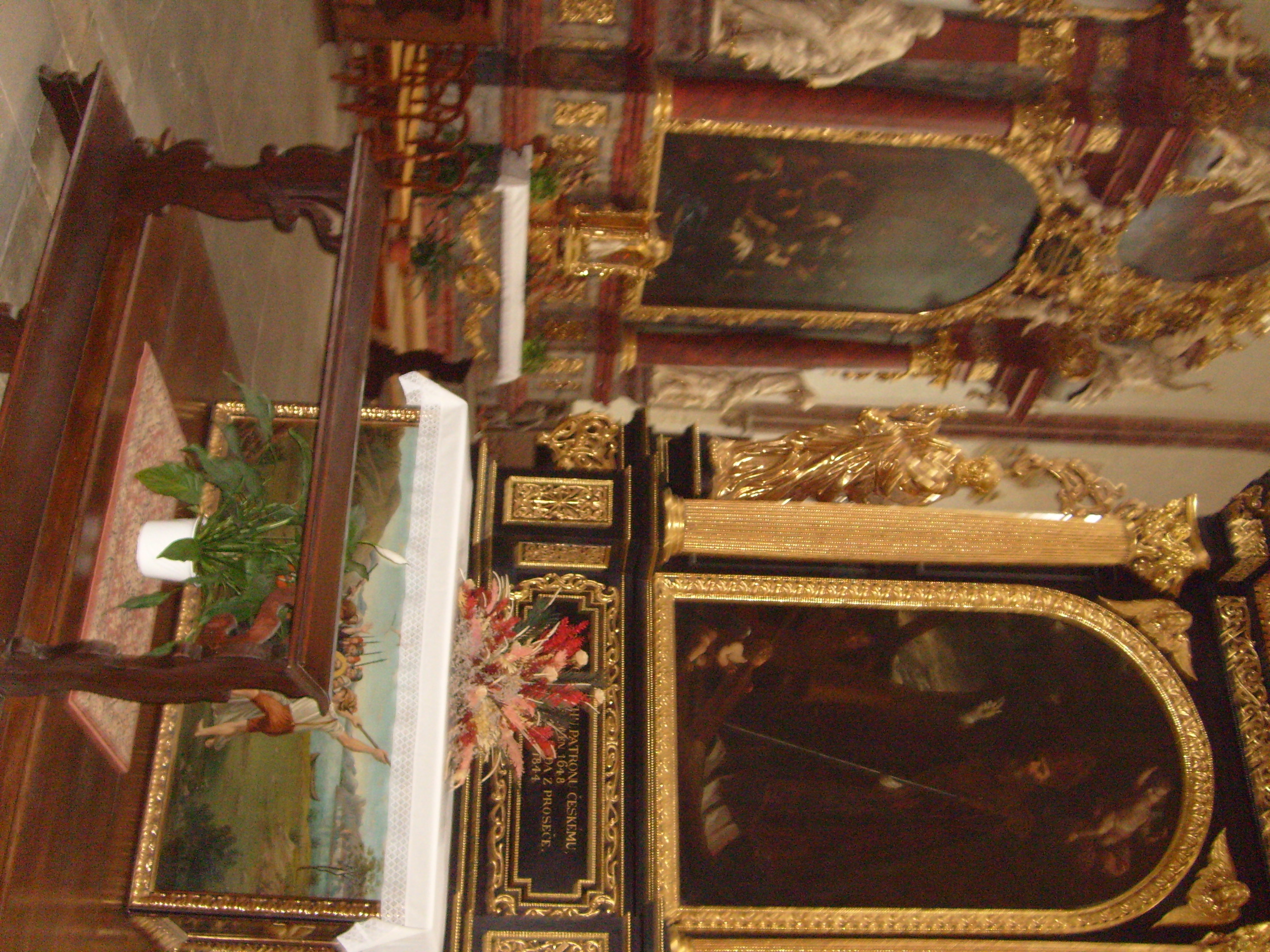
Masterpieces of religious art cover the interiors of churches throughout the city evidencing, yet again, the power and great wealth with which Prague has been graced. The craftsmanship evidenced everywhere around us is second to none.
There is no way to capture the essence of Prague’s majestic art and architecture in a single post, nor in a hundred.  But we hope that these photographs give you a sense of the glory of its past, present and future.

What do Madeleine Albright and Condoleezza Rice have in Common? Czech Mentors!

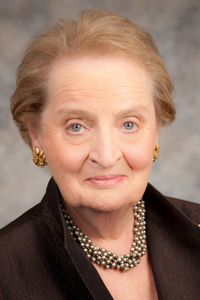
Madeleine Albright and Condoleezza Rice are dynamic women whose influences on U.S. and world events had a significant impact on foreign policy decisions.  Both served as U.S. Secretaries of State.

Albright is a Democrat, politically a moderate.  Rice is a Republican, politically a conservative. They are of different faiths, with different philosophic perspectives. Two powerful, but very different personalities, styles and beliefs. Since reading Madeleine Albright’s book, The Mighty and the Almighty, I have enjoyed discovering her world views, her life experiences and her views of the development of the U.S. as a nation and an international power. But I was still surprised when I learned of the political interconnections between Albright and Rice. It is all about mentors.

In her book,  U.S. Secretary of State Madeleine Albright, the 64th U.S. Secretary of State under President Bill Clinton, describes her values and beliefs.  She describes being influenced by her father, Josef Korbel, a Czechoslovakian diplomat, and by Tomas Garrigue Masaryk, the first President of Czechoslovakia, in whose government Korbel served. Rice also identifies Josef Korbel as a major figure in her life. So, who are these men? And how did they influence two such brilliant and unique individuals?

Tomas Garrigue Masaryk (1850-1937) was born in Hodonin, Moravia. He was a Professor of Philosophy at the University of Prague and a visiting professor at the University of London.  He served in the Austrian Parliament from 1891 to 1893 and 1907 to 1914.  He went into exile in 1914 and organized Czechs and Slovaks living outside Austria-Hungary. He developed a network of exiles who passed intelligence to the Allies while helping to establish the Czechoslovak Legions who fought with the Allies in World War I. He traveled throughout Europe and the United States from 1916 to 1918, encouraging allied leaders to force the “disintegration” of Austria-Hungary. When Austria-Hungary fell at the end of WWI, Masaryk became head of the provisional Czech Federation.  He was elected President by the National Assembly in 1918, 1920, 1927 and 1934.  He died before the Munich Agreement was signed in September 1938. Korbel briefly served in Masaryk’s government.

Masaryk was raised Catholic and, as an adult, converted to the Unitarian faith.  He married a U.S. citizen, also Unitarian.  Albright describes him as an intellect who did not consider belief in God necessary to be moral, but did believe “religious faith, properly understood, did much to encourage and strengthen right behavior.” Masaryk considered humanism and religion to be intertwined, with religion ultimately being about showing respect for every person and helping others.

Josef Korbel was born in what is now the Czech Republic.  He was a young diplomat when he was forced to flee his homeland due to his Jewish heritage when the Nazis occupied Czechoslovakia. He would also have been at risk of arrest due to his diplomatic ties to President Edvard Benes, President of Czechoslovakia after Masaryk’s. He returned to his homeland after World War II, served as ambassador to Luxembourg, and fled again when the communists assumed power in 1948. Sentenced to death in absentia, he was given political asylum in the United States.  It is little wonder he had a keen interest in democracy and a love for this country.   Korbel ultimately moved to the University of Denver where he founded the school bearing his name, the Josef Korbel School of International Studies. Even though he was Jewish by birth, Korbel appears to have espoused no religious faith in his youth, and raised his children in the Catholic faith.

Josef Korbel may be best known as Madeleine Albright’s father, but he was also a mentor to Condoleezza Rice, the National Security Advisor and 66th U.S. Secretary of State under President George W. Bush.  She studied under him at the University of Denver and describes him as a central figure in her life.  Her PhD dissertation dealt with politics and policy under communism in his homeland, Czechoslovakia.

Both Albright and Rice credit Korbel with the belief that “democratic values are at the heart of peace and stability in the world.” Both women have reflected that Korbel considered the United States the “Indispensable Nation” because of its pivotal role in world affairs. They, too, share that belief.

In understanding Secretary Albright, it is helpful to understand her admiration of Masaryk, her father, and the impact both had on her world view. In understanding her father, it is important to recognize that his beliefs were broad enough to nurture two women with such diverse points of view.  It also gives us insight into the values that influence the beliefs of both women and their perspectives of faith and politics in interacting with world and national leaders. We journey on!