A Place Like No Other–Prague’s Jewish Cemetery

The old Jewish Cemetery in Prague is among the oldest surviving Jewish burial grounds in Europe.  It sits in what is considered the best preserved complex of Jewish historical monuments in Europe, including the Jewish Town Hall and six synagogues. It is a monument to the Jewish Golden Age in Prague.   It was established in about 1439, with the last burial in about 1787.

Unique among cemeteries, the tombstones are so tightly packed that many literally rest one on top of another. The ancient trees wrap themselves around the tombstones as though born from the stone.

For 350 years the Jews of Prague were buried here. It is the resting place of Jews who made Prague their home  when Prague was the cultural center of Jewish Europe.  Especially during the 16th century, Jewish intellectuals throughout Europe gathered in Jewish Town. Many of these greats rest here, in the same cemetery that served the community in times of repression.

The cemetery is surrounded by a massive stone wall, as though the wall alone is sufficient to protect the remnants of this rich culture that extends nearly 650 years into the past.

Madeleine Albright visited this ancient cemetery on a visit to Prague in 1997.  This was not just any trip, but a pilgrimage of sorts.  Within the year, she had learned of her Jewish heritage, a heritage hidden from her family who fled Czechoslovakia in fear of the Nazis and again, years later, the communists.  When she explored the cemetery, she must have learned of the leaders buried here, who, like herself, exercised great power and influence in their times.
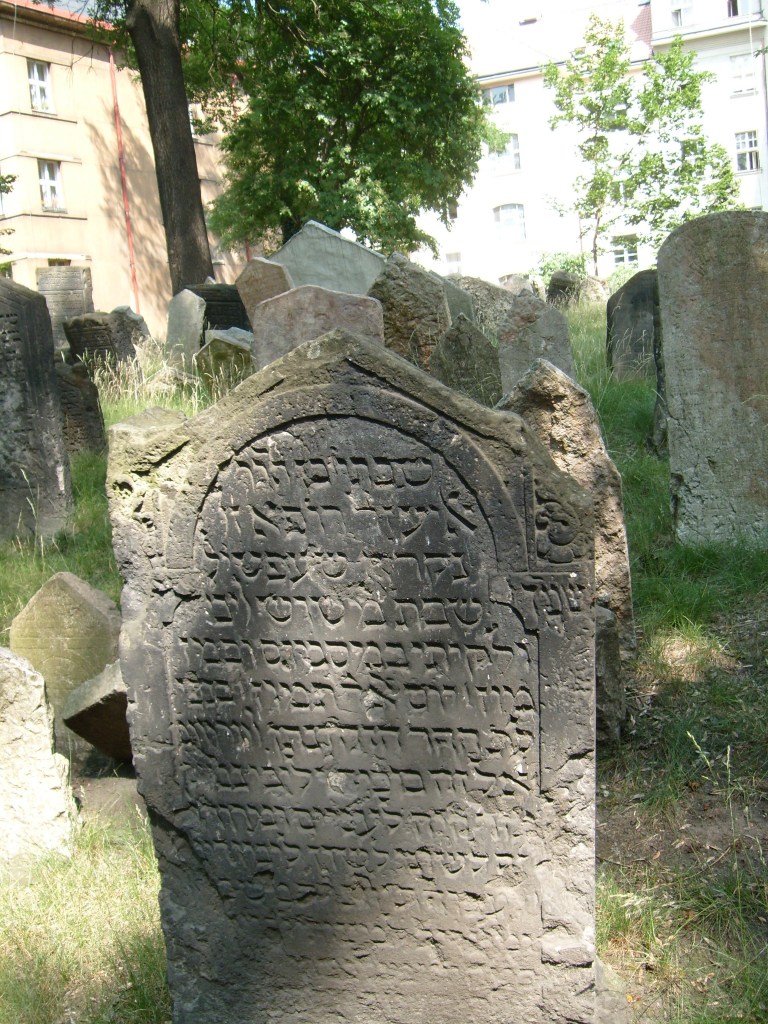
Secretary Albright will have been told of the first burial about April 25, 1439, of Avigdor Karo, the “chief rabbi” of Prague, a poet and a scholar of the Kabbalah.  Rabbi Karo lived through the destruction of Prague’s Jewish community in the 1389 Easter massacre in which over 3000 Jews died.  She will have been told of  Mordecai Marcus Meisel, (died 1601), a Philanthropist and leader in Prague, who lived through the persecutions of Jews in the mid-1500’s, financed the construction of Meisel synagogue in 1590-92.  Meisel built a hospital, expanded the cemetery and paved the Jewish ghetto. She will have heard the stories of Rabbi Loew Ben Bezalel, Chief Rabbi of Prague, a significant Talmudic scholar and philosopher,  buried there in 1609. Perhaps she will have been told of Rabbi David Ben Abraham Oppenheim, Chief Rabbi of Prague prior to his death in Sept. 12, 1736. Rabbi Oppenheim, a highly successful business  man, a prolific author and a student of the cabal is said to have had a library of more than  7,000 books.  Many of these books are now housed in Oxford’s library. These are only a few of the 100,00 people buried in these walls.

As powerful as these images must be, with the cemetery symbolizing both life and death, there was more for her to experience. The Pinkas Synagogue sits in the same complex.  Now serving as a museum, the synagogue’s walls identify over 77,000 Czech and Slav holocaust victims.  Among those names are Secretary Albright’s paternal grandparents.  Her grandfather Arnost Korbel, died at Theresienstadt in 1942.  Her grandmother, Olga Korbel, died in Auschwitz in 1944.

My husband I visited the Cemetery and Pinkus Synagogue in 2007.  The list of the dead is a visual testament to those killed in the holocaust.  I  cannot imagine the profound sense of loss that Secretary Albright must have felt, on seeing her Korbel names on those walls. But I wonder, what might happen if I awoke on some future day to learn, as she did, that my heritage was not what I had been raised to believe.  What if I learned I was Chinese, or African,  or Persian, or Jewish.  Would I develop a better understanding of the struggles, hopes and challenges of people of other races and other religions? Can I do that anyway?

Enchanted Islands-Sailing Dubrovnik to Split (Part 2)

Croatia is an ancient land.  It was colonized by the Greeks and Romans–among many others–and has ruins spread throughout the islands that reflect its rich history.  A week is not enough to do more than scratch the surface of this wonderful land.

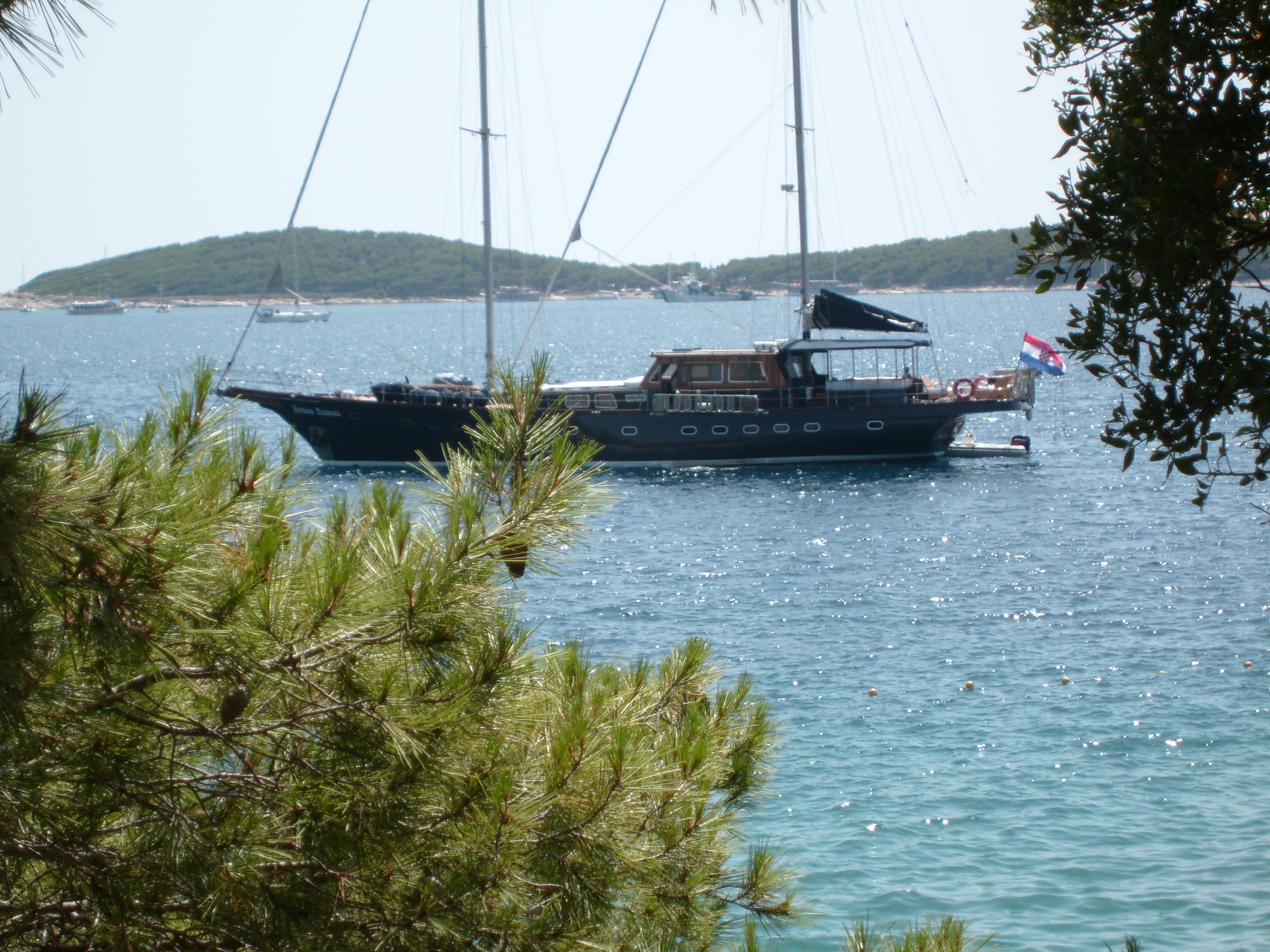
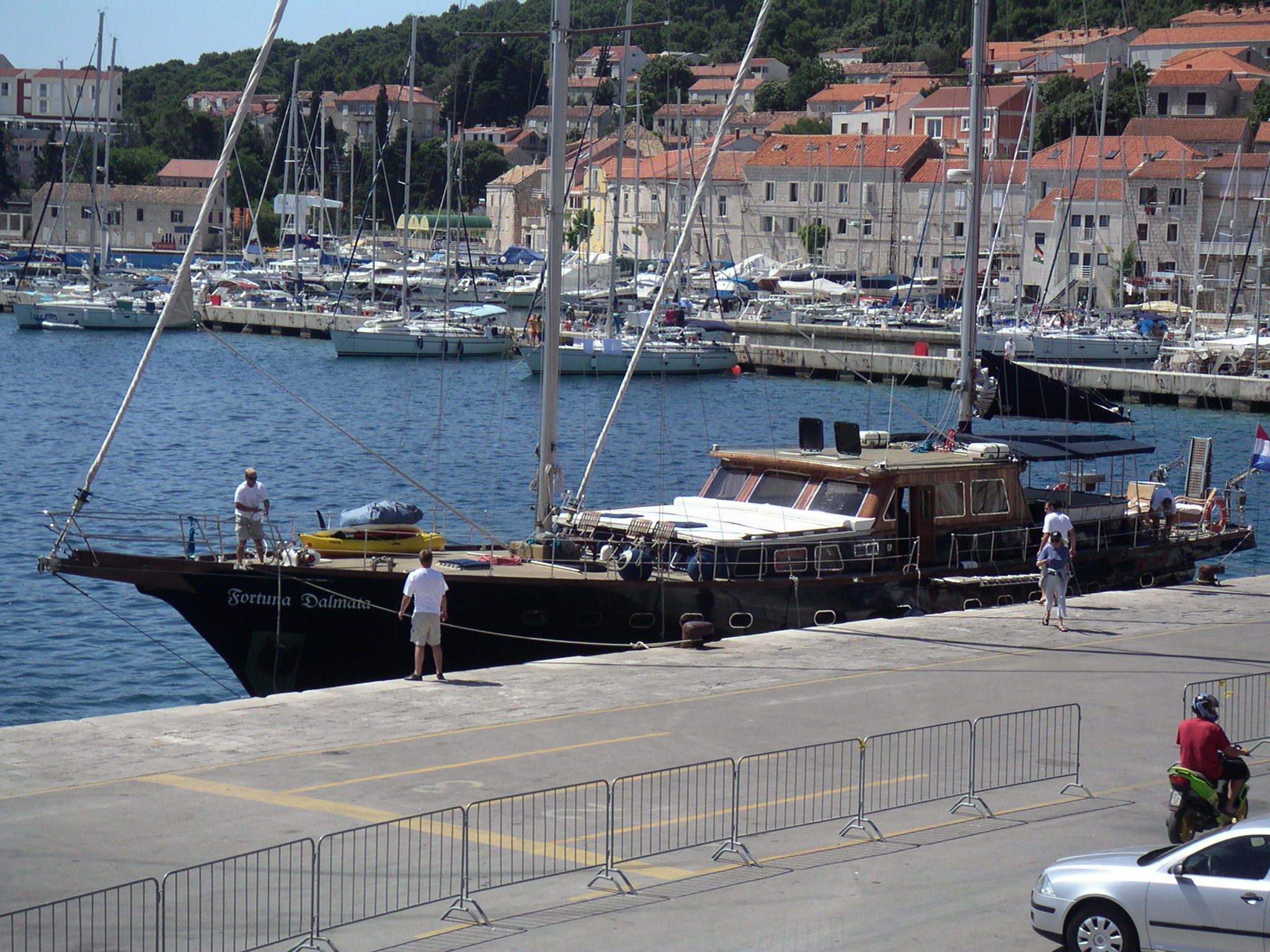
For anyone with a sense of adventure, who wants maximum flexibility experiencing a coastal civilization like Croatia,  sailing is a rewarding alternative to driving, taking a ferry or traveling on a cruise.  The experience is unique until it becomes addictive.  We travel with a small group of people, move quickly from one small port to another, and can change our plans on a moment’s notice. In Croatia we elected to sail with a full crew.  It was worth it.  Instead of preparing food, “manning the sails”, shopping for groceries, buying gas, taking on water and participating in all of the activities required to keep the Fortuna functioning effectively, we were able to spend our time enjoying the sea and exploring every harbor.

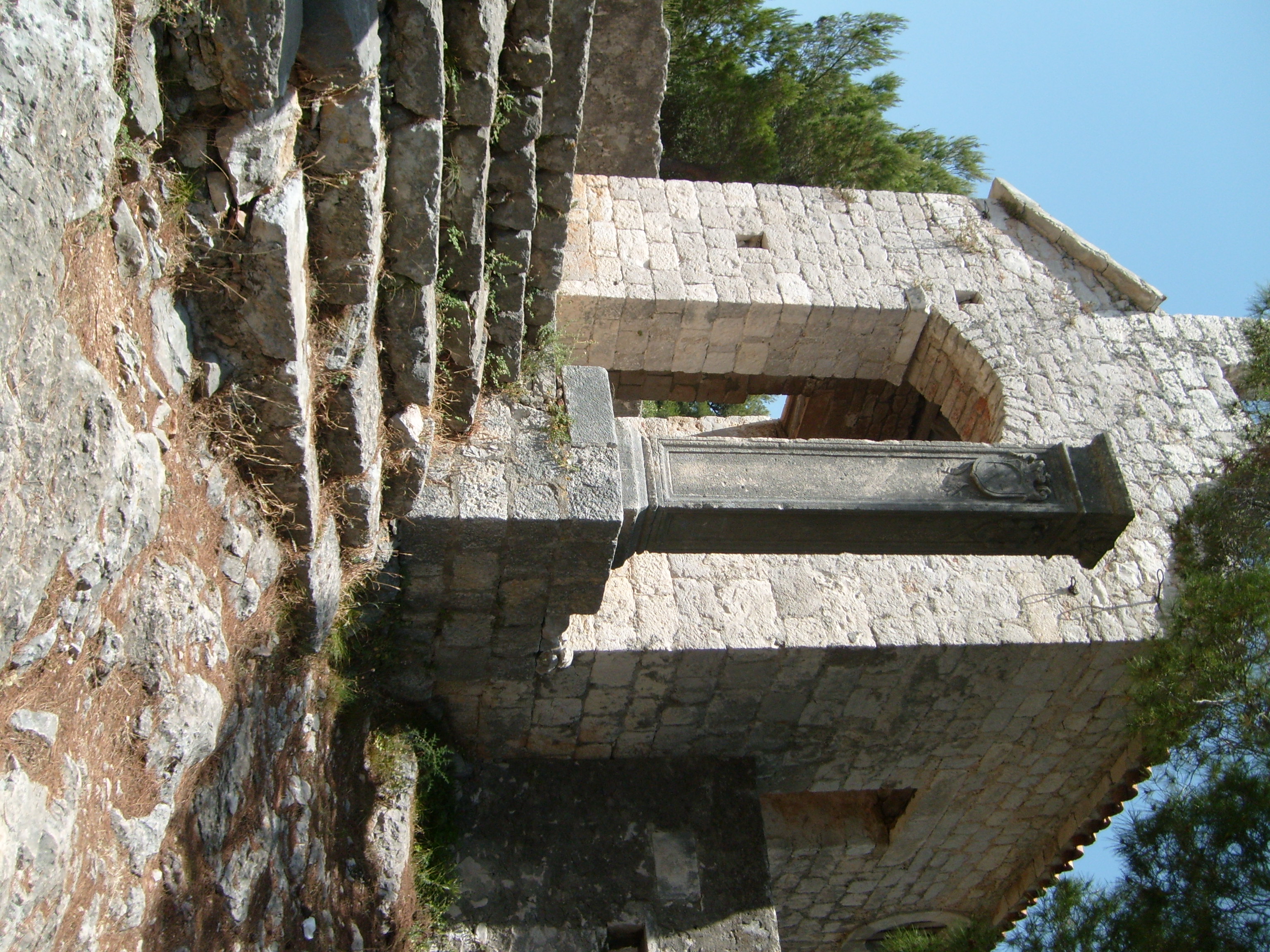
Our explorations included bumping, almost literally, into ancient carved stones.  There were also statues of more recent origin.  We were excited when we came upon this bust of Don Sime Ljubic, a leading 19th century Croatian archeologist and a native of Hvar.

One of our favorite stops was the island of Vis.  Populated by the Greeks by the 4th century BC, the island has  long served as a military outpost. Vis has been heavily fortified since the 1800s.  During World War II it served briefly as a military base for the British.  Because of the complex of caves, mines and tunnels, it was perfectly situated to serve as a submarine base for the Yugoslav People’s Army who abandoned it in the 1990s.  Closed to tourists until 1998, it is now a popular tourist destination.

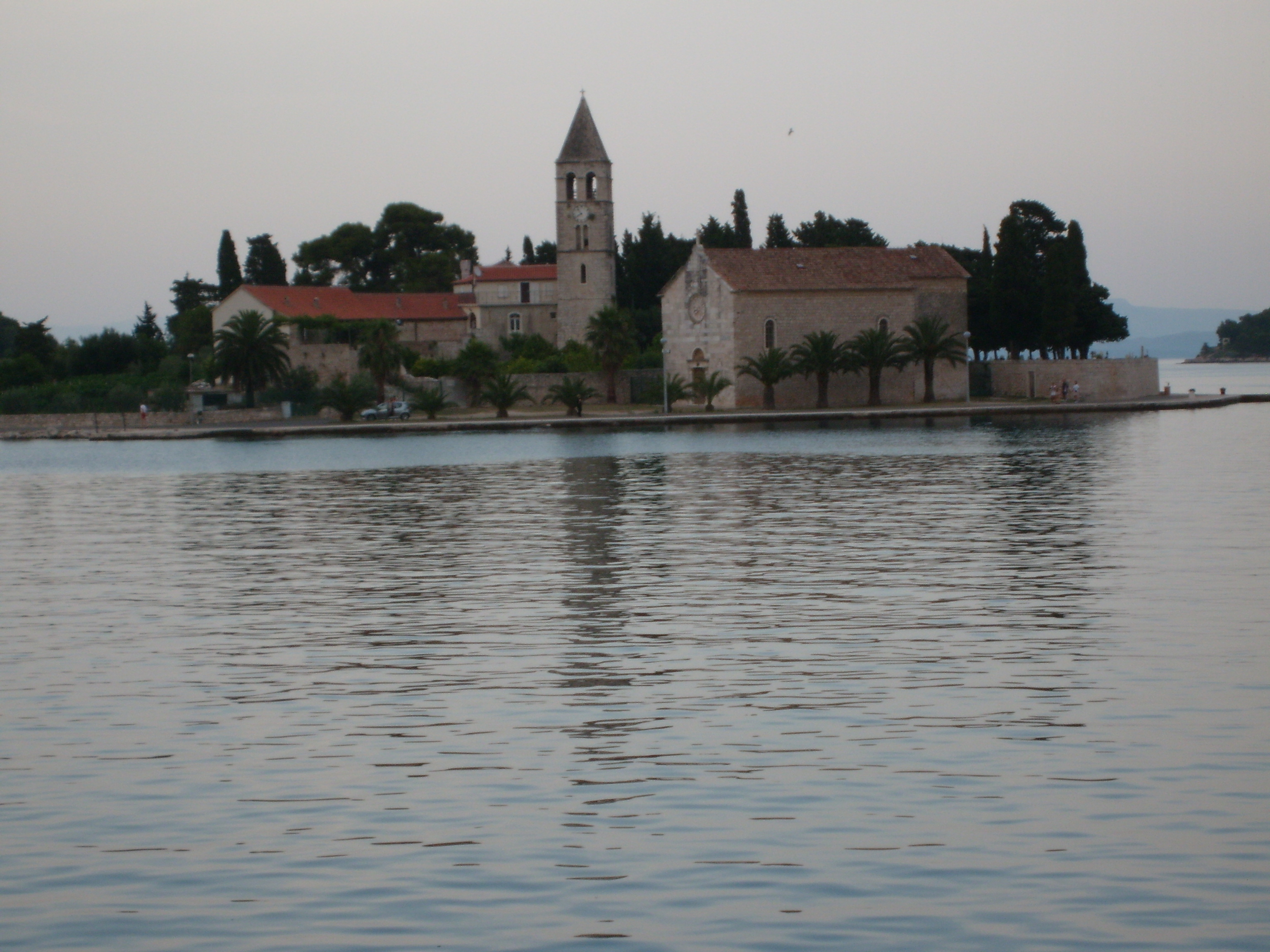
The Church of our Lady of Spilica, erected about 1500 A.D. is one of the most photographed sites on the island.  It’s structure is much like those of other churches we visited, but is still unique in the way that the church appears totally surrounded by the sky, the earth and the lush greenery of palm trees, cypress and other trees.

Every town and fishing village offered the opportunity to wander through the narrow streets lined by stone houses with orange roofs. The flowering bushes and trees were a vivid contrast to the gray stone.

The harbors offer calm water for sailors, including amateurs like ourselves.  Many of the harbors were filled with working boats, owned and operated by the fishermen who lived and worked in the community.

The juxtaposition of sailing boats and catamarans with the working boats of the locals, was common.  We docked next to boats ranging in value from luxury cruisers, to motorized rubber rafts.

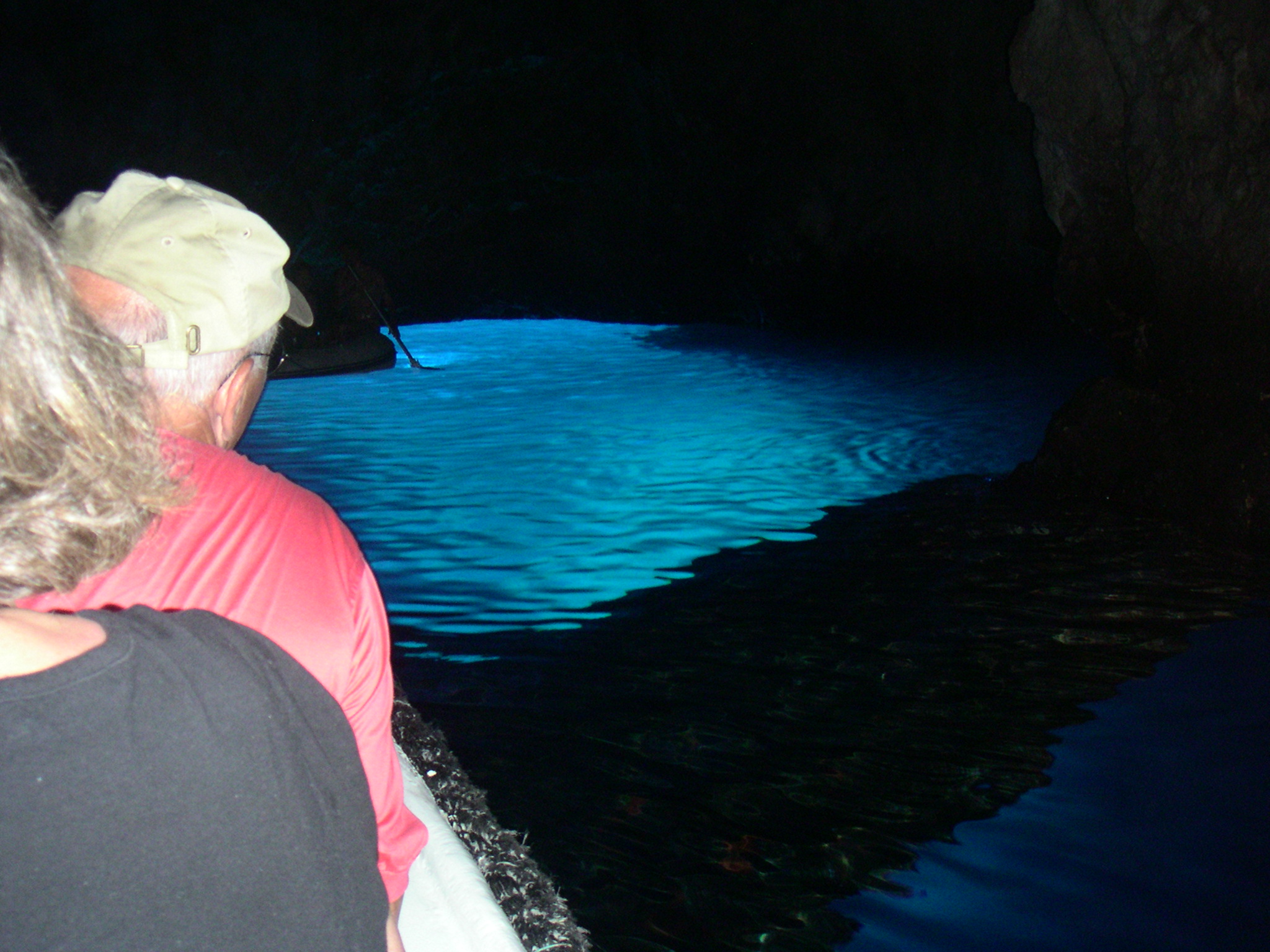
Generally we travelled on the Fortuna from one destination to another.  There was one special place where sailing on a large gulet was not possible–our visit to the Modra Spilja, the Blue Cave.  Discovered in 1881, it is situated off the island of Bisevo, only 5 km from Vis.  It is accessible only by a small motorized raft.  It was a choppy ride, one I would rather forget.

The reward for enduring the discomfort of the 20 minutes bumping through the water was more than worth the ride.  The Modra Spilja is literally a cave with a hole below the surface of the water.  A small opening has been drilled through the rock to allow very small boats to pass through into the center of the cave.  The sunlight that filters through the water from below makes the water seem iridescent.  The cave seems to literally glow in the dark.

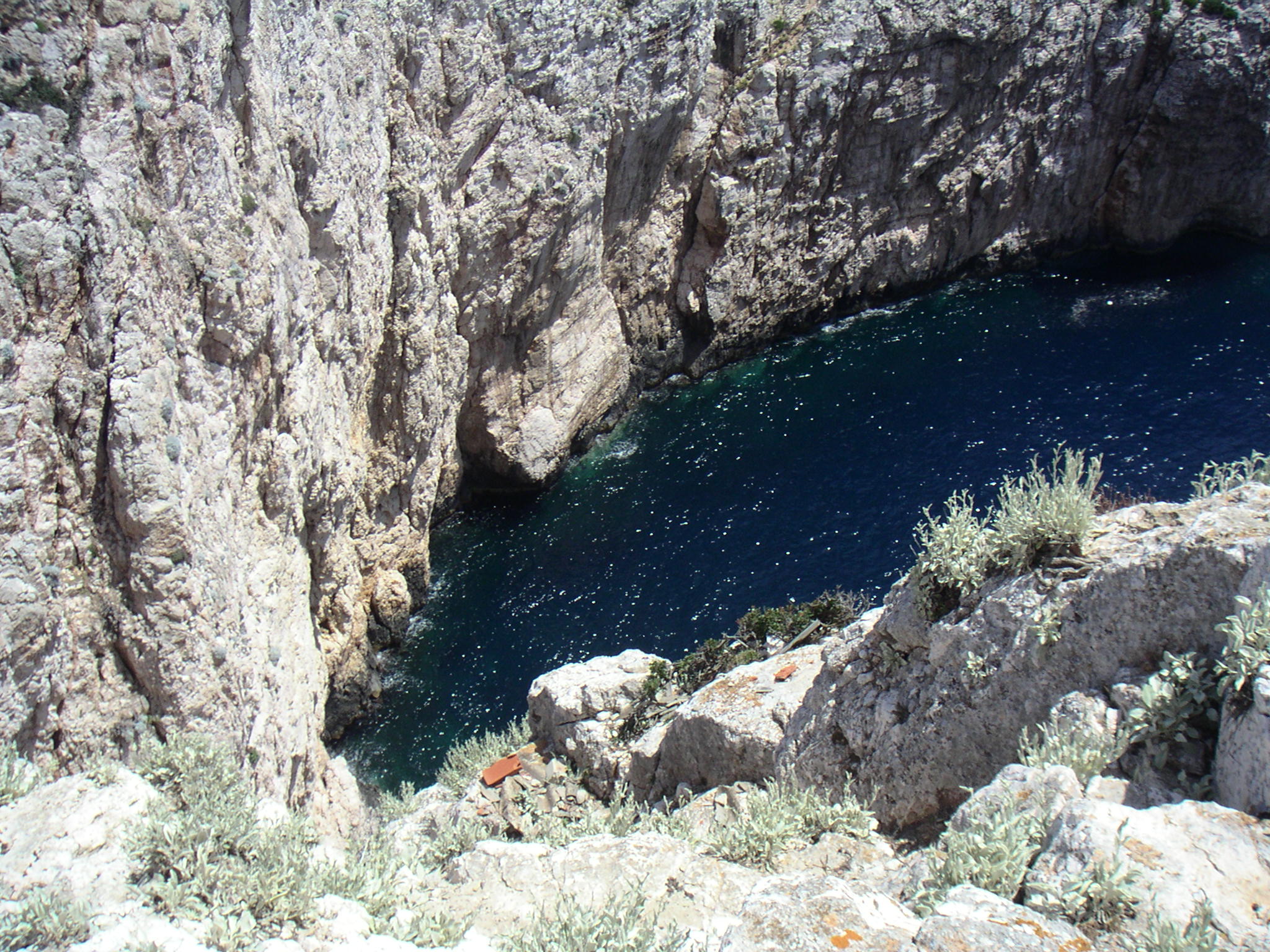
The island of Bisevo is tiny but beautiful.  These barren rocks are a powerful image against the blue waters below.

After a “challenging” day of adventure, there was nothing more rewarding than stepping out of the Fortuna and onto solid land.

We spent some evenings wandering through the town and villages in search of a cafe, or just a quiet nook to sit and talk.  The spectacular colors of the flowers, bushes, awnings and even the door, made humble and affluent neighborhoods seem to blend together.

Sometimes in the evening we just wanted to look out over the water and feel totally and completely at home by the sea.

Sailing on the Fortuna gave us a unique view of this wonderful land.  Unfortunately, after an amazing week, we had to leave the Fortuna.  We landed in Split where we said goodbye to our wonderful captain, our chef, and our crew and began our next adventure.  And that, of course, is a story for another time.

Enchanted Islands-Sailing Dubrovnik to Split (Part 1)

Enchanted islands.  That is the best way to describe them.  When Terry and I left Dubrovnik to begin our week sailing the Dalmatian Coast, we expected a great trip.  But we did not believe it could match the experience we had in Dubrovnik. We were wrong. We expected to see drab buildings left over from World War II followed by years of communist rule.  We were wrong again. With six close friends, we boarded the gulet, “Fortuna Dalmata,” in the harbor outside Dubrovnik and set sail to visit islands, towns and villages as enchanting as their names suggest: Vis, Hvar, Krk, and Komiza. Our crew included experienced sailors and an incredible cook.  They made our island hopping experience as relaxed as it was satisfying. Our food was as good as we would expect in a first class restaurant.  Not surprising, since our chef’s family owns a fine restaurant in Split.  Breakfast included chocolate croissants, fruit, eggs and cereal.  Dinners included veal shank and lobster.  What could be better than dinner served looking out over the sea to the islands nearby. Only 69 of the 1000 or more islands along the Croatian coast are inhabited. The  entire coast has a rich history that extends back long before the birth of Christ.  Various islands and towns along the coast were inhabited by–and/or did battle with–the Romans, Byzantines, Ottomans, Turks and Venetians among others. Many had ruins from those periods.  The fortifications on some islands were evidence of a long history of war. The islands we visited included picturesque rural villages with basic agricultural equipment and few automobiles and taxis. Tractors were common sights.

So were donkeys.
 It was not uncommon to land on islands with Greek and Roman ruins that spoke to their influence along the Dalmatian Coast.
There were shrines and statues to unknown heros.  The sacred nature of the temples and the sculptures, both Christian and pre-Christian were apparent all around us.  The detail of the carving and the powerful portrayals of worship evidence that the populations along the coast were highly religious throughout Croatia’s history.
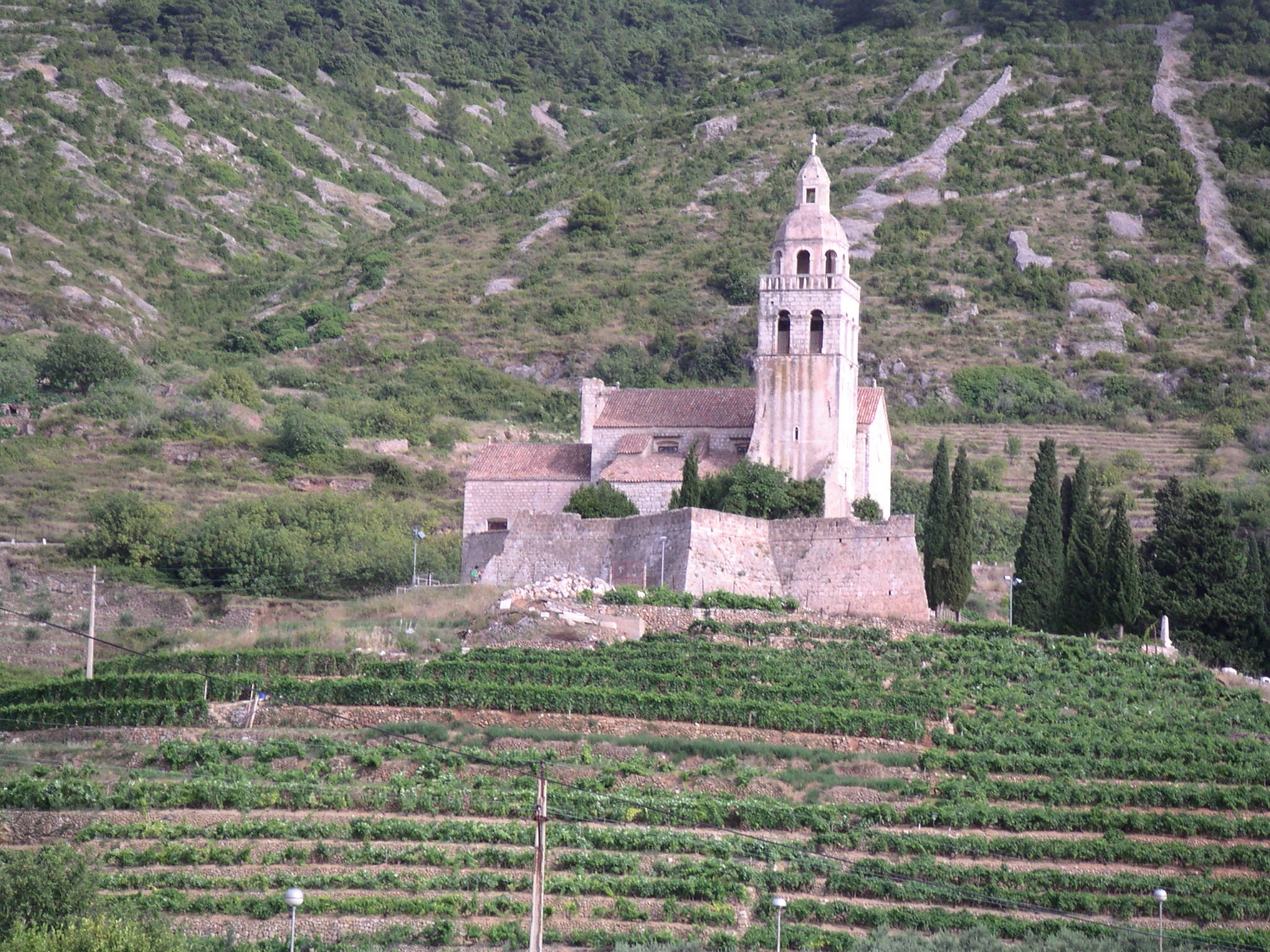
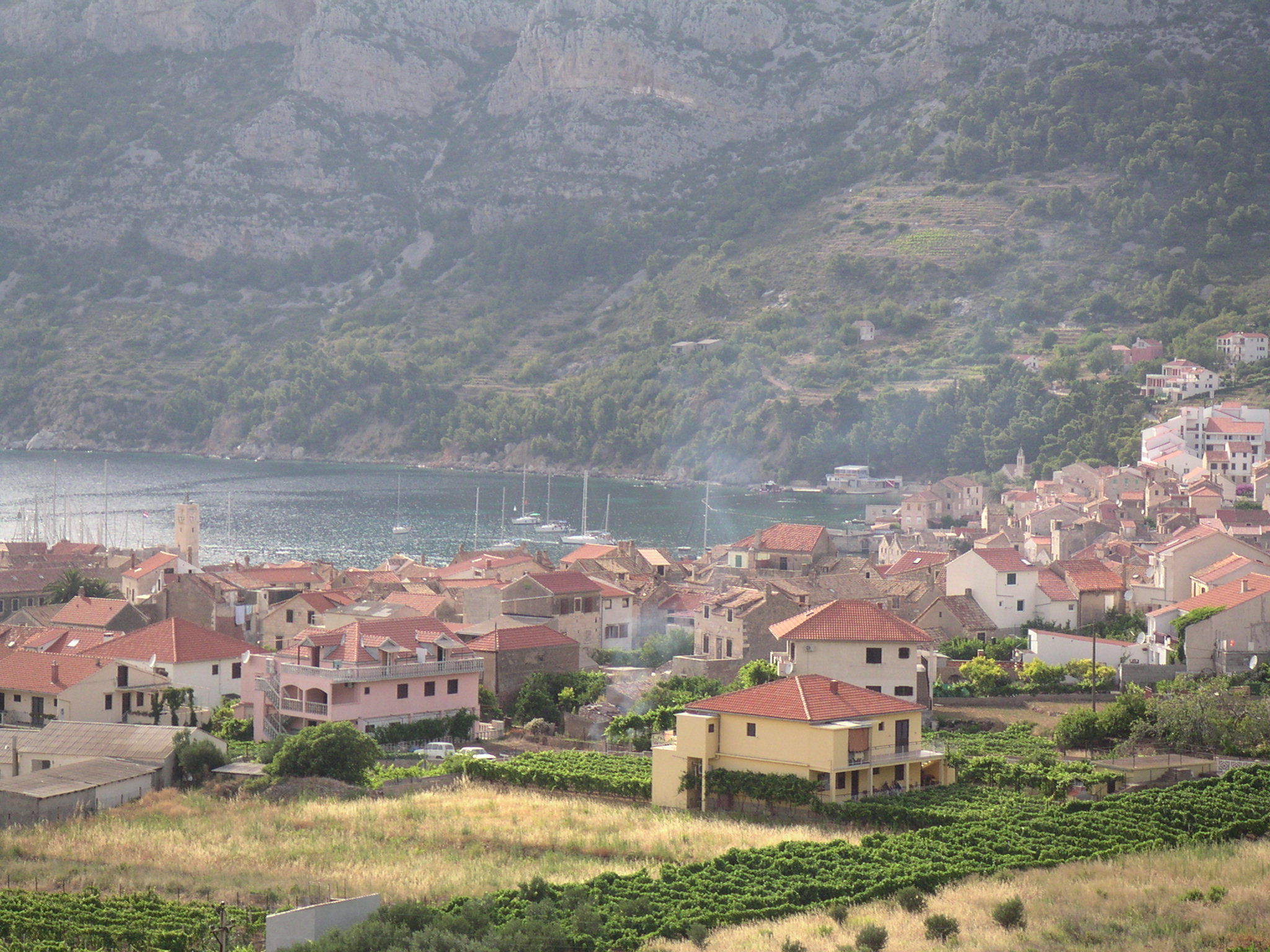
 The 16th century Church of Sv Nikola at Komiza dominated the hillside as it rose up from the terraced land and towers over the cypress.  It’s sleek lines and sculptured beauty seem to rise up to meet the heavens.
While the beauty of the architecture on Vis and Hvar inspired us with man’s creative spirit, we also visited islands where the natural
beauty appeared incapable of existing anywhere other than an artist’s canvas.
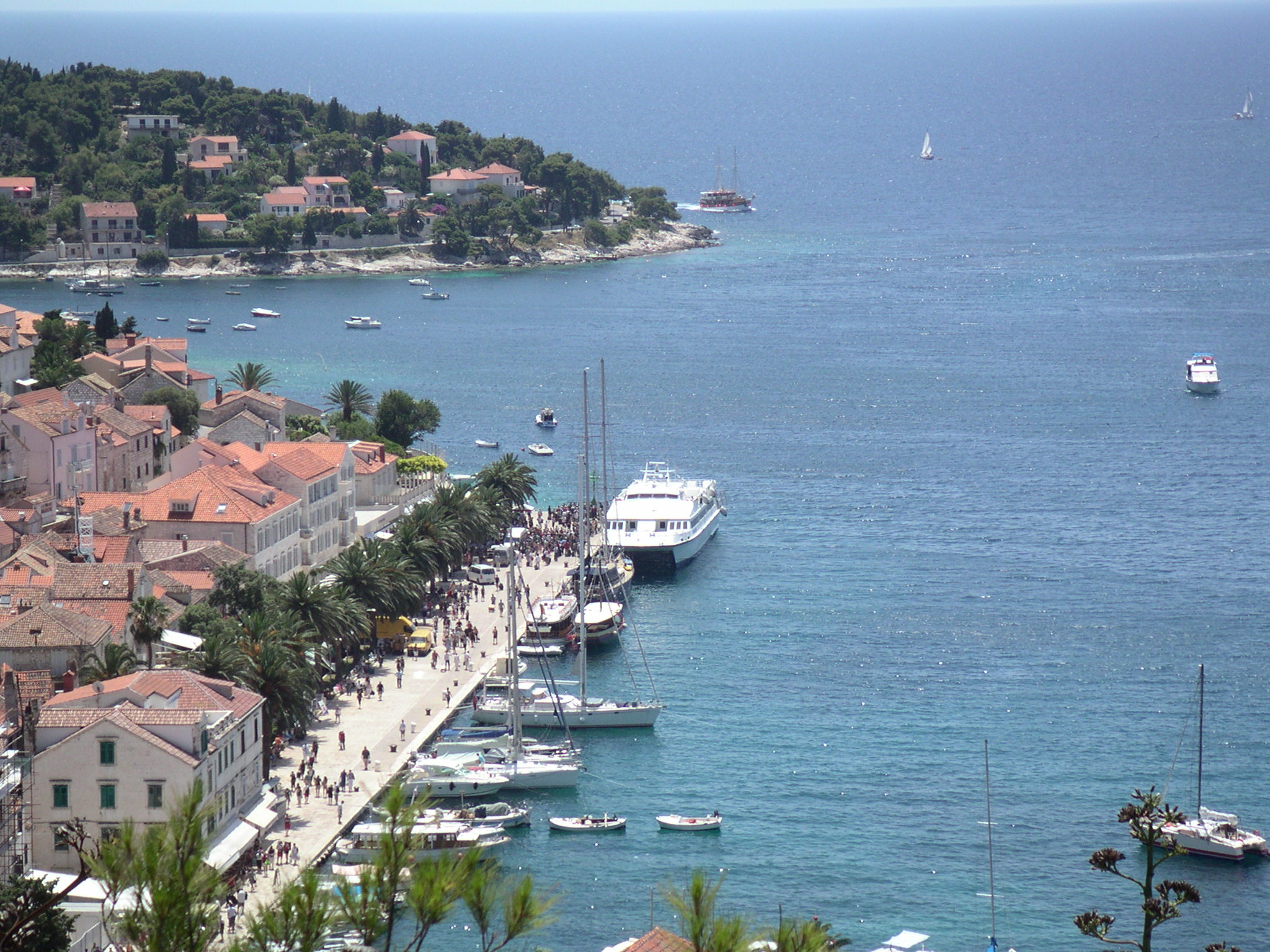
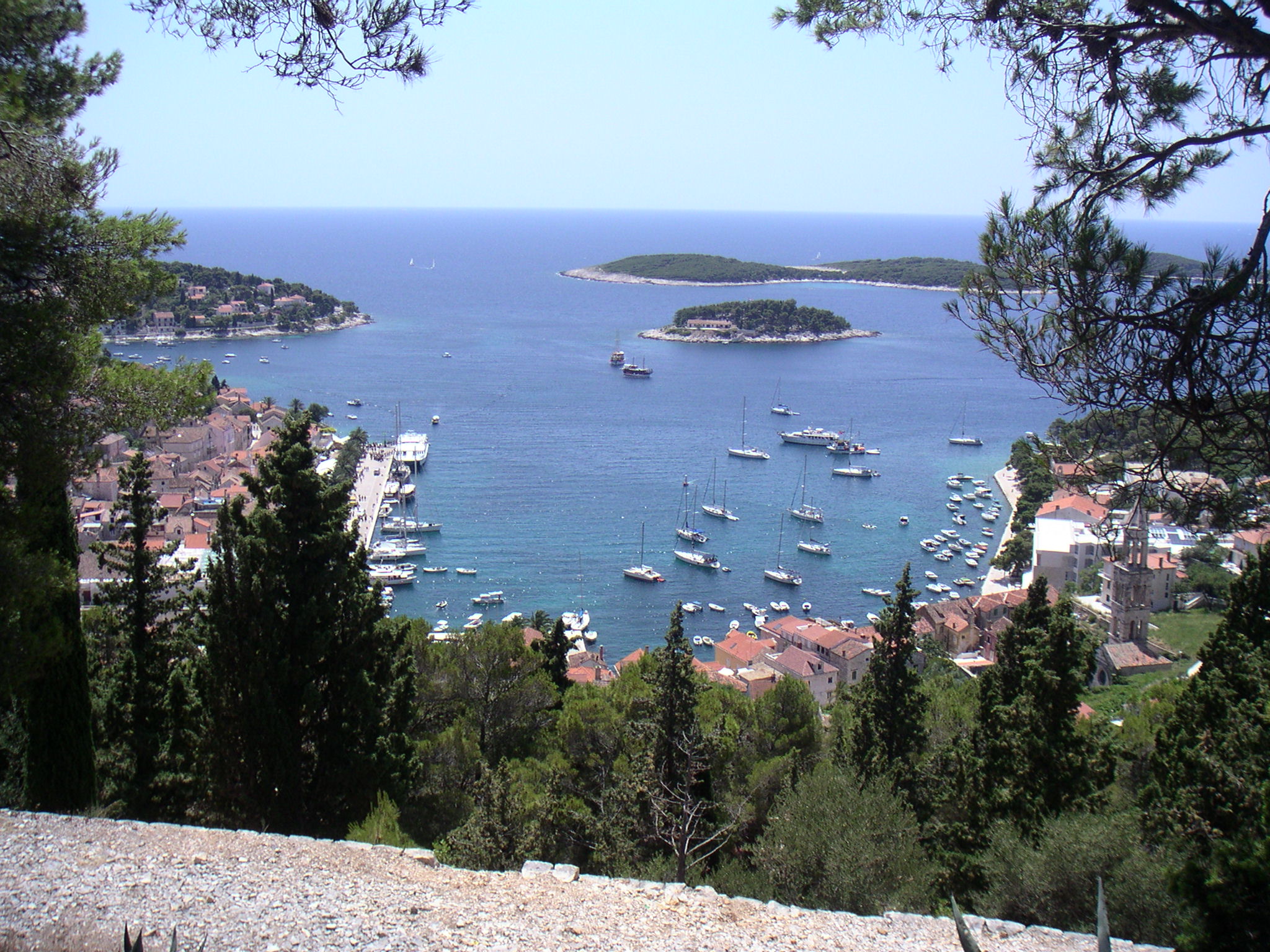
Each island had it’s own personality.  We could be inspired in the morning by nature and arrive in the evening on an island where the ornate buildings evidenced centuries of affluence and commerce long before the Americas entered the world stage.  As you can see, I am way underdressed for this highly sophisticated and elegant harbor town.
 Terry was similarly decked out in his favorite sailing stripes as he walked the gang-plank from the Fortuna to the dock.
As we look at the serenity of the coastal town below, it is hard to believe that only twenty years ago Croatia was involved in heavy fighting that left much of the country in shambles.  It was just as difficult to understand that this wonderful part of the world has seen far more than its share of political and military turmoil from pre-historic times to the present.

There wasn’t an island that we didn’t want to visit longer.  Many of the uninhabited islands are little more than rocky crags dotting the water between the larger islands. They cluster together like hens and chickens.

To show you even more of our favorite sites in the Croatian Islands we will post Part 2 later.

Walking the Streets of San Francisco

Meg has a J.D. in Urban, Land Use and Environmental Law. She focuses on maintaining the balance of community and environmental health, healthy lifestyles, and encouraging sustainable living.

For my birthday last summer, my Uncle John (“Tio”) made me a CD. He does this every now and then, celebrating various occasions. This CD in particular was my California-bound playlist. He and my Aunt Carol (“Auntie”) live out here, so they were particularly excited we were making the move cross-country. For my listening pleasure on the long haul to the West Coast, Tio made me a disc with 20 or so songs, every single one of them about the Golden State.

Though not every song is about San Francisco itself, many of them are about this magical city. About the peaceful, gentle people. About the music. About the protests and the peace rallies. While much of the mindset of these songs was focused around the ’70s and ’80s, you still feel the same energy and movement of the city. For example, the “World Naked Bike Tour” we saw riding near Ghirardelli Square. This group of people found a way to speak out against the consumption of foreign oil while encouraging healthy activity, all with a hippy flare. That is very “San Francisco” to me.

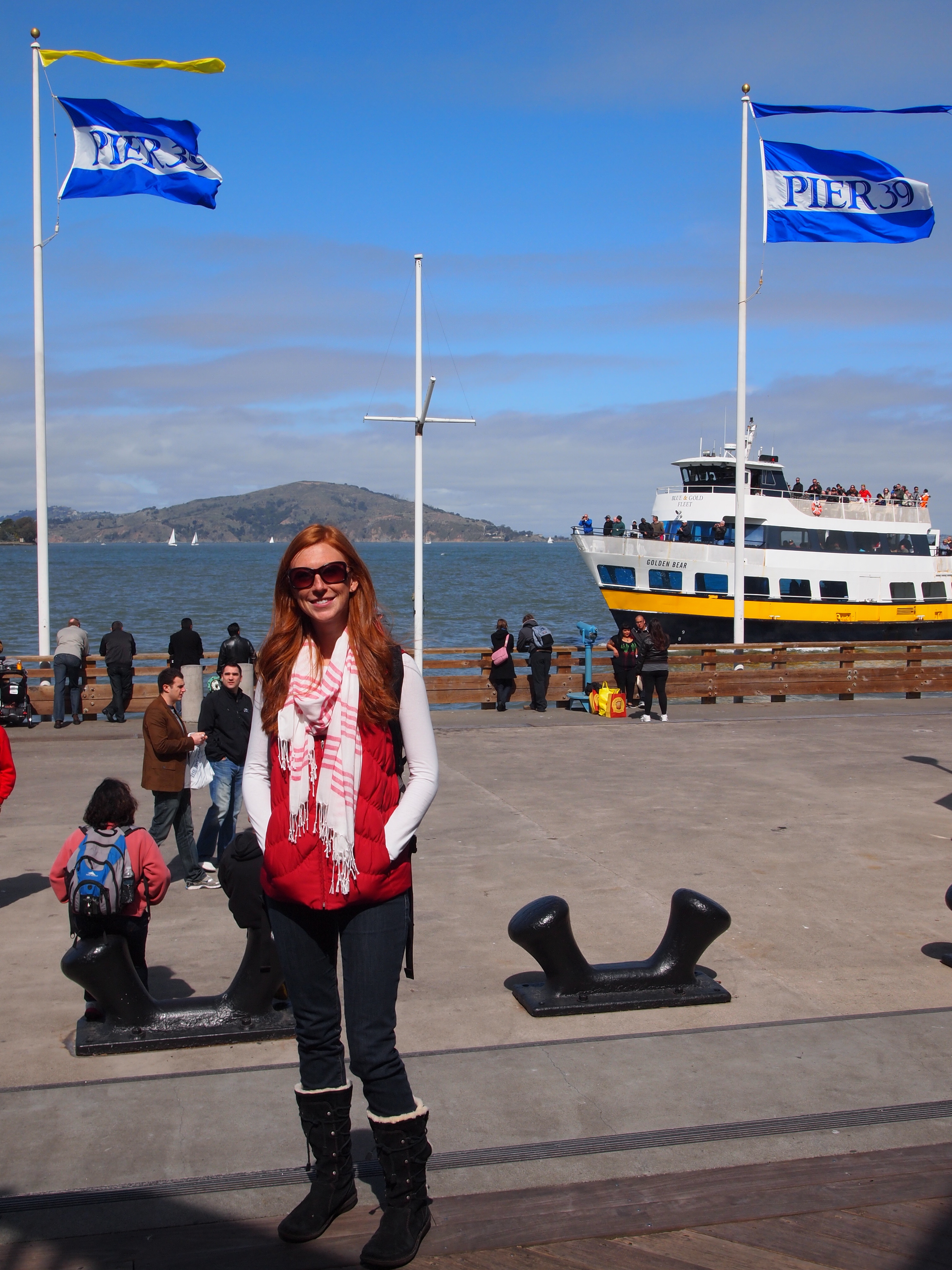
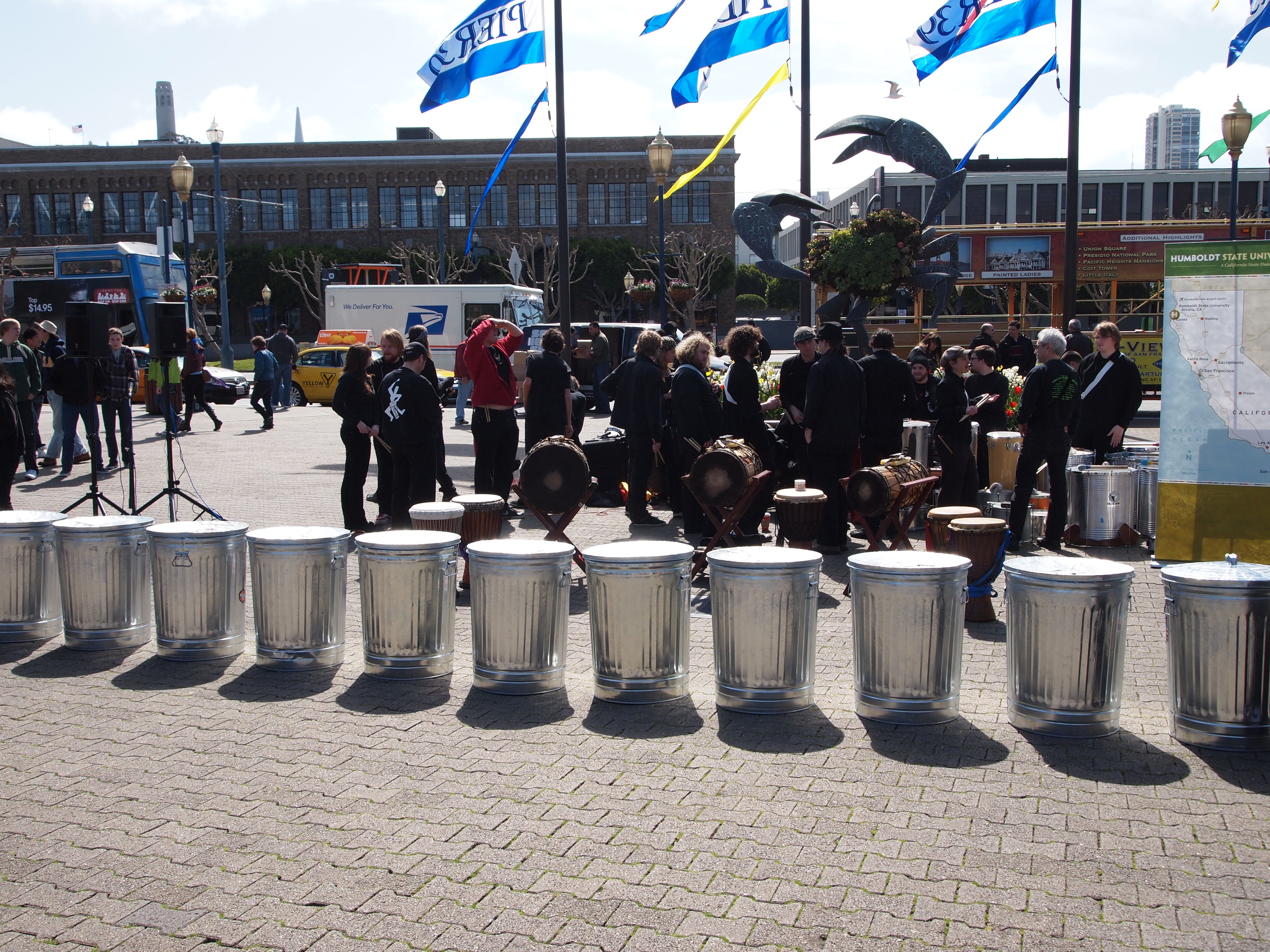
Before the naked cyclists, and before our delicious ice cream cones, Jake and I started the day walking around Pier 39. We were originally planning to do a tour of Alcatraz with Jake’s brother, Derek, but since Derek sadly broke his leg a few days before, Jake and I decided we would do a walking tour of the city instead. We parked near Pier 39 and began exploring from there. One of the first things we came across was the drumming team from Humboldt State University. The students were awesome drummers, the crowd was energized, and it was the perfect way to start off our adventure with an extra kick in our step.

Once we left Pier 39, we walked to Fisherman’s Wharf for a crab sandwich. Yum! I wish we had splurged the calories to get the fries to go with the crab, but we definitely made up for it when we stopped at Ghirardelli for the best ice cream cones on the planet. Then, as many of you may remember from a prior post, we saw naked cyclists! It was becoming quite an interesting day.

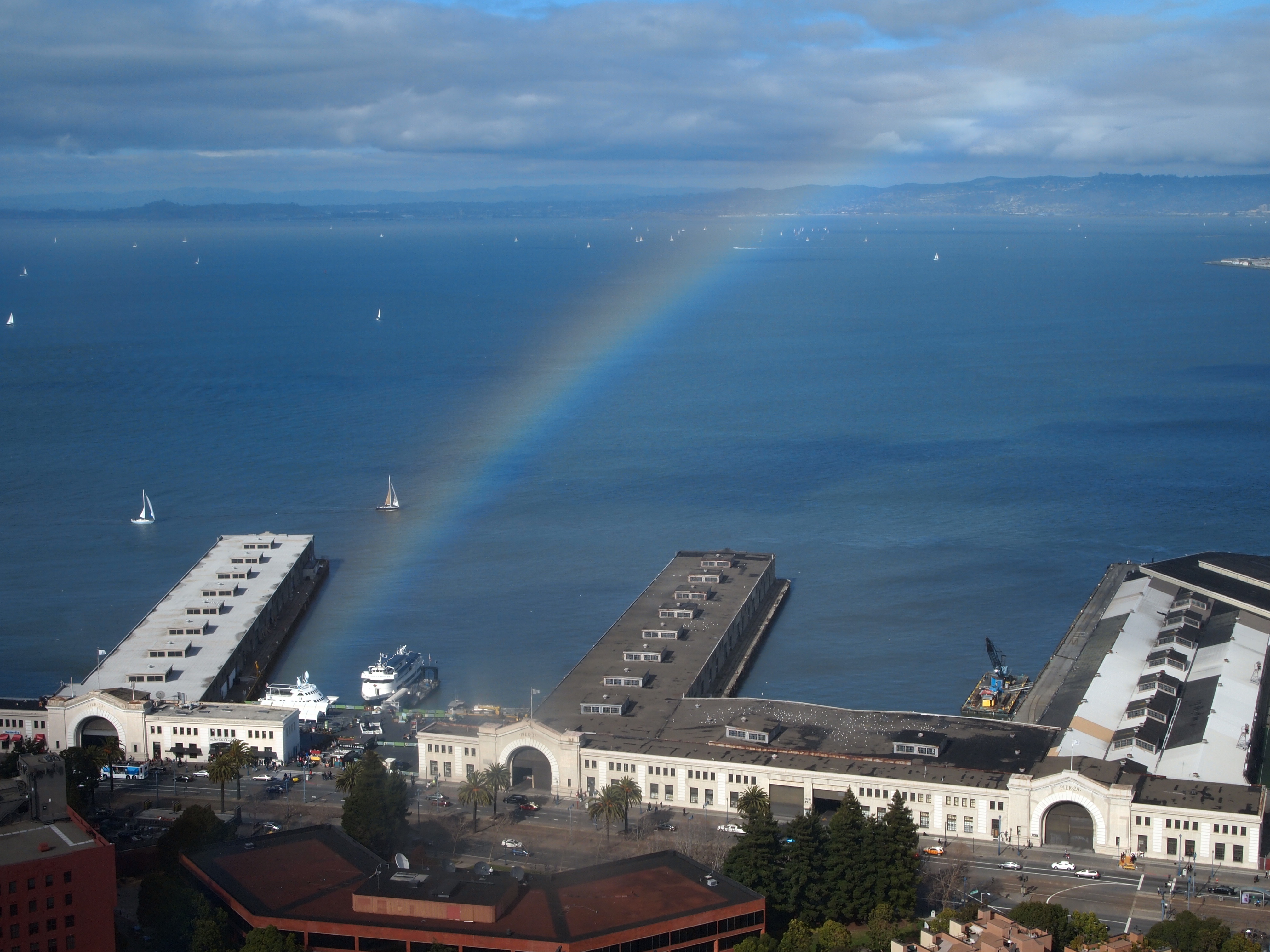
After dessert and a show, we looked at our walking map of the city and decided to make the trek up to Coit Tower. It was a long walk, and there were LOTS of stairs, but the view from the top was worth it. You could see in every direction. From the Golden Gate to the Bay Bridge, and back through the climbing hills of the city. We even saw a full rainbow, from end to end, springing from a pier and back down into the bay.

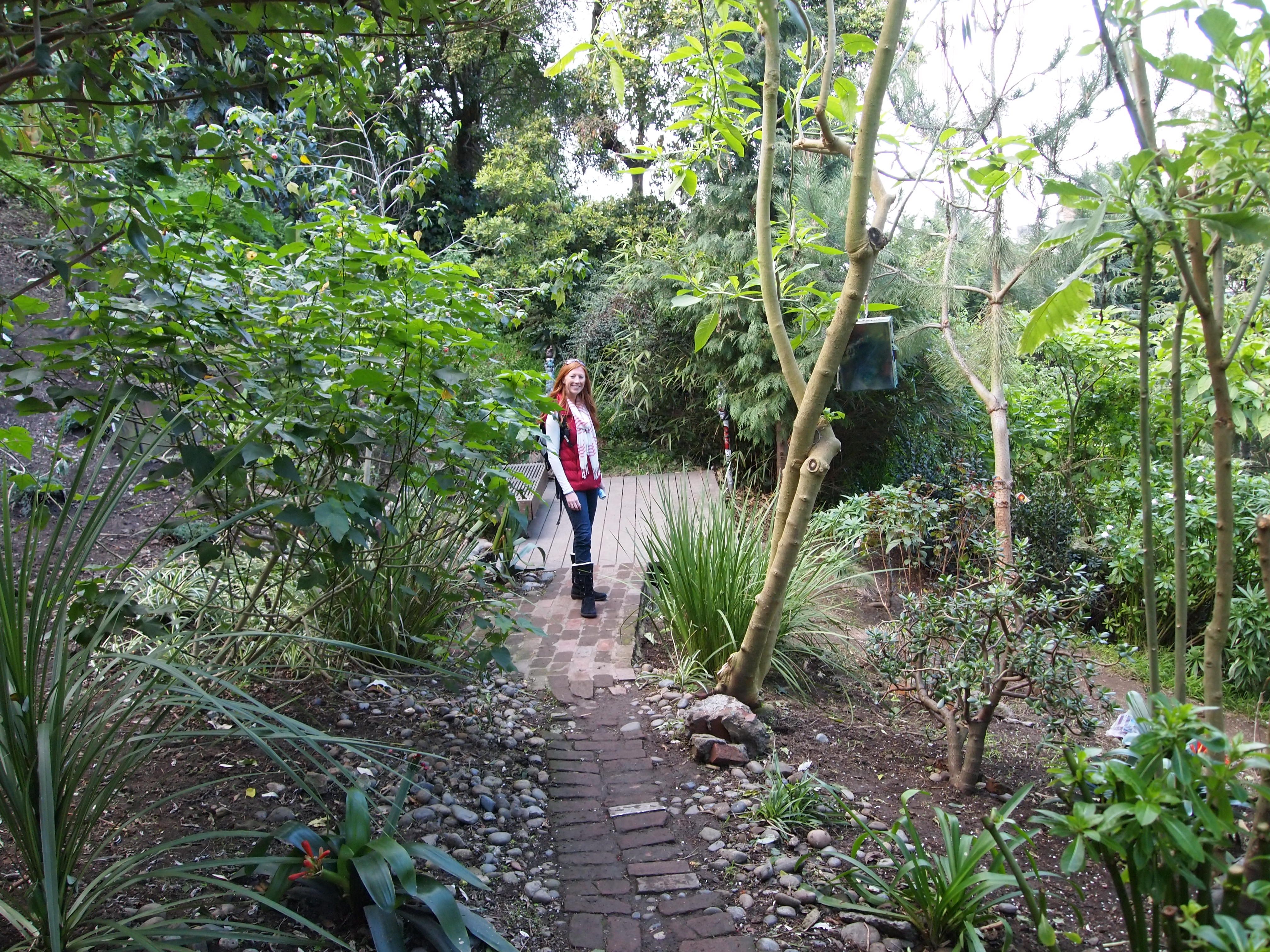
So, we had dessert, a show, and then a nice hike to burn off our delicious calories. We then hiked down through the many steep stairs on the north side of Coit Tower, past a quaint little cluster of apartments and a few small neighborhood gardens. We found a little oasis along those steps, where the noise was completely blocked by the steep cliffs of Telegraph Hill and the charm was maintained by the lush surrounding greenery. While I don’t know how we could possibly make a place like that work with our two greyhounds, it is certainly a peaceful nook of the city I would visit again.

It was a beautiful day, not to mention very good exercise. San Francisco has so many places to explore, and we only touched on a few them. I guess the good news is that we have plenty of time to explore the rest. Why? Because we live here!

A Rare and Precious Pearl–Dubrovnik, Croatia

It is Lord Byron who first described Dubrovnik as the Pearl of the Adriatic.  An ancient commercial and trading city, it was declared a UNESCO World Heritage Site in 1979.   It’s massive stone walls, erected from the 13th and 16th centuries, seem to rise out of the sea.

The harbor, now filled with pleasure boats, once made Dubrovnik a center of trade and commerce and brought great wealth to the region.  It ws settled as early as the 7th century.

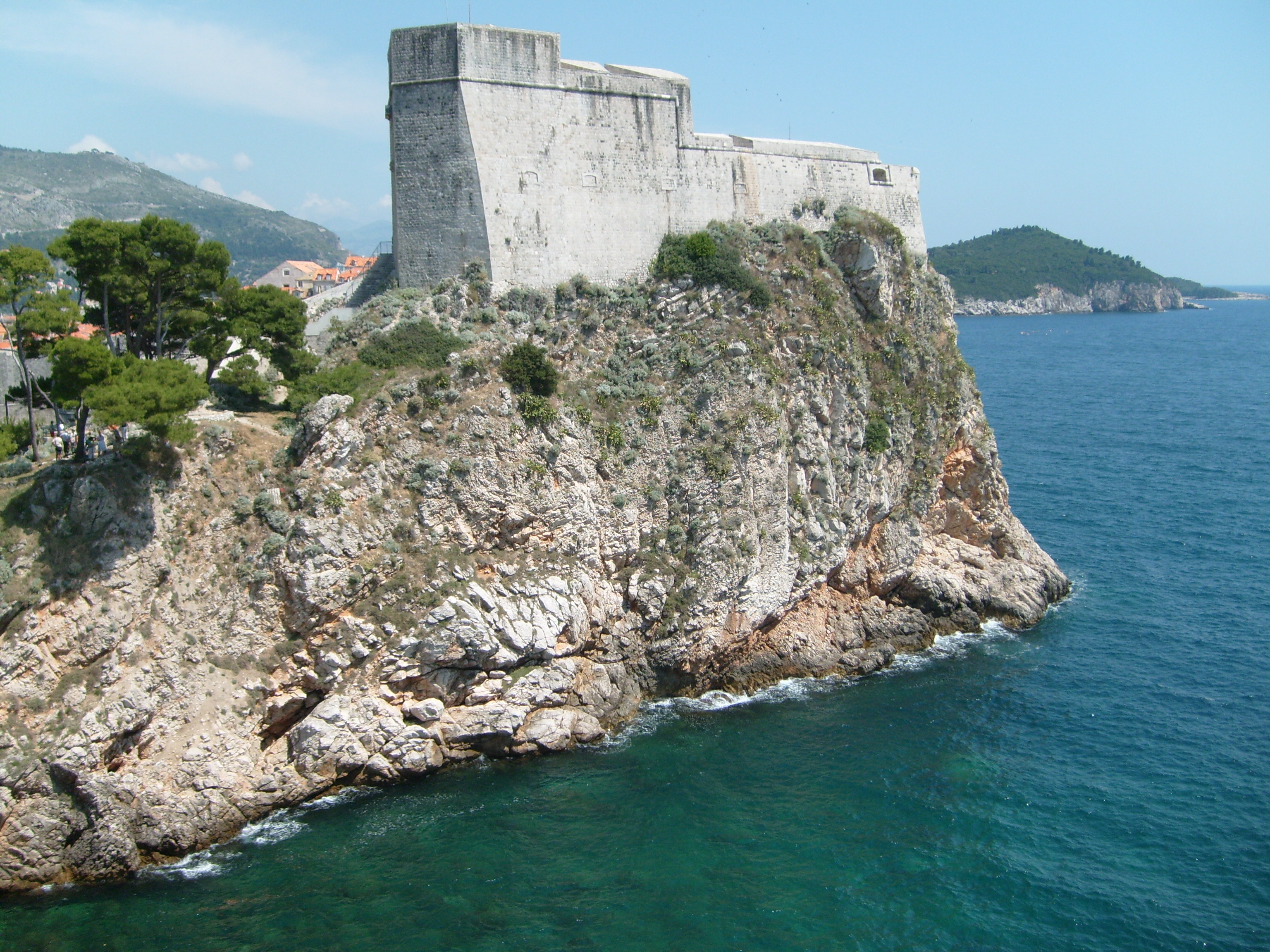
A fortress sits outside the walls of the city, protecting the harbor and its citizens from ancient dangers.

As you approach the walled city, you are greeted by ceremonial guards straight from central casting.

For many years Croatia, like many of the former Union of Socialist Soviet Republic, was nearly inaccessible to Westerners.  In 1991, Croatia separated from  Yugoslavia, and, as a result, Dubrovnik became embroiled in the upheaval between the Serbs and the Croats,  sometimes called the Balkan wars or the Croatian War of Independence.  There is little left to remind us of the Siege of Dubrovnik in 1991-1992.  Most poignant is the Rooms of Remembrance for the defenders of Dubrovnik, mostly teenagers, whose images from the wall remind us of the our own children.  The destruction of the city itself, while extensive, is no longer in evidence. The churches, homes and public buildings have been rebuilt and now appear untouched by war.

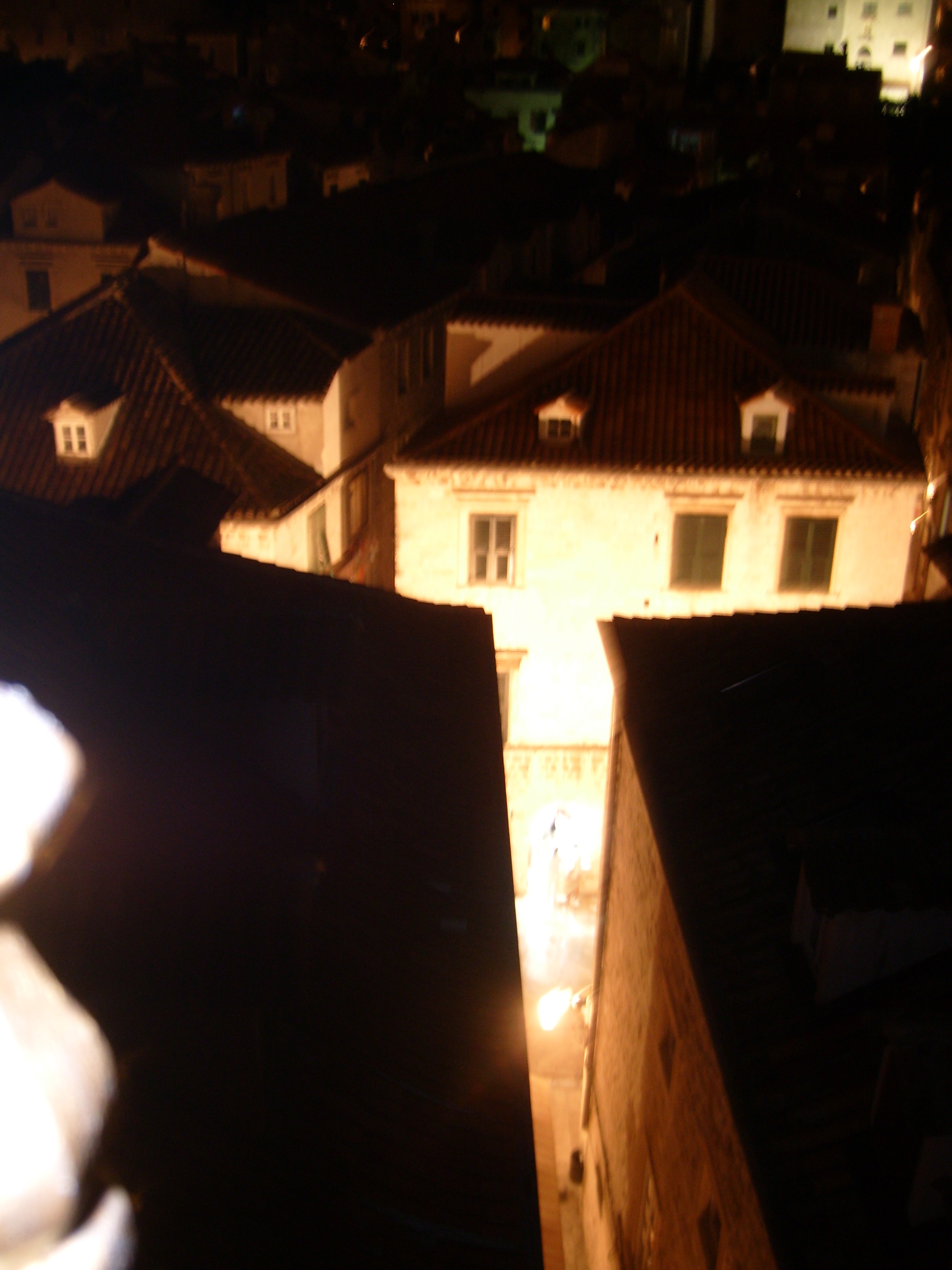
The walled old city includes only two hotels.  One was very expensive.  We stayed in the other one.  While the amenities were sparse, the rooftop view made any inconvenience irrelevant.  At night it was almost otherworldly.  

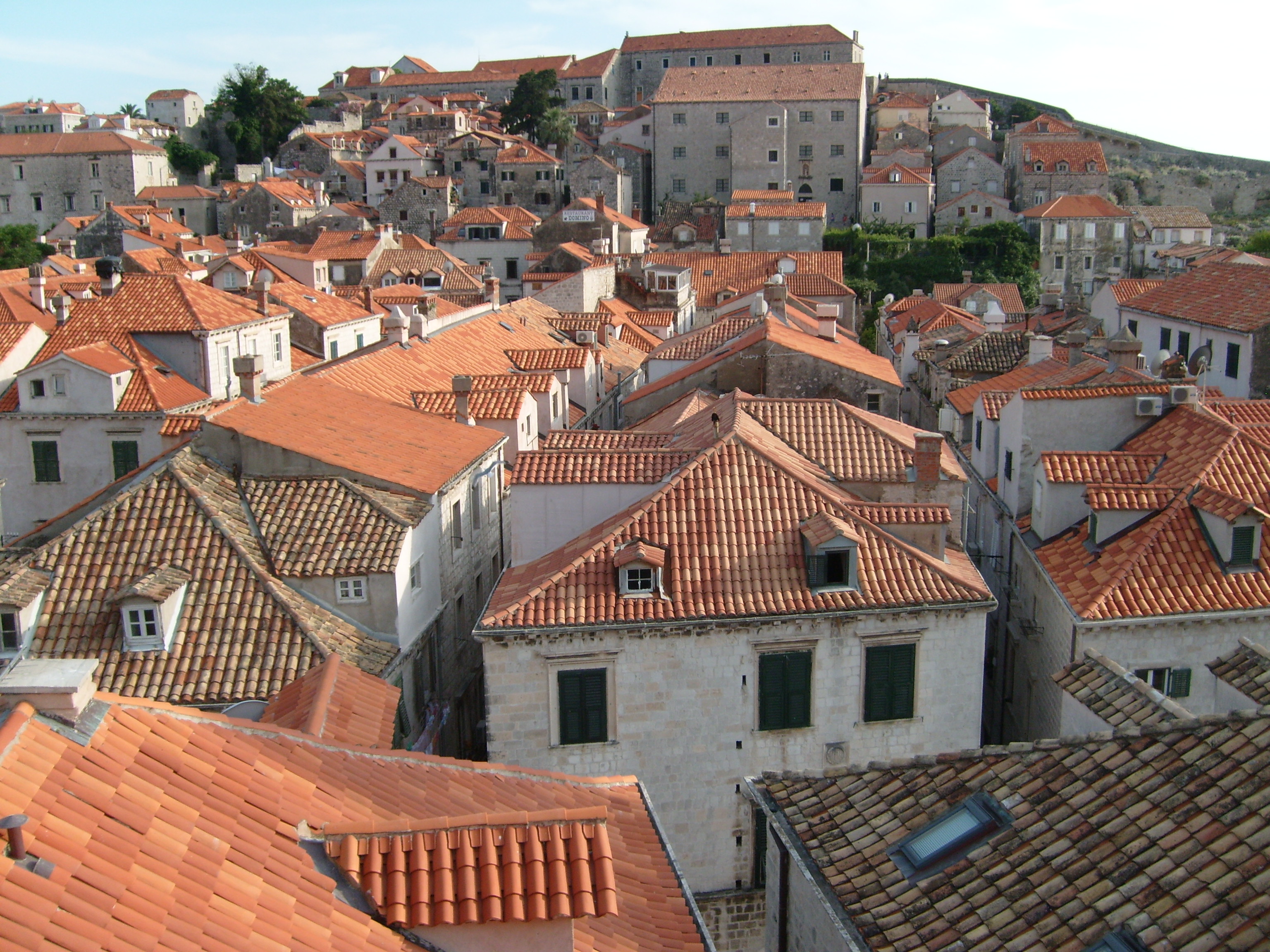
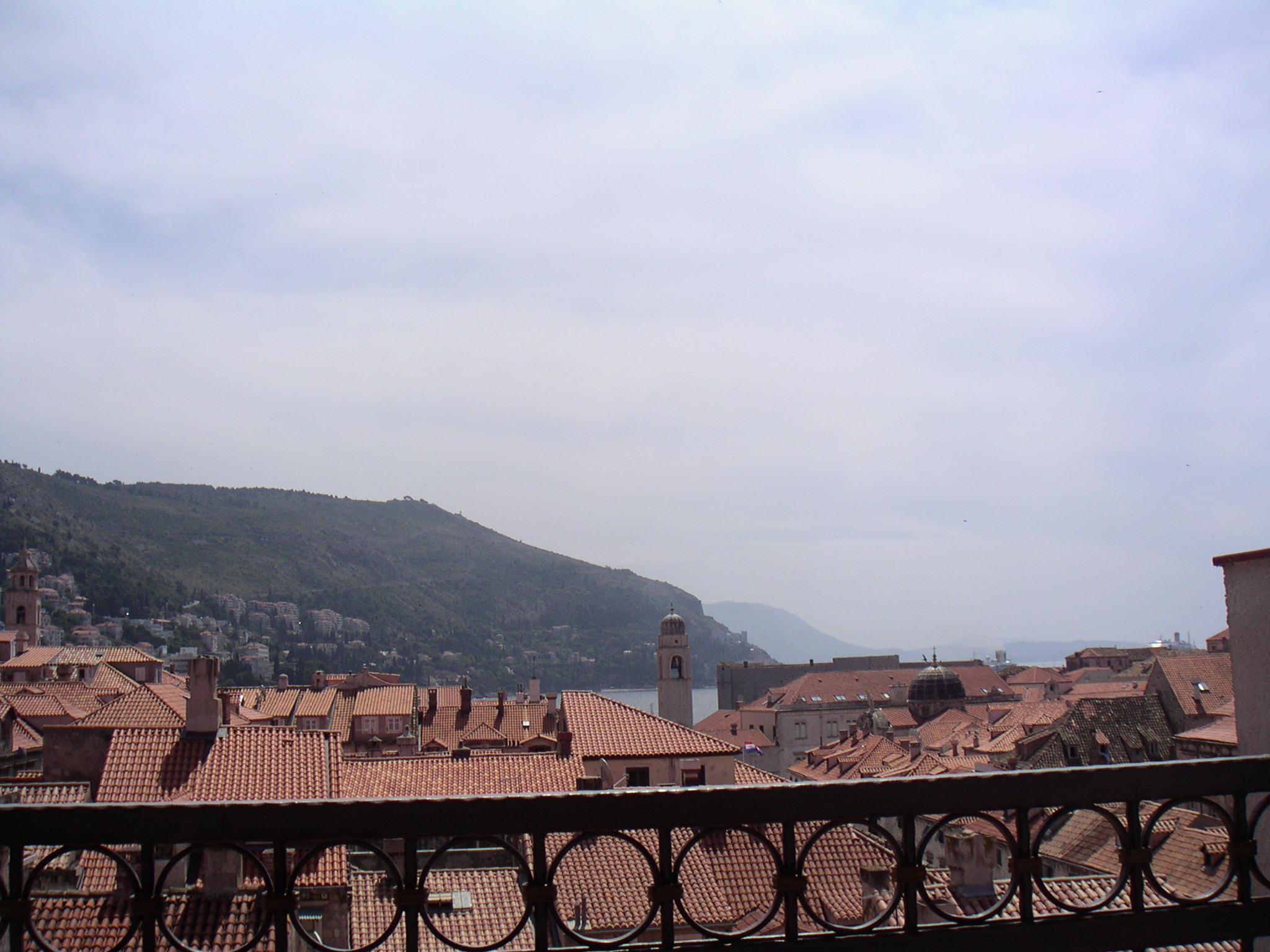
In the daytime it provided a view of a rooftops and buildings in a large section of the city.      

Walking the narrow streets was an experience all to itself.  Like many medieval cities, there is no motorized transportation.  Walking is not the challenge, finding our way through the maze of streets to our destination, was another matter.  Fortunately, there were plenty of cafes where we could sit, watch the natives and the tourists and enjoy the company of friends.

Point Reyes Lighthouse: a great place to spend the afternoon

Meg has a J.D. in Urban, Land Use and Environmental Law. She focuses on maintaining the balance of community and environmental health, healthy lifestyles, and encouraging sustainable living.

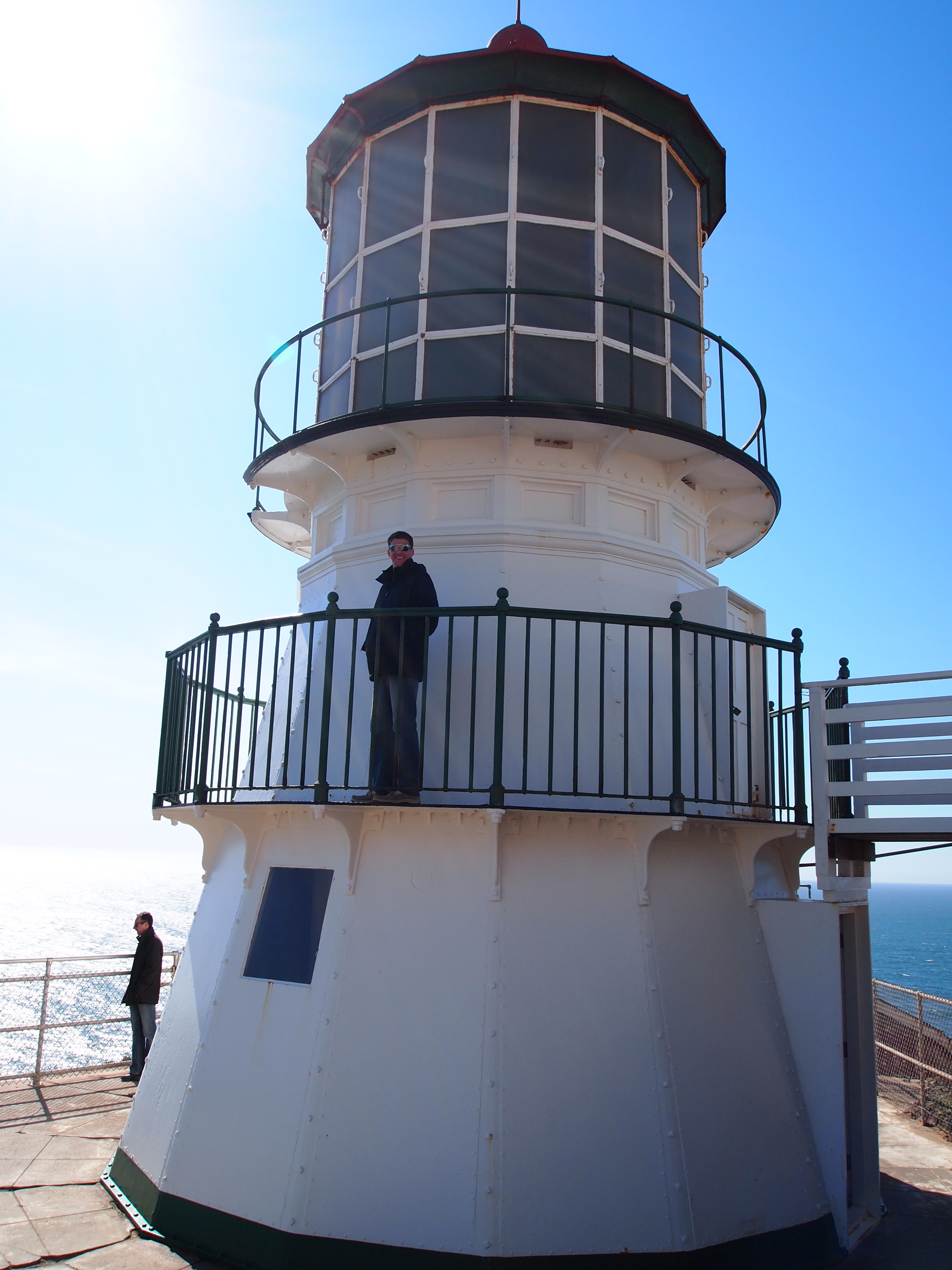
Once Jake and I got back from Fiji, we were sad we had to leave the sandy beaches and warm sunshine. Of course, we were happy as clams to get back to our babies, Lily and Cousteau. Still, we missed the ocean. Then it dawned on us. We LIVE right by the ocean! The big Pacific. So off we went on an afternoon adventure to the Point Reyes Lighthouse.

To get to the lighthouse, you first have to drive into Point Reyes National Seashore, which is part of the U.S. National Park Service. It is such a beautiful drive. Along the small two-lane road you see nothing but hills, green grass, lots of cows, and historical ranches. The historical ranches date back to the mid-1800s, and I believe they are all still operated to this day.

So here we are, driving perpendicular to the coast, heading south through Point Reyes National Seashore. It’s a great, big peninsula, taking approximately 30 minutes to drive from the main entrance all the way around to the lighthouse. The drive there is amazing, but once you park in the little circle lot outside of the lighthouse entrance, you can’t help but feel you’ve stepped into a coastal paradise.

It’s not hot beach weather, but the sun is shining and the waves are rolling into the coastline. To the south you can see the Farallon Islands sitting about 20 miles away, and to the north, you can see miles of Point Reyes beaches with incoming waves.

It’s about a half mile walk to the upper buildings, which include a little shop and visitor center. Then, 308 steps descend down to the lighthouse. It sounds like a lot, but it’s totally worth the climb. The day we were there, a small group of locals had gathered with huge cameras and binoculars to look for the grey whales migrating back north. We were even lucky enough to see a few blow spouts!

So, we got the see the ocean again, and we didn’t have to fly anywhere to do it. Living in California is quite incredible, especially with places like the Point Reyes Lighthouse right in your backyard.

Life in an Old Tree

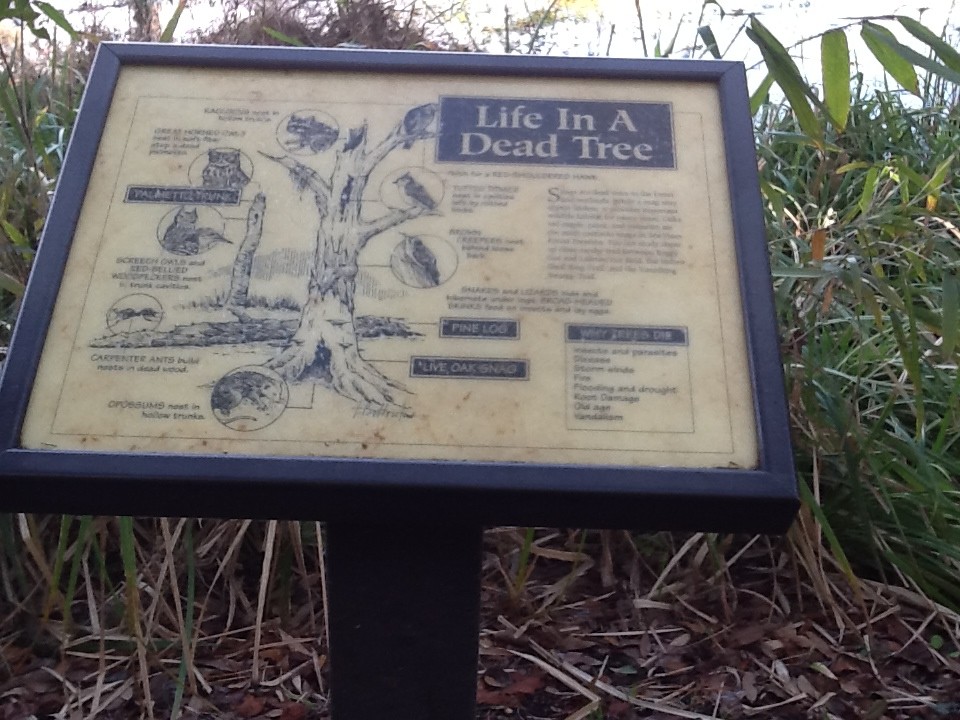
“Life In A Dead tree” reads the sign abutting the nature trail at Sea Pines, Hilton Head. While others may consider a dead tree to be–well, dead–at Sea Pines, the tree is viewed differently, as teeming with life, nurturing life and protecting the environment.  Dead trees are considered to be so valuable that you may need permission to remove a dead tree.


What possible benefit is the protection of a dead tree?  Read the sign!  Dead trees provide a nesting place for birds and small animals while providing building material for their nests.  A fallen tree provides ground cover and shade.  It can provide a breeding area for insects (for good and bad). It provides shelter for small animals and birds from predators, large and small.  It creates a barrier to wind, protecting the soil from erosion.

At the end of the process of decay, it fertilizes and nourishes the earth, providing the nutrients that constantly renew the forest.  A tree submerged in the water provides a place of safety for fish and other aquatic life.  All things considered, there is still plenty of life in that dead tree as it supports and protects new life around it.


The Beautiful Sights of Fiji

Meg has a J.D. in Urban, Land Use and Environmental Law. She focuses on maintaining the balance of community and environmental health, healthy lifestyles, and encouraging sustainable living.

One of the first things you see when you land in Nadi airport is the Mountain of the Sleeping Giant. You can see the outline of the Giant’s face, the mouth, the nose. It is quite an amazing sight.

After a few days of enjoying the Fijian culture and hiking through the jungle to see the caves previously used by local tribes in the 1800s, Jake and I decided to do a little driving tour of some of the local sights. We visited the town of Lautoka, went to the Garden of the Sleeping Giant to see all the beautiful orchids, and covered ourselves with mud at the mud pools and hot springs.

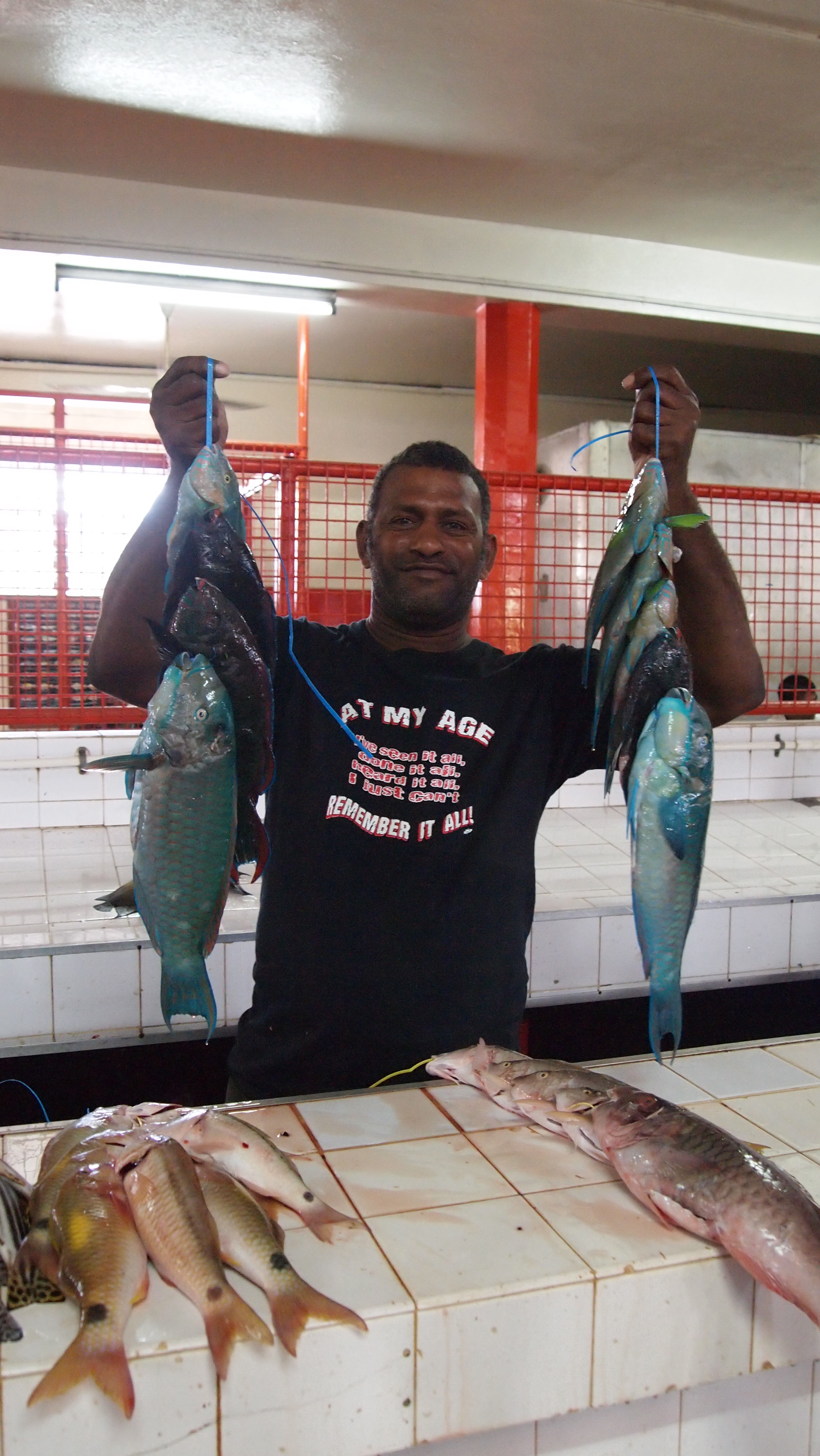
Our first stop was the town of Lautoka, where we visited the market. There were not many tourists here, so it gave us the opportunity to see what a normal day in the market in Fiji looks like. We saw the fruit and vegetable stands, the spice stands, and even the “fish room.” It was quite fascinating to see the giant room dedicated to the market. I don’t know if it operates every day at the same level, but there certainly were a lot of merchants there on a Friday morning!

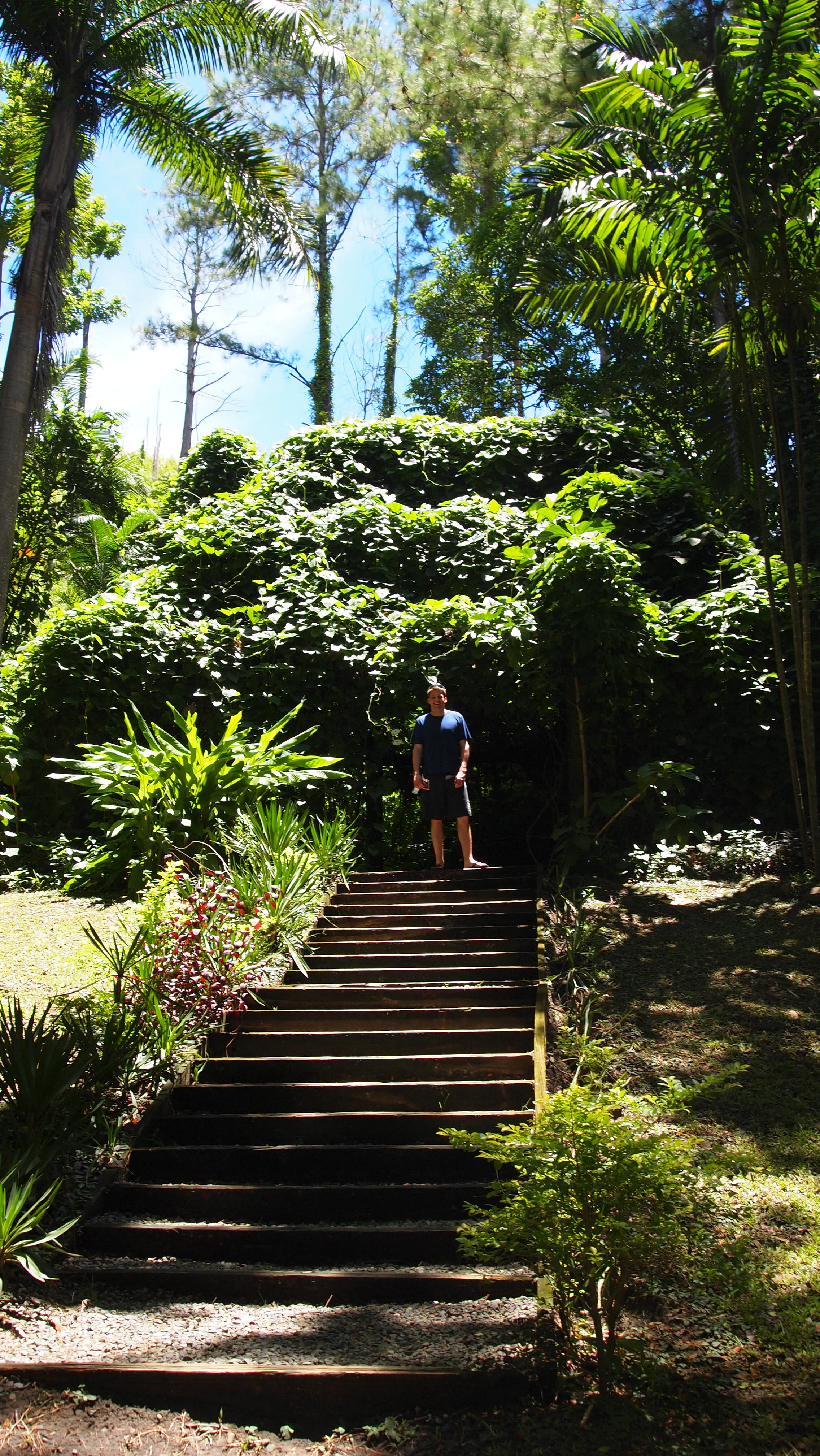
Next, we drove to the Garden of the Sleeping Giant, which sits at the base of the Mountain of the Sleeping Giant. In this garden, there are over 200 species of orchids. They are stunning. At every turn you see some new flower you never new existed, all with a backdrop that is positively breathtaking. We saw ponds, walking paths into the hills, and huge clusters of bamboo trees. There was also a little hut at the top of a rock staircase, which looked perfect for ceremonies and special gatherings. Below, a lawn surrounded by lush green and tropical beauties.

Upon finishing our enamoring stroll through the Garden, we continued on to the mud pools. To the people of Fiji, these pools are believed to have healing powers. The guide at the pools told us a story of a man in a wheelchair who was told he had no chance of walking again. He came to the pools in hopes of being healed. Sure enough, after sitting in the believed healing waters of the pools, he stood up, climbed out of the pools, and never used his wheelchair again. I do not know if it was the power of the water or the power of faith, but it was an inspiring story nonetheless. For us, it was a way to recharge after a few very busy days. I probably wouldn’t cover myself in mud again, but the hot springs were quite nice.

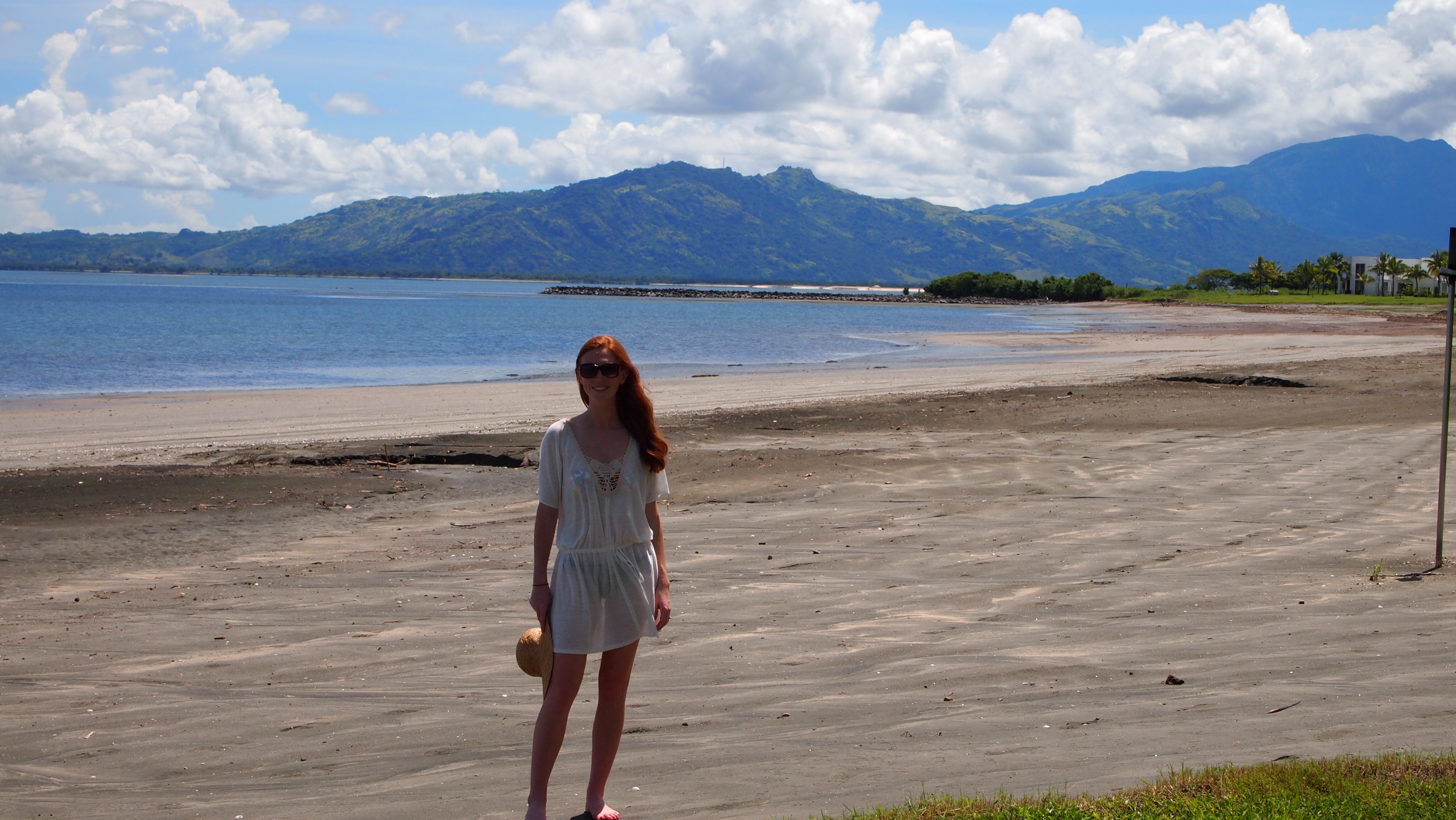
After returning from our day of exploring, we decided to take a walk on the beach. We found a little place by the water and had dinner on the sand. We watched the sunset, reflected on our day, and we continue to be in awe of the beauty and culture of this country. Fiji is such a magnificent place, you never know what natural beauty you may stumble upon next.

The Islands of Fiji: a small piece of Fijian history

Meg has a J.D. in Urban, Land Use and Environmental Law. She focuses on maintaining the balance of community and environmental health, healthy lifestyles, and encouraging sustainable living.

The Fiji Islands are home to many fantastic resorts and beautiful beaches. There are a million things to do while there, and the people are unbelievably friendly. As a history major in undergrad, I am always curious how a place becomes what it is. What makes the people the way they are. Why things are as they seem. We learned a little more about Fiji our second trip around, and there are a few things I find particularly fascinating.

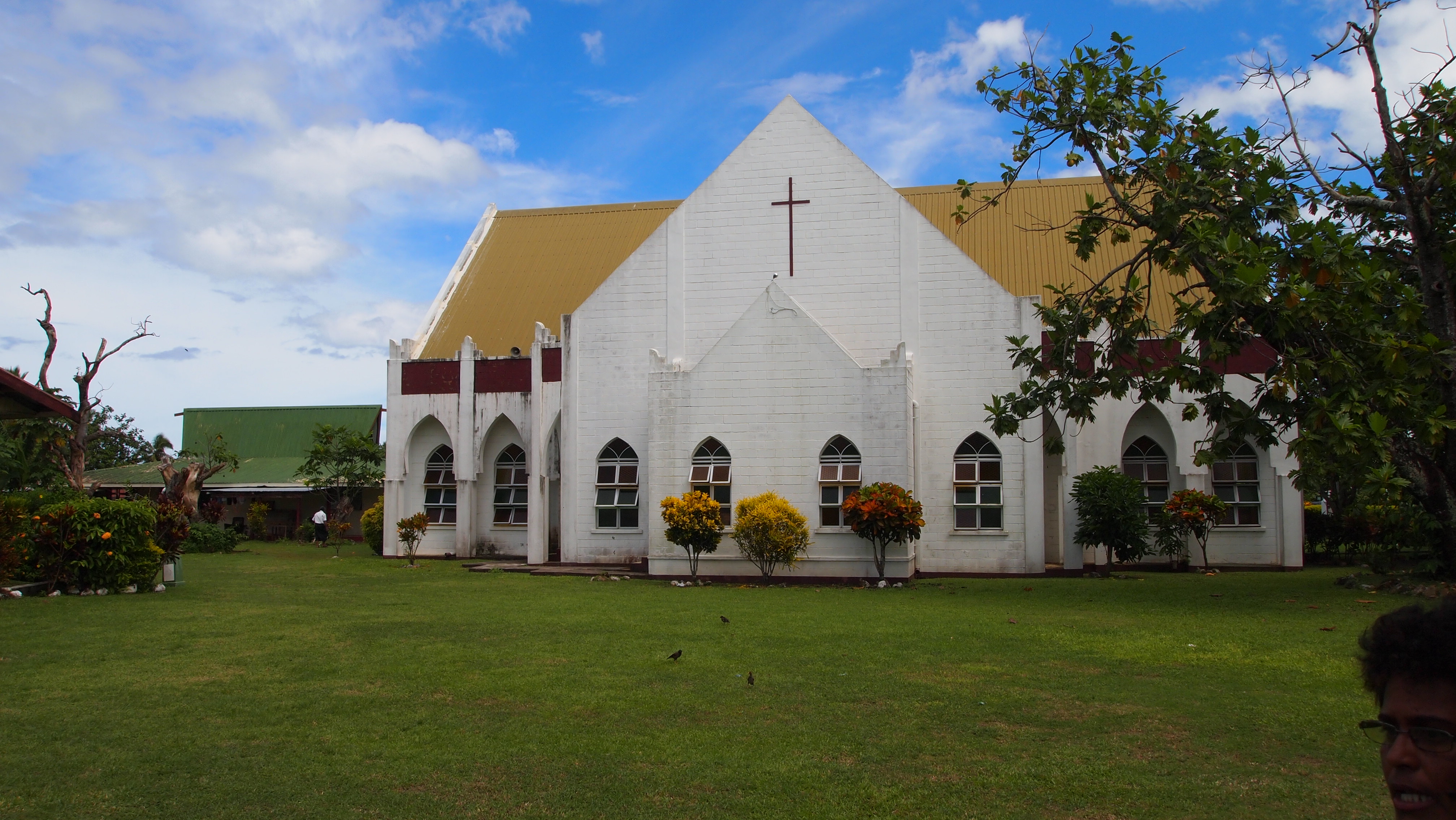
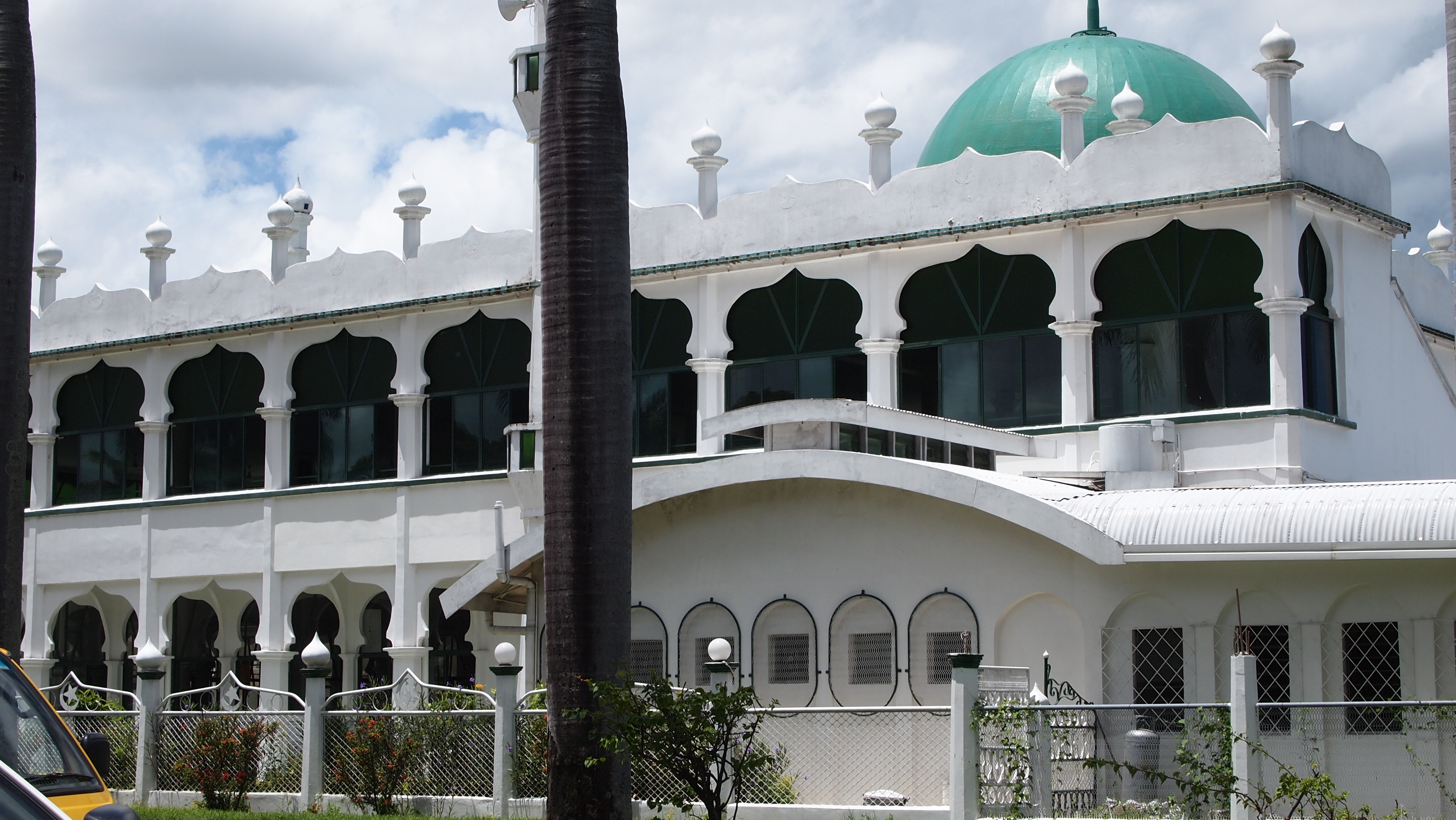
The first thing you will notice in Fiji is that there are two dominant ethnicities: native Fijian (who are primarily Christian/Methodist), and Indian (primarily Hindu). There are also a number of people of Tongan descent, also from an island in the South Pacific, but Fijian and Indian are the prominent ethnicities.

During one of our tours to a village up in the hills, we passed many sugar cane fields along the way. This has become Fiji’s primary agricultural product over the last 150 years. Apparently, before sugar cane, there were many different crops that the Fijian people tried to grow unsuccessfully on a large-scale. When the British began occupation of Fiji in the 1870s, they found sugar cane took well to Fijian soil. The only problem was that the Fijian people were not familiar with sugar cane, and they had no idea how to grow is well. In 1879, the British brought thousands of workers from India to spend a decade in Fiji building the sugar cane industry. At the end of their 10-year contracts, only one out of every 10 Indian workers wanted to leave, and thus developed a new local population. Today, Native Fijians make up about 50% of the population, and Indians account for roughly 45%. The rest are those of us from the States, New Zealand, Australia, etc. who love Fiji so much, we just decided we want to live there. (Obviously, I’m not in that category yet. I just love it so much, I feel like I should be!)

Sugar cane continues to be Fiji’s #1 agricultural product. The only greater industry for Fiji’s economy is tourism.

Another fascinating thing we learned about Fiji is that is used to be known as the “Cannibal Isles” because many of the tribes practiced cannibalism. This was many years ago, of course, but something I had not actually thought about existing in the last few hundred years. Circa 1867 was supposedly the last act of cannibalism in Fiji. It was a time-honored tradition, where tribes would eat their enemies during times of war. The Chief, or “Ratu,” would eat the enemies’ brains to gain knowledge. The warriors would eat the enemies’ muscles to gain strength. The last act supposedly occurred when an English missionary and his caravan of Fijian methodists met the Chief of a small village. The missionary touched the Chief’s head. Apparently, this was not okay, because the tribe then killed the missionary, along with his Fijian followers, and the tribe ate them in response to what they considered an act of war.

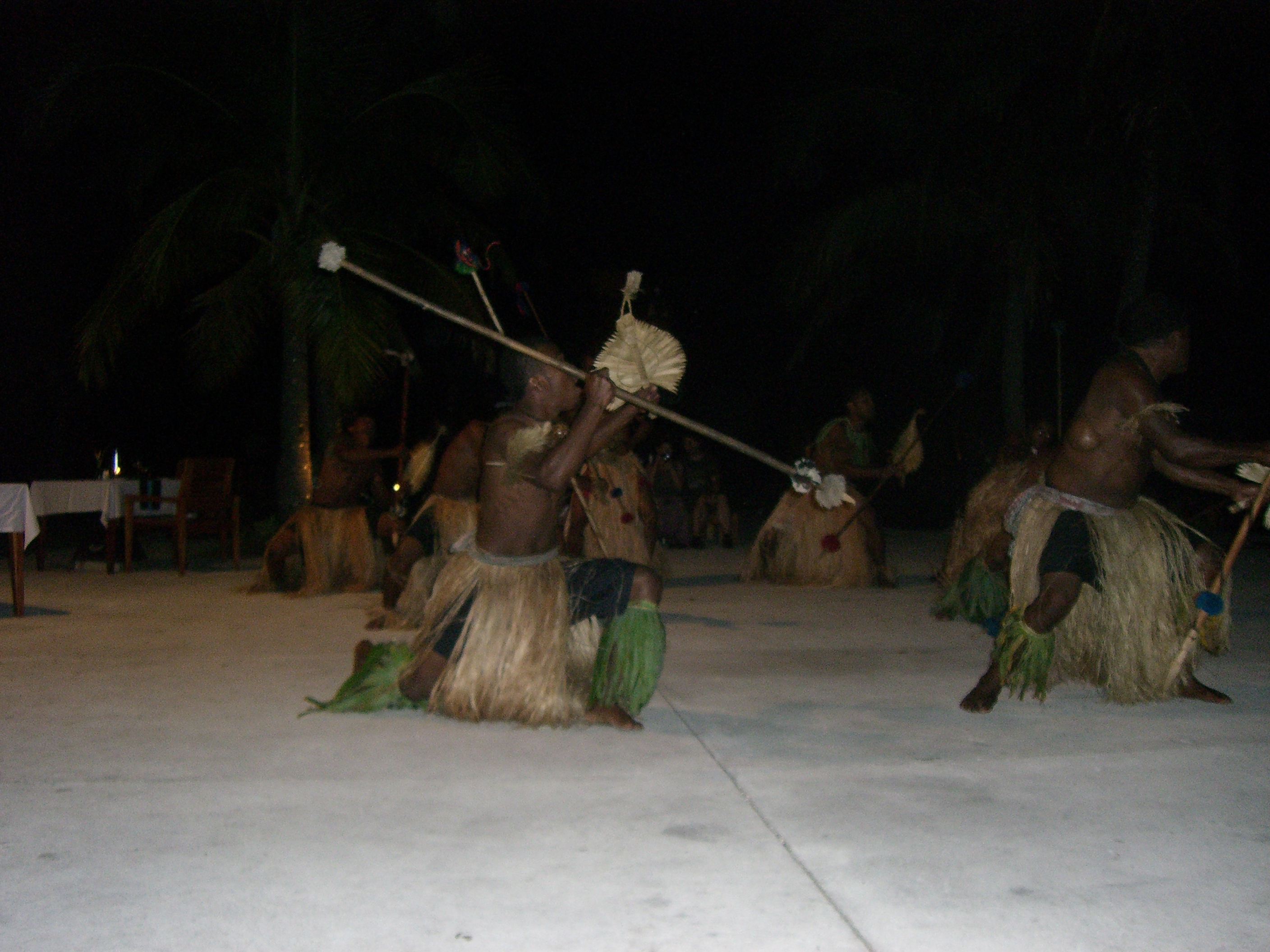
This photo was taken during our first visit to Fiji, in May 2010. The resort has activities every evening, and this was a demonstration of a traditional Fijian dance.

I wonder whether this was actually the last time cannibalism was practiced in Fiji, or whether it was simply the last to be documented. My husband points out that cultural and religious traditions do not die easily, that people often continue to practice their beliefs even after they are encouraged (or ordered) not to. I wonder if that piece of Fiji’s cannibal history is part of the reason the people are so much the opposite today. Every single Fijian person I’ve met is very welcoming to outsiders. I don’t think I’ve ever even seen a Fijian in a bad mood. Perhaps in modern times, the Fijians all grew together in a way. With transportation and communication so easily accessible, they could have grown into a common understanding and a common community, even if they each come from a different village.

The more I learn about Fiji’s history, the more I want to learn! It truly is a beautiful place, and the history only adds to the adventure. I look forward to learning more in the future.

The Islands of Fiji: “Bula!”

Meg has a J.D. in Urban, Land Use and Environmental Law. She focuses on maintaining the balance of community and environmental health, healthy lifestyles, and encouraging sustainable living.

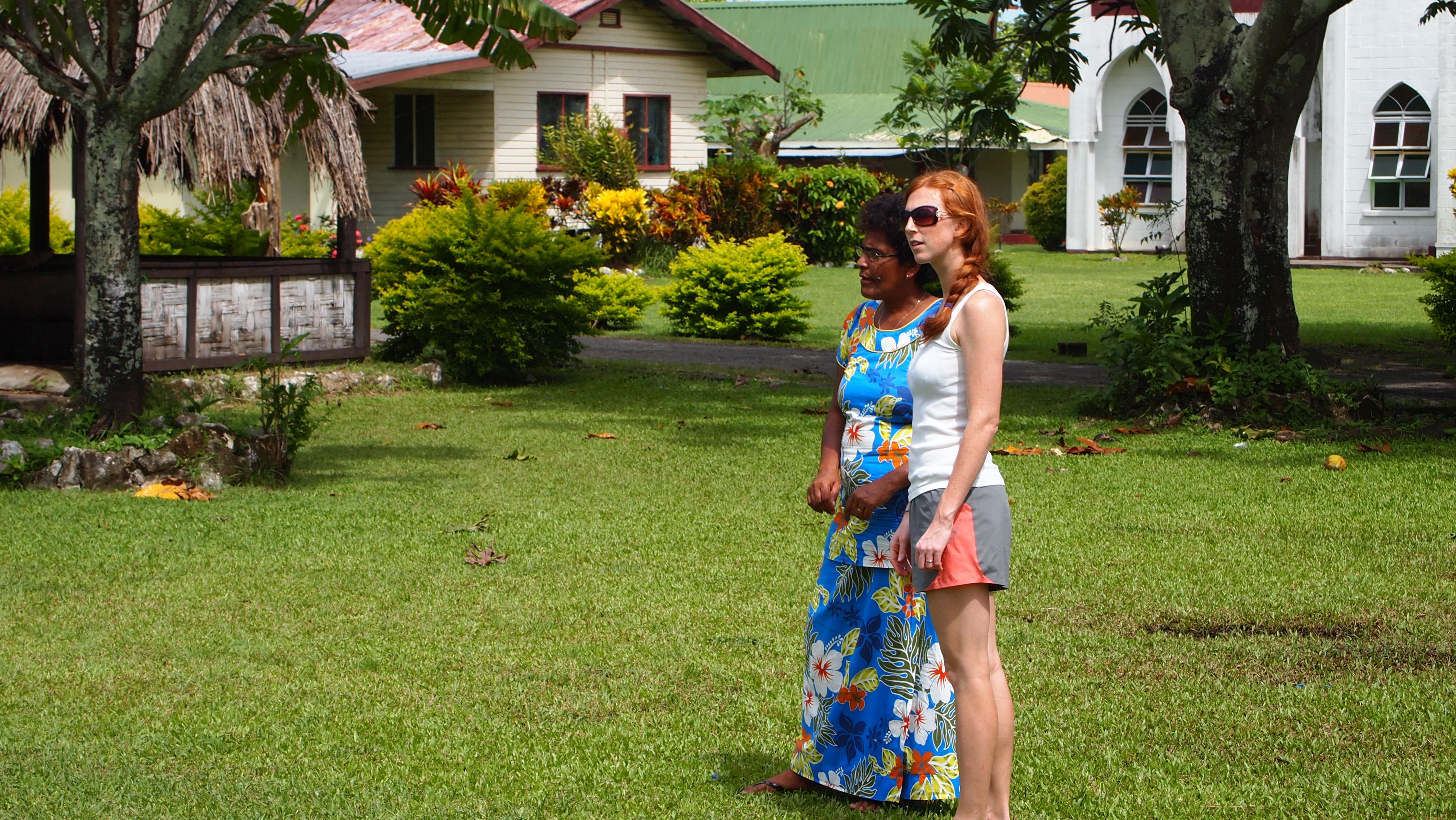
My husband and I went to Fiji for our honeymoon in May 2010. It was an amazing experience. Not only is it a beautiful place to spend a relaxing holiday, but it is also a country filled with generosity, hospitality, and a commitment to family, friends, community, and mother nature. We stayed on Denarau Island, which is a resort-style community outside of Nadi town, on the west side of the main island of Fiji, Viti Levu. Denarau is more Westernized than I’d like to admit, but it is also a perfect jumping-off point for touring the main island and nearby island chains.

For our second trip, we knew we wanted to experience more of Fiji’s culture. See the Garden of the Sleeping Giant. Visit one of the many traditional villages. Hike through the jungle. We were able to do all of those things, and still come up with a long list of things to do for our next trip. Visit the “big city” of Suva. Hike the Mt. of the Sleeping Giant. Visit the island where Castaway was filmed. Lots of things.

Every morning when you wake up in Fiji, you can’t help but walk out your door and smile at the world. The people take such pride in the land, they take care of each other, and every single person you see will greet with a cheerful, “Bula!” and a smile. “Bula” is a lot like “Aloha.” It means, “Hello,” “How are you,” and “Great to see you,” all in one simple word. I will miss hearing that word until the next time I am able to visit that magical place.