Night views of the Country Club Plaza

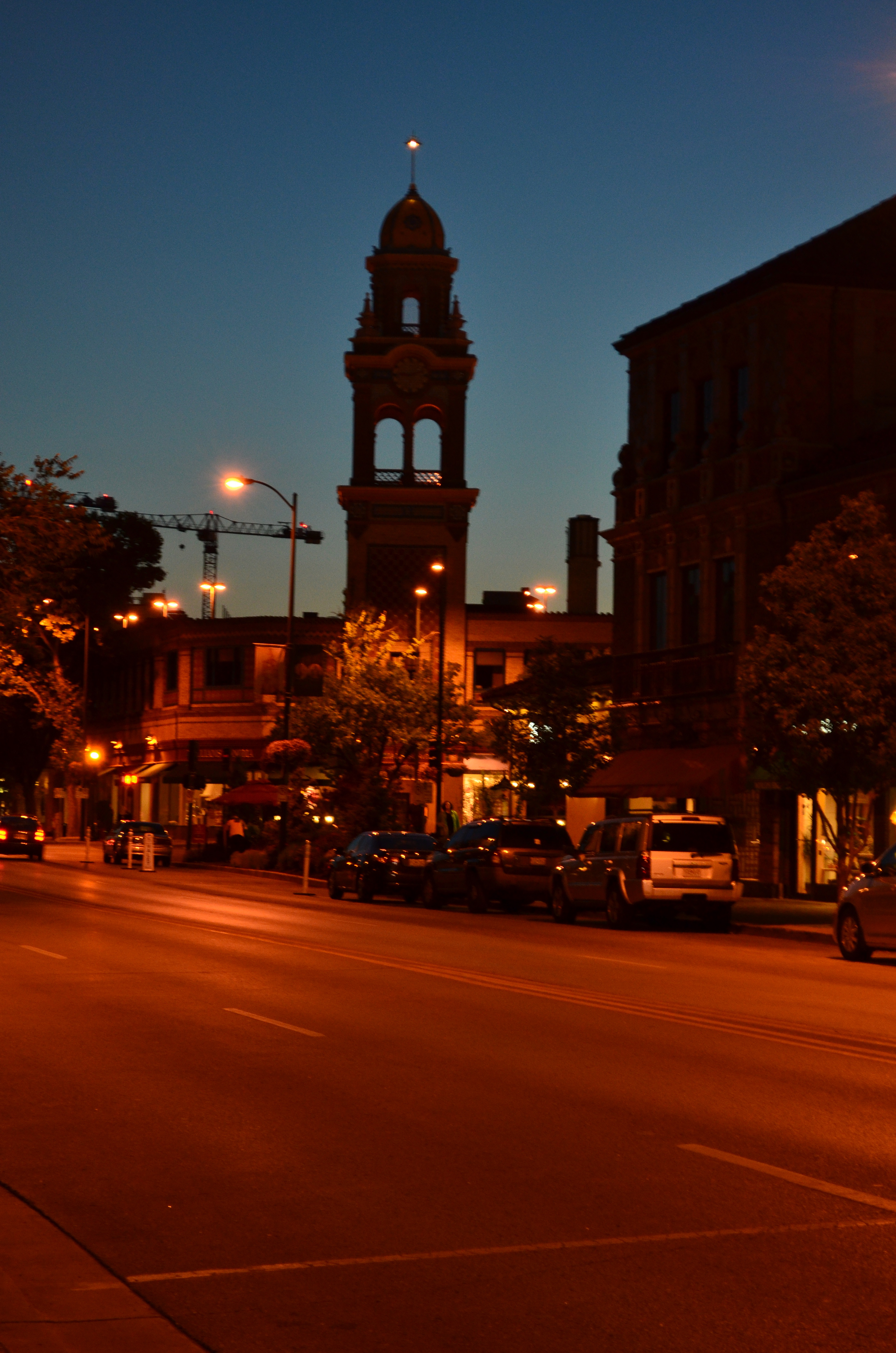
The Country Club Plaza is always beautiful.  The seasons of the year and the time of day significantly impact the images that we see.  These photographs were taken late in the evening, just after the sun set, but before it was completely dark.  (These scenes are best viewed with your brightness setting on high.)

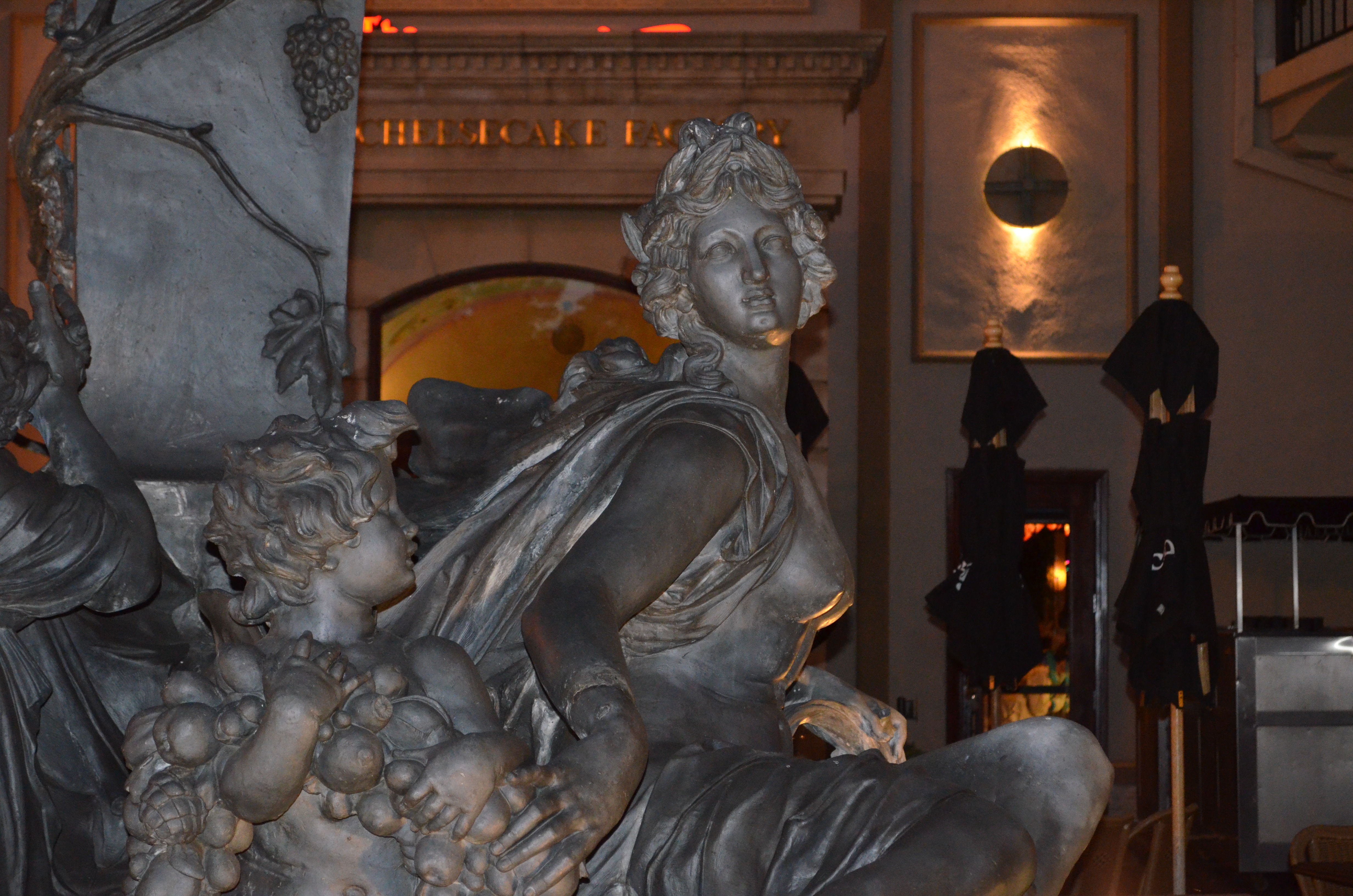
From the Fountain of Bacchus Sculpture, located at the Chandler Court at 47th & Wyandotte, is made of 10,000 pounds of cast lead.

The architecture throughout the Plaza is inspired by the architecture of Seville, Spain.

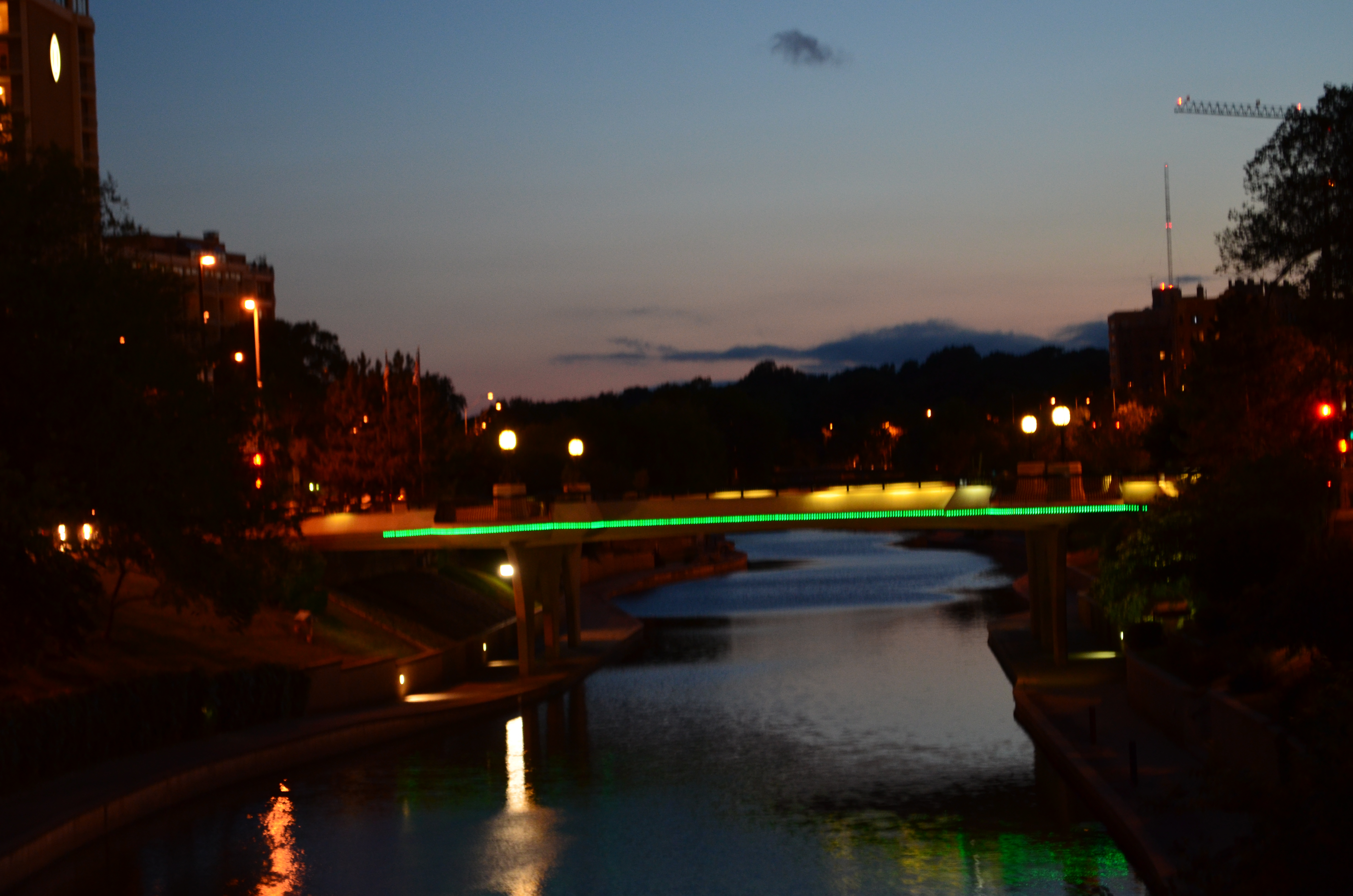
Night view of Broadway Bridge and Brush Creek, on the Country Club Plaza

The Statute of Ruth, representing the Biblical Ruth, is located at 48th & Wyandotte.  It is formed from white Carrara marble.

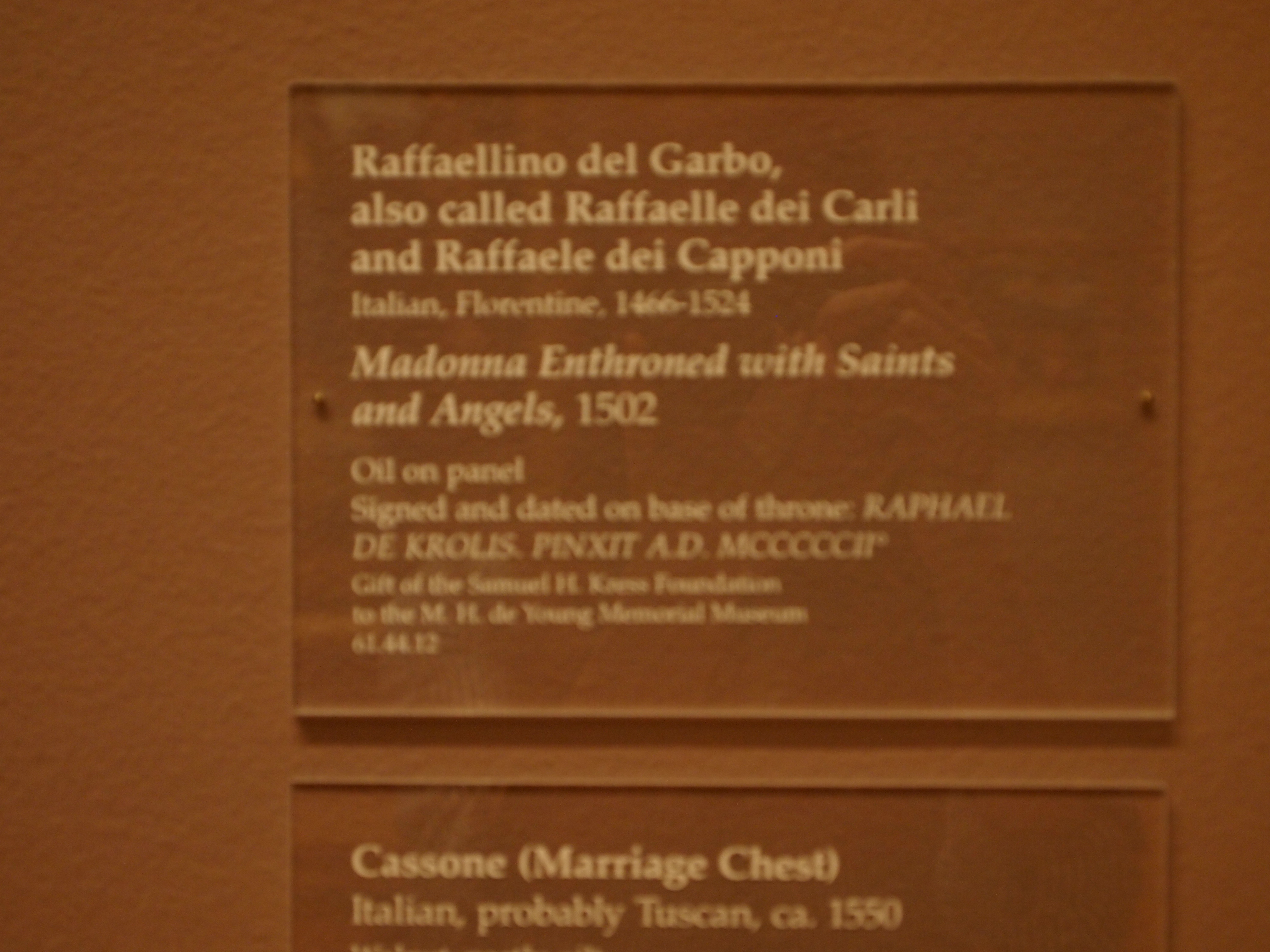
A Day at the Museum: San Francisco’s Legion of Honor

Meg has a J.D. in Urban, Land Use and Environmental Law. She focuses on maintaining the balance of community and environmental health, healthy lifestyles, and encouraging sustainable living.

San Francisco is full of art and culture. Most of our recent visits into the city have been to see the touristy-type attractions. Pier 39. Ghirardelli. Coit Tower. For our visit this past Saturday with Aunt Carol and Uncle John, we opted for the arts. As our Christmas present from them, the four of us planned a day in the city to visit several museums and have a delicious dinner. Our first stop? The Legion of Honor.

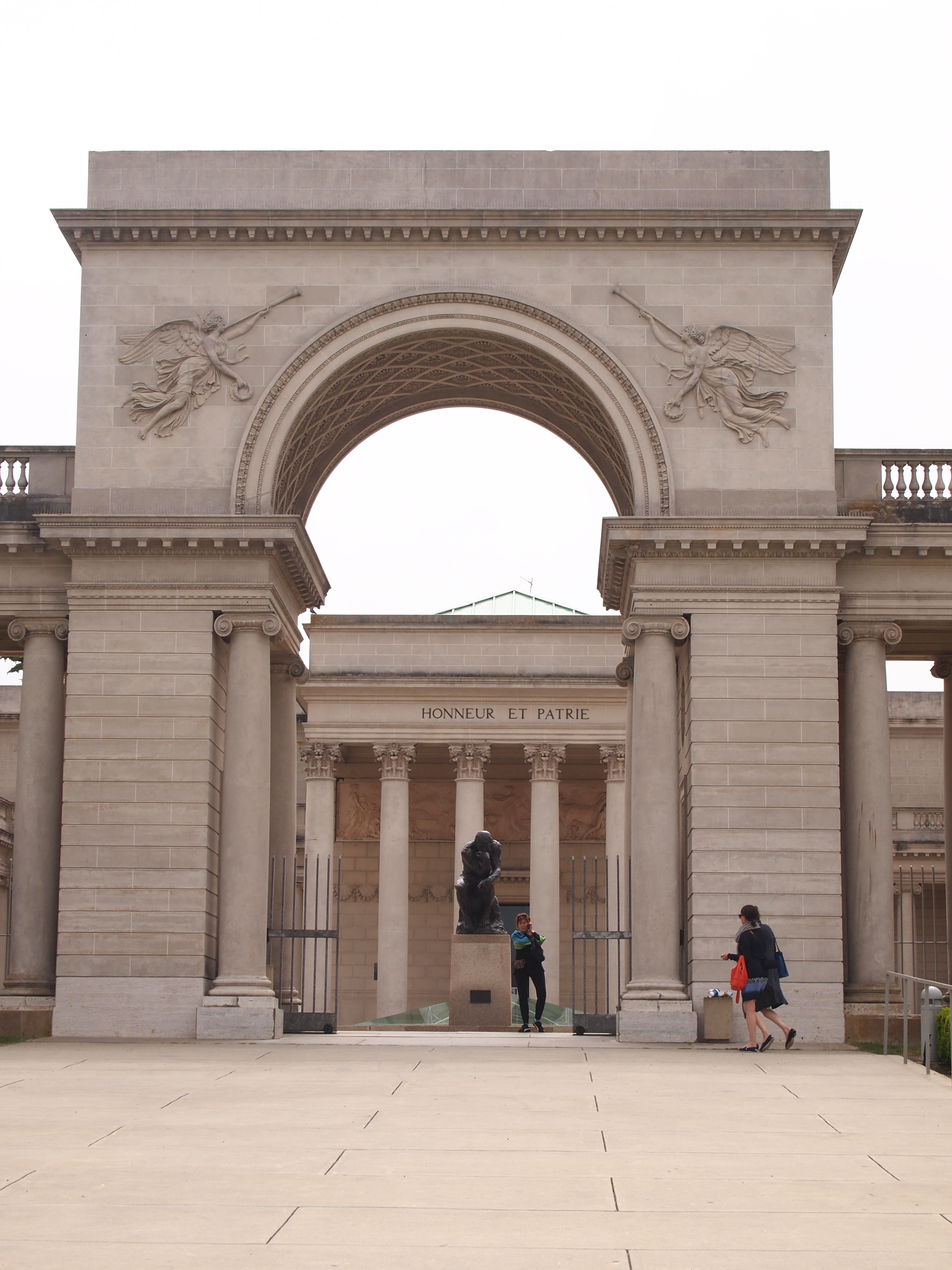
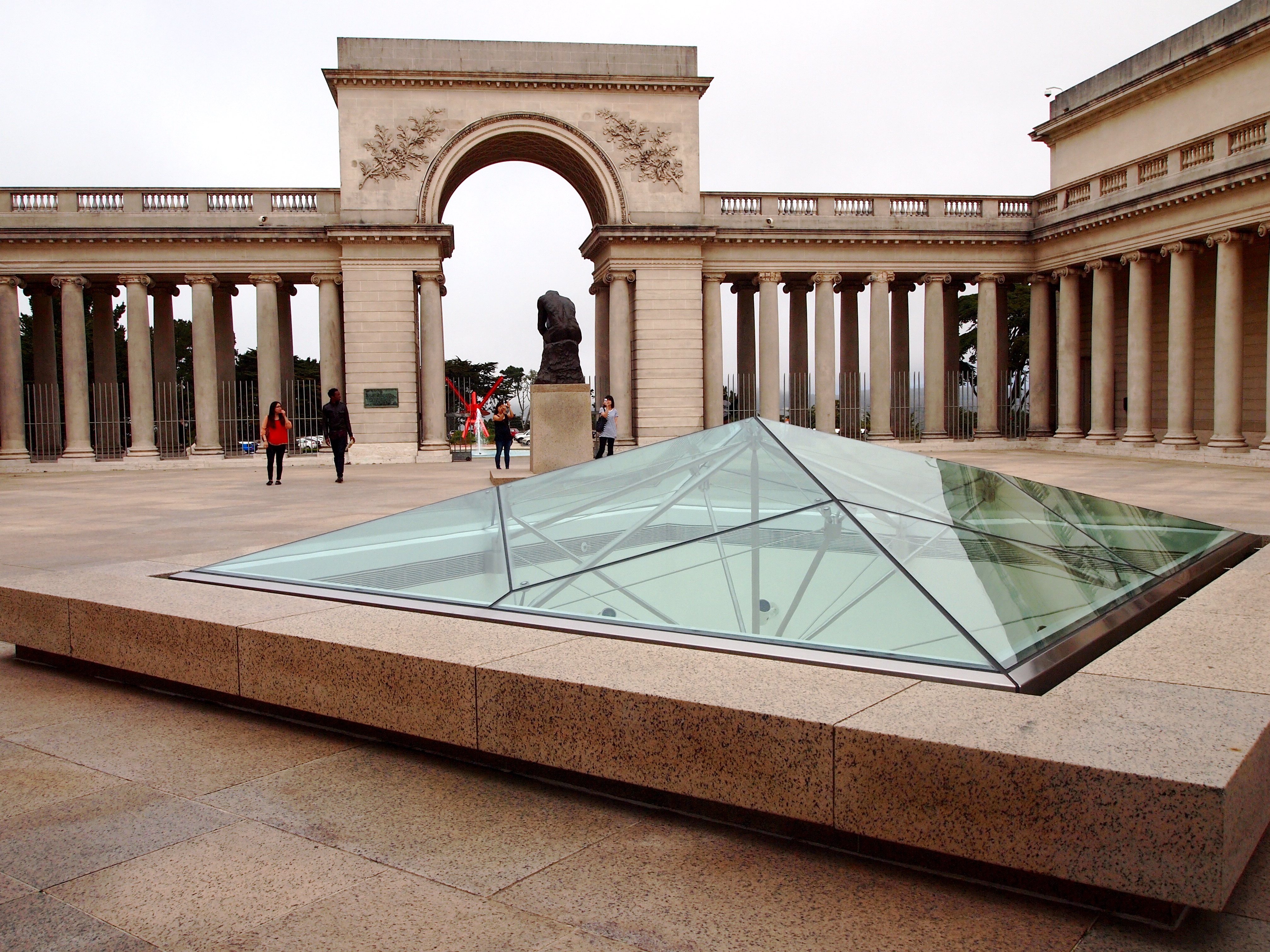
The Legion of Honor is one of the Fine Arts Museums of San Francisco. It is located in SF’s Lincoln Park overlooking the Pacific Ocean. It was built as a gift from Alma de Bretteville Spreckels in the 1920s to commemorate the Californian soldiers who lost their lives fighting in France in World War I. The collection of fine art inside the museum is beautiful, and the architecture of the structure itself is equally magnificent.

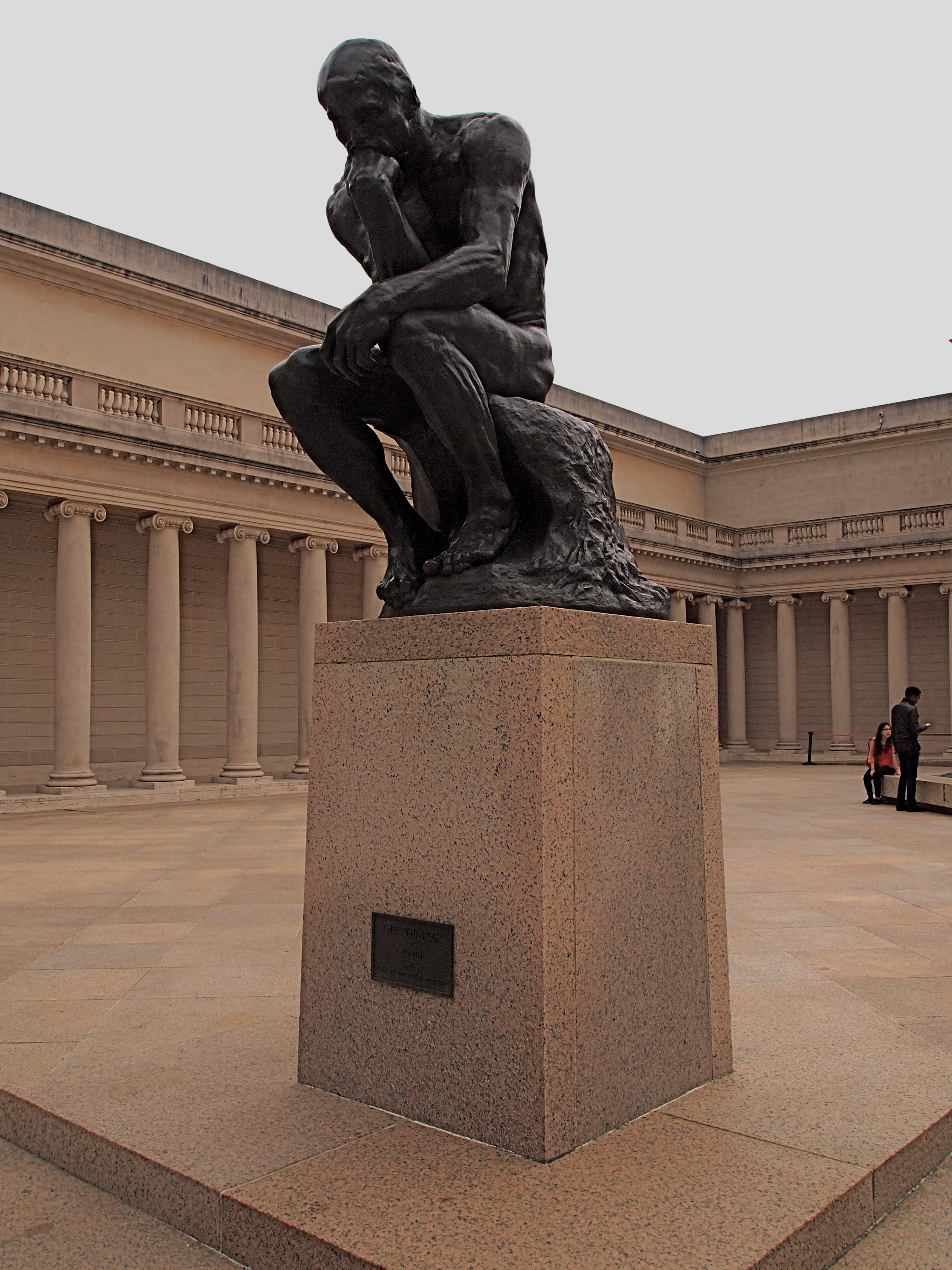
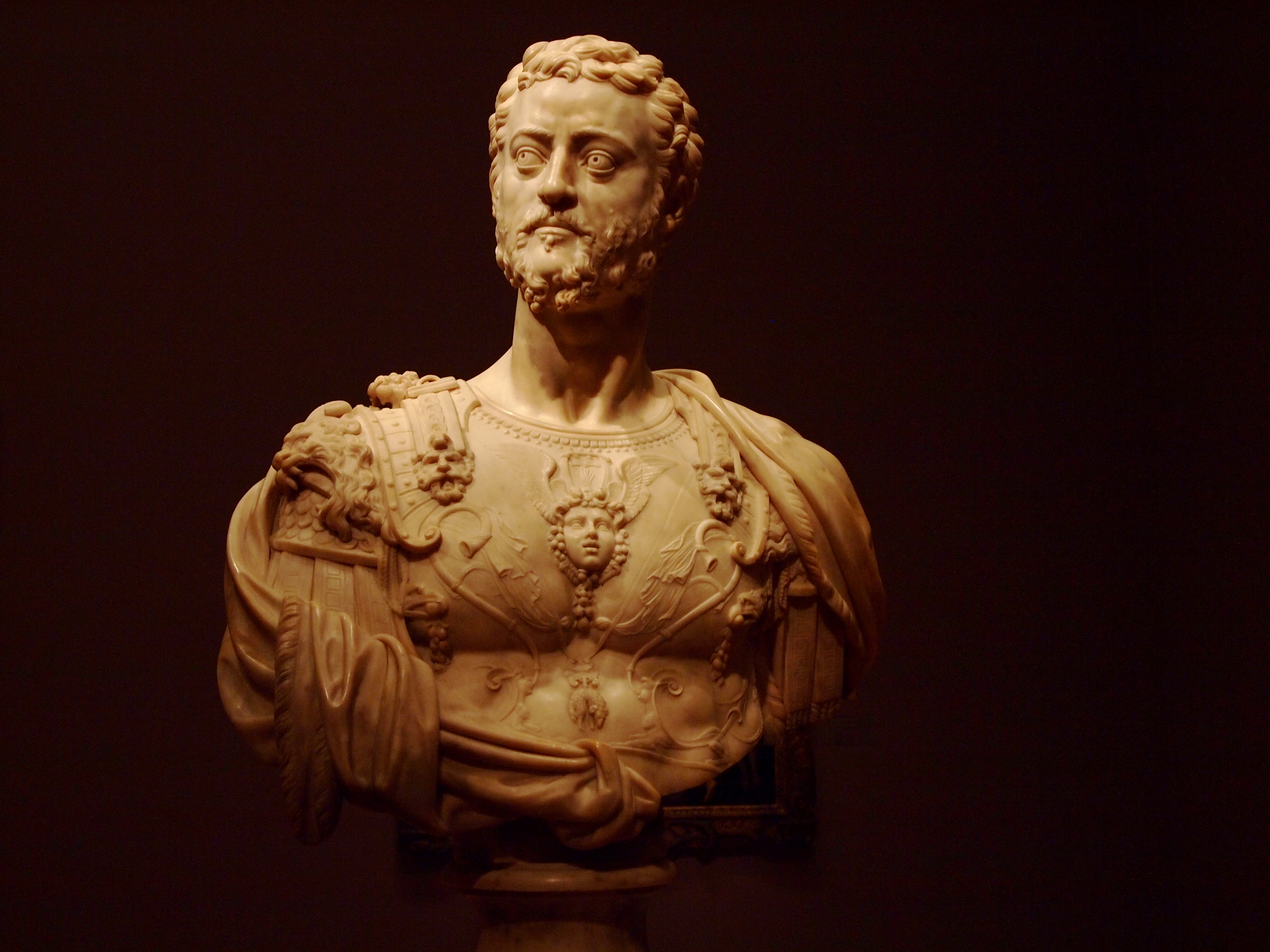
As we walked around the inside of the museum, I couldn’t help but think how much it reminded me of the Nelson Atkins Museum in Kansas City. The architecture is very similar, and both have Rodin’s Thinker! The collections ranged from impressionist paintings to Annie Leibovitz’s photography to ancient Roman sculptures. These were a few of my favorites.

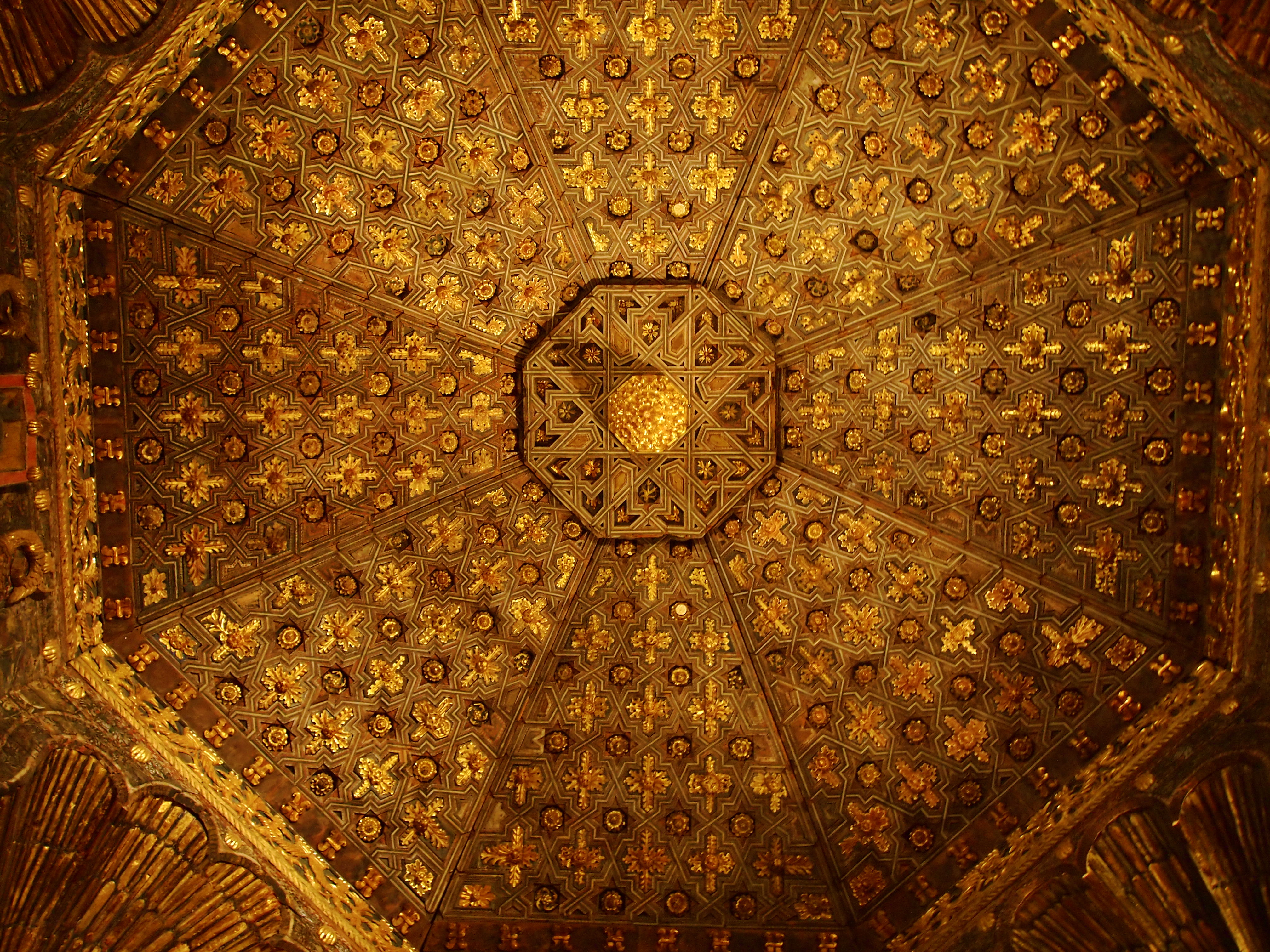
My favorite piece of art in the whole museum is a ceiling in one of the exhibit rooms. The detail is incredible. The ceiling was carved from wood in Spain in the late 1400s-early 1500s during the Moorish occupation. It is one of four removed from the original setting in the Palacio de Altimira in Toledo, in the Torrijos region in Spain.

It was a beautiful day at the museum. With our busy lives, it is nice to be reminded of all the beautiful things to see around us. I believe the arts to be an important factor in maintaining the balance in society. It is hard to argue with the importance of the arts, especially when we see such beauty through the eyes of the artists, enlightening us about their fascinating perspectives on the world. In a lot of ways, it helps us look at the world through new eyes, learn how to see something from someone else’s perspective, and have a little more appreciation for our own world.

Once we left the Legion of Honor, heavy in thought, we made our way over to Golden Gate Park to see the de Young museum. But I will save that exciting experience for next time.

Unexpected Beauty While Strolling “Somewhere Else”

I love Italy.  Our trip to Northern Italy was filled with wonderful sights and smells and sounds.  In the presence of the massive buildings dating back hundreds of years, it was easy to be oblivious to the beauty of simple things.  On my return home, I realized that many of my favorite photographs are along the streets and neighborhoods we passed through on our way “somewhere else”.

The towns through which we travelled are ancient.  Civita di Banoregio, for example, was founded by Etruscans over twenty-five hundred years ago.  There are Etruscan and Roman ruins everywhere.  But for this post, just look at the construction of this wall.  You can see the seemingly primitive, but obviously durable, methods of erecting these walls and this archway.  Raw, enduring, but beautiful, nonetheless.

Houses and streets are built primarily of stone, concrete, stucco nd mortar.  There is evidence of generations of foot traffic. We walked by this hallway in an area of private residences. Like many neighborhoods in Northern Italy, heavy exterior doors open into hallways and common courtyards with plants, bicycles–a favorite method of transportation–and concrete benches.  I love the muted colors leading up to the splash of red.

The path on which Terry is standing goes nowhere.  Throughout the area, towns stand atop hills that plunge almost straight down to the valleys below.  Here the stone wall and wrought iron fence protect travelers from the edge of one of Umbria’s many cliffs.

I love the flags and banners that line this street.  They add just enough color to be fun to the stone and stucco buildings. The banners are important to the culture of many communities, are important in celebration and festivals.  There is even a sport/art requiring the tossing of the banners high into the air and–hopefully–catching them before they fall.

The red and green flowers follow the road from the first door on the right through to the turn in the road.  The massive walls dwarf the red door and the color simply disappears in a vee running through the middle of the photograph encourages the explorer to follow the bend in the road to the next adventure.  It is evident these streets are used primarily by pedestrians, bicycles and motor scooters rather than automobiles and trucks.

Many of the towns through which we walked were older than we could ever find in the States.  It is often difficult to assess whether the residents lived affluent or simple lives, the exteriors of the buildings were uniquely appealing, made more so by the profusion of geraniums of every hue.

Locals described to us that some families lived in homes that had been in their families for generations.  This home appeared to be quite luxurious with elegant touches in the arches, doors, crest on the wall and what appears to be a private garden through the stairway and door in the left corner of the wall.  The ivy softens the harsh stone and balances the shades of muted reds, yellows and greens that harmonize with the lavender on the doors and windows.

For me these photographs bring back memories of a great trip.  I hope they convey some sense of the simple beauty of the hill country.

Prague, Glorious Prague–Old Town

Until the end of the cold war in 1991, Iron Curtain countries, including Czechoslavakia, were essentially closed to U.S. tourists.  It was more than fifteen years later that we traveled to Prague, the largest city in the Czech Republic. A major European economic and cultural center for more than 1000 years, the city resonates with the power that is its history.  In recent weeks I have learned a bit about Prague and the trauma it’s resident’s have endured through the  last 100 years. I am in awe of what I see and learn.

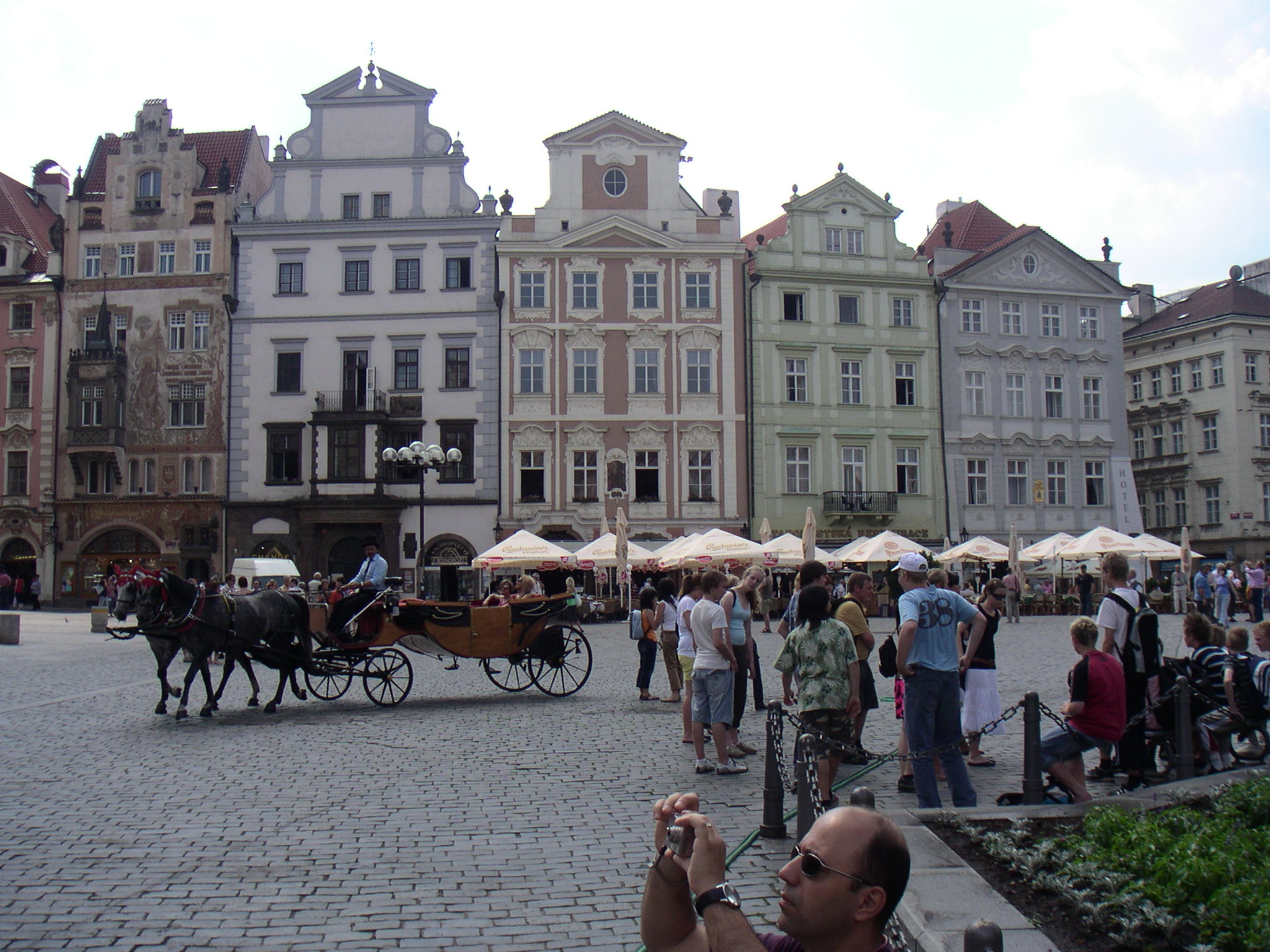
Totally inconsistent with my expectations, Prague is a vibrant, bustling community.  The old town looks like it is straight from a movie set.  It is colorful, dramatic and gothic. Outdoor cafes make visitors feel welcome and tourists can, for a price, enjoy a carriage ride through the city center.

The hustle and bustle of the city surrounds us.  The mood is happy and upbeat.  The tourist trade significantly impacts the economy and seems to be welcomed by all.  The Powder Gate sits next to the palace in Old Town.  It is of ornamental, not military value.  King Vladislav II placed the foundation stone in 1475.
Everywhere you walk in Old Town you see buildings that appear to be, and often are, the work of centuries. Individual buildings, churches and sculptures date from as early as the 1300s and have survived, against all odds, despite wars and other calamities.  The Old Town Hall gives us a sense of the history of the city that is about more than the expenditure of wealth.  It is the creation of elegance.
The Old Town Hall Tower’s Astronomical Clock is a big tourist draw.  It’s intricate design includes a variety of characters. Images of Death, The Turk  and the twelve Apostles all make their appearance on the hour.
The current home of Prague’s city government is the “Nova Radnice” or New City Hall.  It is situated in Marianski Square.
Perhaps not as colorful as it’s predecessor, it is, nonetheless, a stately center of power.
The Church of Our Lady Before Tyn dominates the Old Town Square. Built in 1365 its unique twin spires and gothic appearance make it popular to tourists and travel magazines. Occupied for a time by the Hussites, it later came under the control of Catholic Jesuits.
Construction on St. Vitus’s Cathedral began in 1344.  It was finally completed in the early 1900s.  Its beauty dominates the skyline.  The tomb of Prince/St. Wenceslas, murdered in 929 A.D., is located in the cathedral.  He is best known to Christians from the Christmas Carol, “Good King Wenceslas” for his acts of charity. The intricate design of the exterior is consistent with the elegance of the cathedral’s interior.
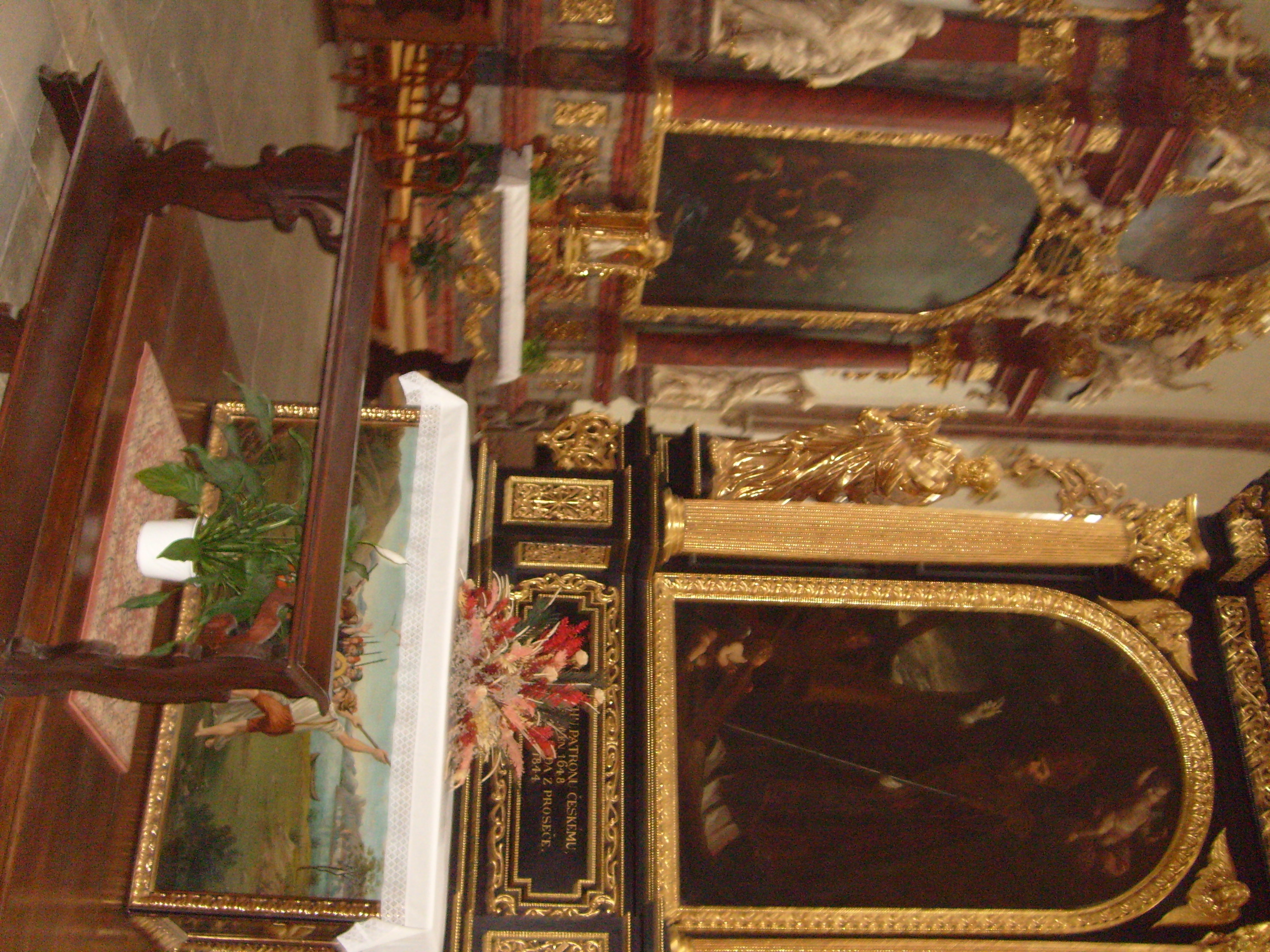
Masterpieces of religious art cover the interiors of churches throughout the city evidencing, yet again, the power and great wealth with which Prague has been graced. The craftsmanship evidenced everywhere around us is second to none.
There is no way to capture the essence of Prague’s majestic art and architecture in a single post, nor in a hundred.  But we hope that these photographs give you a sense of the glory of its past, present and future.