Night lights from the American Restaurant

We were invited by friends to a special event at the American Restaurant in Crown Center, in Kansas City, Missouri.  It is one of Kansas City’s finest restaurants.

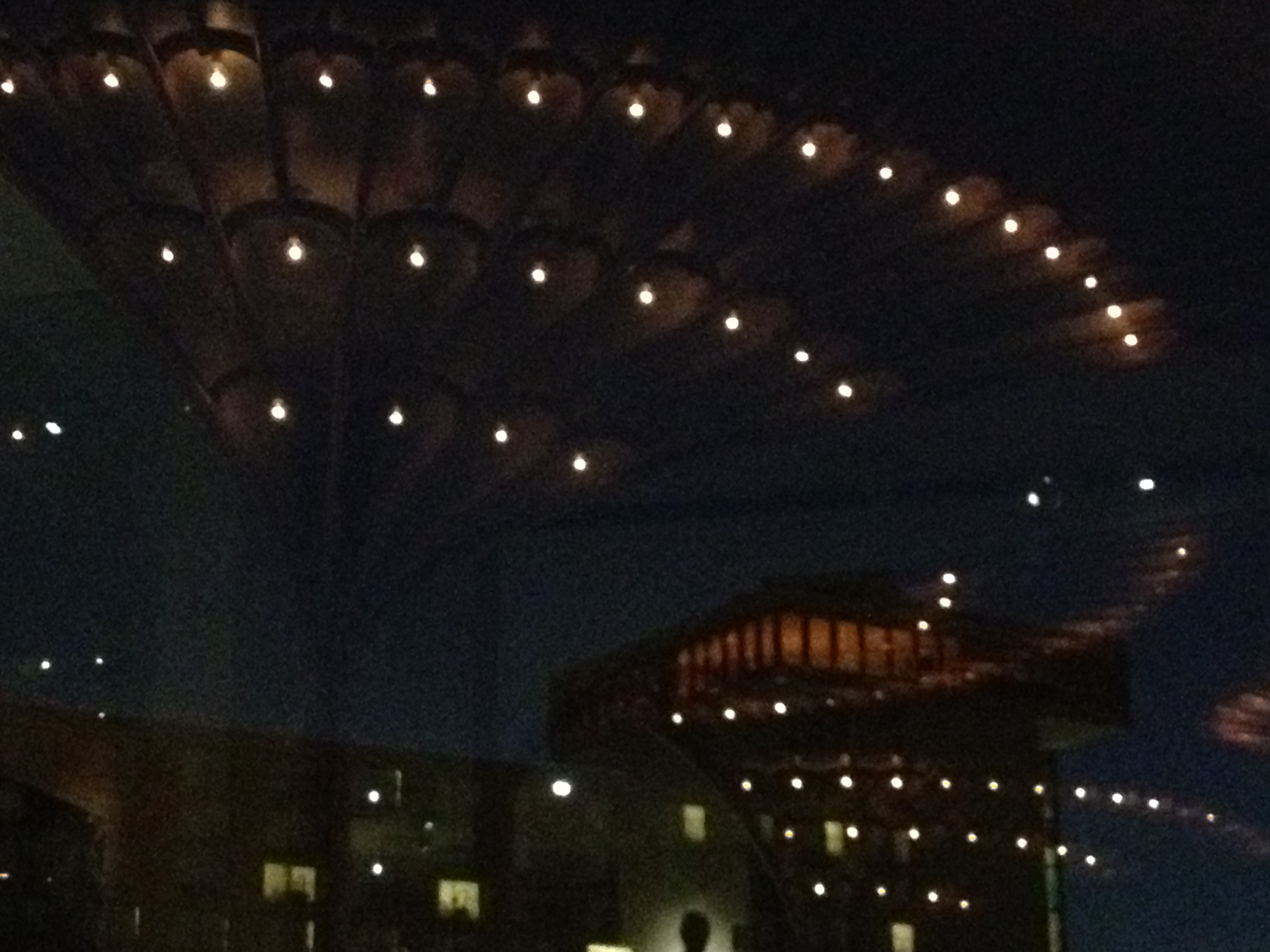
Alas, not expecting any need or desire for a camera, it didn’t occur to me to drag along my Nikon. And I could barely squeeze a lipstick and iPhone in my fancy (meaning tiny) evening bag.  I was facing the center of the restaurant.  Terry was beside me and had been talking with our host.  He suddenly pulled out his iPhone and took a photograph of the western sky.  If Terry noticed the view, I knew I needed to turn around to see what he discovered.  The sun had just set and there was still some light in the sky.  But the buildings were ablaze with color.  I dug out my own iPhone and took a series of photographs.  Here they are.

This is the sky looking North West from Crown Center toward the Kauffman Performing Arts Center. Directly below us there was a nearly deserted street fair with a sky-walk that weaves through the center of the image.

With my iPhone camera already at work, I turned back to the center of the restaurant and refocused my attention on the pattern of lights in the ceiling.

Finally, I became that another window reflected the lights of the American Restaurant. When nearly all the residual light was gone, I took a final series of photographs.

Funny that a lot of wonderful shots are just waiting to be noticed.

A carriage ride

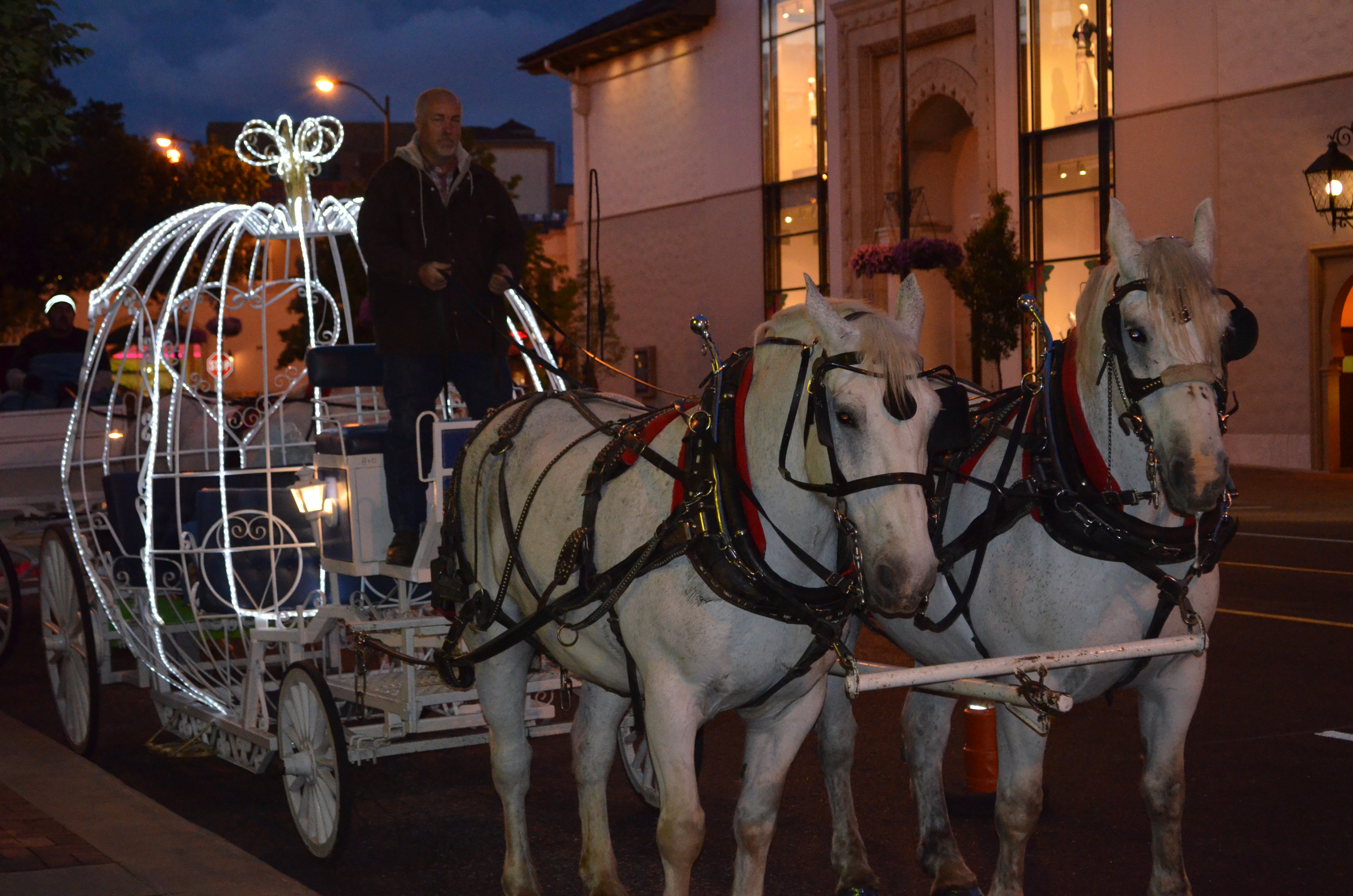
What can be more fun for adults and children on a warm summer evening than an open air carriage ride.  Shaped much like Cinderella’s carriage, this carriage is a popular entertainment for tourists visiting the Plaza throughout the year.  But it is a ride made for summer evenings.

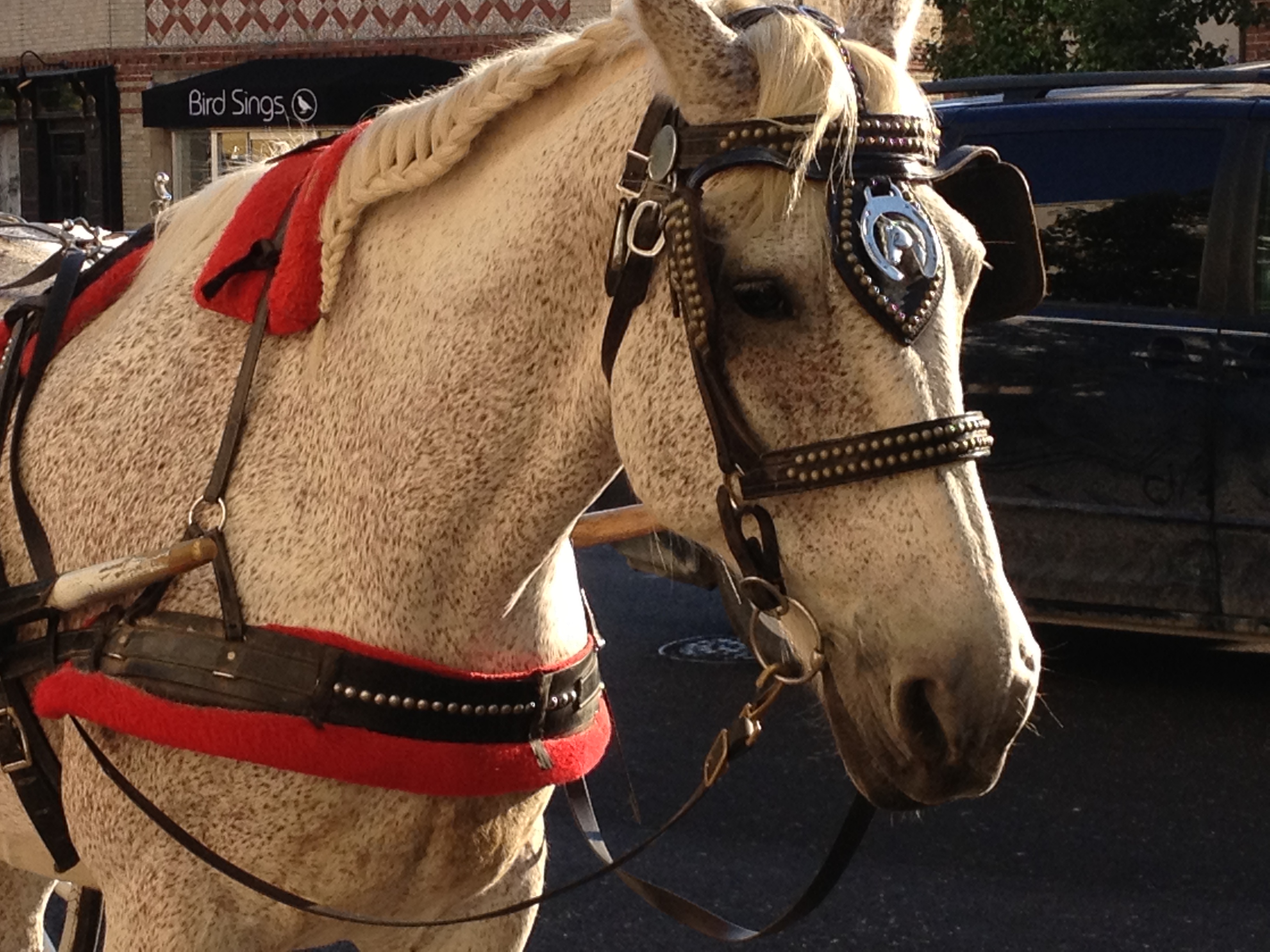
The horses may be somewhat past their prime, but they are docile and patient and decked out with braided manes.

Just another beautiful experience for tourists to Kansas City.

The “Art of the Car Concours”: a Kansas City Art Institute Tradition

Sunday morning Terry and I spent a wonderful hour on the grounds of the Kansas City Art Institute wandering among approximately 180 vintage automobiles and motorcycles.  They included U.S., German, English, Swedish and Italian automobiles.   Most were truly classics.  Every one was worthy of a place in the show.

Even by arriving at 10 a.m., when the event opened to the public, we were surrounded by exhibitors, automobile enthusiasts and those who were merely curious to see this remarkable display of history.  Many attend every year.  Some were there for the first time.

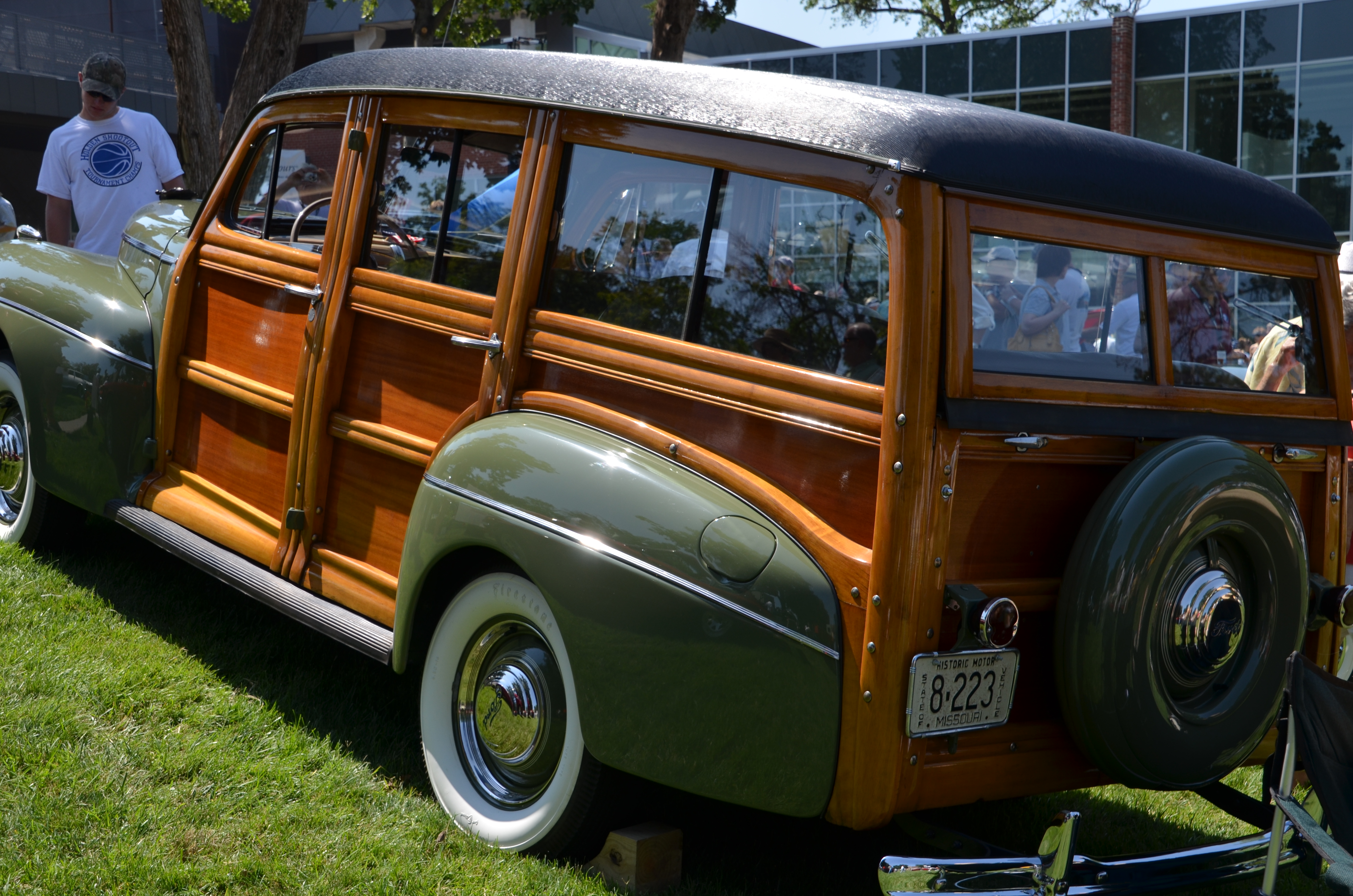
The younger generations will not remember the “woody”, which is remarkable not only because of its exterior wood panels and funny shape, but also because of the songs that sing its praises.  Even if you are under 50, maybe you have heard that great song: “I got a ’34 wagon and we call it a woody, surf city here we come” by Jan & Dean.

Well, this is a woody and it is pure nostalgia for me!

But there were so many wonderful and unique vehicles.  The convertibles and “carriages” reminded me of “toad hollow” meets the “Great Gatsby”.

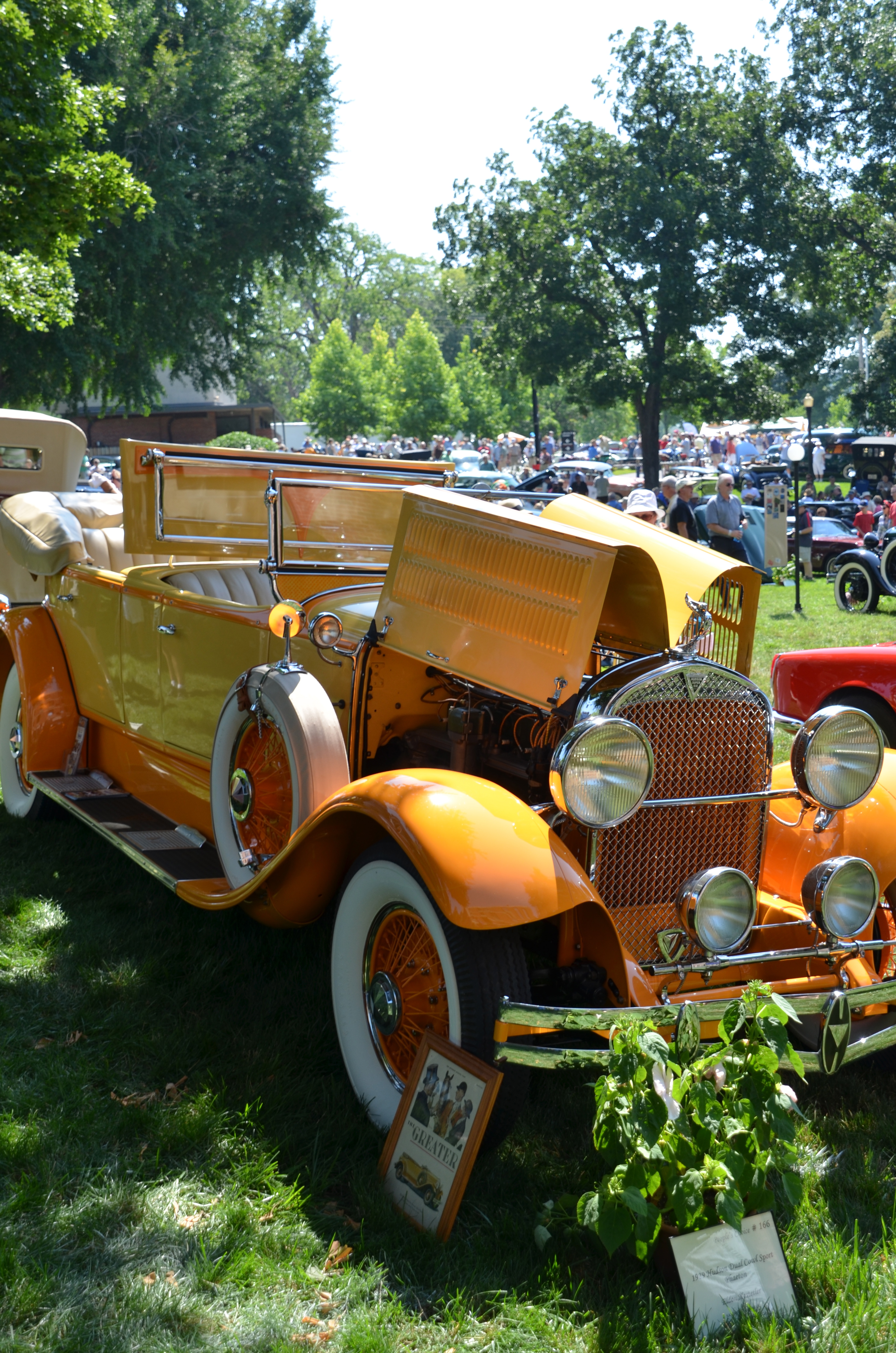
There is no vehicle built today that is as creative, colorful and has nearly the personality as this 1913 Hudson.

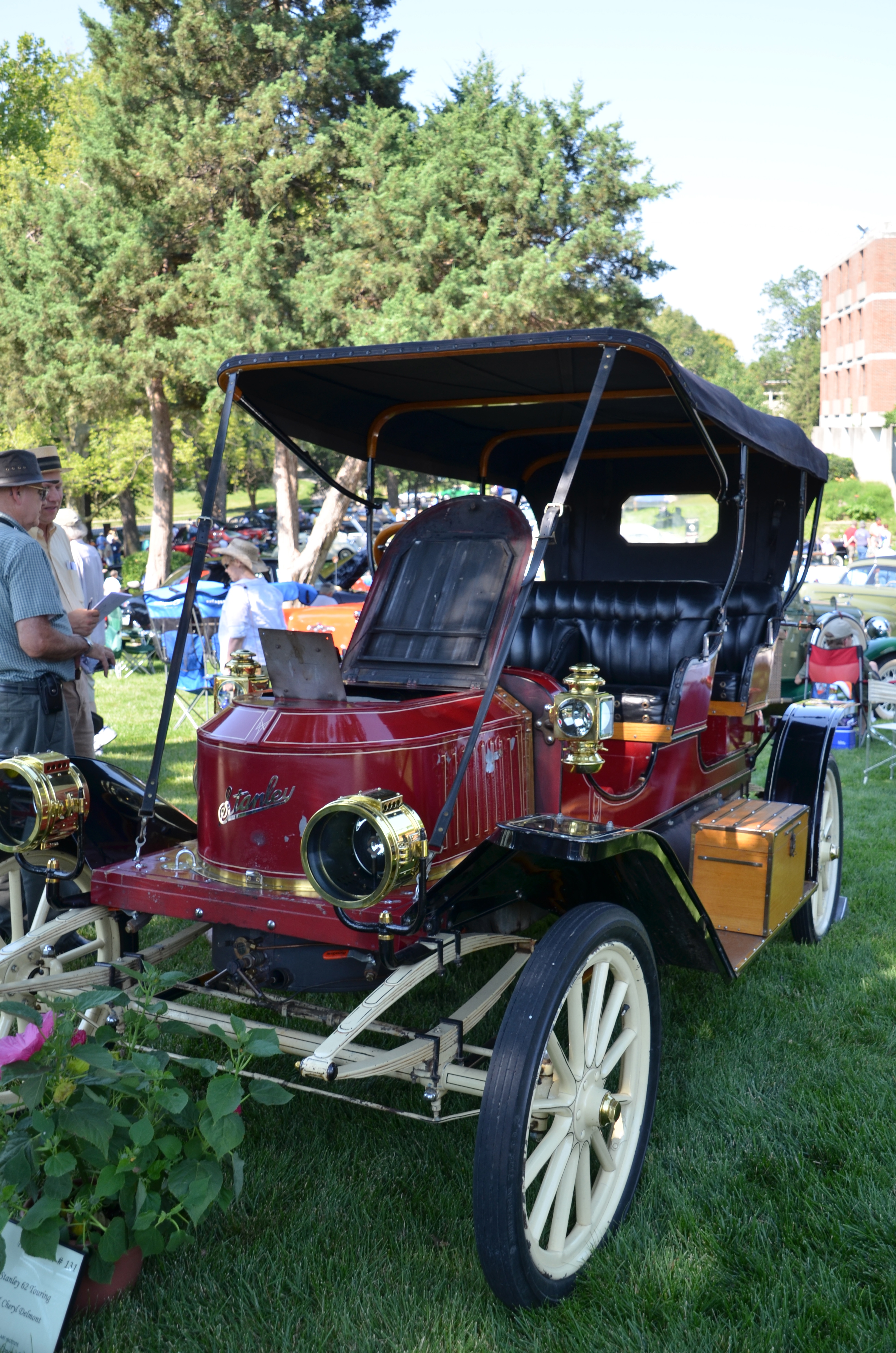
Or this one, that looks like it should be powered by a horse rather than an engine.  I guess that is why they were called “horseless carriages”.

Last but definitely not least, here is another real beauty taken from Terry’s iPhone camera.  The woman in the background taking a photograph of another wonderful antique is yours truly.

If nothing else I have written about Kansas City has persuaded you to travel to our fair city, maybe you will want to make a special visit to Kansas City for next year’s “Art of the Car Concours”.

I promise you will not be disappointed.

The “Dragon Boats are coming”–and friendship comes with them

From X’ian, China, to its sister city, Kansas City, Missouri, come the Dragon Boat races, a wonderful cultural tradition.

The races are held under the  “Sister Cities International Bridge”, where life-sized Chinese warriors guard the foot bridge as it crosses Brush Creek.  The imposing bronze warriors are symbolic of the rich culture of China’s ancient civilization as well as the friendship between our cities.

Festive red ornaments crossing the bridge announce the 12th annual Dragon Boat races held Saturday, June 9, 2012.  The races are part of an annual celebration of the friendship between the people of these two cities.

The celebration includes races involving local university students and corporate teams as well as representatives of China. The event  includes a wonderful display of pageantry, speeches and a colorful dose of Chinese culture.

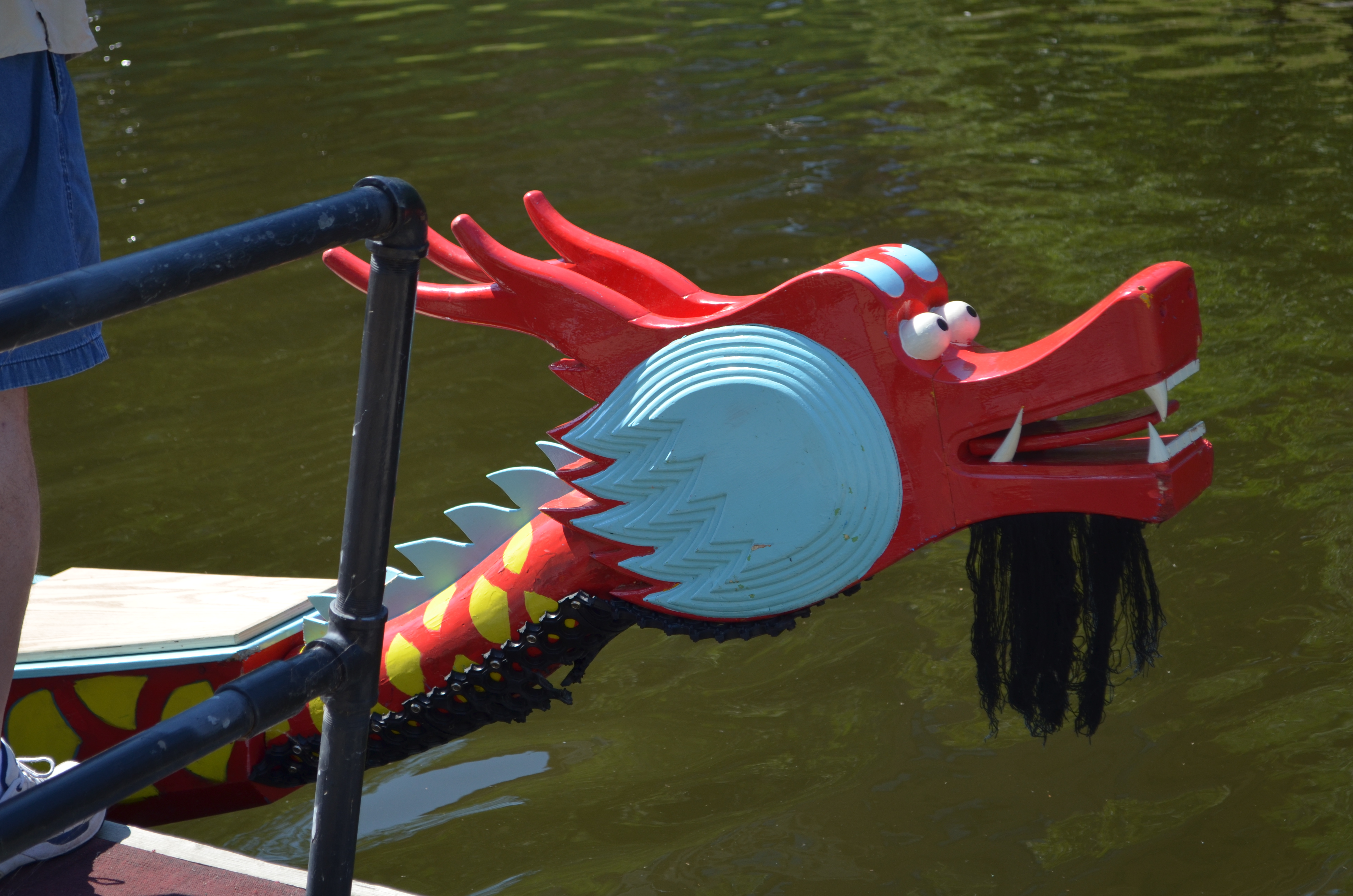
While the celebrations include a ceremony called “waking the dragon”, the dragons of most importance are the decorative dragons that embellish the front of each boat.  These dragons are whimsical and colorfully painted.

At this year’s event, Mayor Sly James not only greeted visitors, he spoke to the crowd, encouraged the celebrants, and also agreed to be  the drummer for Kansas City’s home town team.  Way to go, Sly!

Here, a drummer beats the rhythm for the crew in the first race.  The crew paddles as quickly, or as slowly, as the cadence of the drummer.

On this happy day there were no worries about the politics of our two countries, of the balance of trade, or of jobs lost and found.  It was a celebration and a time of friendship.  A good time was had by all.

Night views of the Country Club Plaza

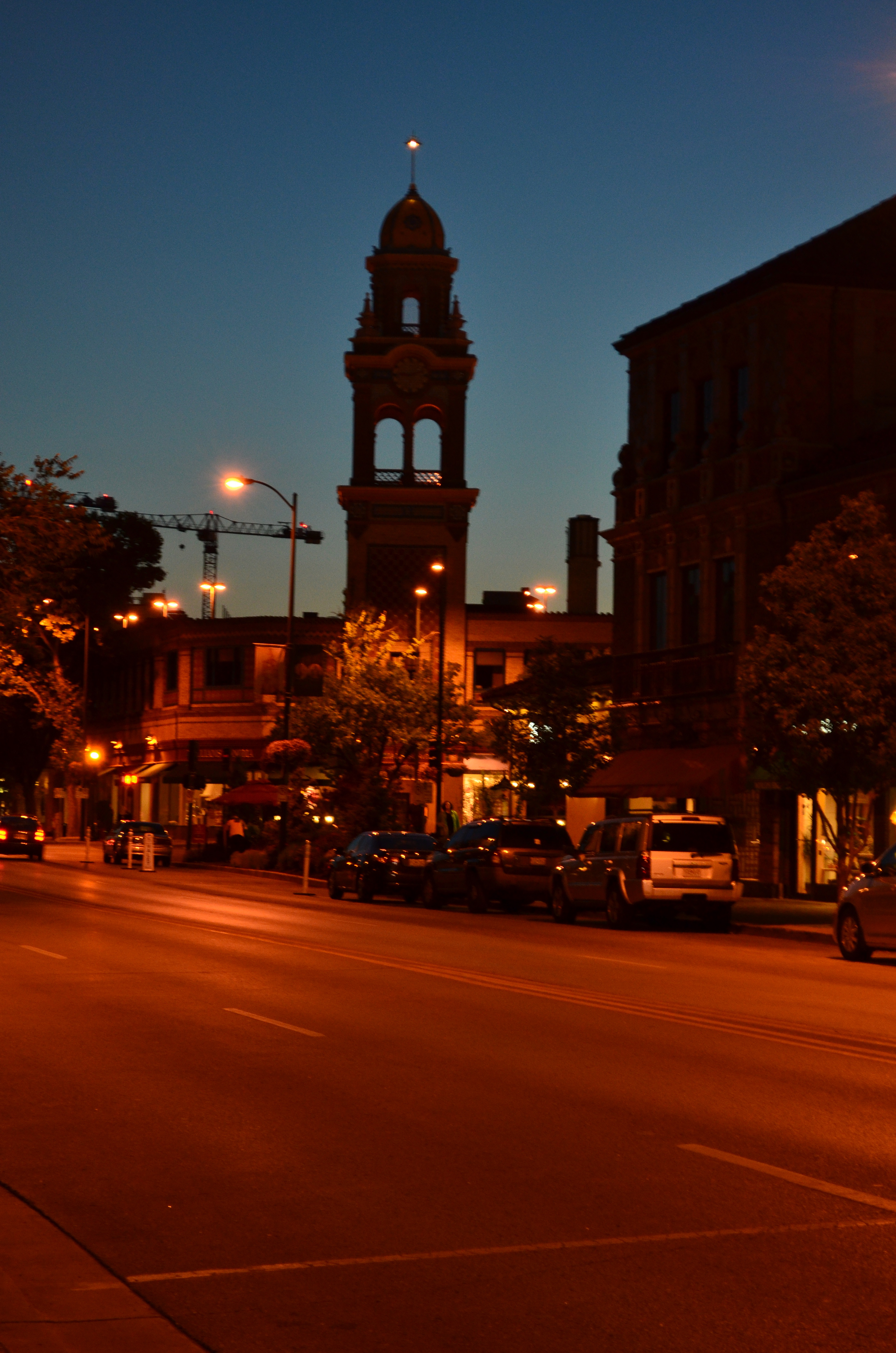
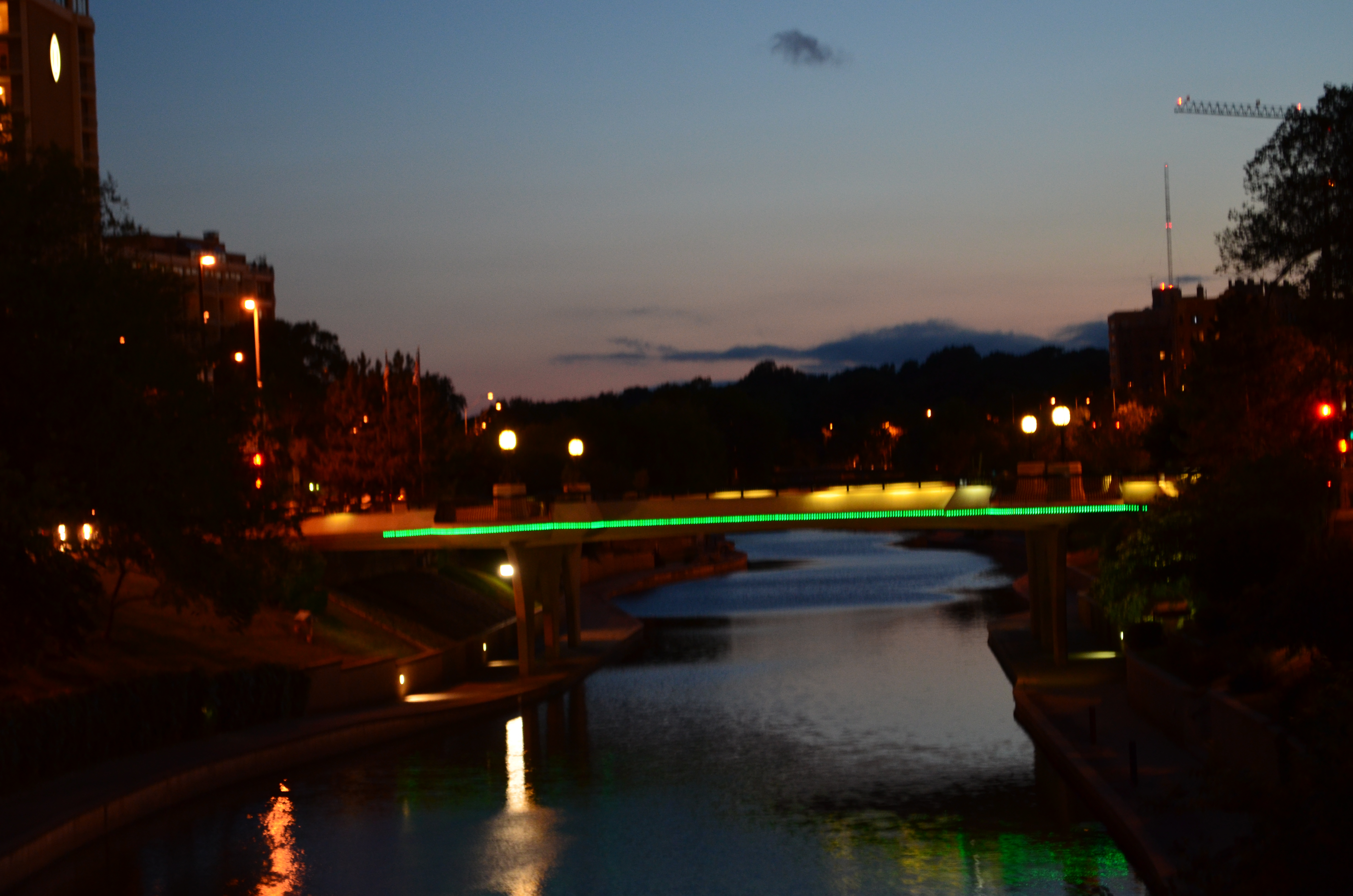
The Country Club Plaza is always beautiful.  The seasons of the year and the time of day significantly impact the images that we see.  These photographs were taken late in the evening, just after the sun set, but before it was completely dark.  (These scenes are best viewed with your brightness setting on high.)

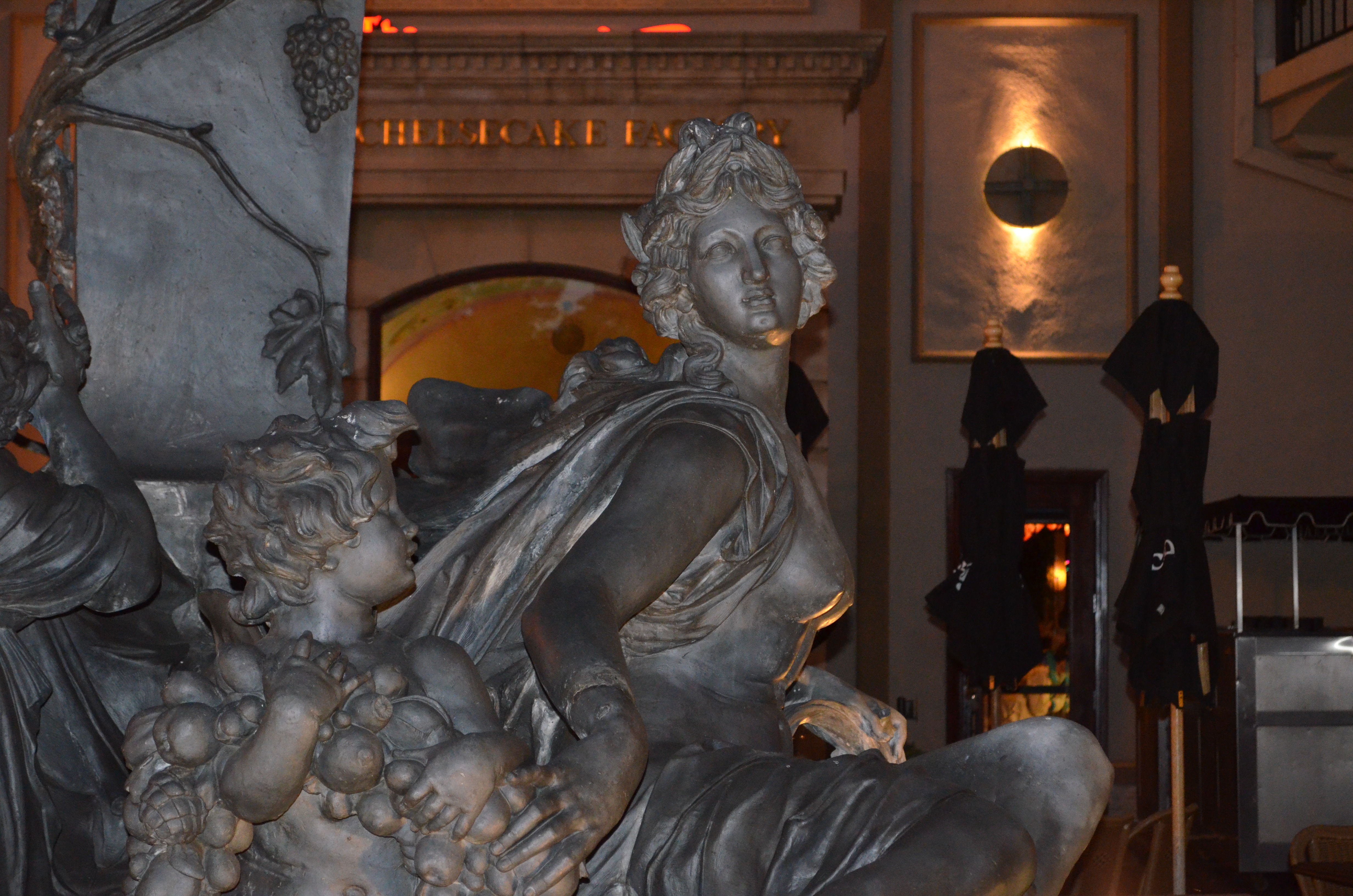
From the Fountain of Bacchus Sculpture, located at the Chandler Court at 47th & Wyandotte, is made of 10,000 pounds of cast lead.

The architecture throughout the Plaza is inspired by the architecture of Seville, Spain.

Night view of Broadway Bridge and Brush Creek, on the Country Club Plaza

The Statute of Ruth, representing the Biblical Ruth, is located at 48th & Wyandotte.  It is formed from white Carrara marble.

Kansas City Remembers: The World War I Museum

Memorial Day weekend is a fitting time to remember the sacrifices of our nation’s military forces.  There are few places that symbolize this sacrifice as powerfully as the National World War I Museum, located here in Kansas City. It includes over 55,000 artifacts from the war years, a time line of events during the war years, photographs, armaments, and far more treasures than a visitor can absorb in one visit.  Even the setting is a powerful visual experiences, sitting as it does with one of the most beautiful views of downtown Kansas City.  

No visitor can reach the museum without first confronting the Liberty Memorial Tower, which sits immediately above the museum, and which is dedicated to the the “Honor of those who served in the World War in Defense of Liberty and our country”.
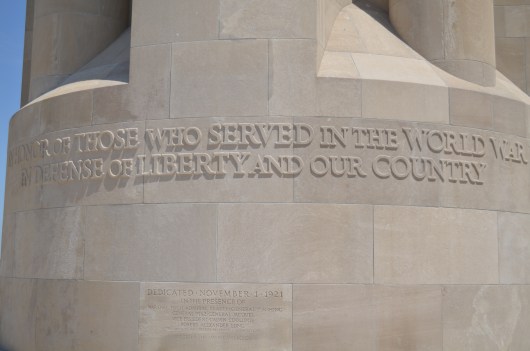
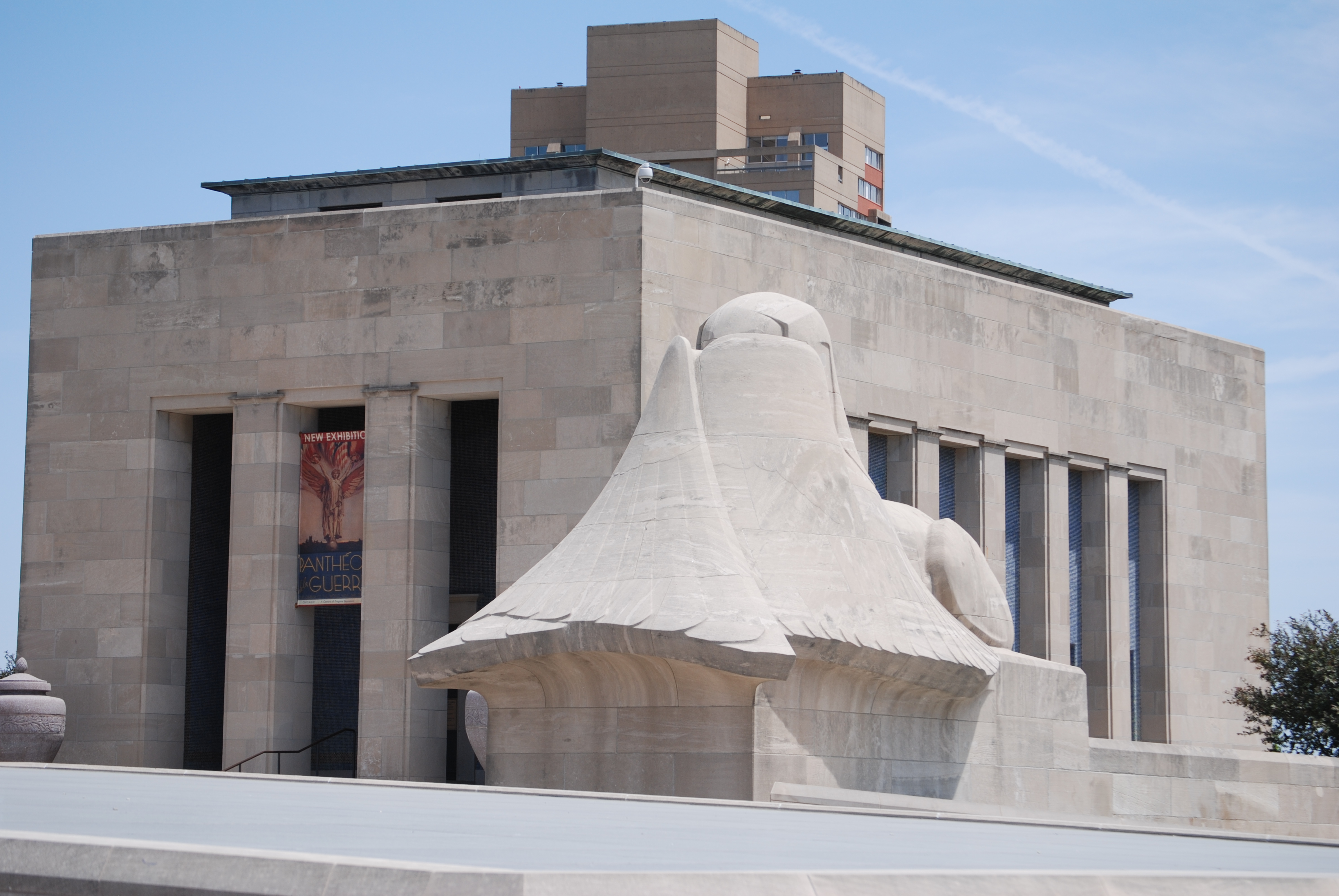
On either side of the tower are two giant sphinxes with wing like coverings concealing their faces, as though they are, themselves, traumatized by the reality of war.  Two concrete buildings sit behind the sphinxes, themselves housing exhibits for the museum.

The banners on the doors that mark the entry to the museum are unassuming.  Once inside, visitors face a vast, but well-organized exhibit.  The various rooms, includes a timeline of the war years, uniforms, posters, banners, video histories and other documentation of the war years.

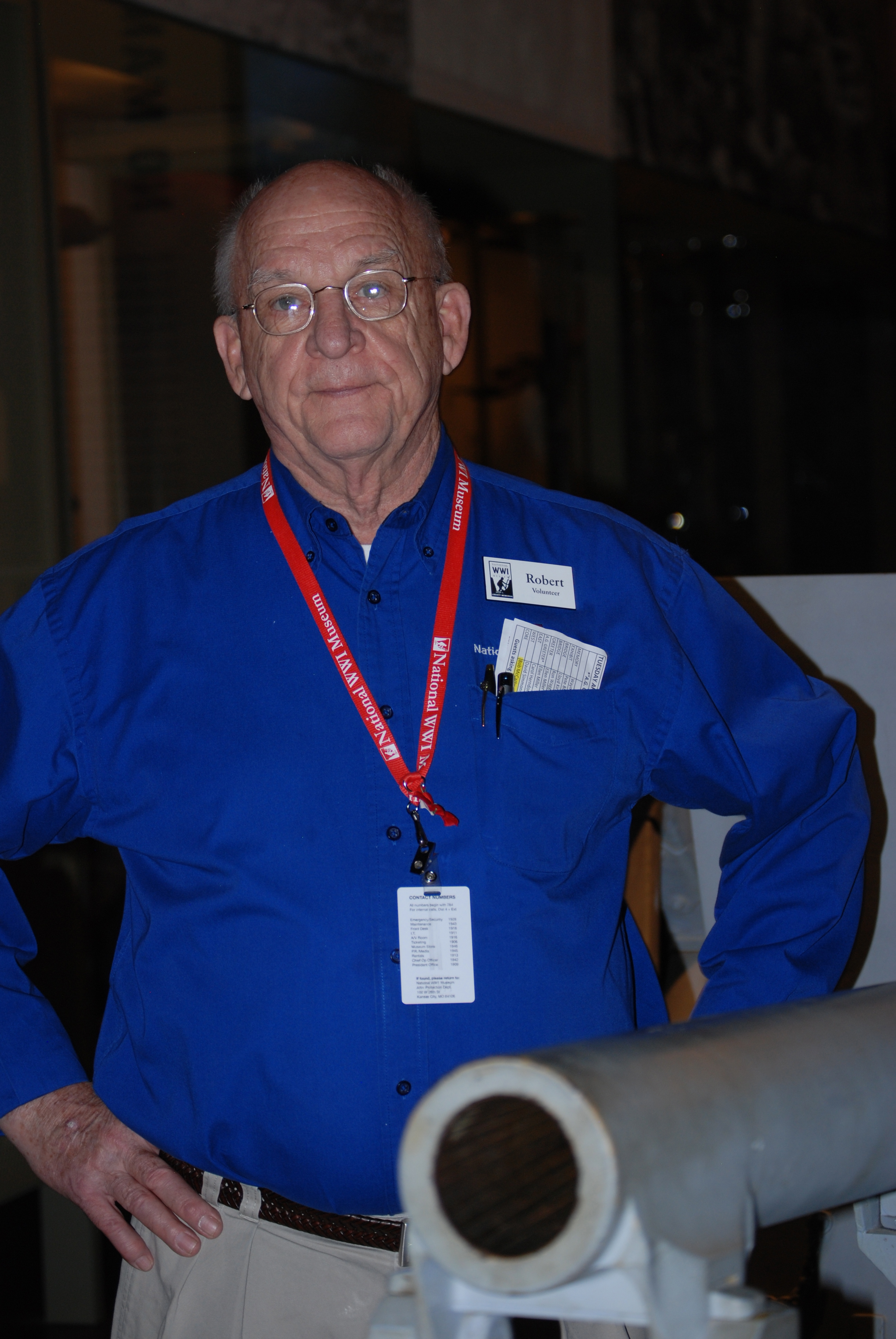
Knowledgeable volunteers are available throughout the building, eager to share their knowledge of the war and of the museum contents.
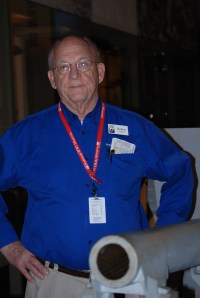
The munitions they describe are primitive by today’s standards, but were sufficient to cause, in combination with factors such as disease and starvation, horrible destruction to the military forces, civilian populations and the landscape of Europe.  The combined death toll of the military forces exceed 8,528,800.  While World War I was often called the “Great War”, or the war to end all wars, it was neither.  The destruction it caused contributed to events culminating in World War II and influence world affairs even today.

While statistics cannot adequately convey the depth of human misery, they are telling.  The casualty rates for the mobilized forces of the major powers are (approximately) as follows:

Country         Total Forces              Killed  Wounded/Prisoners/Missing        Total Casualties    Percent Casualties

Russia                        12,000,000                   1,700,000            7,450,000         9,150,000              76.3  

Germany                    11,000,000                   1,774,000             6,400,000         7,142,600              64.9  

British Empire           8,904,500                       908,370             2,280,000          3,190,250              35.8    

France                         8,410,000                     1,357,800            4,800,000         6,160,800              73.3  

Austria-Hungary      7,800,000                    1,200,000            5,820,000         7,020,000             90.0      

Italy                              5,615,000                        650,000             1,550,000          2,197,000              39.1  

United States             4,355,000                         116,516                  208,000             323,000                7.1

Because the museum is focused on the war itself, the reality of death surrounds us.  The ancient weapons of various sizes and shapes are on display.  

A restored 1918 Ford Model T ambulance is almost humorous in its quaintness.

But there is also significant information about the culture of the era as evidenced by murals, photographs, clothing and everyday mementos of the times.

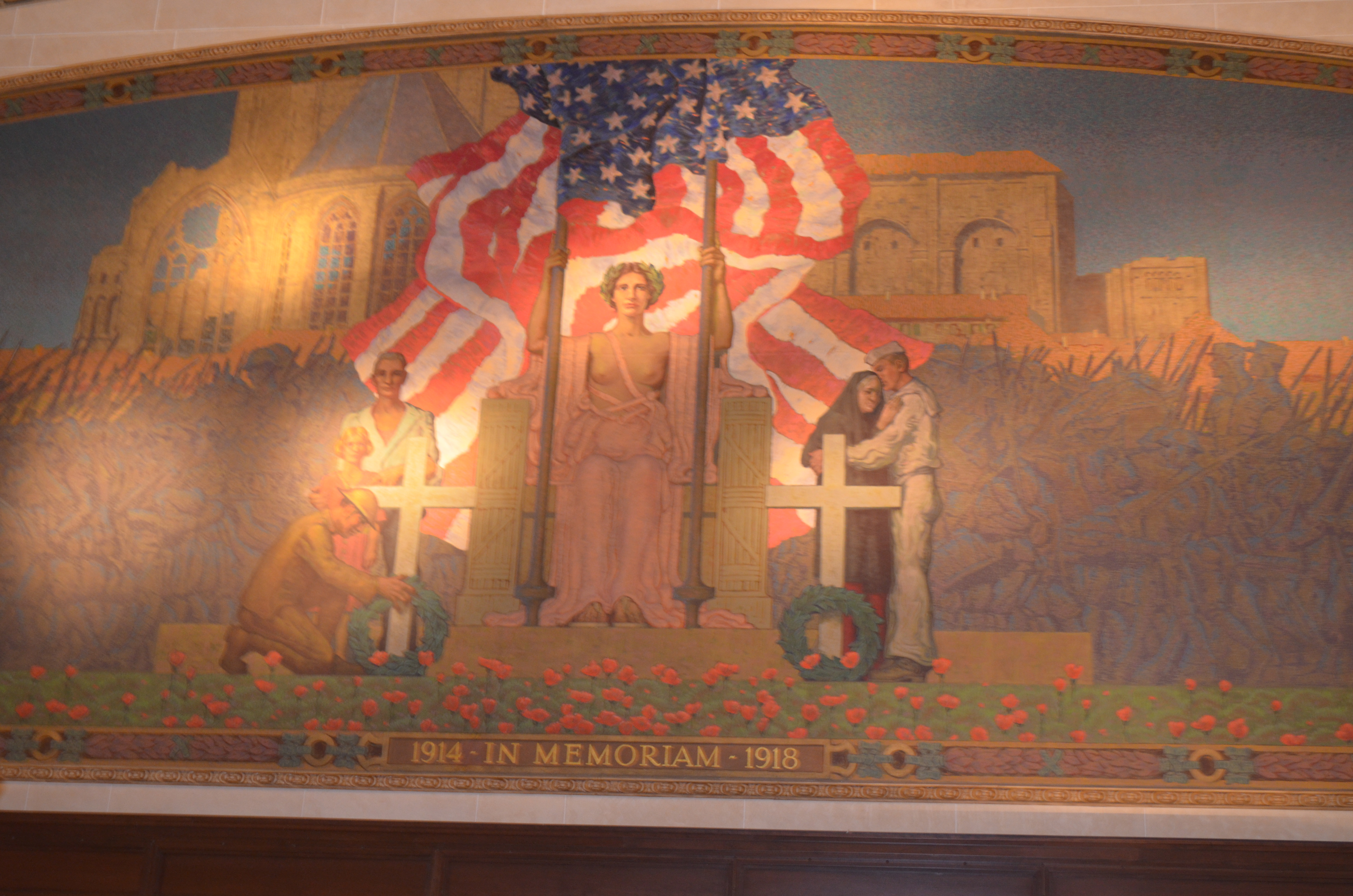
There are life-sized murals which can only be described as glorifying, if not war, than the strength and power of those who are successful in war.
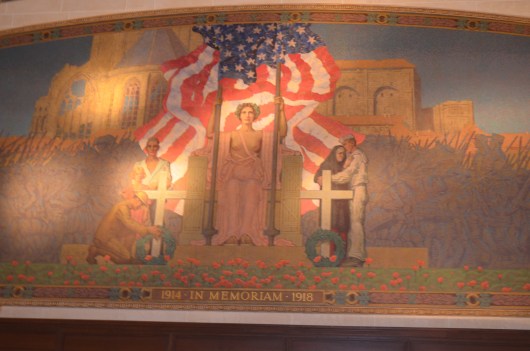
It is easier for the eye to turn to the powerful and positive symbols of hope and accomplishment.  But nothing, in a place dedicated to war, can escape the reality of death.  It is everywhere. In the midst of the exhibits are reminders of the humanness of the suffering.  An example of the power of those posters is one quoting the leader of German mutineers, sentenced to death for his role in the mutiny of members of the German fleet, struggling to end the war:  “I have been sentenced to death today.  Only myself and another comrade; the  others have been let off with fifteen years’ imprisonment.  You have heard why this is happening to me.  I am a sacrifice for the longing for peace; others are going to follow”.

When the United States entered the war in 1917, it mobilized forces for war on the ground, on the seas and in the air.  It was a welcome relief to its allies and helped tip the scales for the war’s outcome.  Because it entered the war more than two years after the war commenced, our casualties were comparatively small.  But each casualty, our own, and those of our enemies, is real.

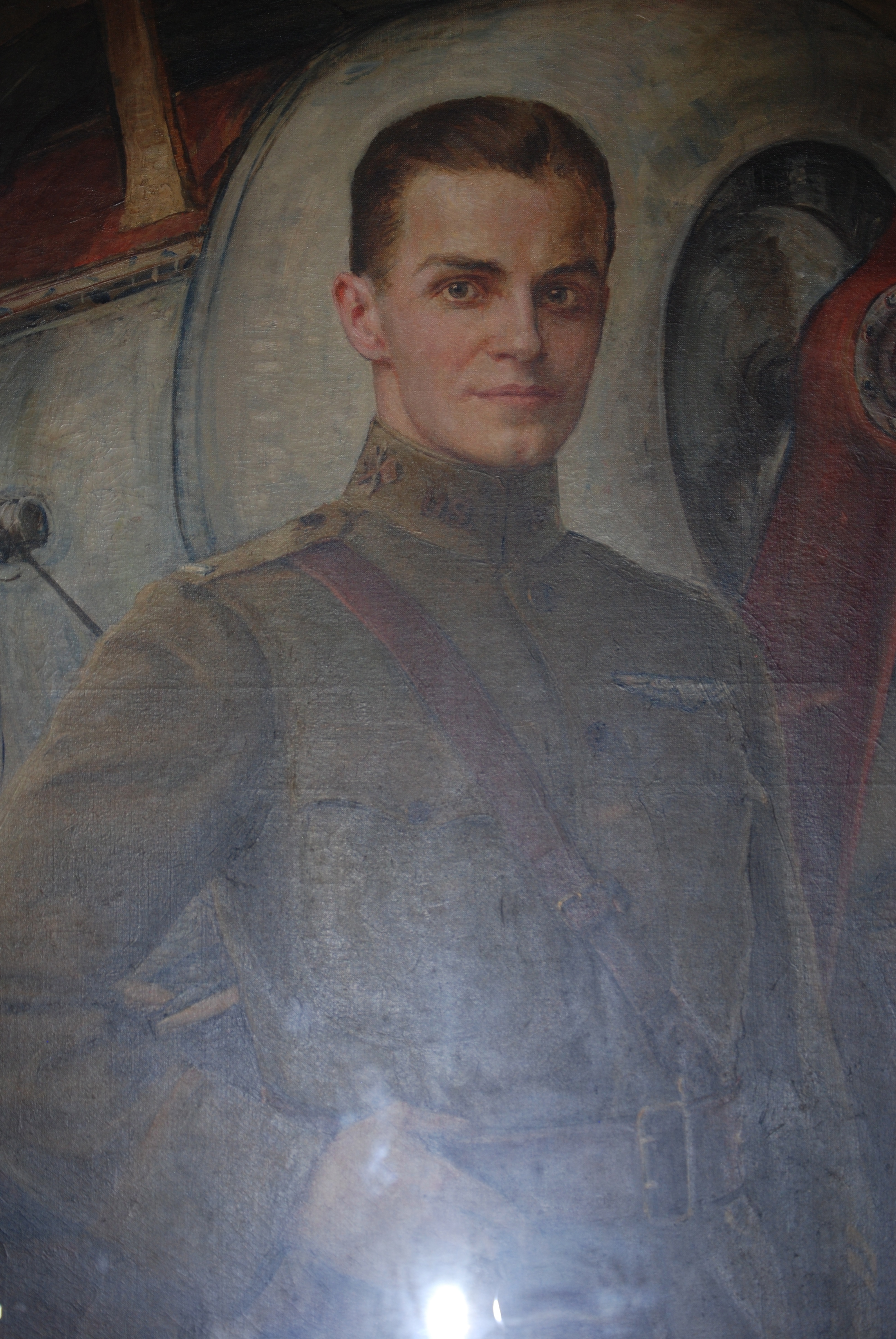
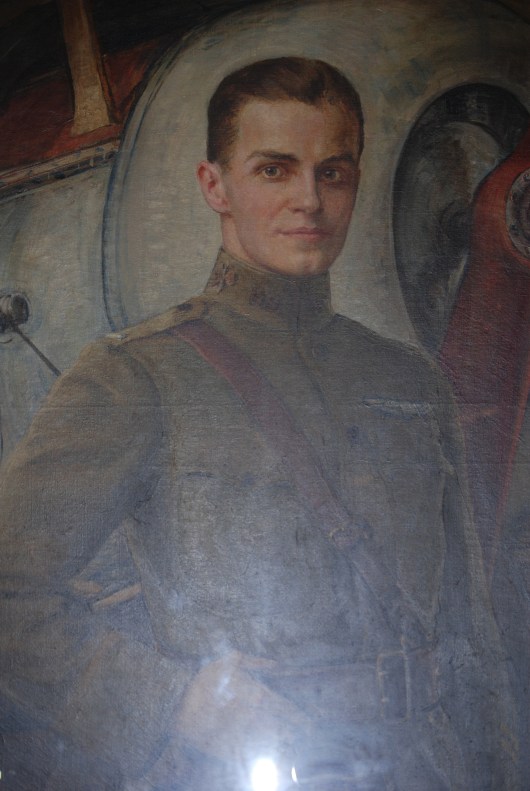
Throughout the museum are portraits, sketches and photographs of those who fought and those who died.  Each had his or her own personal and tragic story.  Each had a family who mourned the lost of their loved one. This portrait is of Lieutenant John F. Richards II, 1st Aero Squadron, killed in action September 26, 1918 over Argonne Forest, (France) part of the final Allied offensive in World War I.  I will not easily forget his face.
The World War I Museum is a place memorializing one of many tragic wars.  It is a place of sadness.  It is also a place of remembrance.  I would like to believe it is a place of hop.  I am not so sure.  But each of us benefits by being reminded of the devastation that is the inevitable result of human conflict.

When to go to war, whether to go to war and why to go to war are issues that have no easy solutions and I will offer none.  But it is important to be reminded of the tragedy of war and of the sacrifices made by our men and women of the military who make great personal and family sacrifices to protect their nation in times of peace and times of war.  We should never forget them.


Writing on the wall–The “people’s art”.

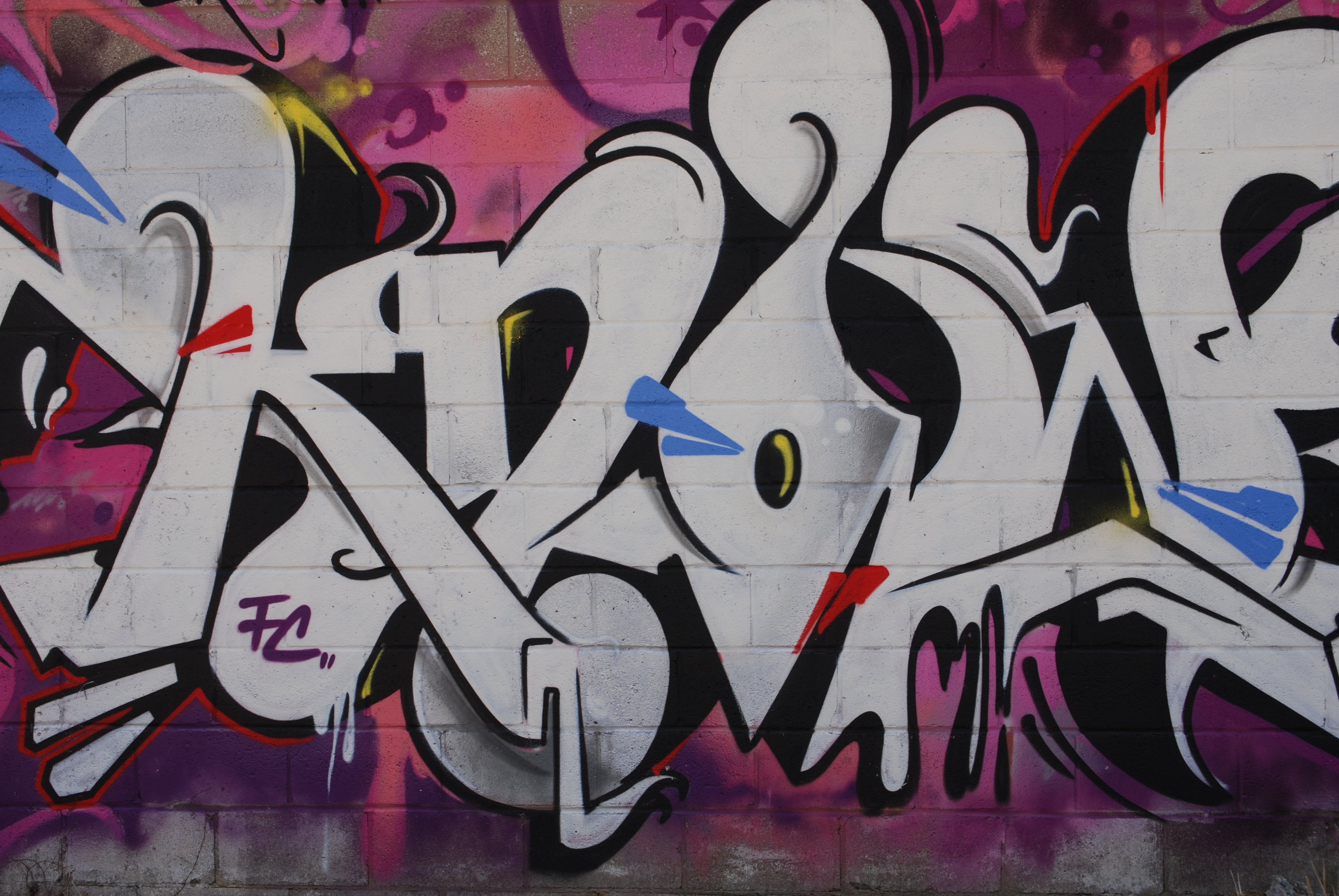
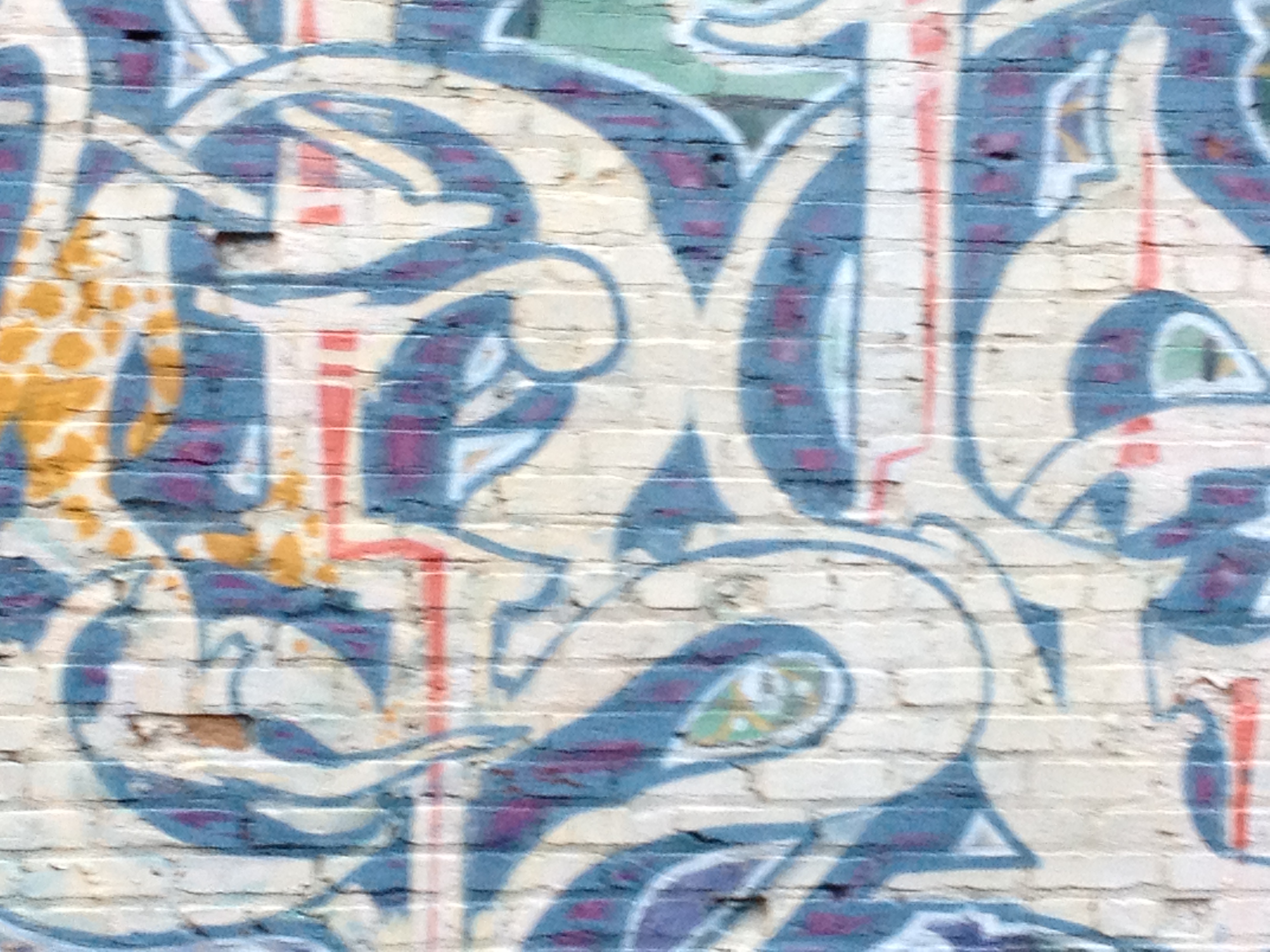
Kansas City’s art is found indoors and outdoors.  It is found in museums, galleries and outdoor parks.  These works of art can be found hidden in plain sight, on the walls of abandoned buildings and warehouses, sometimes in back alleys where only the most adventurous will find them. These street murals are generally skillfully done, and are, while sometimes unwanted, a celebration of life and creativity. While the artists are generally unknown to the general community, the initials of the artists are often included, announcing their skills to those who are part of the inner circle of these artists.

Some of my favorite graffiti is what I like to call “writing on the wall” because that is exactly what it is.  If the writings are actually words, I haven’t deciphered them.  But that does not diminish the skill of the artists, whose creativity never ceases to amaze me.  Here are some of my favorites, found within blocks of downtown, Kansas City.

x

x

x

x

I often wonder, when I find one of these writings, whether the creators are totally unschooled, have been to art classes or are just patient.

Sometimes I wonder where they buy the paint??  Is there a graffiti union?

A Kansas City Weekend

Jake and I were in Kansas City for a quick visit this weekend. Jake was in the first of three wedding we’ll be attending in KC this year. We barely sat down for a second the whole weekend, but it was great to see family and visit some of our old favorites.

Our first stop on Saturday morning (after a brisk run around Loose Park, of course) was Jake’s personal request: breakfast at Eggtc. It’s definitely one of the best places around, and for us it’s very convenient. Right at the intersection of 51st and Main. I highly recommend it. Plus, the restaurant on the corner has such wonderful phrases painted in the window.

Later in the day, Mum and I drove out South to drop Jake off at the church to get ready with the boys. On our way back, we stopped at one of my personal favorites: Topsy’s. I’ve been going there since I was a little person. They make a delicious cherry limeade.

On Sunday, we were lucky enough to get to see some of the family on our way back to the airport. My cousin Jon and his wife Dana are pregnant, so Mum and I (okay, mostly Mum) put together a little celebration brunch. A short visit, indeed, but always wonderful to see the Mesle clan. My granddad, who turned 97 last October, still joins us in the festivities.

So after a very short weekend, Jake and I headed home to California. We are always sad to leave Kansas City, but it does make it a little easier that we get to come home to sunshine, coastlines, and wine country. It’s a good life.

Springtime in Kansas City’s Country Club Plaza

It is a beautiful week in Kansas City. The tulips are in full bloom.
Pansies are everywhere, even in a “wishing well”.

The trees are starting to bud.

The Plaza is all decked out for Easter, with an oversized rabbit, turtle and other brightly colored animals for children to climb on and be photographed with.

Most exciting, the first of the Plaza’s fountains have been turned on.  It is our own little bit of heaven.  Pomona, an original sculpture by Donatello Gabrielli, is the Roman Goddess of the Earth.  She stares out on the Plaza as though aware of our comings and goings.

The Plaza is at it’s very best.  Ready for tourists and locals alike.

Have a great day!

Art on the Wall — Kansas City’s East Side

Meg and I love to travel.  When we return home, she returns to Petaluma; I return to Kansas City. Missouri doesn’t have an ocean or a light house.  It doesn’t have sandy beaches.  It doesn’t have mountains.  But Kansas City does have art, lots of art.  Some amazing art is right in plain sight, but we don’t always notice it. I have spent a lot of time driving around the city recording this art. I thought I would share some of the art I found on Kansas City’s East Side.

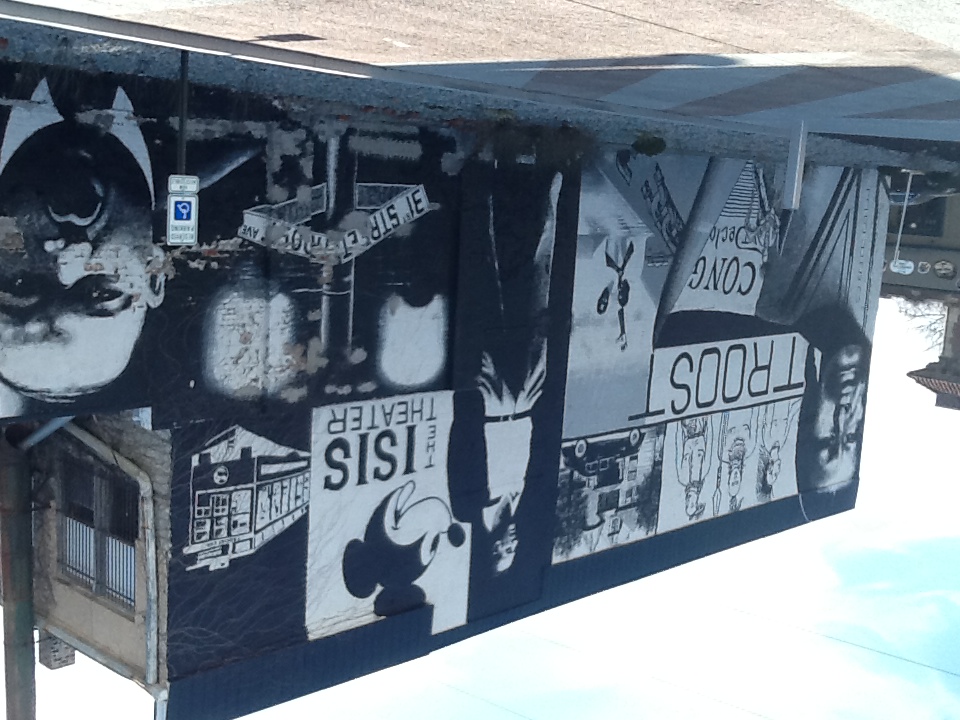
Sometimes the artist is paid well for the paintings or is a professional who volunteers his/her time and talent. This mural on Troost Avenue presents images of Kansas City’s history: Walt Disney, Mickey Mouse, Martin Luther King, Jr., native Americans.

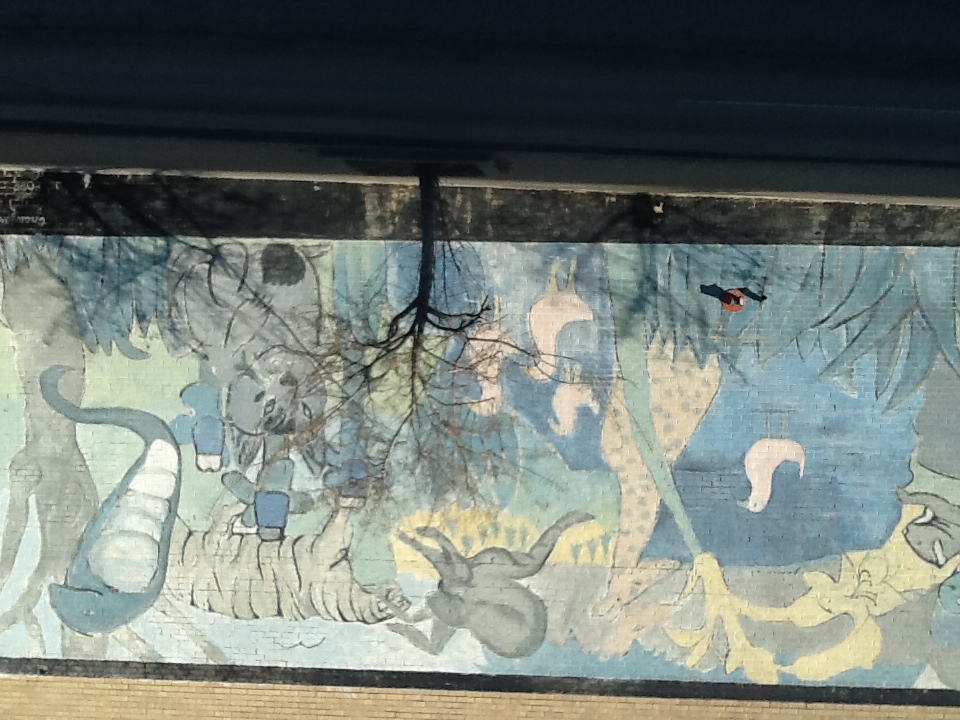
Some art is for children, such as the mural at Operation Breakthrough, which records the images of creatures, large and small.

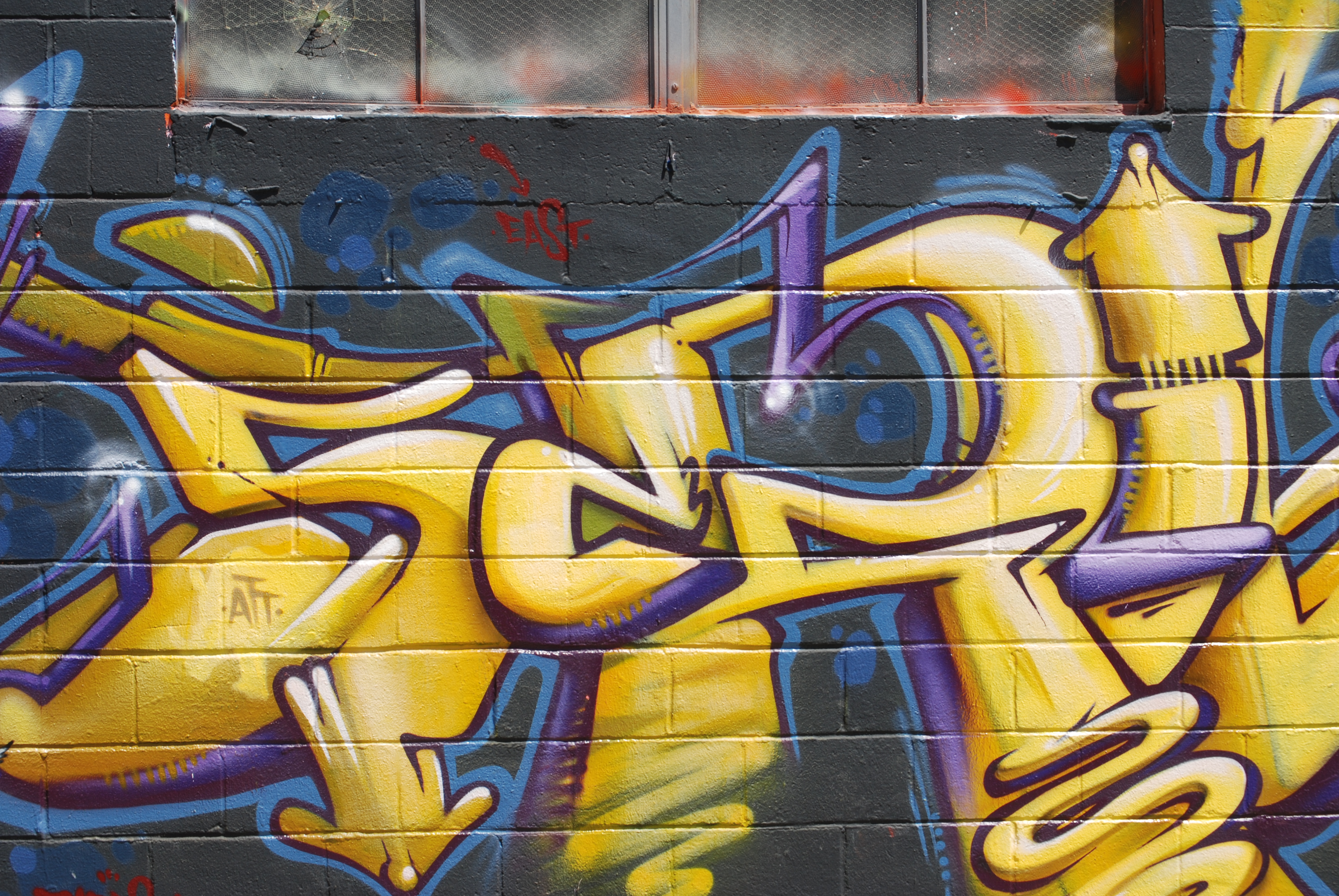
Sometimes kids create their own art without permission on bridges, abandoned buildings and overpasses, ie graffiti. The vivid colors are impossible to ignore.

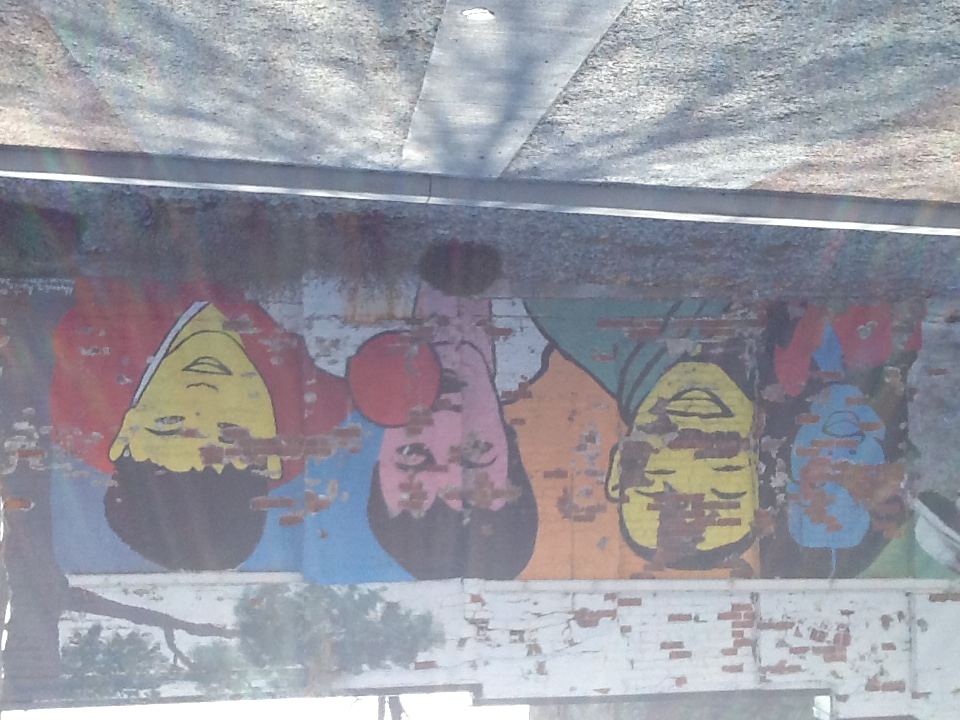
Frequently road art captures the essence  of a community  within a community.  Sometimes it conveys hope.


Other times it conveys the joy of creativity and the enthusiasm of youth.