The Politics of Faith–Who Speaks for God

I’m a preacher’s kid (that is “PK” for short).  I was raised in church, or it seemed that way.  We were taught that we were part of the one “true” church.  But we were also raised to believe in loving one another, treating others with respect, working hard and following the adage that “to whom much is given, much is expected”.  God was the center of the family.

My family history is replete with relatives who were part of minority Christian religions.  My Mayflower ancestors , Thomas Rogers, John and Francis Cooke were Separatists who moved to the Leiden, Netherlands because of religious persecution in England, before sailing to a better life in Plymouth.  More recent ancestors participated in the Seventh Day Baptist Church, the Free Will Baptist Church, and the Methodist Episcopal Church.  I was always mindful of the ways in which my beliefs compared, and contrasted, with those of more vocal participants in public life.

My grandparents were “God-fearing” people, active in their religion. Unique for their time, they believed, as part of their faith, in equality of the sexes and equality of people of different races.   With the benefit of a rich religious heritage I have been privileged throughout my life to interact with people representing a wide variety of religious and moral perspectives. Many of my closest friends are not Christian.  I have been privileged to see glimpses of the world through their eyes.  I do not find their faith or their morality to be in any way deficient.

As an observer in the political process, I ask myself, what is the role of faith in public life?  How do we remain true to our beliefs, whatever they are, while also remaining true to the other teachings I remember from childhood about respect for others?  How do we  work for a better world when our own understandings of how to make such a world are so limited.  How do we appropriately show respect for the beliefs of others while remaining faithful to our own world views and beliefs.  As I struggled with these issues, it occurred to me that there were two books in my collection I could turn to for wisdom. They are Faith and Politics, by former U.S. Senator John Danforth, and The Mighty and the Almighty” by former U.S. Secretary of State, Madeleine Albright.  I hope  that my exploration of these books will be of interest to our followers.
Art on the Wall — Kansas City’s East Side

Meg and I love to travel.  When we return home, she returns to Petaluma; I return to Kansas City. Missouri doesn’t have an ocean or a light house.  It doesn’t have sandy beaches.  It doesn’t have mountains.  But Kansas City does have art, lots of art.  Some amazing art is right in plain sight, but we don’t always notice it. I have spent a lot of time driving around the city recording this art. I thought I would share some of the art I found on Kansas City’s East Side.

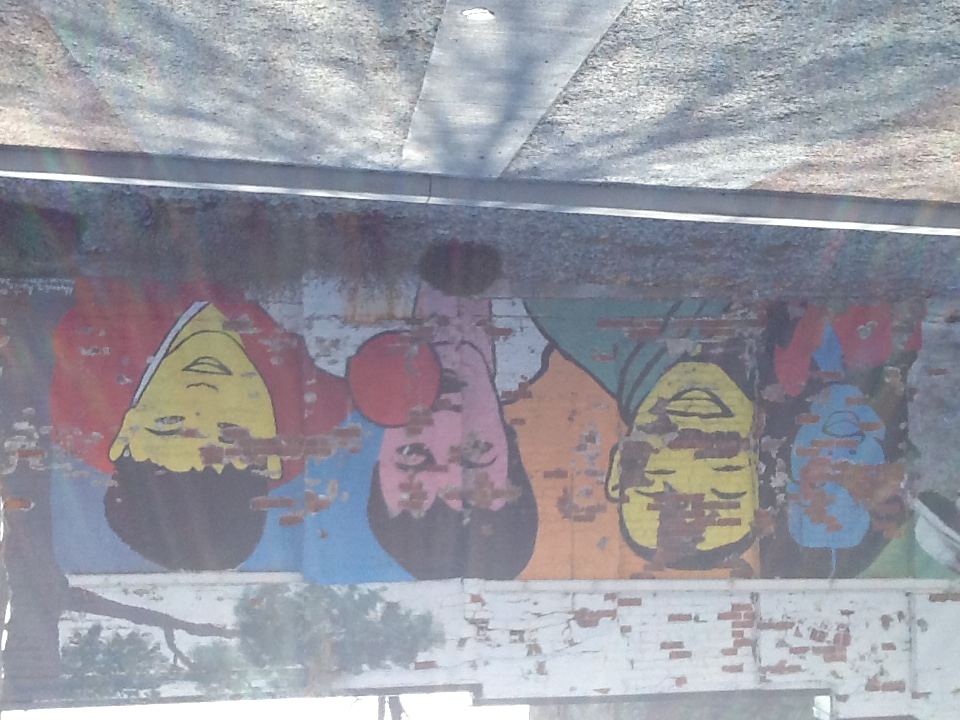
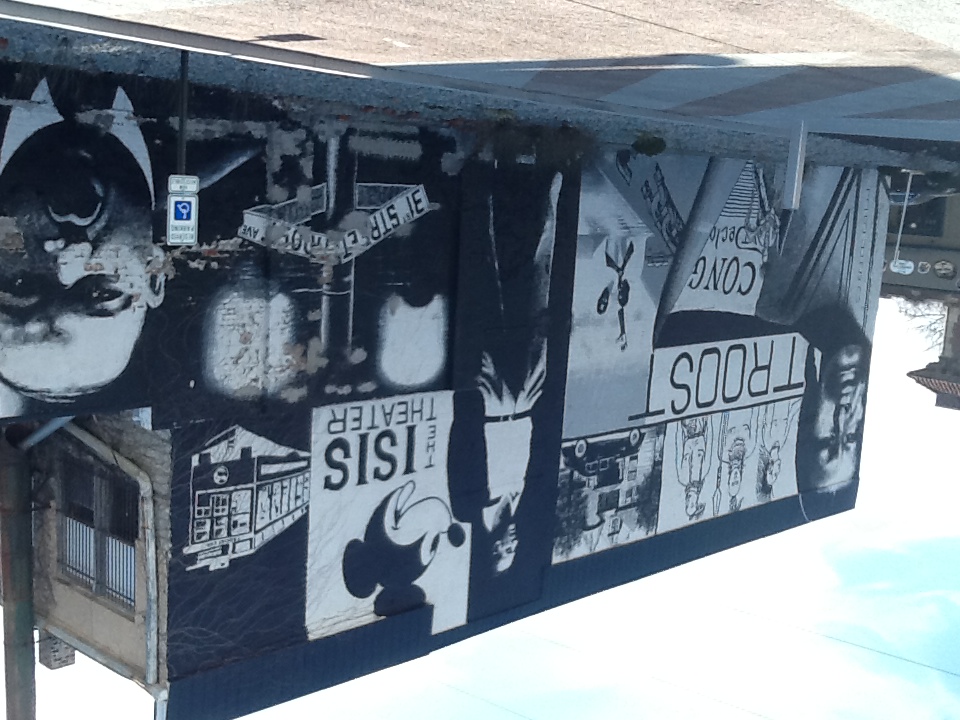
Sometimes the artist is paid well for the paintings or is a professional who volunteers his/her time and talent. This mural on Troost Avenue presents images of Kansas City’s history: Walt Disney, Mickey Mouse, Martin Luther King, Jr., native Americans.

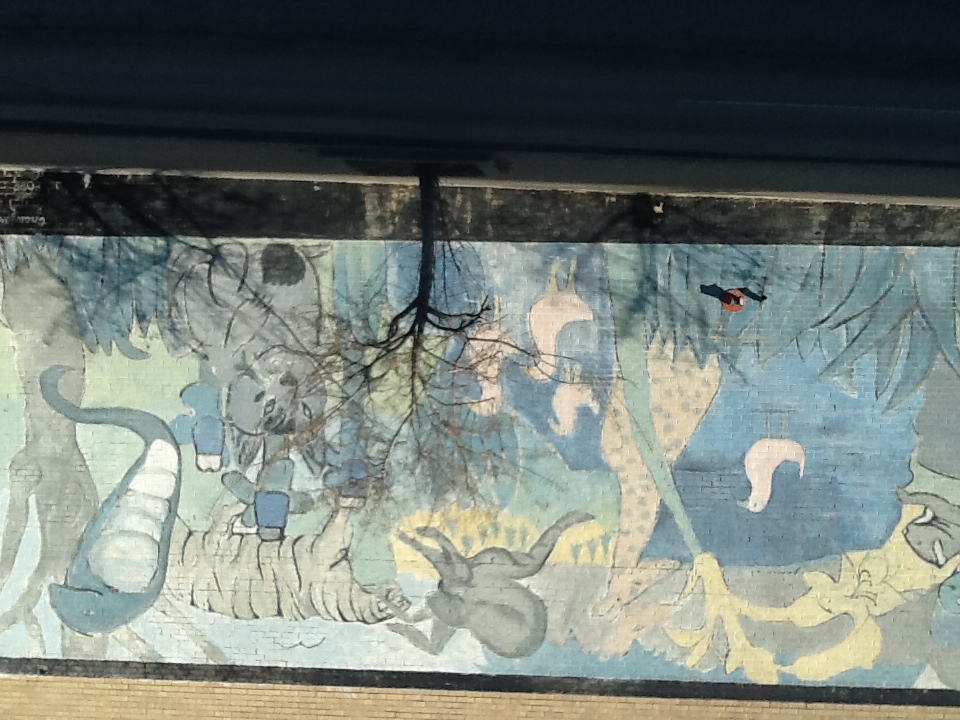
Some art is for children, such as the mural at Operation Breakthrough, which records the images of creatures, large and small.

Sometimes kids create their own art without permission on bridges, abandoned buildings and overpasses, ie graffiti. The vivid colors are impossible to ignore.

Frequently road art captures the essence  of a community  within a community.  Sometimes it conveys hope.


Other times it conveys the joy of creativity and the enthusiasm of youth.

Point Reyes Lighthouse: a great place to spend the afternoon

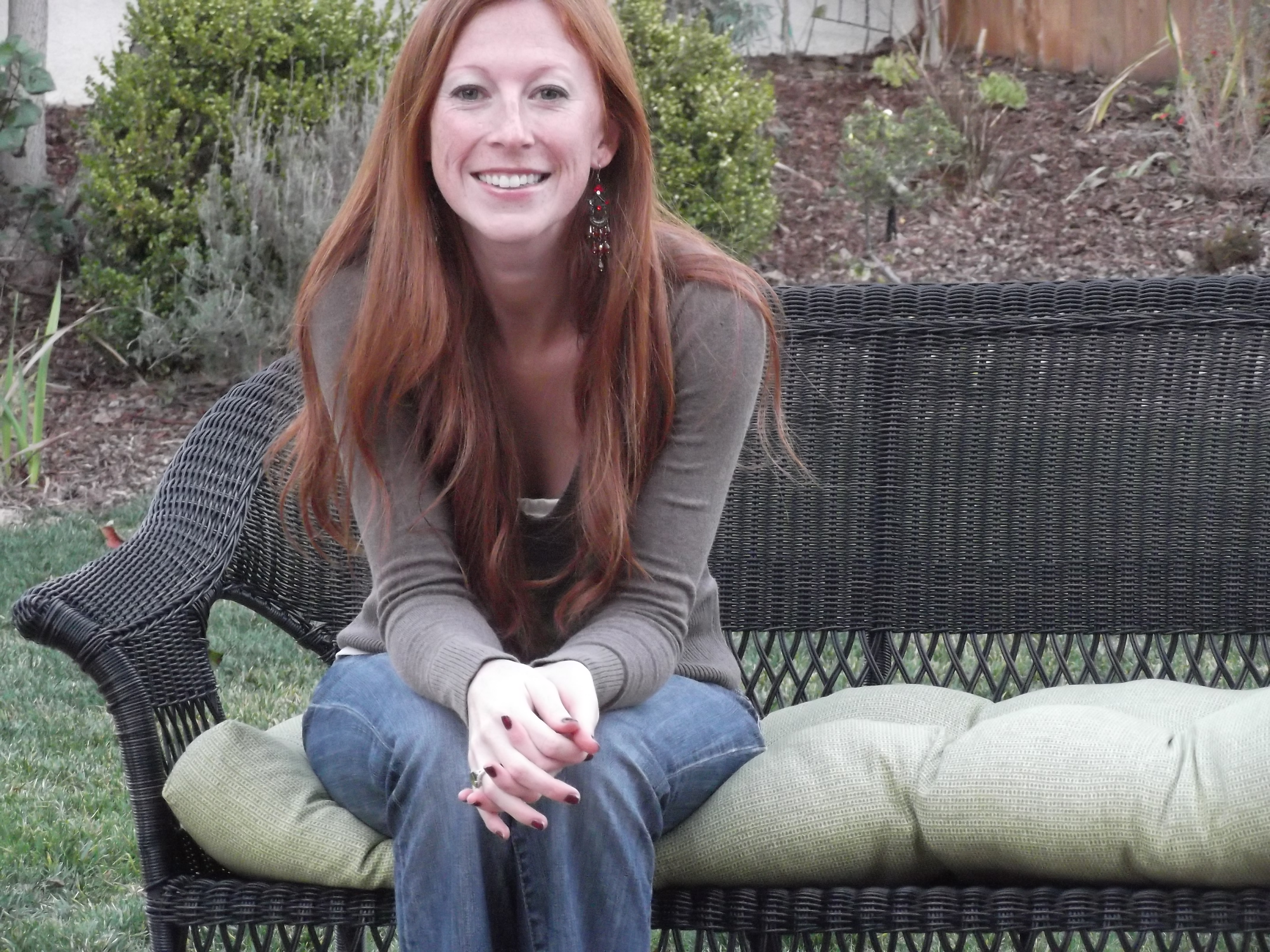
Meg has a J.D. in Urban, Land Use and Environmental Law. She focuses on maintaining the balance of community and environmental health, healthy lifestyles, and encouraging sustainable living.

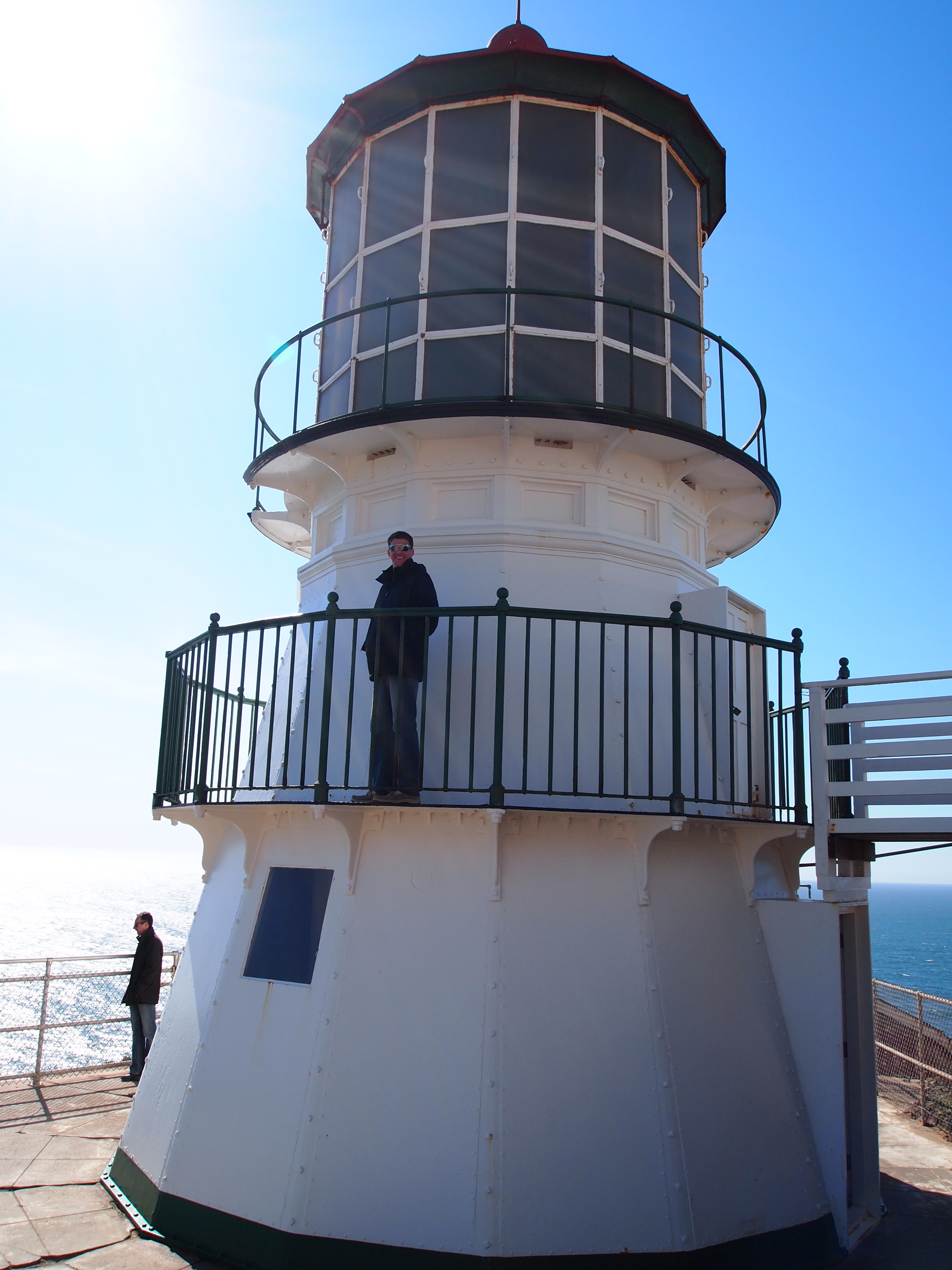
Once Jake and I got back from Fiji, we were sad we had to leave the sandy beaches and warm sunshine. Of course, we were happy as clams to get back to our babies, Lily and Cousteau. Still, we missed the ocean. Then it dawned on us. We LIVE right by the ocean! The big Pacific. So off we went on an afternoon adventure to the Point Reyes Lighthouse.

To get to the lighthouse, you first have to drive into Point Reyes National Seashore, which is part of the U.S. National Park Service. It is such a beautiful drive. Along the small two-lane road you see nothing but hills, green grass, lots of cows, and historical ranches. The historical ranches date back to the mid-1800s, and I believe they are all still operated to this day.

So here we are, driving perpendicular to the coast, heading south through Point Reyes National Seashore. It’s a great, big peninsula, taking approximately 30 minutes to drive from the main entrance all the way around to the lighthouse. The drive there is amazing, but once you park in the little circle lot outside of the lighthouse entrance, you can’t help but feel you’ve stepped into a coastal paradise.

It’s not hot beach weather, but the sun is shining and the waves are rolling into the coastline. To the south you can see the Farallon Islands sitting about 20 miles away, and to the north, you can see miles of Point Reyes beaches with incoming waves.

It’s about a half mile walk to the upper buildings, which include a little shop and visitor center. Then, 308 steps descend down to the lighthouse. It sounds like a lot, but it’s totally worth the climb. The day we were there, a small group of locals had gathered with huge cameras and binoculars to look for the grey whales migrating back north. We were even lucky enough to see a few blow spouts!

So, we got the see the ocean again, and we didn’t have to fly anywhere to do it. Living in California is quite incredible, especially with places like the Point Reyes Lighthouse right in your backyard.

Life in an Old Tree

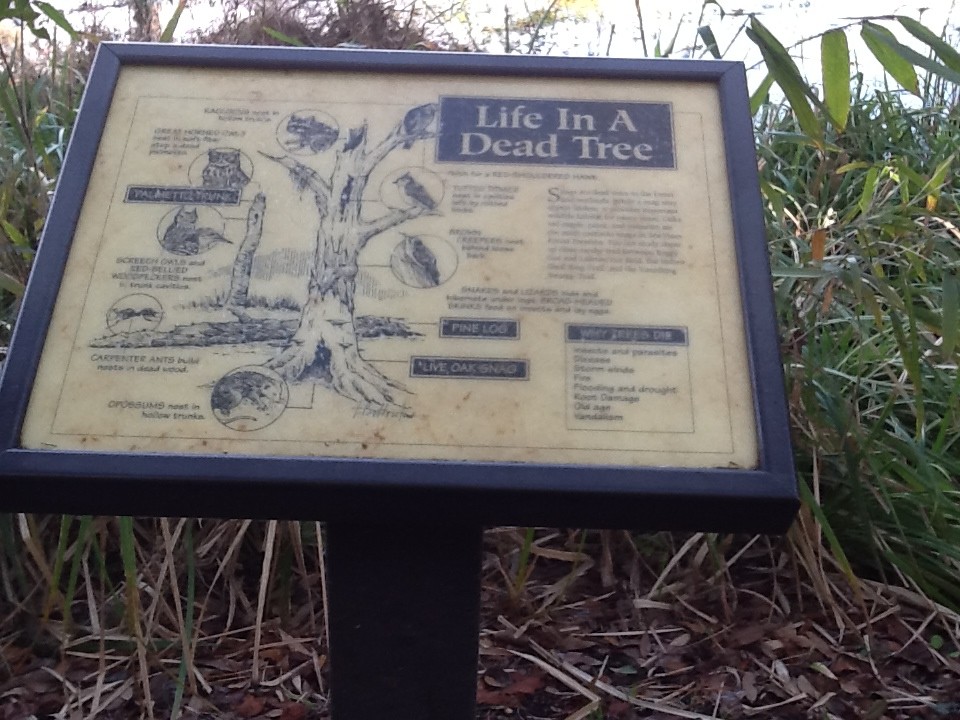
“Life In A Dead tree” reads the sign abutting the nature trail at Sea Pines, Hilton Head. While others may consider a dead tree to be–well, dead–at Sea Pines, the tree is viewed differently, as teeming with life, nurturing life and protecting the environment.  Dead trees are considered to be so valuable that you may need permission to remove a dead tree.


What possible benefit is the protection of a dead tree?  Read the sign!  Dead trees provide a nesting place for birds and small animals while providing building material for their nests.  A fallen tree provides ground cover and shade.  It can provide a breeding area for insects (for good and bad). It provides shelter for small animals and birds from predators, large and small.  It creates a barrier to wind, protecting the soil from erosion.

At the end of the process of decay, it fertilizes and nourishes the earth, providing the nutrients that constantly renew the forest.  A tree submerged in the water provides a place of safety for fish and other aquatic life.  All things considered, there is still plenty of life in that dead tree as it supports and protects new life around it.


International Women’s Day-March 8, 2012

          March is Women’s History Month.  President Obama has described Women’s History Month as a time to reflect on “the extraordinary accomplishments of women” in shaping the country’s history.
          But it isn’t just Women’s History Month.  If you opened up google this morning, you saw the “google doodle” that announces that March 8th is International Women’s Day.  The UN also celebrates March 8th as UN Day for Women’s Rights and International Peace.
          We sometimes need to be reminded of the strides we have made in developing richer, fuller lives for women and our families. We live in an era when our women friends are highly educated, live rich full lives with significant control over our personal destinies.  We are mindful of the educational, employment and personal opportunities available to women in this country. But we recognize that women in many parts of the world live their lives subject to rigid societal expectations, unable to be educated, and unable to control their destinies.  We are also mindful of the current environment in which women’s issues are once again a focus of political and media attention that harkens back to less progressive times.
          Meg and I take seriously the challenge of conflicting personal values concerning the role of women in society.  We recognize that people have differing opinions on a wide variety of issues from child care to contraception to employment opportunities. With that said, we believe in the right of all people to be treated with equal respect and equal dignity. We share U.S Supreme Court Justice Thurgood Marshall’s belief that for women there is little difference between a pedestal and a cage. We believe that Title IX, which requires that women and men receive equal educational opportunities, is invaluable in developing the equal role of women in society.  We respect and appreciate the men in our lives. We consider them our equals and consider ourselves equal to them. We respect the choices of women who dedicate themselves to family, home and community.  We believe that their choices, like ours, contribute to strong families and to rearing children who are happy, and who are physically and emotionally healthy.
          In 1995, Secretary of State Hillary Clinton said at the United Nations Fourth World Conference on Women that “women must enjoy the right to participate fully in the social and political lives of their countries if we want freedom and democracy to thrive and endure.”  What is true of the rights of women in developing countries is also true of women in this country.
           As we support the equal rights of men and women, we should also follow her wisdom that, “What we have to do…is to find a way to celebrate our diversity and debate our differences without fracturing our communities.”  We are grateful for being part of a community of friends who love and care about each other and endeavor to create a better and more just society.

The Beautiful Sights of Fiji

Meg has a J.D. in Urban, Land Use and Environmental Law. She focuses on maintaining the balance of community and environmental health, healthy lifestyles, and encouraging sustainable living.

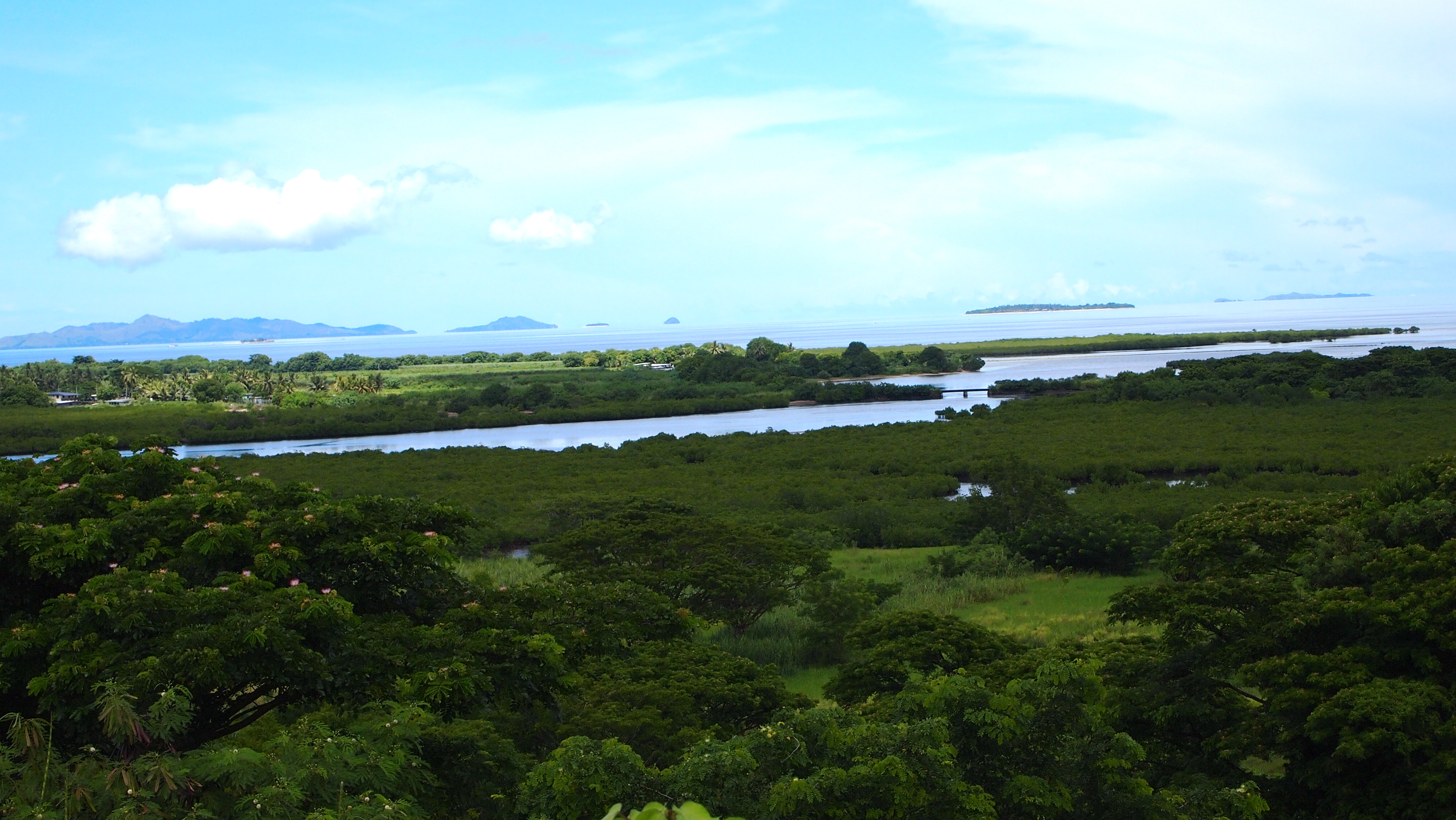
One of the first things you see when you land in Nadi airport is the Mountain of the Sleeping Giant. You can see the outline of the Giant’s face, the mouth, the nose. It is quite an amazing sight.

After a few days of enjoying the Fijian culture and hiking through the jungle to see the caves previously used by local tribes in the 1800s, Jake and I decided to do a little driving tour of some of the local sights. We visited the town of Lautoka, went to the Garden of the Sleeping Giant to see all the beautiful orchids, and covered ourselves with mud at the mud pools and hot springs.

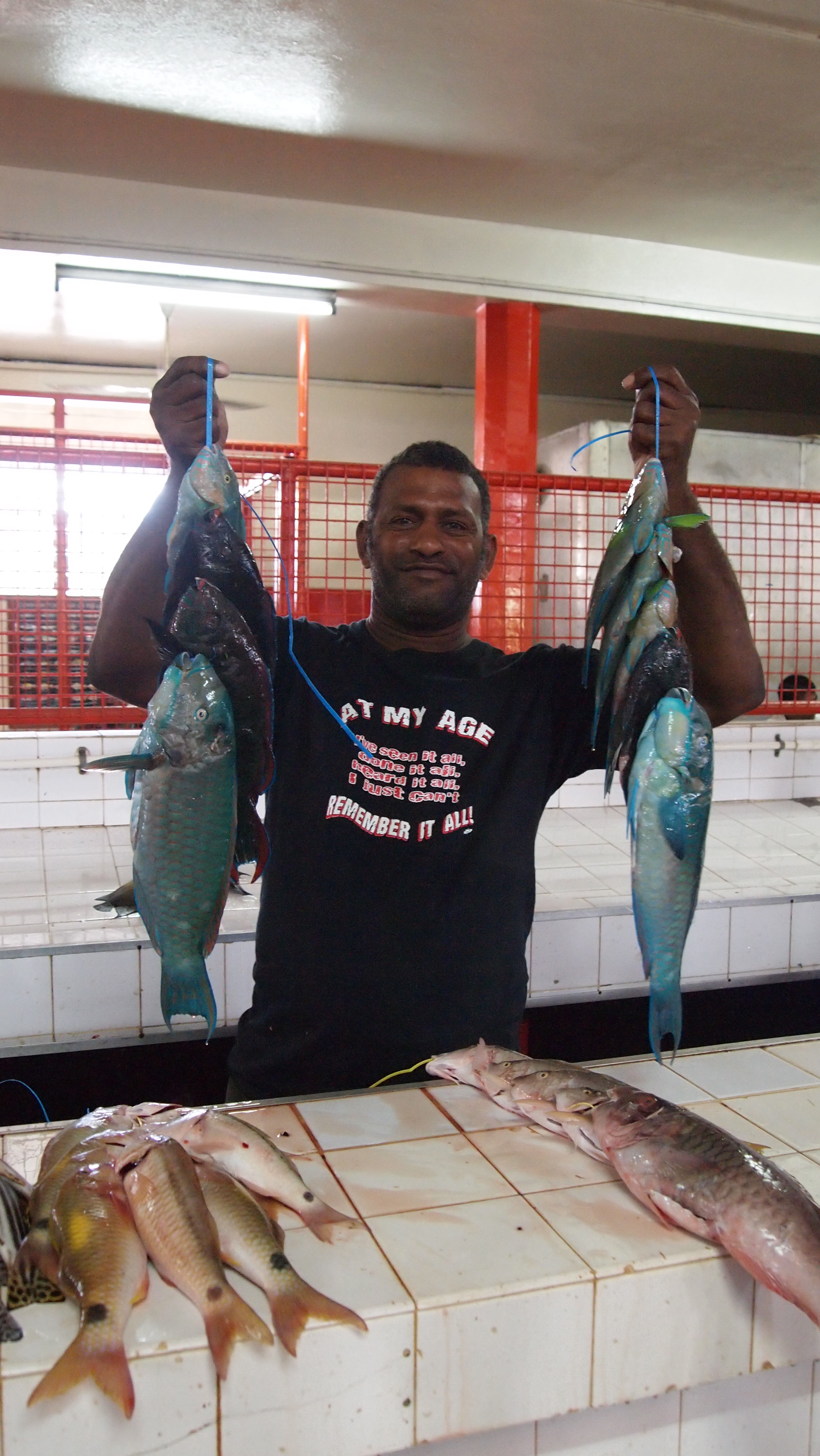
Our first stop was the town of Lautoka, where we visited the market. There were not many tourists here, so it gave us the opportunity to see what a normal day in the market in Fiji looks like. We saw the fruit and vegetable stands, the spice stands, and even the “fish room.” It was quite fascinating to see the giant room dedicated to the market. I don’t know if it operates every day at the same level, but there certainly were a lot of merchants there on a Friday morning!

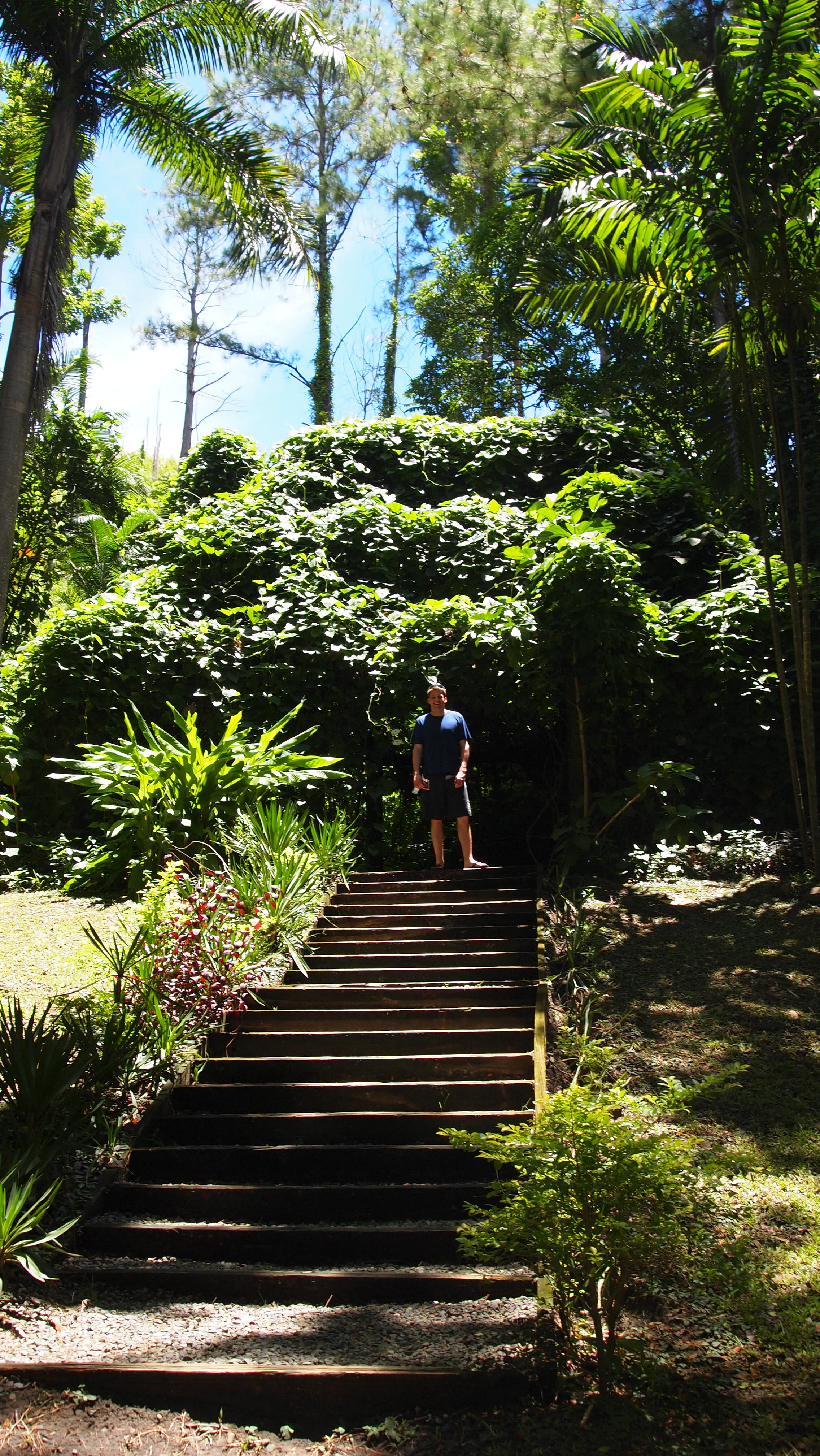
Next, we drove to the Garden of the Sleeping Giant, which sits at the base of the Mountain of the Sleeping Giant. In this garden, there are over 200 species of orchids. They are stunning. At every turn you see some new flower you never new existed, all with a backdrop that is positively breathtaking. We saw ponds, walking paths into the hills, and huge clusters of bamboo trees. There was also a little hut at the top of a rock staircase, which looked perfect for ceremonies and special gatherings. Below, a lawn surrounded by lush green and tropical beauties.

Upon finishing our enamoring stroll through the Garden, we continued on to the mud pools. To the people of Fiji, these pools are believed to have healing powers. The guide at the pools told us a story of a man in a wheelchair who was told he had no chance of walking again. He came to the pools in hopes of being healed. Sure enough, after sitting in the believed healing waters of the pools, he stood up, climbed out of the pools, and never used his wheelchair again. I do not know if it was the power of the water or the power of faith, but it was an inspiring story nonetheless. For us, it was a way to recharge after a few very busy days. I probably wouldn’t cover myself in mud again, but the hot springs were quite nice.

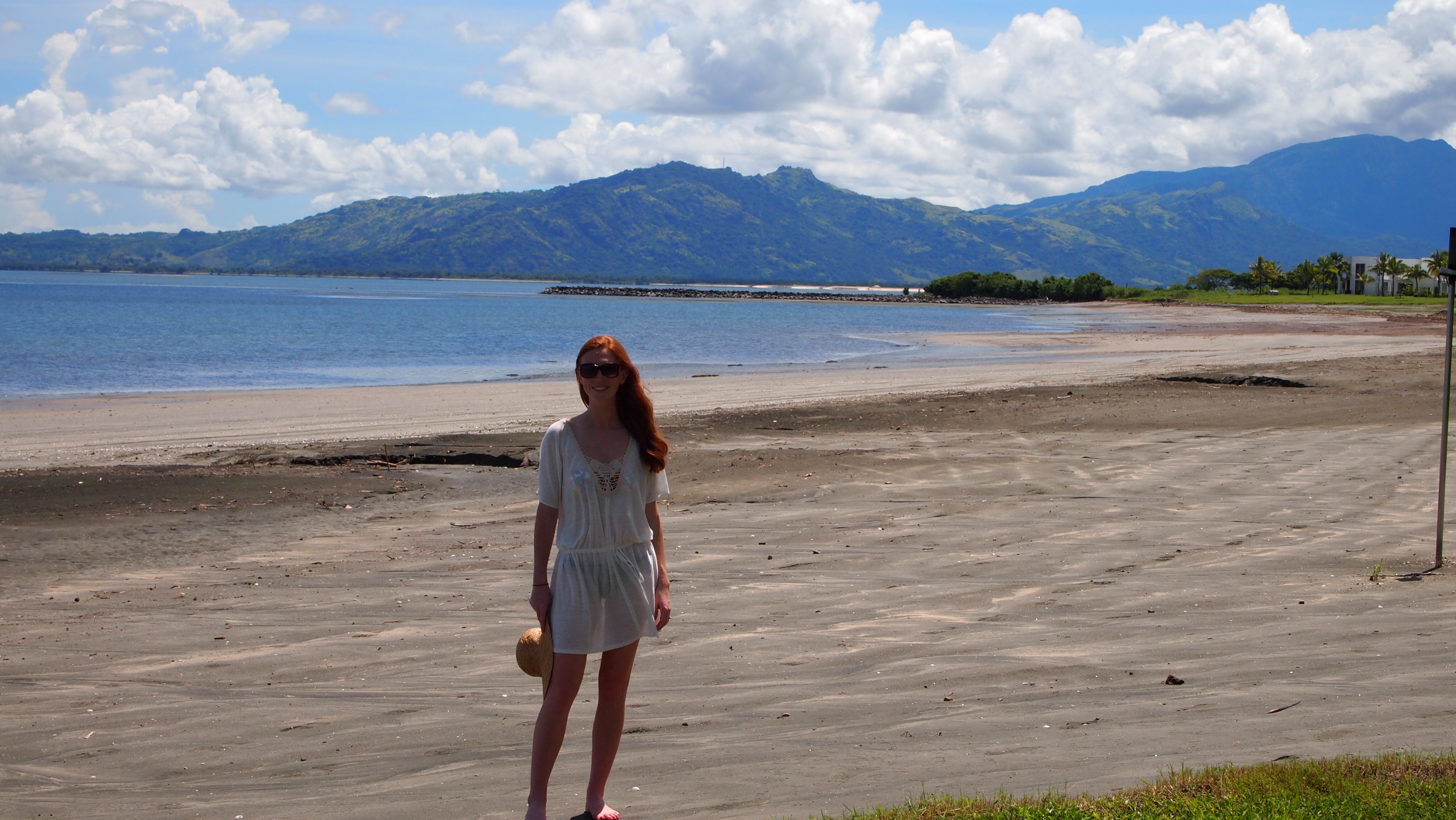
After returning from our day of exploring, we decided to take a walk on the beach. We found a little place by the water and had dinner on the sand. We watched the sunset, reflected on our day, and we continue to be in awe of the beauty and culture of this country. Fiji is such a magnificent place, you never know what natural beauty you may stumble upon next.

The Islands of Fiji: a small piece of Fijian history

Meg has a J.D. in Urban, Land Use and Environmental Law. She focuses on maintaining the balance of community and environmental health, healthy lifestyles, and encouraging sustainable living.

The Fiji Islands are home to many fantastic resorts and beautiful beaches. There are a million things to do while there, and the people are unbelievably friendly. As a history major in undergrad, I am always curious how a place becomes what it is. What makes the people the way they are. Why things are as they seem. We learned a little more about Fiji our second trip around, and there are a few things I find particularly fascinating.

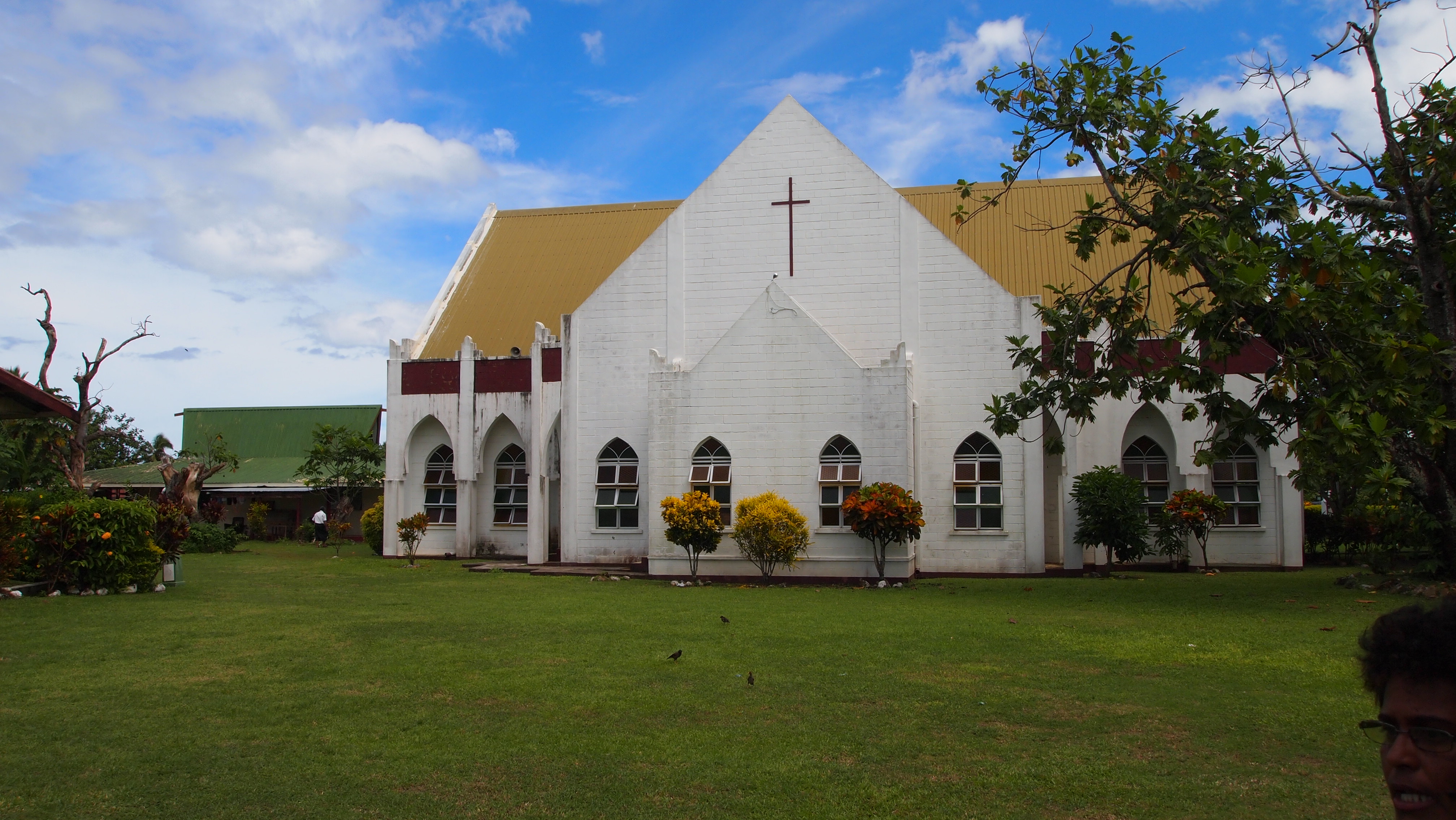
The first thing you will notice in Fiji is that there are two dominant ethnicities: native Fijian (who are primarily Christian/Methodist), and Indian (primarily Hindu). There are also a number of people of Tongan descent, also from an island in the South Pacific, but Fijian and Indian are the prominent ethnicities.

During one of our tours to a village up in the hills, we passed many sugar cane fields along the way. This has become Fiji’s primary agricultural product over the last 150 years. Apparently, before sugar cane, there were many different crops that the Fijian people tried to grow unsuccessfully on a large-scale. When the British began occupation of Fiji in the 1870s, they found sugar cane took well to Fijian soil. The only problem was that the Fijian people were not familiar with sugar cane, and they had no idea how to grow is well. In 1879, the British brought thousands of workers from India to spend a decade in Fiji building the sugar cane industry. At the end of their 10-year contracts, only one out of every 10 Indian workers wanted to leave, and thus developed a new local population. Today, Native Fijians make up about 50% of the population, and Indians account for roughly 45%. The rest are those of us from the States, New Zealand, Australia, etc. who love Fiji so much, we just decided we want to live there. (Obviously, I’m not in that category yet. I just love it so much, I feel like I should be!)

Sugar cane continues to be Fiji’s #1 agricultural product. The only greater industry for Fiji’s economy is tourism.

Another fascinating thing we learned about Fiji is that is used to be known as the “Cannibal Isles” because many of the tribes practiced cannibalism. This was many years ago, of course, but something I had not actually thought about existing in the last few hundred years. Circa 1867 was supposedly the last act of cannibalism in Fiji. It was a time-honored tradition, where tribes would eat their enemies during times of war. The Chief, or “Ratu,” would eat the enemies’ brains to gain knowledge. The warriors would eat the enemies’ muscles to gain strength. The last act supposedly occurred when an English missionary and his caravan of Fijian methodists met the Chief of a small village. The missionary touched the Chief’s head. Apparently, this was not okay, because the tribe then killed the missionary, along with his Fijian followers, and the tribe ate them in response to what they considered an act of war.

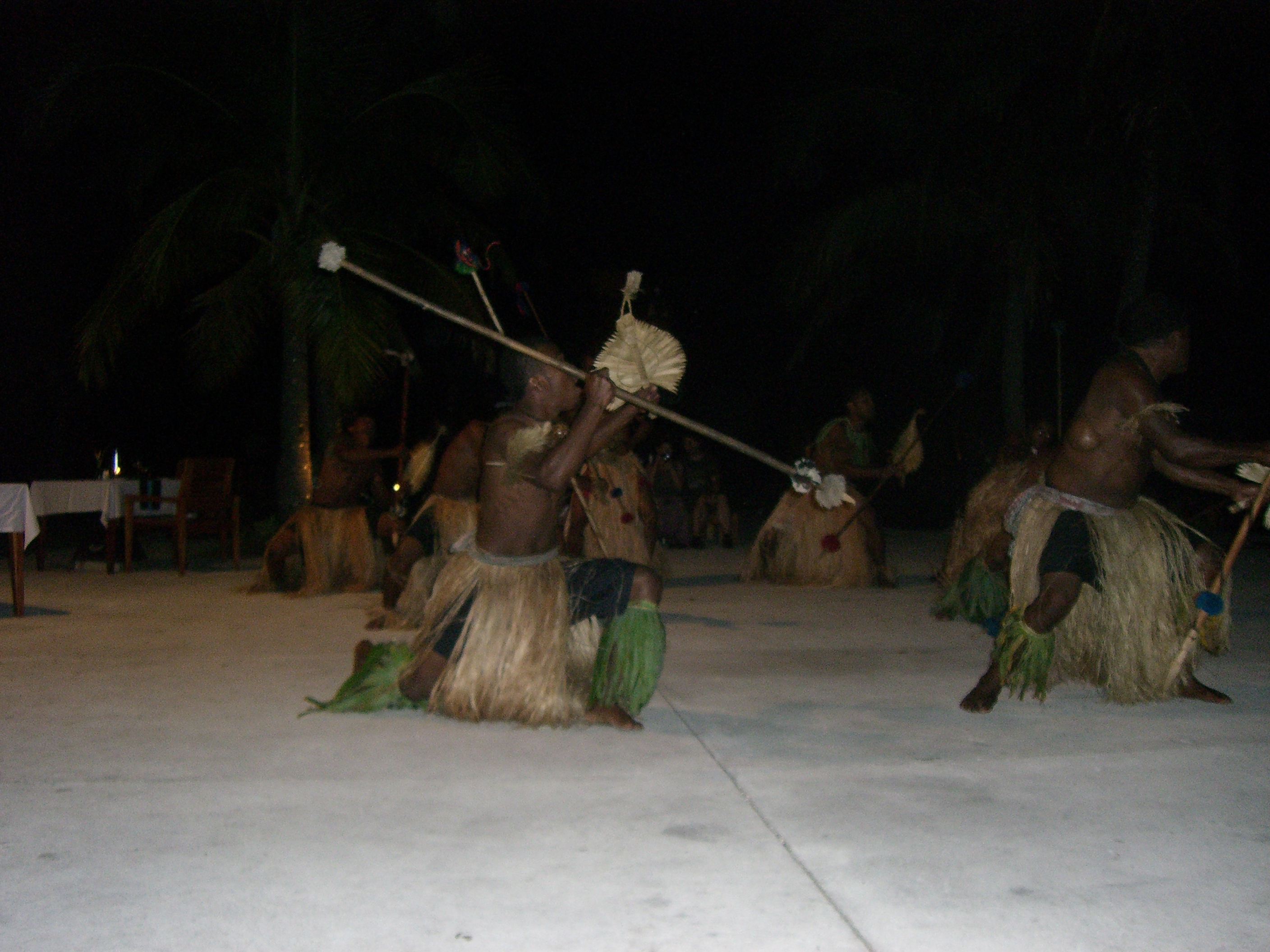
This photo was taken during our first visit to Fiji, in May 2010. The resort has activities every evening, and this was a demonstration of a traditional Fijian dance.

I wonder whether this was actually the last time cannibalism was practiced in Fiji, or whether it was simply the last to be documented. My husband points out that cultural and religious traditions do not die easily, that people often continue to practice their beliefs even after they are encouraged (or ordered) not to. I wonder if that piece of Fiji’s cannibal history is part of the reason the people are so much the opposite today. Every single Fijian person I’ve met is very welcoming to outsiders. I don’t think I’ve ever even seen a Fijian in a bad mood. Perhaps in modern times, the Fijians all grew together in a way. With transportation and communication so easily accessible, they could have grown into a common understanding and a common community, even if they each come from a different village.

The more I learn about Fiji’s history, the more I want to learn! It truly is a beautiful place, and the history only adds to the adventure. I look forward to learning more in the future.

Sophia’s Grand Tour

When I think about a grand tour, I envision the Italian Riviera, Big Ben, ancient cities and wonderful museums.  But we are talking about Sophia.  She is only two.  Besides, she already lives in the one the world’s most wonderful cities, with its canals, museums and tulips.  So for Sophia, a grand tour involved flying to the United States to see what we have to offer.
Kansas City

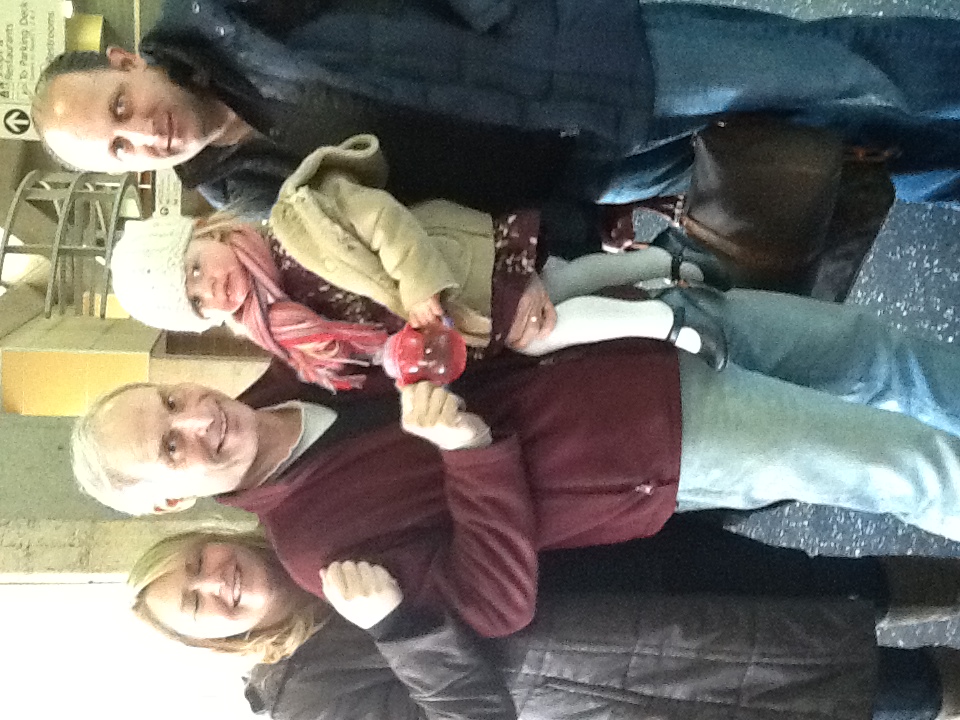
Sophia and her mom and dad arrived in Kansas City International Airport for a 3-week vacation to visit relatives and have a change of pace from the cold European winter.  Granddad met her at the airport.

Our schedule revolved around her naps, her bath and her periods of high energy.

Food was always a source of entertainment.  She prefers dark breads, tangy cheeses and her dad’s great cooking. She also ate local foods that were unusual for her.  We tried to remain consistent with mom and dad’s preference that she eat only organic eggs, milk fruits and vegetables.

She visited many of our favorite haunts: including the Country Club Plaza and Kauffman Gardens.  She ate dinner at a lovely little restaurant at 17th and Summit.

Her uncle Bill and Aunt Sherry came to see her.  She spent a lot of quality time with Casey.

Way too soon, it was time for her to leave Kansas City for a week in:

The Heart of Texas

Sophia and her parents flew to Dallas/Fort Worth, Texas to visit family and old friends.  She went to the zoo with her Aunt Christina.

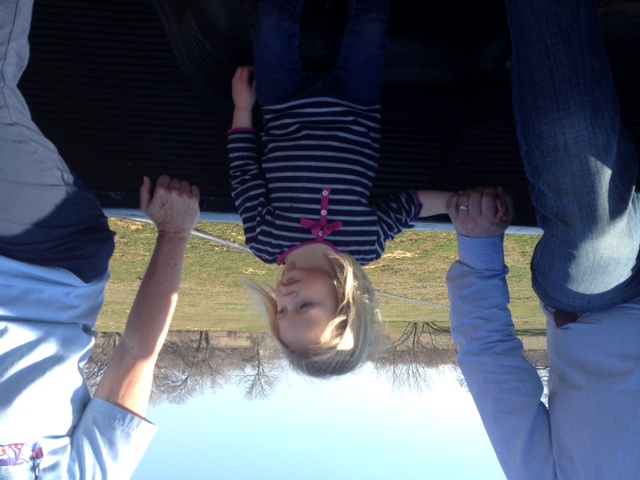
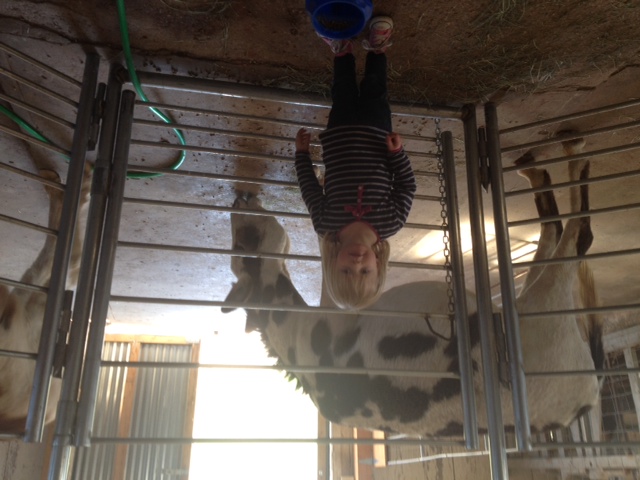
She visited her great aunts and uncle in Springtown, Texas, where she got to get “up close and personal” with cattle and donkeys on the family farm.  

She went shopping with her mom and dad.  She visited her Grandmother Judy and all her family.

We know how hard it must have been for her grandmother Judy when she got back on a jet to travel

Sunny Florida

The real treat for Laura and Michel was the week in Southern Florida.  Despite Amsterdam’s beauty, they cold gray weather is a great motivator to get Laura, Michel and Sophia to meet us somewhere warm and sunny.  Siesta Key fit the bill perfectly.

Siesta Key is such an amazing place for children.  Sophia loves the water and the sun.  

She loved to run back and forth into the water, seeming to mimic the water birds nearby.

Way too soon for Terry and me it was time for Sophia and her parents to return home.  It is always bitter-sweet to see them because the joy of the visit is tempered by the knowledge that every visit is a gift, and that she will change and grow during the months we are not with her.  But, we love every minute we have with her.  We also know that waiting for her in Amsterdam are her wonderful grandparents.

Return to Amsterdam

Sophia’s grandparents, Rudy (Opa) and Evelyn (Oma) are waiting at home to welcome Sophia with open arms and happy hearts.

We miss Sophia every day and wish we could be with her, but we are so grateful that she is surrounded by wonderful parents and grandparents and that her world is filled with love.

The Islands of Fiji: “Bula!”

Meg has a J.D. in Urban, Land Use and Environmental Law. She focuses on maintaining the balance of community and environmental health, healthy lifestyles, and encouraging sustainable living.

My husband and I went to Fiji for our honeymoon in May 2010. It was an amazing experience. Not only is it a beautiful place to spend a relaxing holiday, but it is also a country filled with generosity, hospitality, and a commitment to family, friends, community, and mother nature. We stayed on Denarau Island, which is a resort-style community outside of Nadi town, on the west side of the main island of Fiji, Viti Levu. Denarau is more Westernized than I’d like to admit, but it is also a perfect jumping-off point for touring the main island and nearby island chains.

For our second trip, we knew we wanted to experience more of Fiji’s culture. See the Garden of the Sleeping Giant. Visit one of the many traditional villages. Hike through the jungle. We were able to do all of those things, and still come up with a long list of things to do for our next trip. Visit the “big city” of Suva. Hike the Mt. of the Sleeping Giant. Visit the island where Castaway was filmed. Lots of things.

Every morning when you wake up in Fiji, you can’t help but walk out your door and smile at the world. The people take such pride in the land, they take care of each other, and every single person you see will greet with a cheerful, “Bula!” and a smile. “Bula” is a lot like “Aloha.” It means, “Hello,” “How are you,” and “Great to see you,” all in one simple word. I will miss hearing that word until the next time I am able to visit that magical place.