Kansas City Remembers: The World War I Museum

Memorial Day weekend is a fitting time to remember the sacrifices of our nation’s military forces.  There are few places that symbolize this sacrifice as powerfully as the National World War I Museum, located here in Kansas City. It includes over 55,000 artifacts from the war years, a time line of events during the war years, photographs, armaments, and far more treasures than a visitor can absorb in one visit.  Even the setting is a powerful visual experiences, sitting as it does with one of the most beautiful views of downtown Kansas City.  

No visitor can reach the museum without first confronting the Liberty Memorial Tower, which sits immediately above the museum, and which is dedicated to the the “Honor of those who served in the World War in Defense of Liberty and our country”.

On either side of the tower are two giant sphinxes with wing like coverings concealing their faces, as though they are, themselves, traumatized by the reality of war.  Two concrete buildings sit behind the sphinxes, themselves housing exhibits for the museum.
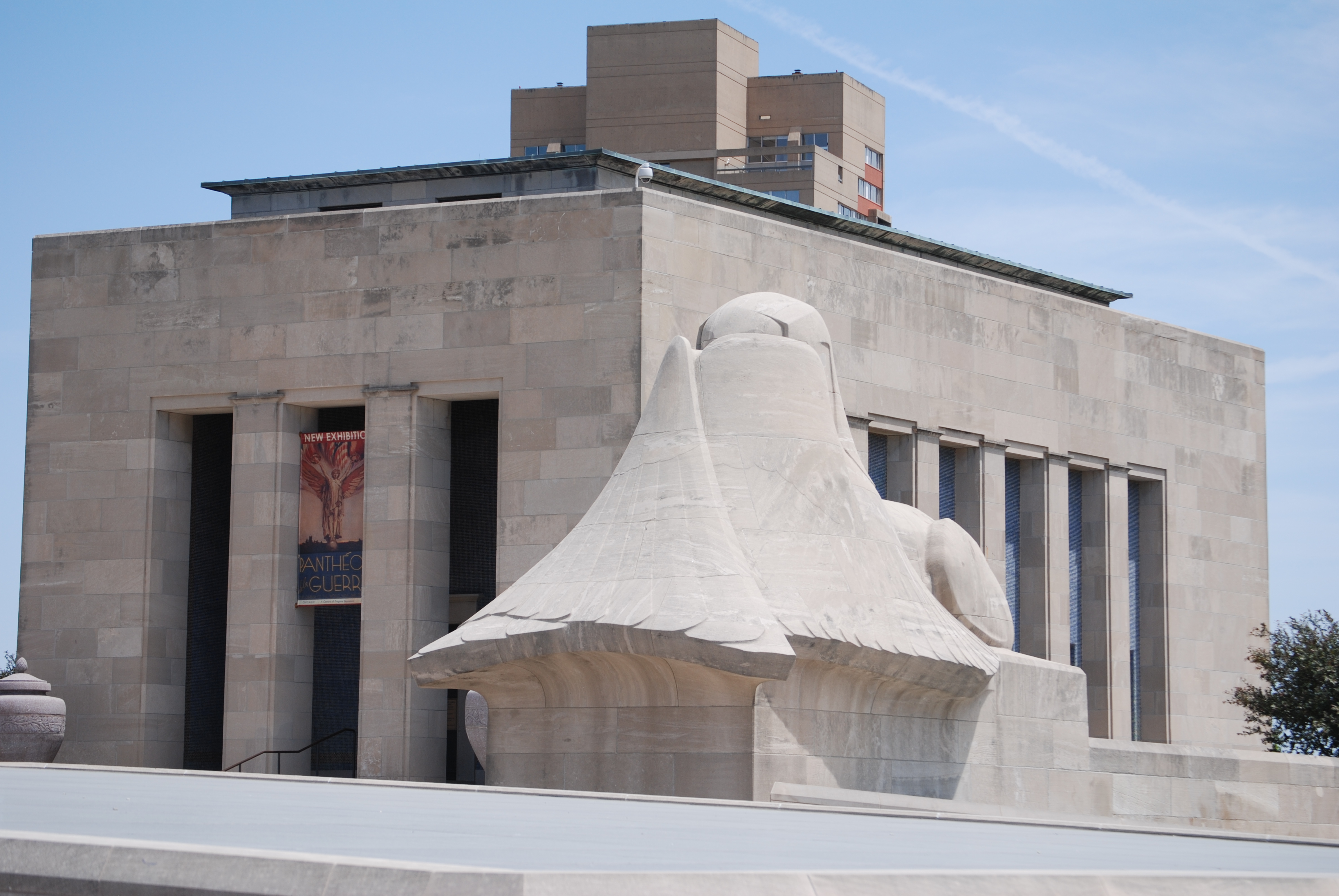
The banners on the doors that mark the entry to the museum are unassuming.  Once inside, visitors face a vast, but well-organized exhibit.  The various rooms, includes a timeline of the war years, uniforms, posters, banners, video histories and other documentation of the war years.

Knowledgeable volunteers are available throughout the building, eager to share their knowledge of the war and of the museum contents.
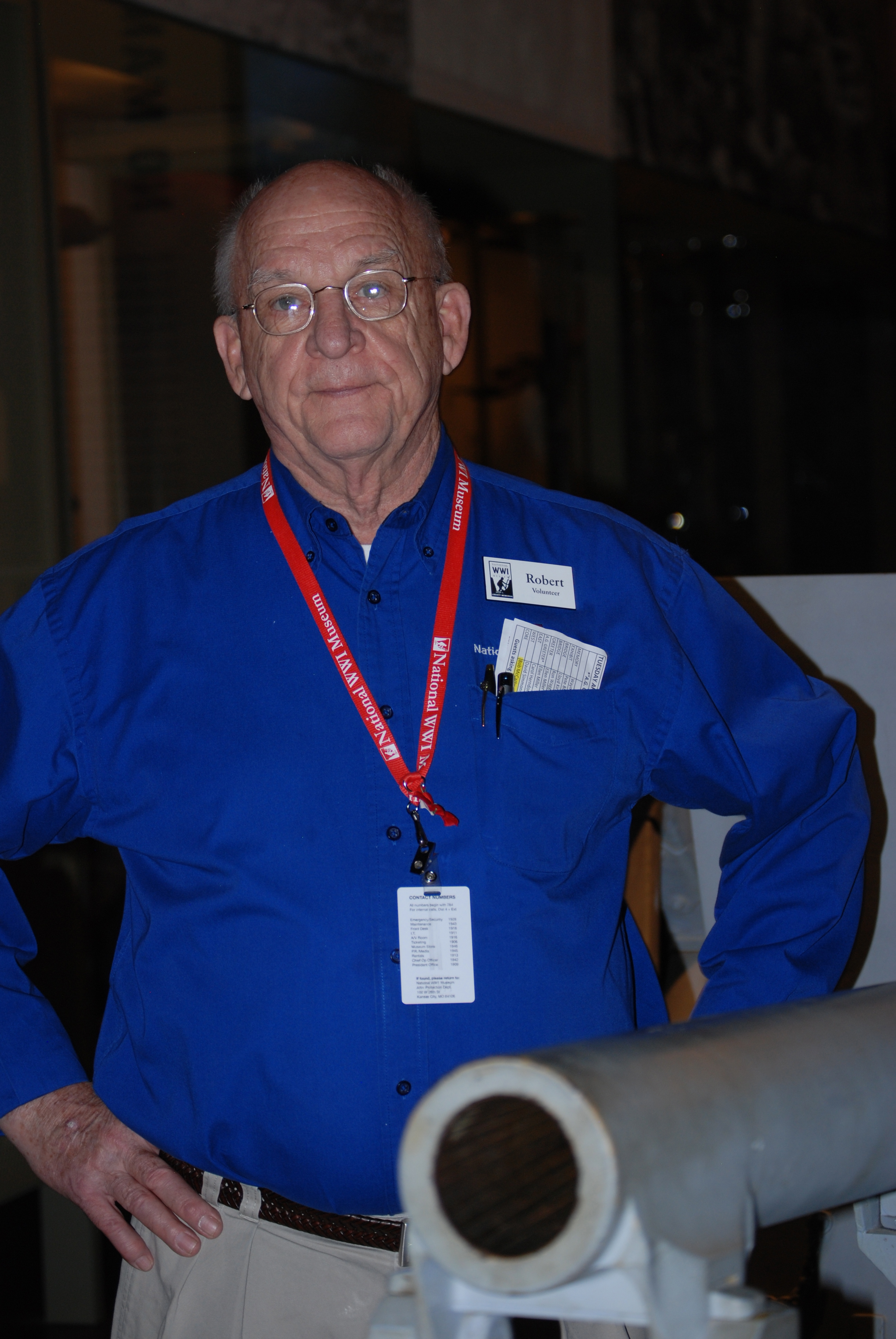
The munitions they describe are primitive by today’s standards, but were sufficient to cause, in combination with factors such as disease and starvation, horrible destruction to the military forces, civilian populations and the landscape of Europe.  The combined death toll of the military forces exceed 8,528,800.  While World War I was often called the “Great War”, or the war to end all wars, it was neither.  The destruction it caused contributed to events culminating in World War II and influence world affairs even today.

While statistics cannot adequately convey the depth of human misery, they are telling.  The casualty rates for the mobilized forces of the major powers are (approximately) as follows:

Country         Total Forces              Killed  Wounded/Prisoners/Missing        Total Casualties    Percent Casualties

Russia                        12,000,000                   1,700,000            7,450,000         9,150,000              76.3  

Germany                    11,000,000                   1,774,000             6,400,000         7,142,600              64.9  

British Empire           8,904,500                       908,370             2,280,000          3,190,250              35.8    

France                         8,410,000                     1,357,800            4,800,000         6,160,800              73.3  

Austria-Hungary      7,800,000                    1,200,000            5,820,000         7,020,000             90.0      

Italy                              5,615,000                        650,000             1,550,000          2,197,000              39.1  

United States             4,355,000                         116,516                  208,000             323,000                7.1

Because the museum is focused on the war itself, the reality of death surrounds us.  The ancient weapons of various sizes and shapes are on display.  

A restored 1918 Ford Model T ambulance is almost humorous in its quaintness.

But there is also significant information about the culture of the era as evidenced by murals, photographs, clothing and everyday mementos of the times.

There are life-sized murals which can only be described as glorifying, if not war, than the strength and power of those who are successful in war.
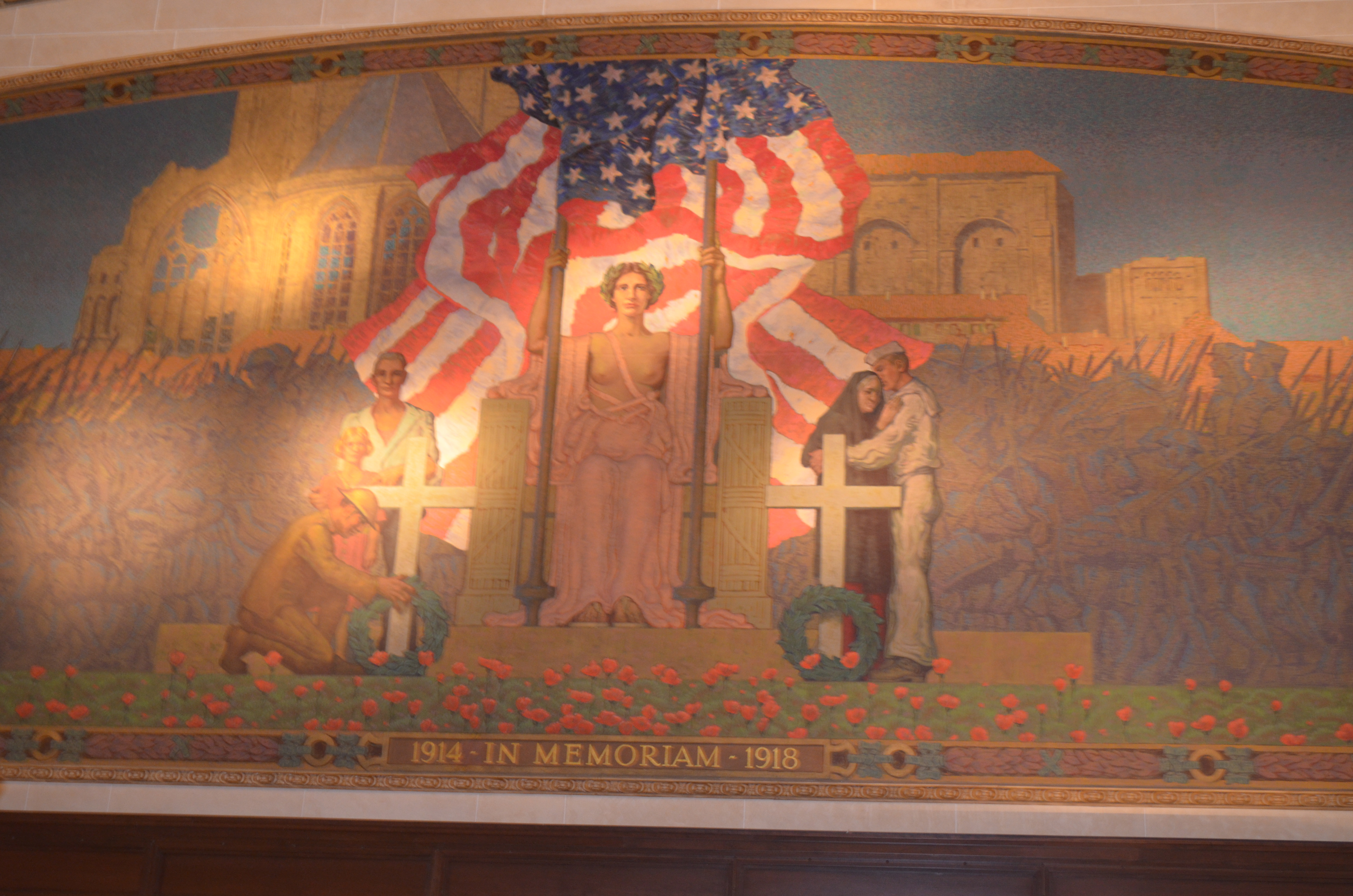
It is easier for the eye to turn to the powerful and positive symbols of hope and accomplishment.  But nothing, in a place dedicated to war, can escape the reality of death.  It is everywhere. In the midst of the exhibits are reminders of the humanness of the suffering.  An example of the power of those posters is one quoting the leader of German mutineers, sentenced to death for his role in the mutiny of members of the German fleet, struggling to end the war:  “I have been sentenced to death today.  Only myself and another comrade; the  others have been let off with fifteen years’ imprisonment.  You have heard why this is happening to me.  I am a sacrifice for the longing for peace; others are going to follow”.

When the United States entered the war in 1917, it mobilized forces for war on the ground, on the seas and in the air.  It was a welcome relief to its allies and helped tip the scales for the war’s outcome.  Because it entered the war more than two years after the war commenced, our casualties were comparatively small.  But each casualty, our own, and those of our enemies, is real.

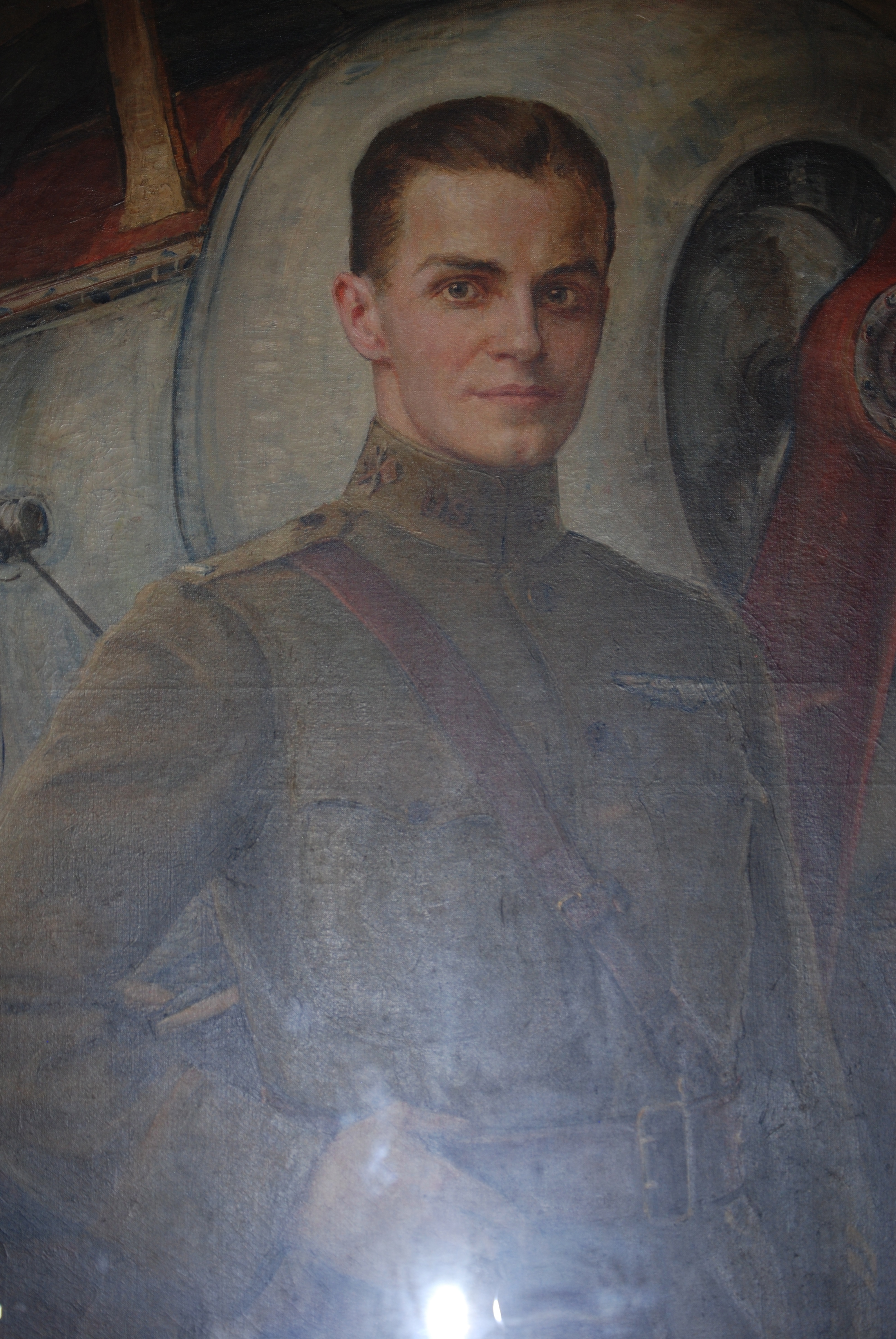
Throughout the museum are portraits, sketches and photographs of those who fought and those who died.  Each had his or her own personal and tragic story.  Each had a family who mourned the lost of their loved one. This portrait is of Lieutenant John F. Richards II, 1st Aero Squadron, killed in action September 26, 1918 over Argonne Forest, (France) part of the final Allied offensive in World War I.  I will not easily forget his face.
The World War I Museum is a place memorializing one of many tragic wars.  It is a place of sadness.  It is also a place of remembrance.  I would like to believe it is a place of hop.  I am not so sure.  But each of us benefits by being reminded of the devastation that is the inevitable result of human conflict.

When to go to war, whether to go to war and why to go to war are issues that have no easy solutions and I will offer none.  But it is important to be reminded of the tragedy of war and of the sacrifices made by our men and women of the military who make great personal and family sacrifices to protect their nation in times of peace and times of war.  We should never forget them.


Men of the Frontier–Kansas City Sculptures

Kansas City’s most famous outdoor sculpture, The Scout, stands high in the hills of Penn Valley Park.  Created by Cyrus E. Dallin, it won a gold medal at the 1915 Panama-Pacific International Exposition in San Francisco.  Purchased by the “Kids of Kansas City” it was dedicated in 1922 as a permanent memorial to local Native American tribes.  I am fortunate to drive by it every work day as I make my way, with thousands of others, along Southwest Trafficway toward downtown Kansas City.  The Scout’s image is on local advertisements, and it inspired the name of an investment fund and a sports team.

Equally magnificent, if not as well-known, is the statute of Massasoit, (Ousamequin) Great Sachem of the Wampanoag, identified as a “friend of pilgrams”, created by Cyrus Dallin and donated to the community by Mr. & Mrs. Miller Nichols.  It stands at 47th & Main, on the East edge of the Country Club Plaza.  Massasoit protected the Pilgram’s from starvation in 1621, shortly after the founding of Plymouth Plantation.  He also negotiated a peace treaty between an affiliation of tribal leaders and the English settlers, which continued throughout his lifetime.  Unfortunately after his death in 1662, peace did not continue.  Four of his five children died in “King Philip’s War” fought from 1675-8 between the English colonists and local Native American tribes.

Robert Macifie Scriver is the sculptor of this powerful image of a cowboy astride a massive bull.  Aptly titled “An Honest Try”, it is inevitable that the bull will win this contest between man and beast.  But it is a wonderful depiction of what we often call the “wild west”.   Easy to miss in a tour of Kansas City art treasures, it is located on Main Street, at the New Board of Trade Building on the South East edge of the Plaza.

Sonoma’s Tuesday Night Market

There are so many reasons we love living in California. Now that Spring has sprung, we can add one more reason to the list. Downtown Sonoma’s Tuesday night farmer’s market.

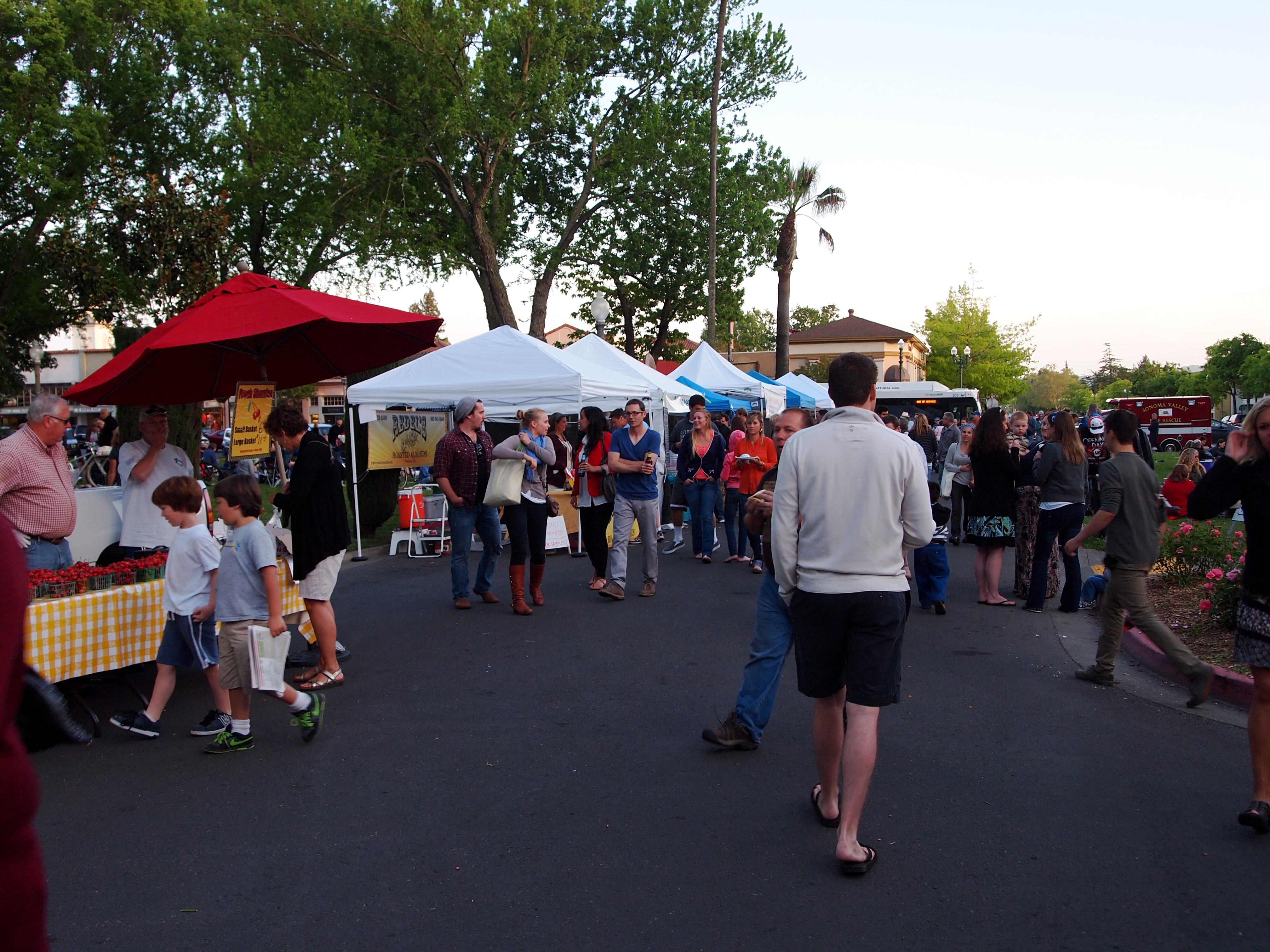
Our new friends, Laura and John, live in Sonoma near the square, so we were excited to get together for the first Tuesday night market of the season. The square was full of people enjoying the evening. Picnic tables and blankets were spread throughout the park surrounding city hall, and the market was bustling with vendors, customers, and lots of delicious eats. The best part? You could carry your wine glass through the whole event. It truly is a wine country market!

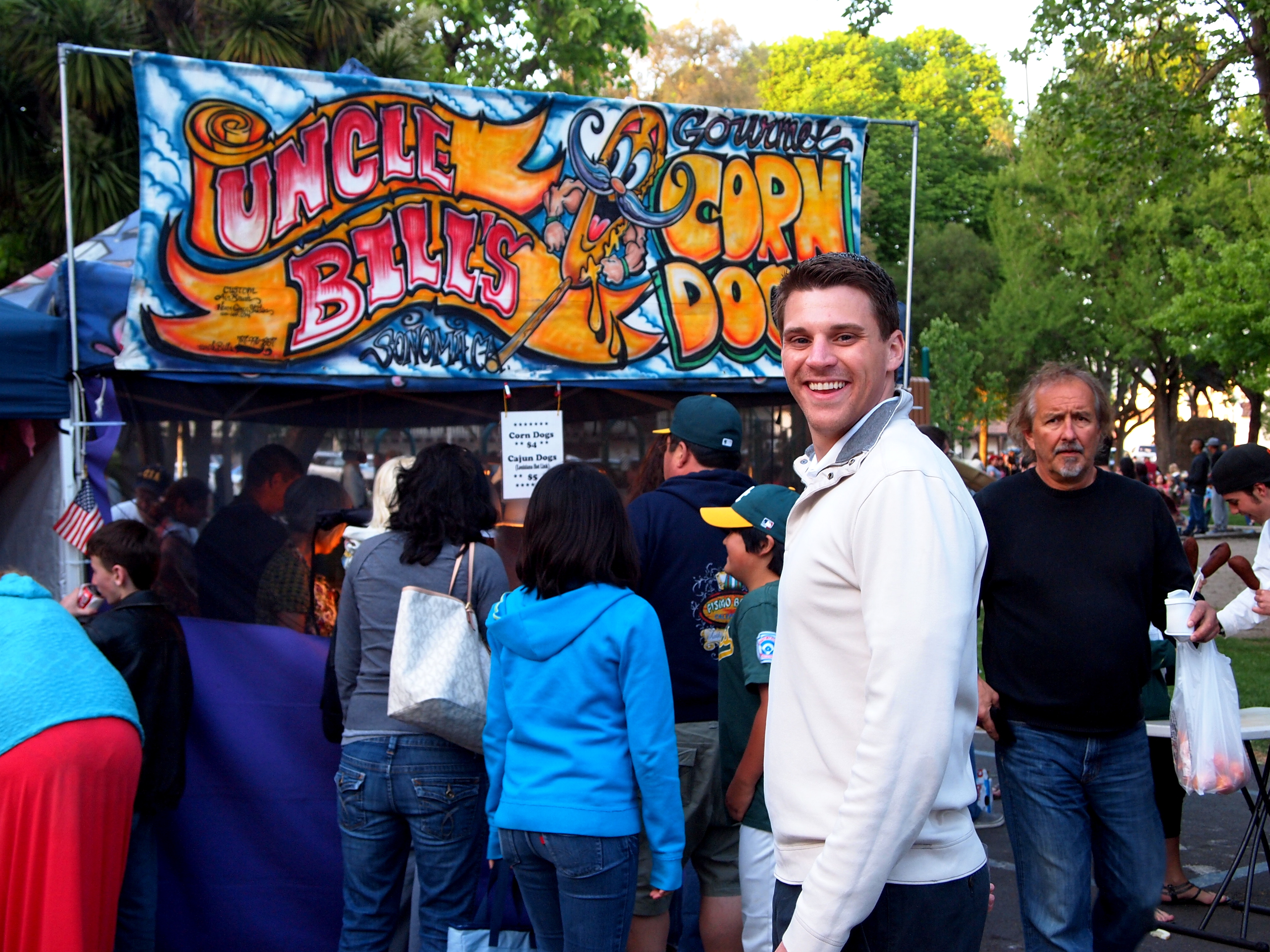
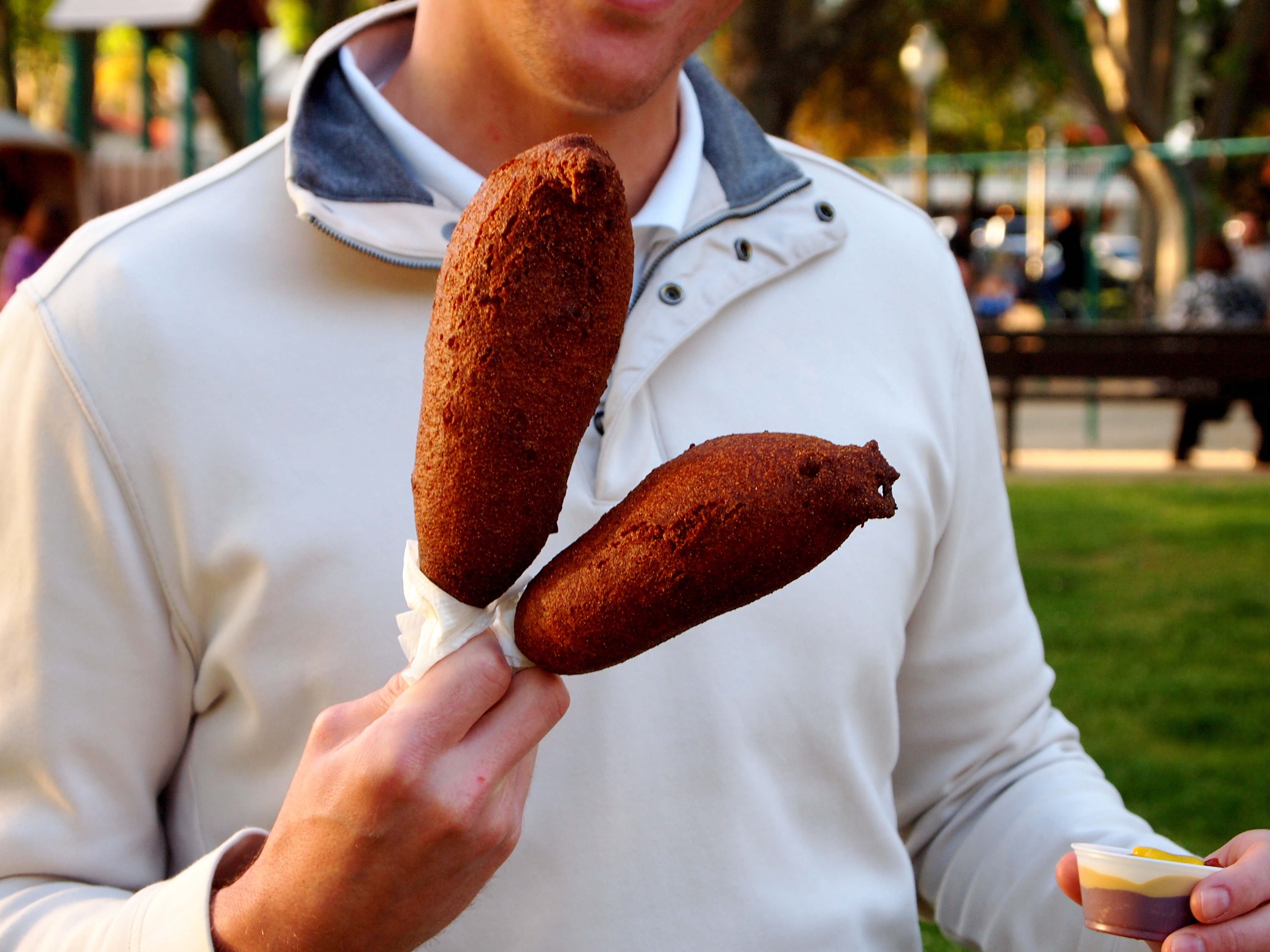
Jake was particularly excited when he found the corn dog stand. For some reason, I just can’t understand the draw to the corn dog. It is such a bizarre food, but people seem to love it. These particular corn dogs looked delicious, so I did try a bite. For a corn dog, it was pretty yummy!

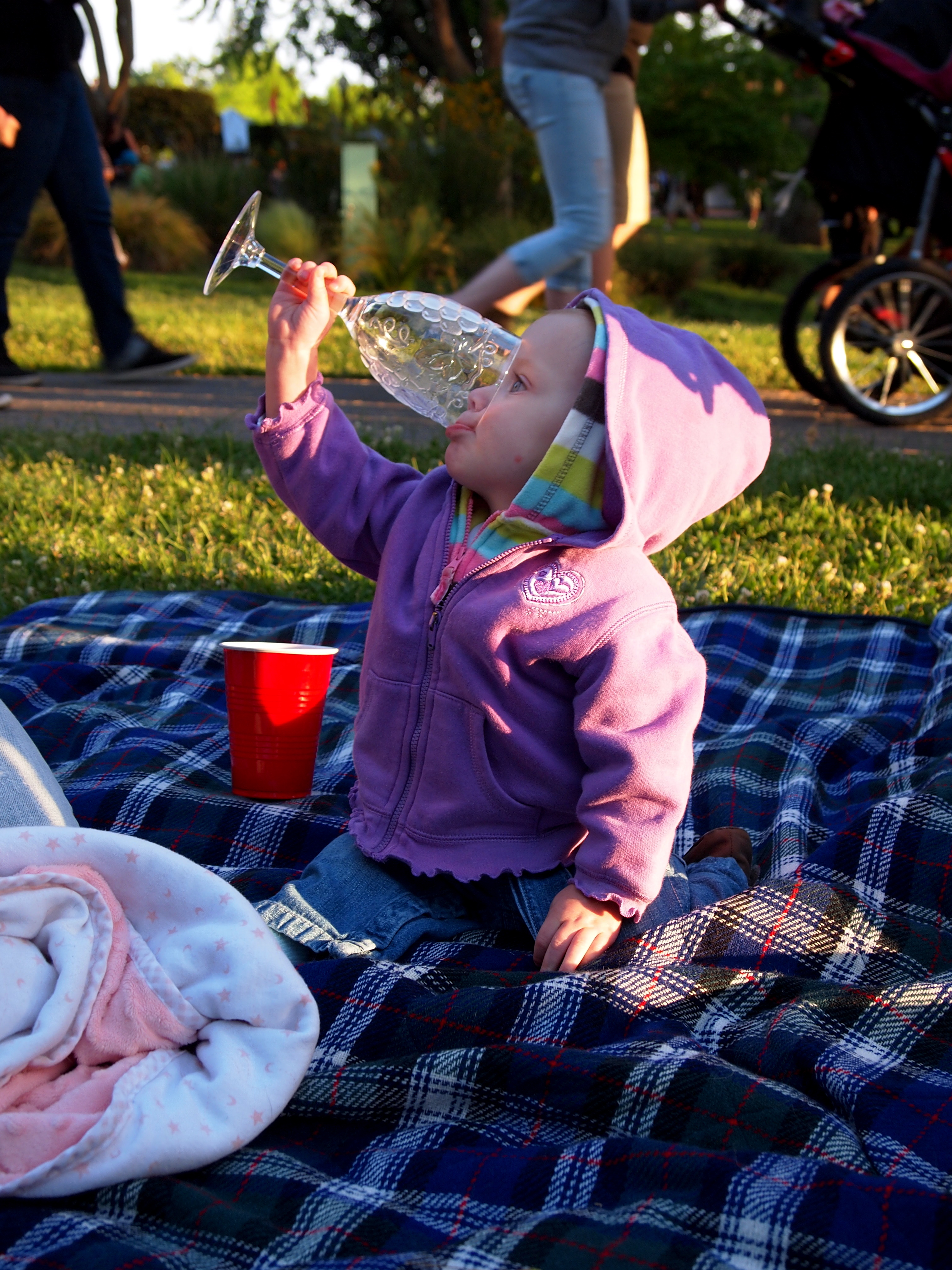
All in all, the evening was lovely. We met some wonderful people, a really cute baby (don’t worry, she wasn’t actually drinking wine..it was an empty glass!), and had some delicious food and wine.

I look forward to going again soon!

A Day at the Museum: San Francisco’s Legion of Honor

Meg has a J.D. in Urban, Land Use and Environmental Law. She focuses on maintaining the balance of community and environmental health, healthy lifestyles, and encouraging sustainable living.

San Francisco is full of art and culture. Most of our recent visits into the city have been to see the touristy-type attractions. Pier 39. Ghirardelli. Coit Tower. For our visit this past Saturday with Aunt Carol and Uncle John, we opted for the arts. As our Christmas present from them, the four of us planned a day in the city to visit several museums and have a delicious dinner. Our first stop? The Legion of Honor.

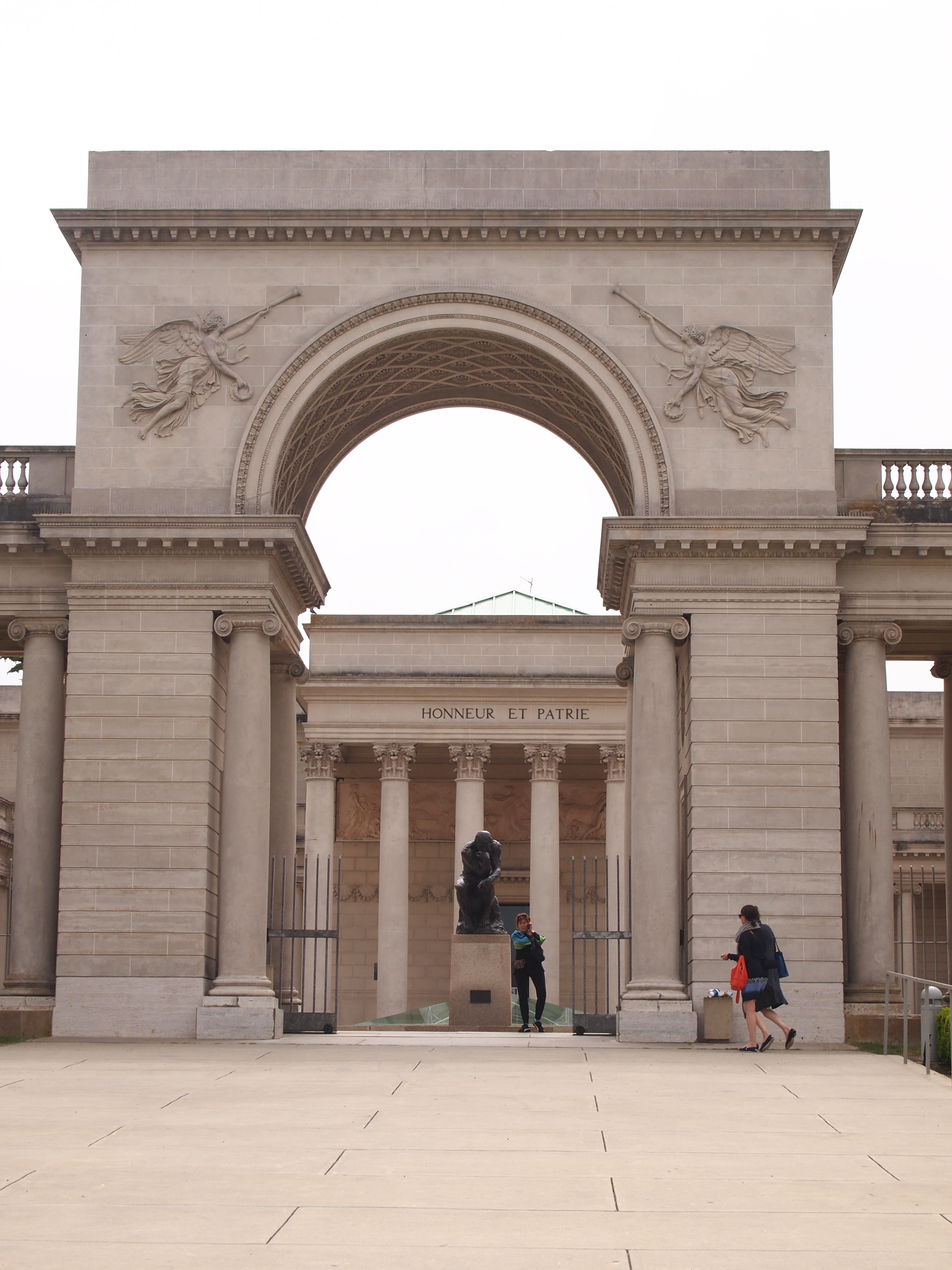
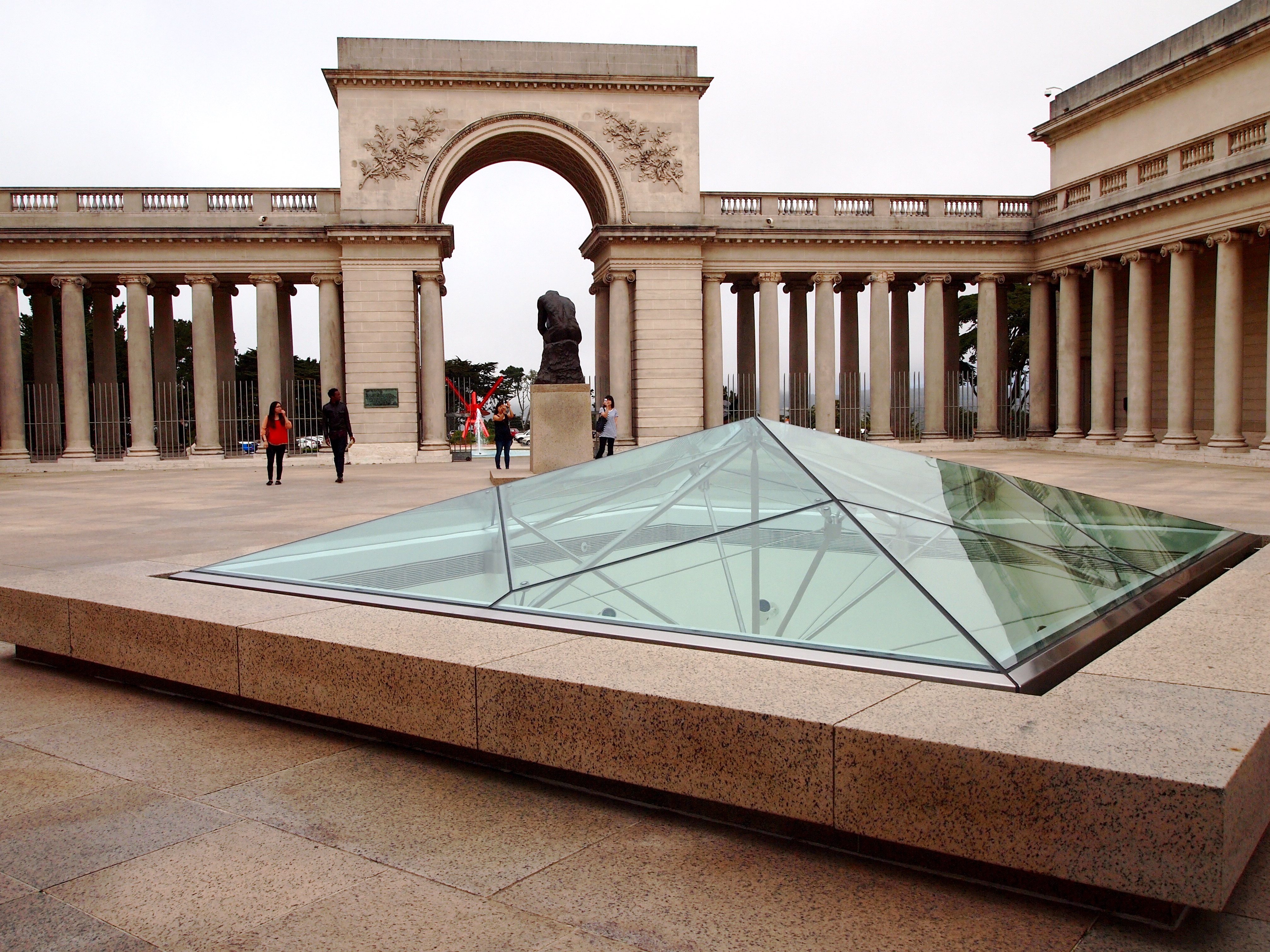
The Legion of Honor is one of the Fine Arts Museums of San Francisco. It is located in SF’s Lincoln Park overlooking the Pacific Ocean. It was built as a gift from Alma de Bretteville Spreckels in the 1920s to commemorate the Californian soldiers who lost their lives fighting in France in World War I. The collection of fine art inside the museum is beautiful, and the architecture of the structure itself is equally magnificent.

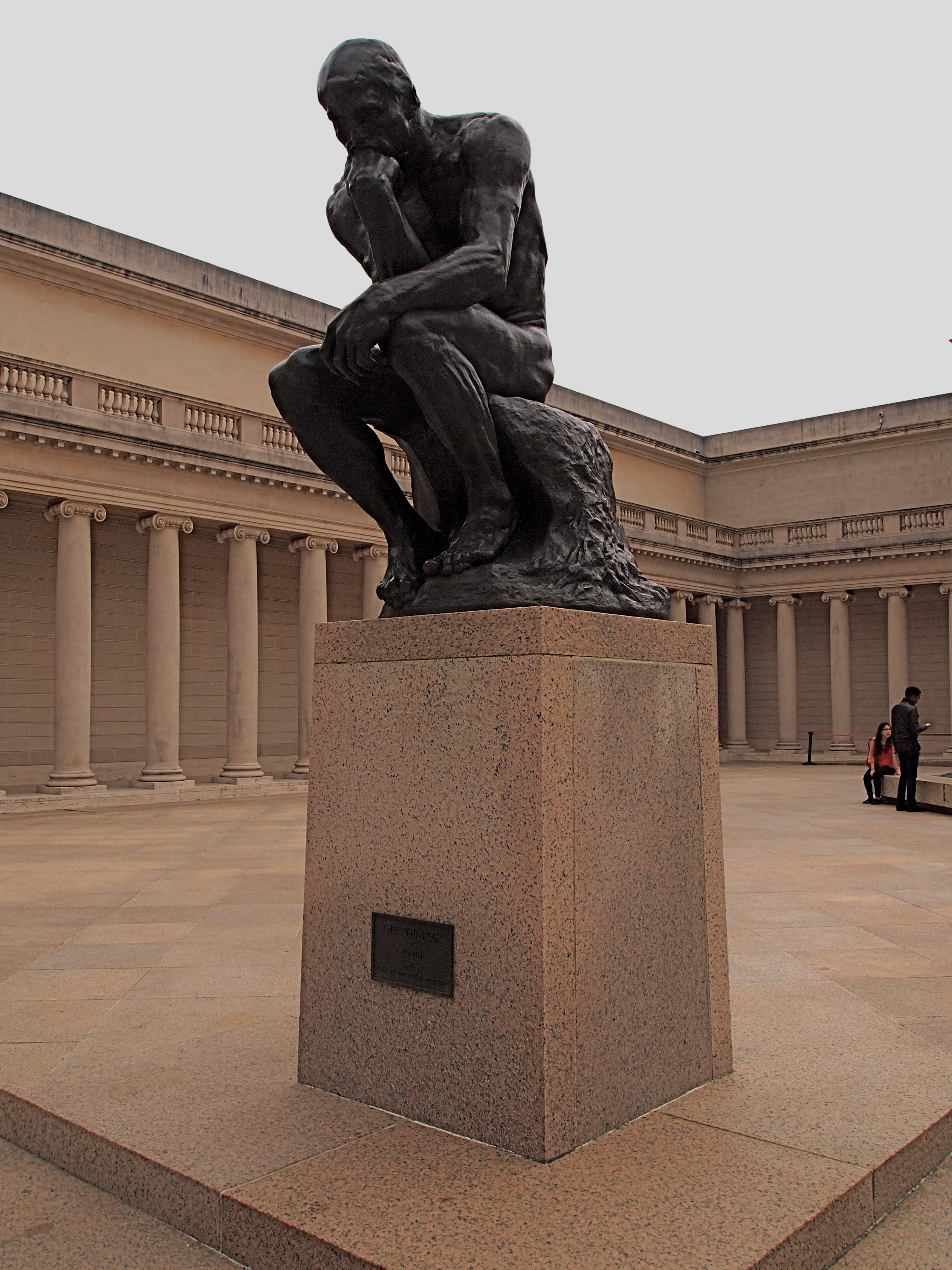
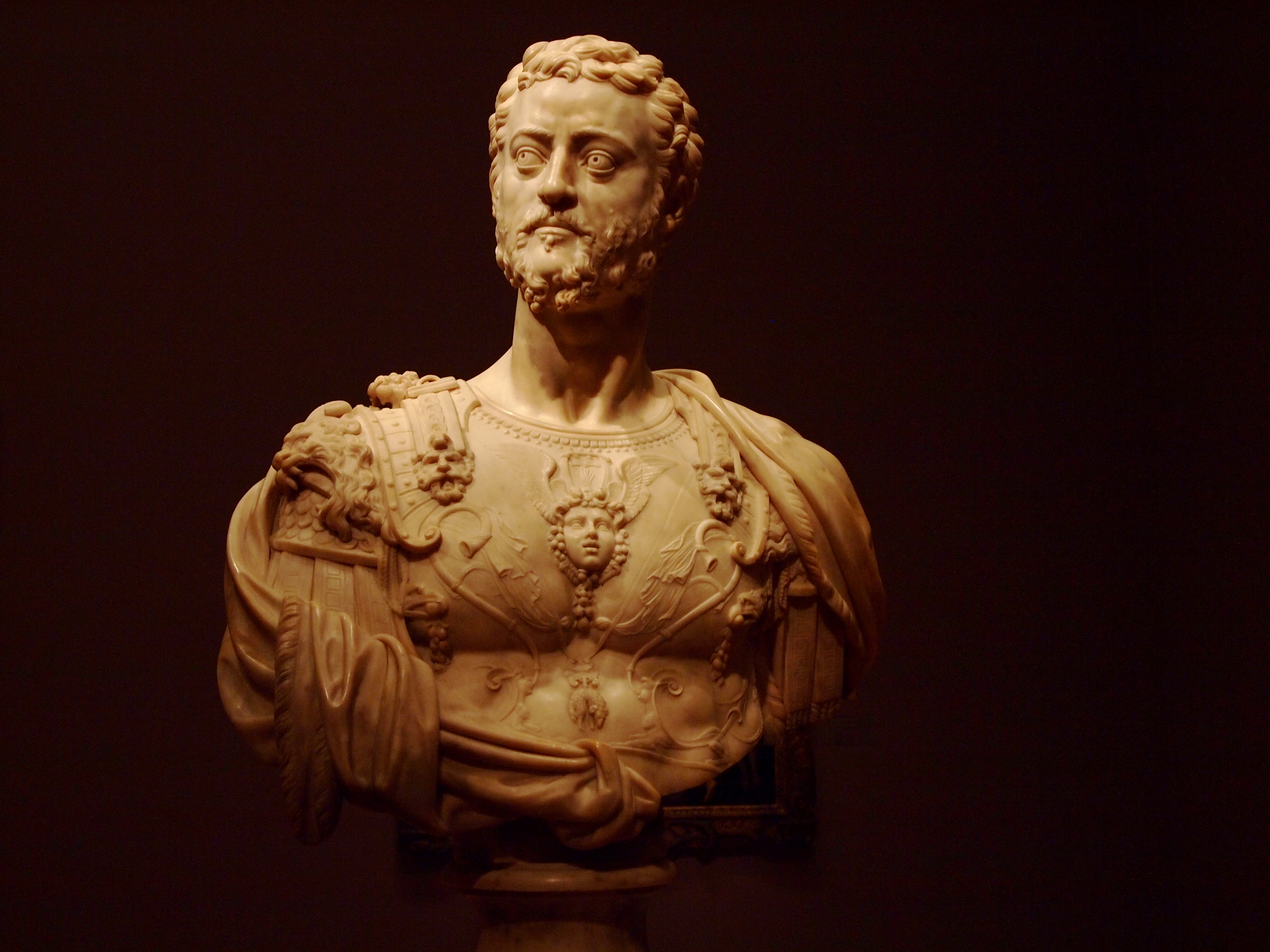
As we walked around the inside of the museum, I couldn’t help but think how much it reminded me of the Nelson Atkins Museum in Kansas City. The architecture is very similar, and both have Rodin’s Thinker! The collections ranged from impressionist paintings to Annie Leibovitz’s photography to ancient Roman sculptures. These were a few of my favorites.

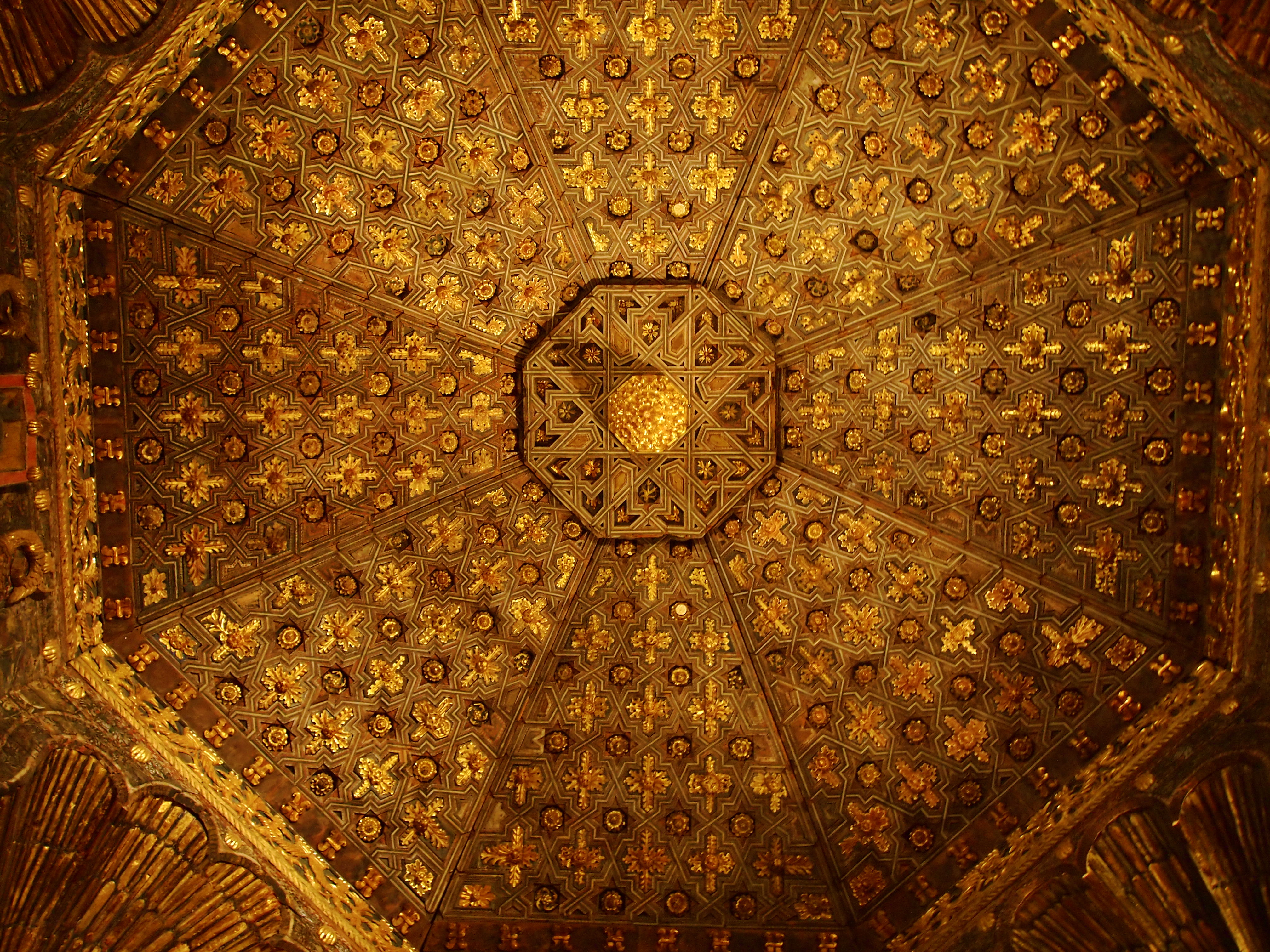
My favorite piece of art in the whole museum is a ceiling in one of the exhibit rooms. The detail is incredible. The ceiling was carved from wood in Spain in the late 1400s-early 1500s during the Moorish occupation. It is one of four removed from the original setting in the Palacio de Altimira in Toledo, in the Torrijos region in Spain.

It was a beautiful day at the museum. With our busy lives, it is nice to be reminded of all the beautiful things to see around us. I believe the arts to be an important factor in maintaining the balance in society. It is hard to argue with the importance of the arts, especially when we see such beauty through the eyes of the artists, enlightening us about their fascinating perspectives on the world. In a lot of ways, it helps us look at the world through new eyes, learn how to see something from someone else’s perspective, and have a little more appreciation for our own world.

Once we left the Legion of Honor, heavy in thought, we made our way over to Golden Gate Park to see the de Young museum. But I will save that exciting experience for next time.

Happy Mother’s Day–to the Village

We all know the saying that “it takes a village to raise a child”.  Each of us benefits from such a village. I want to thank the village of people who have shared in raising Meg.

Meg’s village, necessarily, starts with my mom.  Until her death two years ago, she was the matriarch of our family.  She loved each of her children and her grandchildren unconditionally.  She was always there for us.  We did not want to disappoint her because she never disappointed us.  She made sure each of us felt special.  She was a wonderful mother, wife, friend, cook, gardener and listener.  Meg knew how much grams loved her.  She was beautiful in every way.

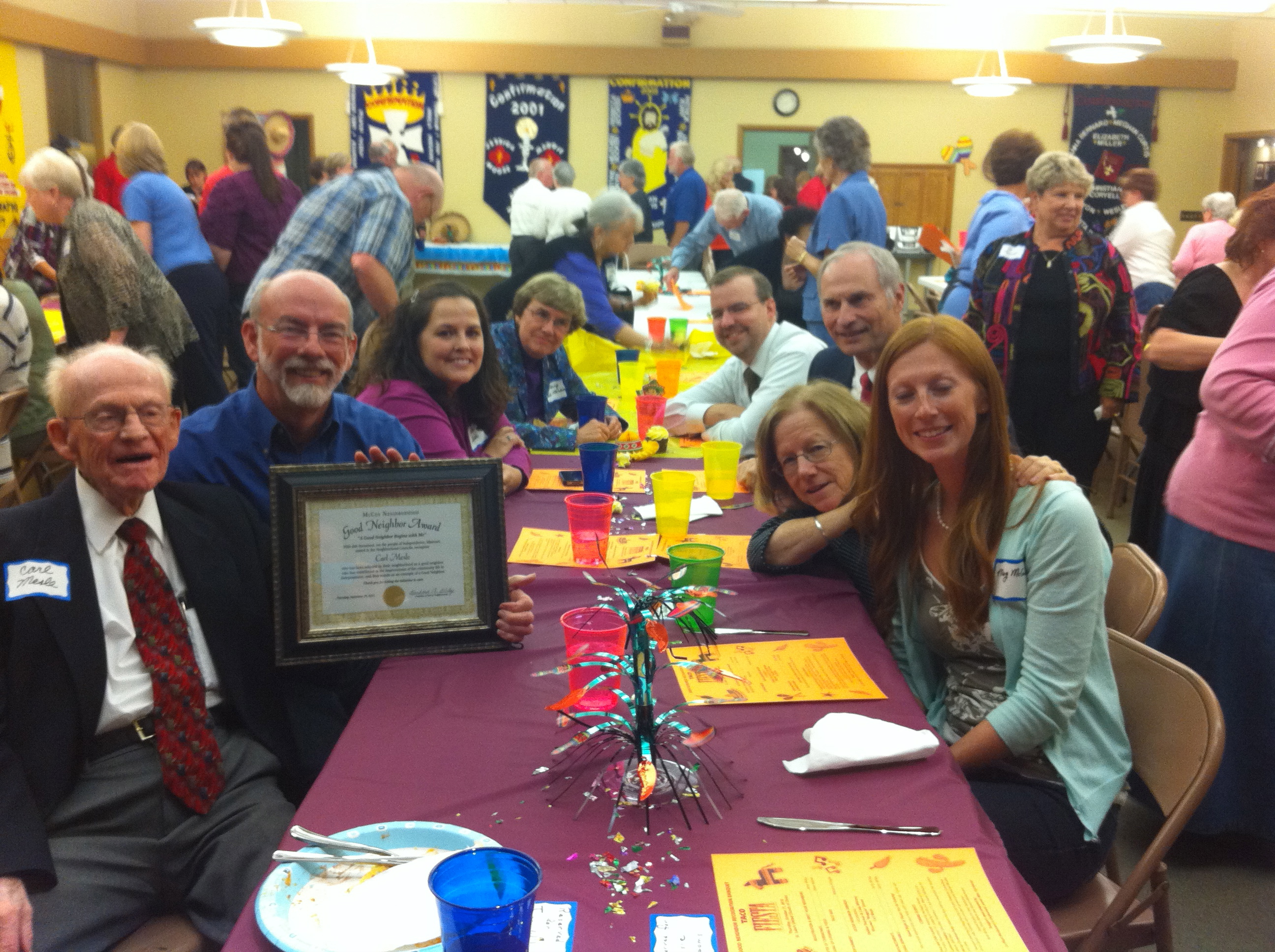
Our family has included an abundance of cheerleaders for Meg and her cousins.  We get together whenever we can even though we are spread throughout the country.  Here we celebrated with dad as he received his most recent community award last year in Independence.

As a family we have worked hard to provide each other personal and moral support.  We treasure our successes and provide each other solace during difficult times as we strive to grow individually and together.

Terry has been a rock star, guiding her and supporting her with his quiet wisdom and no-nonsense practicality.  He has listened to her, comforted her and helped her to grow with a combination of youthful idealism and an understanding of economic and financial realities.

Meg’s strong ties to both her father’s family and mine have enabled her to stretch her comfort level. With encouragement from others, she has ridden a motorcycle, danced at a ball, studied and traveled abroad, supervised a pro bono tax clinic, worn a sari, attended Passover and climbed a mountain at Jackson Hole.

In so many ways, our lives are enriched by friends as well as family.  There have been truly wonderful people who have shared their lives with Meg and nurtured her as she has grown to adulthood.

Close friends have also been like family to her and have enriched her life and mine.  Whether Meg needed a “sister”, a second “mother” or just a wise friend, there has always been someone there for her.

She has spent birthdays, holidays, and lots of ordinary days in the company of extraordinary people.  She has shopped for shoes, indulged in tuna melts, shared dinners, walked in 4th of July neighborhood parades, spent weekends in Branson and learned how to dream with these friends.

The terms wisdom, love of life, love of beauty, concern for humanity are terms that fit each member of this wonderful village.  It is never possible to truly isolate the gifts of knowledge and understanding she has gained from individual relationships.  But as she has matured, Meg has had role models and mentors who were there for her when she needed them.

As much as her family shared with her our own values, she was truly enriched by the opportunity to observe, and share in the family lives of friends and family who broadened and deepened her understanding of the many ways to live life, to mature as a true friend, to be a person of integrity and to live her life with grace.

Her most significant mentors have also helped her to develop her own strength and to gain a vision for the person she has become.

As I write this, I realize the futility of trying to include photographs of, or give individual thanks to, every individual who has been truly special in our lives. (Besides, the fact I don’t have photographs of some of these wonderful people is a mistake I will quickly rectify.)  But each of you know my gratitude to you.  For all of you who have been a part of her life, and mine, I want to thank you for being part of our village.  

Happy mother’s day.

Springtown, Texas-Where country is, was and always will be “Cool”

This was a busy weekend for our family.  Meg was in Kansas City for a wedding (more to come), Laura and Michel were in Warsaw, Poland and Terry and I were in his hometown, visiting Christina and his family.

Springtown, Texas, has a population pushing toward 3300 people in the city limits and over 7000 in the metro area.  Terry’s family has lived here since about 1900, so his family roots are deep in the soil.  His parents were successful dairy farmers.  His parents, Finis and Vivian, seem to have been involved in nearly every organization in town. There is even a street named after them, it runs right in front of his family home, where his sister Mary now lives.

Situated just 1/2 hour from Fort Worth, it seems a world apart. It is easy to joke about rural Texas, where the names Poolville (ignore the “l” and soften the “v”), Hickey Hollar and Azle roll easily off the tongue. But residents of Springtown are anything but unsophisticated. Underestimate them at your peril.  This is cattle country.  Everything associated with cattle is important: birthing, feeding, watering and sale.

This is also natural gas country.  Everything associated with natural gas is also important: contracts, easements and the related challenge.  Heavy pipes are buried to move natural gas from Oklahoma and Texas for processing. Water for fracking ( the process of drilling and injecting water into the ground at high pressure to release natural gas) moves through small above ground pipes from Eagle Mountain Lake some 10 to 15 miles away to the gas fields in Springtown.  Storage tanks and sound baffles are a visual distraction. The dust and noise from the constant movement of heavy trucks to and from the construction sites fill the air.

Financial security is measured not only in natural gas and cattle, but in land. Ancient fence lines reflect property boundaries but are also important to the movement of cattle from grazing field to grazing field, separating cattle from horses, and sometimes separating garden plots from everything else.

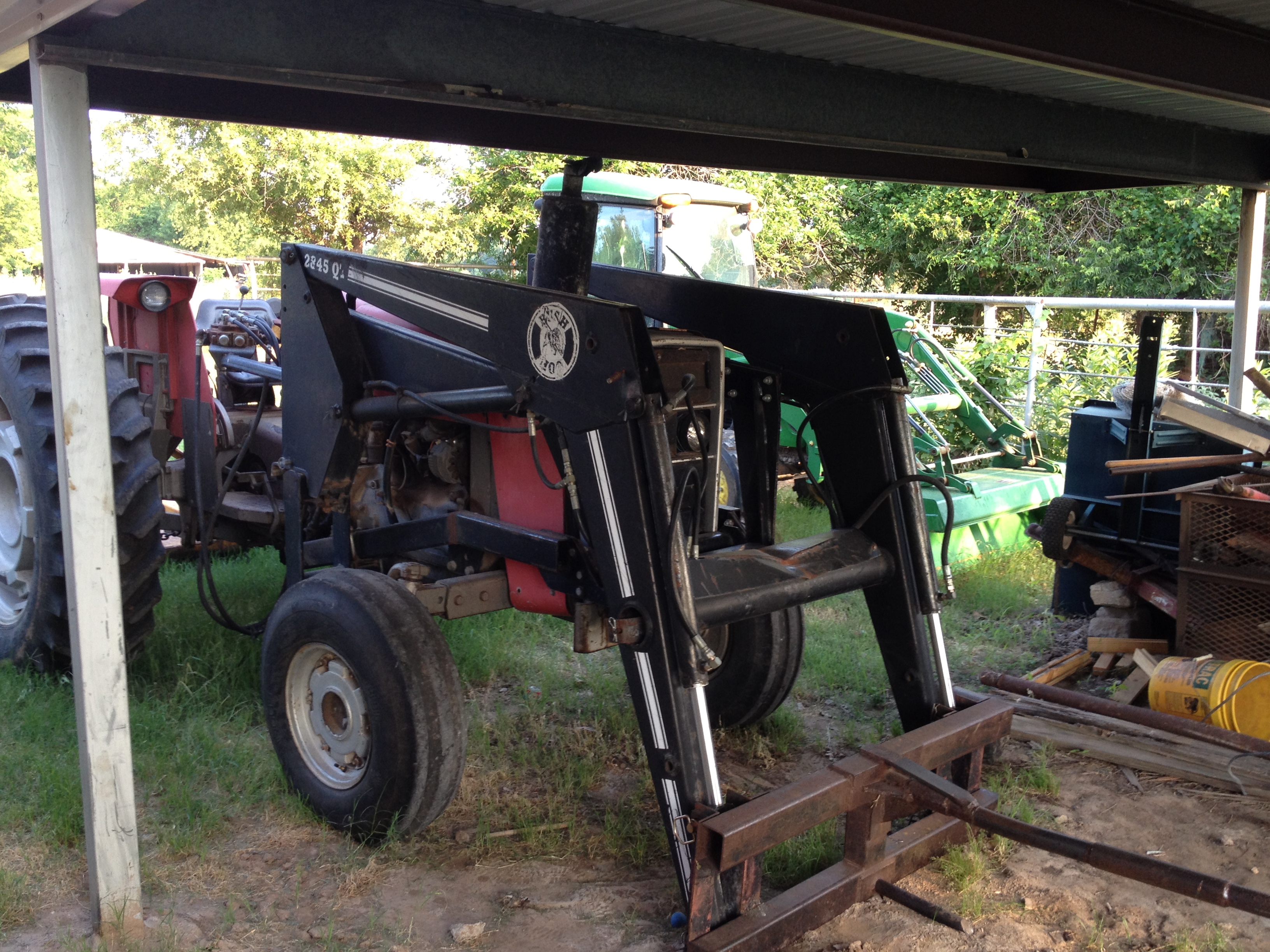
For a city slicker like myself, it is easy to assume that farm life is “easier” than city life.  That is simply not true.  There is a combination of intelligence, hard work and back braking labor.  Farm tractors and trucks cost more than most automobiles and there are more of them!

At the end of the day the conversation includes all of things I would hear at any dinner table.  We talk about national and local politics.  But there is also discussion about feed prices, whether natural gas prices are up or down, whether there will be enough water to last the season.

But fear not, there is precious time for fun.  There is more than enough work to go around, but the food, hospitality and fun are worth the price of admission.

Oh, and did I forget to talk about the snake.  I was in the middle of the street, thinking that was safe from nature’s viler creatures, talking to Meg on my cell when suddenly I became aware that the black streak less than 6 feet from me, in the middle of the road was not tar, but a long motionless snake.  On telling my tale to Maurine and requesting assurance that it probably wasn’t dangerous, she just suggested that she tries really hard to stay away from snakes!

Have a great week.

Kansas City’s Public Library–More Than Just a Library

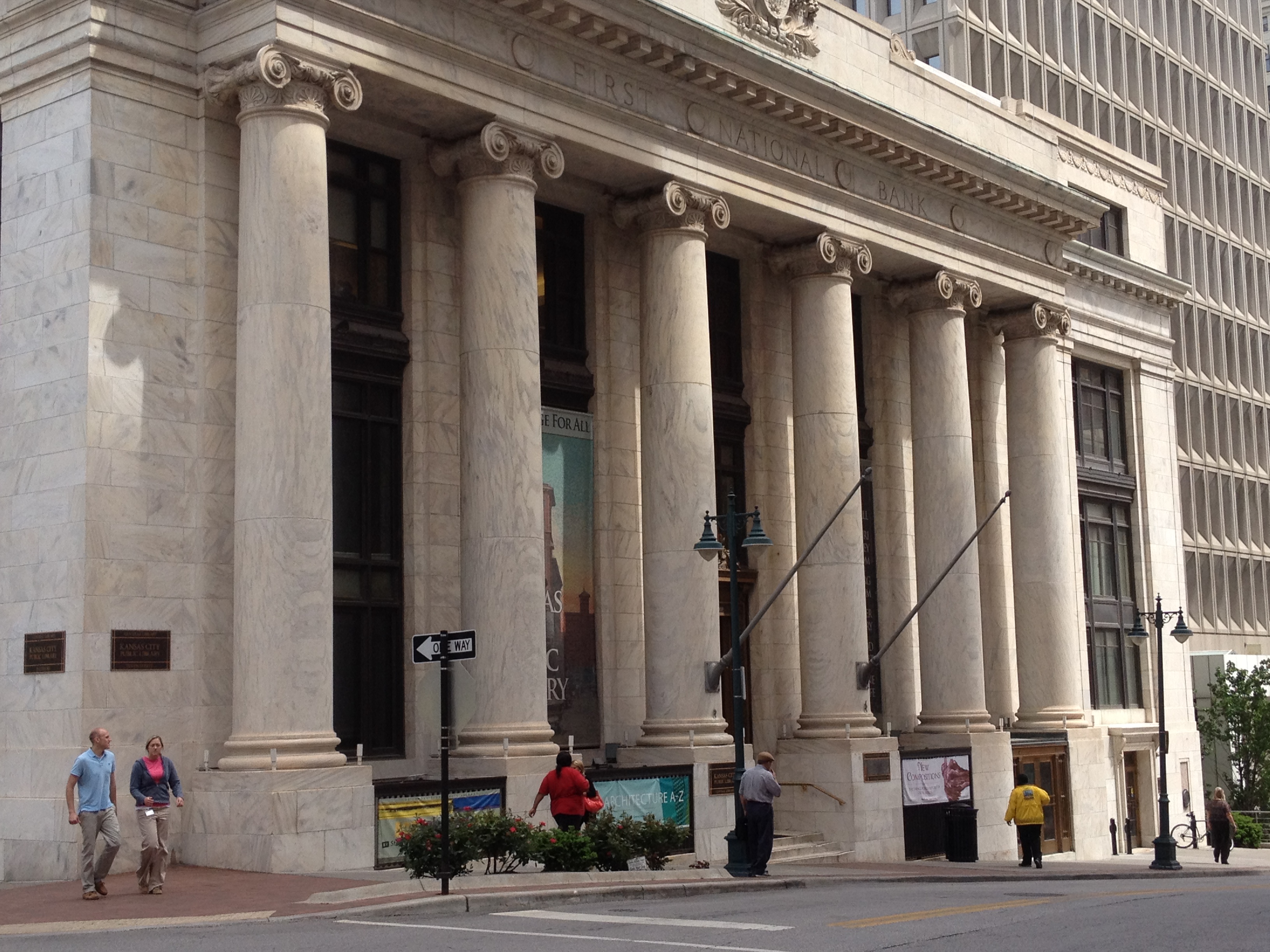
A funny thing happened in Kansas City when Crosby Kemper, III assumed leadership of the Kansas City Public Library.  The sleepy, somewhat deteriorated library system was reinvigorated.  The Central Library at 311 E. 12th Street, across from the Jackson County Courthouse, closed.  In its place, thanks to hard work, creative minds, and  public and private funds, the Central Library reopened in the  historic First National Bank Building at 10th and Baltimore, in the heart of Kansas City.

The exterior  of the library complex hints at the extraordinary nature of the library.  The murals on the wall are truly elegant.  The book spines that dominate the separate library parking lot remind us of the fundamental purpose of the library–to instill enthusiasm in books and knowledge. But it also invokes a sense of fun, excitement and hints at the passion of the leadership of the library. Seriously, Tao Te Ching?  This isn’t just a library for children’s books.  But neither is it a library that ever, ever minimizes the importance of nurturing young minds.

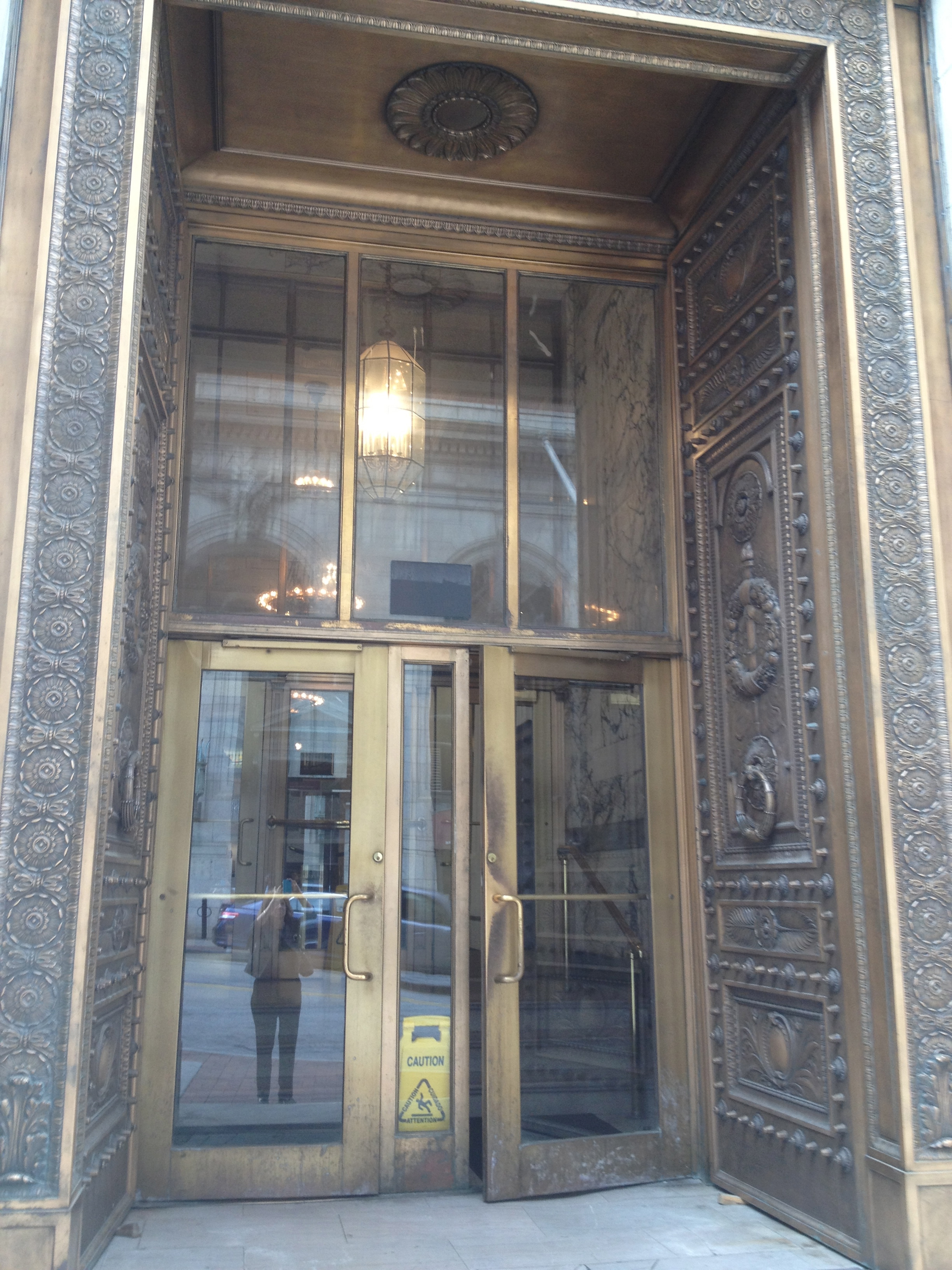
The bronze doors are tall and stately, reflecting the significance of the building and its purpose. The moldings surrounding the doorway are works of art in and of themselves.

When Kemper accepted the position as the Executive Director of the 10 libraries that compose the Kansas City Public Library, things immediately began to change.  Educated at Yale University, his career has included working as a teacher in China, as  the Executive Director of the British American Education Foundation in New York, and as President of UMB-St. Louis and CEO of UMB Financial Corporation at United Missouri Bank.  Not a likely background for a librarian but it certainly works, and more so.  He is clearly a man with a mission.

You may ask yourself what has changed under his leadership.  The answer, is almost everything, inside and out!

The Central Library is light and airy.  In addition to a first class library, with the support of the top quality leadership of the Kansas City Public Library Foundation he has implemented a schedule of events and activities that are world-class.  In conjunction with Kauffman Center for the Performing Arts, Kauffman Foundation, the Stowers Institute, the Nelson-Atkins Museum, the University of Missouri, Park University and others, the library offers concerts, lectures and meetings. These events are held at the Central and Plaza libraries, at the Kauffman Center for the Performing Arts and elsewhere. He hosts authors and statesmen.  He personally shares the stage with actors portraying historical figures and “interviews” them to give the audience a sense of their personalities.

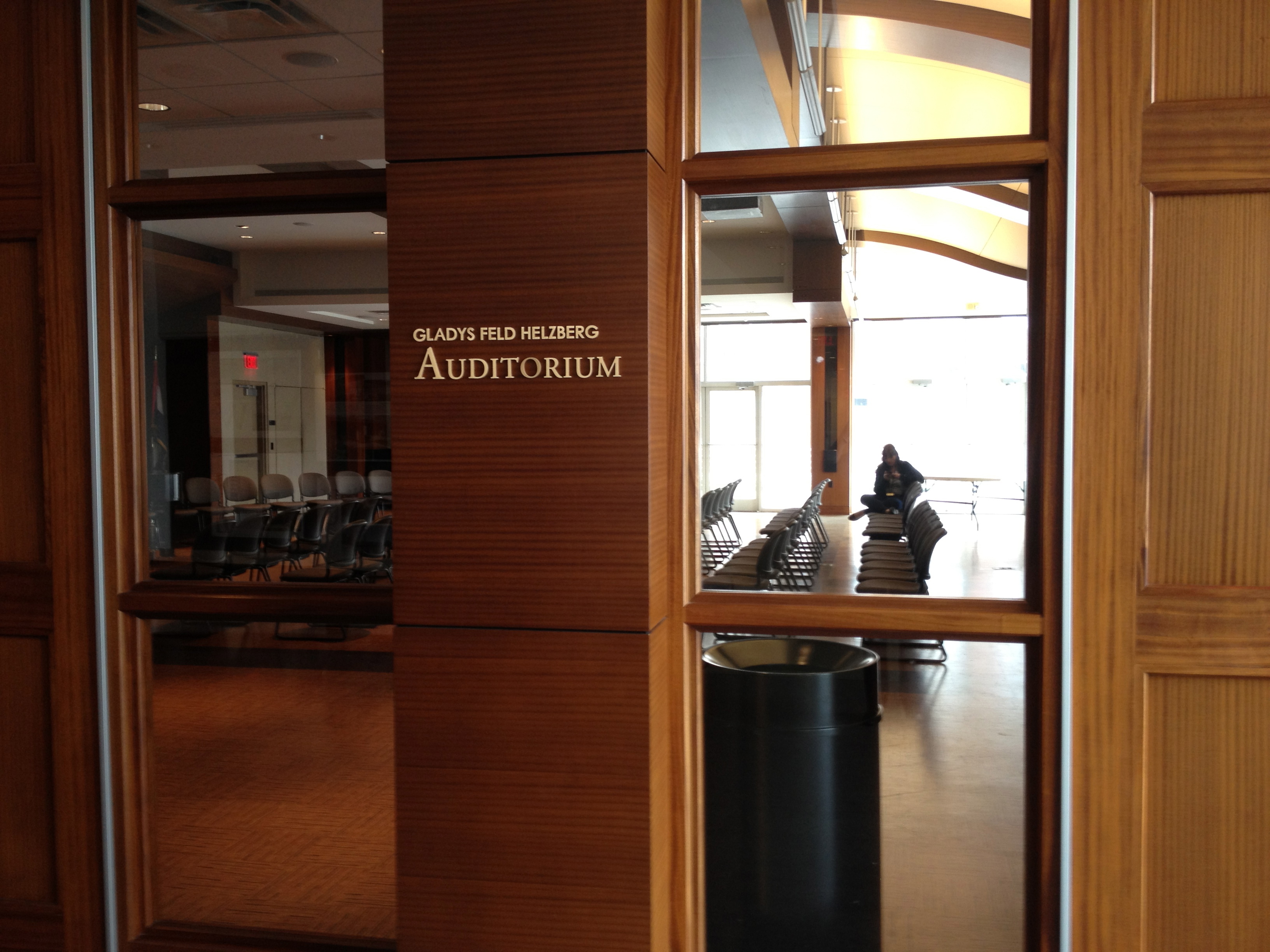
The library has a high quality film vault and has regular screenings of classic movies.  Spread throughout the 10 libraries in the system, are book clubs, events for children and teens, classes on finance, computer basics, exercise classes, genealogy.  The list goes on and on and on, but you get the point. While all of the library locations offer a range of programs, the Central Library is generally the location of the major academic and current events lectures. Programs in the Gladys Feld Helzberg Auditorium on the 5th Floor are generally free to the public, but reservations are requested or required.

In mild weather, visitors enjoy the patio adjacent to the Auditorium.  Year round the rooftop view is wonderful.

Genealogists are welcome at the Missouri Valley Room also on the 5th floor.  There is knowledgable reference librarian on hand.

While Kemper gets high marks for his leadership, his passion and vision are shared by the library’s  board of directors, led by Jonathan Kemper, and by library’s foundation. His staff and administrators are also knowledgeable, helpful and enthusiastic.

If you live in Kansas City, what are you waiting for? It is an easy building to find.  Just look for the pillars, the elegant exterior murals and you are there.  If you don’t, it is worth the trip.

It is well worth the visit.  Happy reading!

My Beautiful Babies: Lily & Cousteau

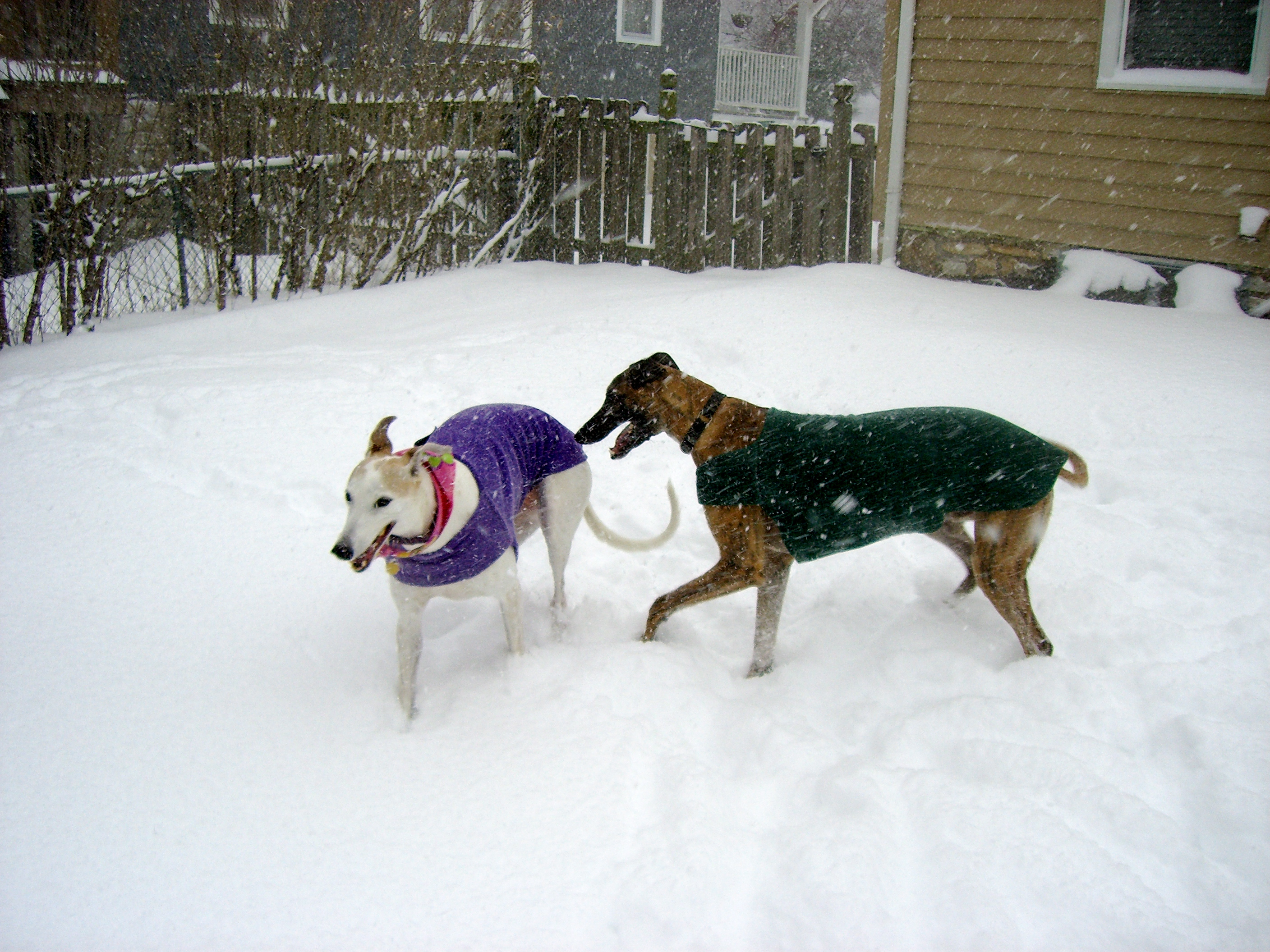
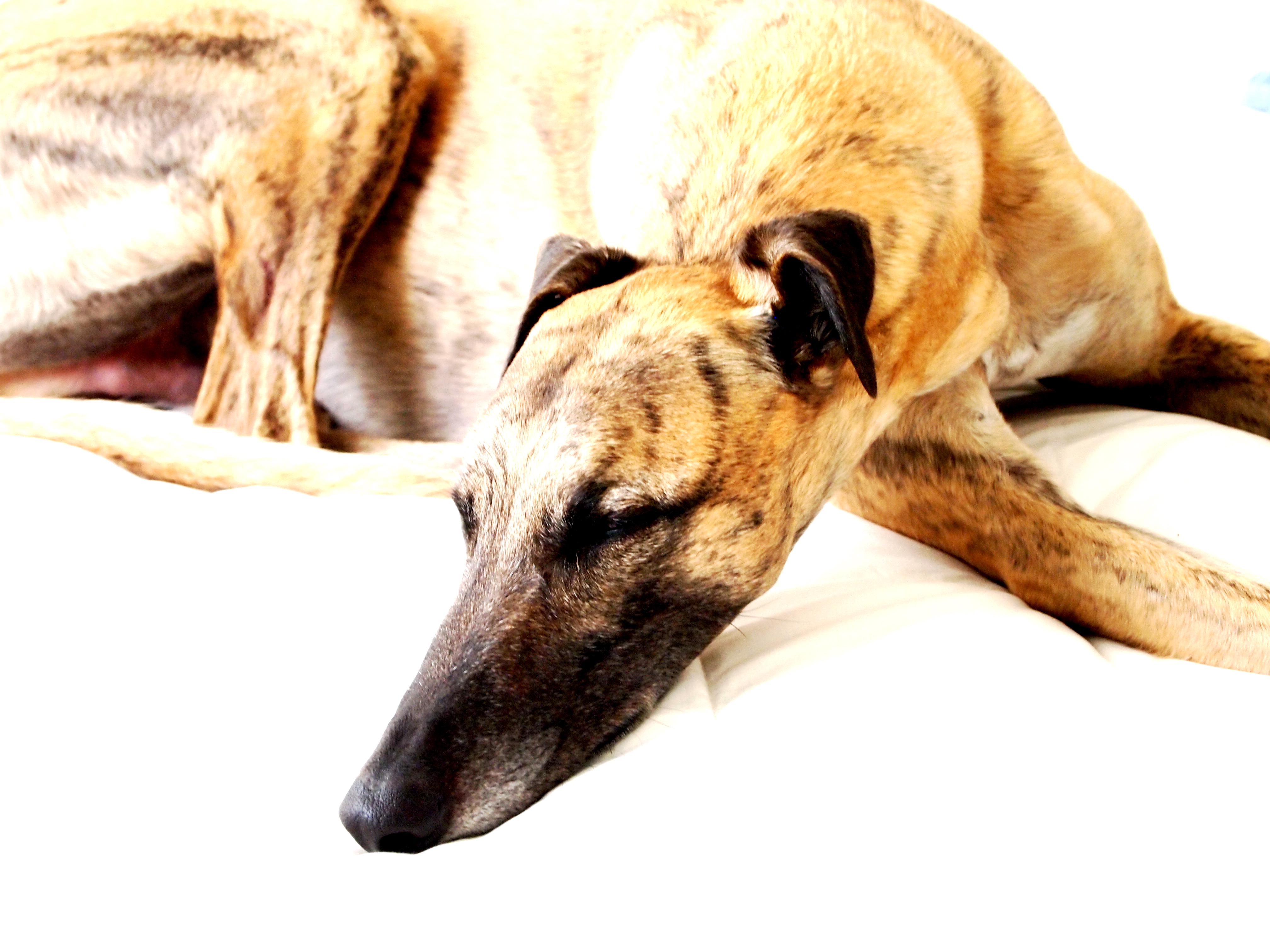
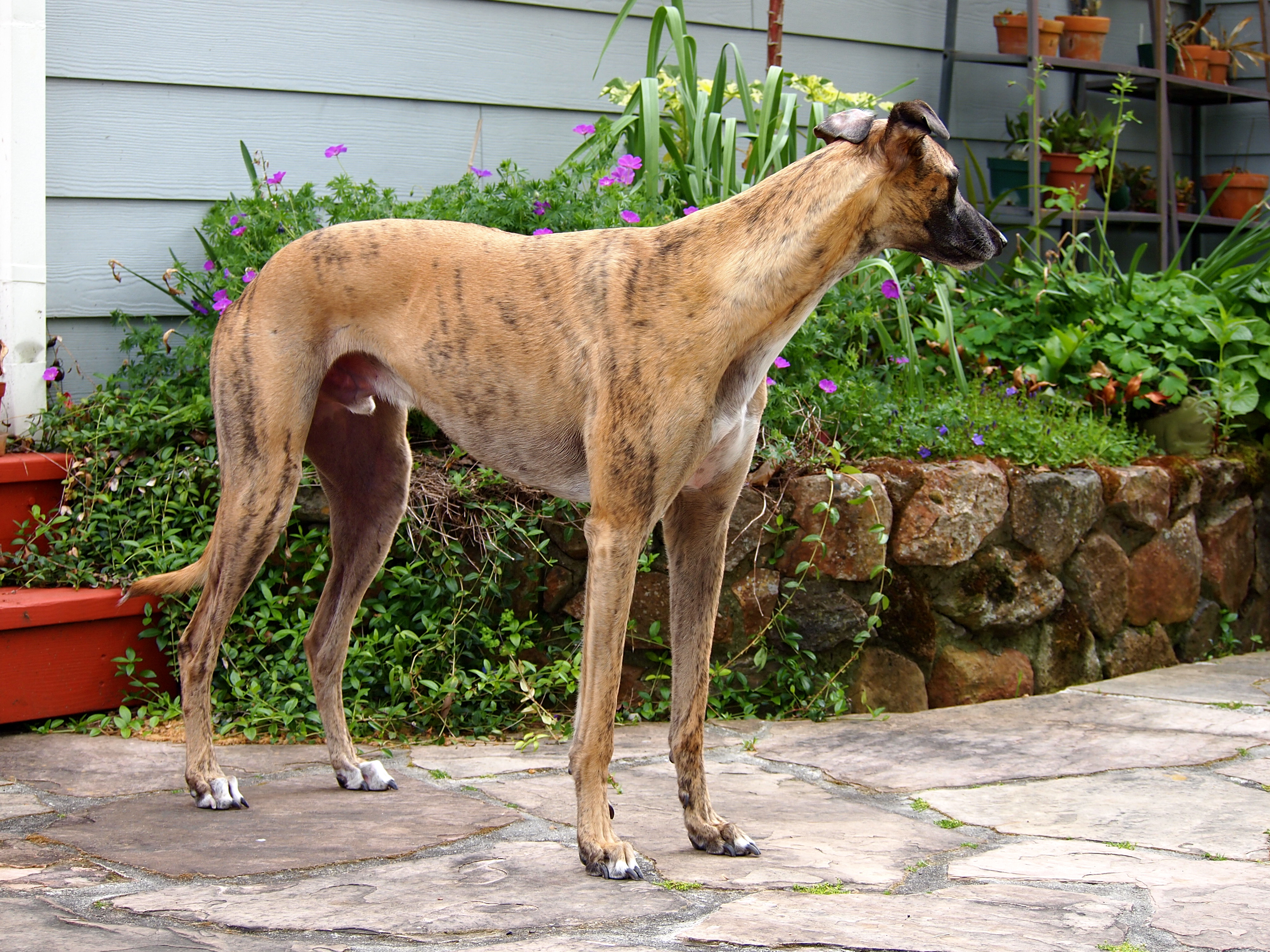
Most of you know that Jake and I have two beautiful greyhounds, Lily and Cousteau, who we often refer to as “the kids.” Lily just turned 10 in March, and Cousteau turned 3 in October. Both came to us through the rescue group Kansas City REGAP (Retired Greyhounds As Pets).

Lily came to us first. When we set out to rescue our “first-born” back in the summer of 2009, we came across the rescue group at a Petsmart one day. After meeting greyhounds for the first time and getting to know the REGAP volunteers, we definitely felt that greyhounds would be a good fit for us. Sure enough, about a month and an application later, we walked into the group’s kennel, Pooches Paradise, and met Lily. It couldn’t have been 10 seconds before she looked at us, leaned against Jake’s leg, and said, “Okay, you’re taking me home now!” We didn’t stand a chance, and it was one of the best decisions we ever made!

So fast forward to January 2011. Lily was (and still is) such a perfect angel, and we had started fostering with the group. The first 3 fosters were darn close to perfect. They were all sweet, loving, well-behaved, and really difficult to let go of when they got adopted. It was the first Tuesday of the year, and Lily and I drove over to Pooches to meet a new boy that we were going to foster. We weren’t planning to take him home that night, but I wanted Lily to meet him to make sure he was acceptable to her standards. He was. So much so, that she looked up at me and said, “Mommy, I hate to break it to you, but we’re taking him home tonight.” At some point you’d think I had enough will power to tell my little girl “no,” but of course, I do not.

So that night, we took home Cousteau, a beautiful brindle boy. He had way too much energy, carried our throw pillows around the house, and was terrible at walking on a leash. None of those things changed, but pretty soon, we adopted our second child. Now they are like two peas in a pod. They really have nothing in common, except that they are both beautiful, lazy, loving greyhounds. However, they complement each other well, and together, they make up the perfect pair of canine children.

I highly recommend rescuing a greyhound. They are fast, yes, but mostly they just like to lay around and be loved. Lily and Cousteau have been absolute blessings for us, and every single person I know with a greyhound feels the same way. They truly are angels.

In Kansas City, you can contact KCREGAP at www.kcregap.org for more information. In the wine country here in California, you can contact Wine Country Greyhound Adoption at www.winecountrygreyhounds.com.

Springtime in Petaluma

It is cloudy in Petaluma today, but you can still feel spring in the air. The flowers are blooming, the air is warming up, and the scent of fresh-cut grass looms under your nose. Spring is definitely here, and our backyard is finally starting to show it.

Down the street, there are a few beautiful blooming trees. I couldn’t resist playing with my camera for these.

What a beautiful afternoon.

A Kansas City Weekend

Jake and I were in Kansas City for a quick visit this weekend. Jake was in the first of three wedding we’ll be attending in KC this year. We barely sat down for a second the whole weekend, but it was great to see family and visit some of our old favorites.

Our first stop on Saturday morning (after a brisk run around Loose Park, of course) was Jake’s personal request: breakfast at Eggtc. It’s definitely one of the best places around, and for us it’s very convenient. Right at the intersection of 51st and Main. I highly recommend it. Plus, the restaurant on the corner has such wonderful phrases painted in the window.

Later in the day, Mum and I drove out South to drop Jake off at the church to get ready with the boys. On our way back, we stopped at one of my personal favorites: Topsy’s. I’ve been going there since I was a little person. They make a delicious cherry limeade.

On Sunday, we were lucky enough to get to see some of the family on our way back to the airport. My cousin Jon and his wife Dana are pregnant, so Mum and I (okay, mostly Mum) put together a little celebration brunch. A short visit, indeed, but always wonderful to see the Mesle clan. My granddad, who turned 97 last October, still joins us in the festivities.

So after a very short weekend, Jake and I headed home to California. We are always sad to leave Kansas City, but it does make it a little easier that we get to come home to sunshine, coastlines, and wine country. It’s a good life.