Ending 2012 with a beautiful drive across the USA

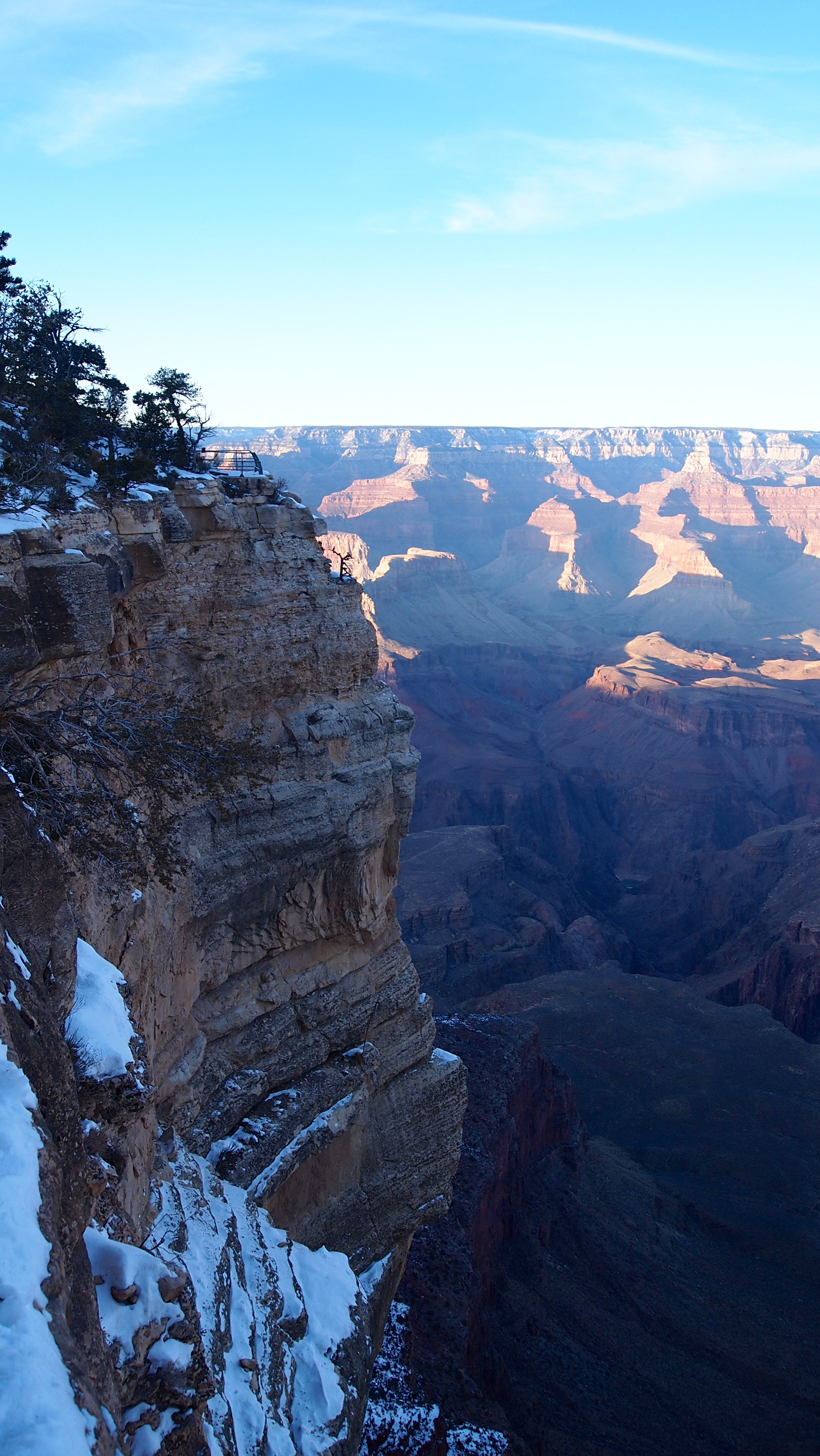
It’s been an amazing year. 2012 has brought new friends, beautiful travels, the loss of good friends, the birth of little Mesles, exciting work, and many other ventures. The list goes on. After a wonderful visit to see friends and family for the holidays in Kansas City, Jake and I drove back to California with the puppies in tow. What did we decide to throw into our road trip? A visit to the Grand Canyon, of course.

Yavapai Point at the Grand Canyon

As we arrived back in California, we trekked through the Mojave Desert to round out our adventure through the southwest.

Mojave Desert

We miss our friends and family back in the midwest, but we are excited to be back home in sunny California. Tonight, we will celebrate with friends and family in San Rafael, and count the many good times we had in 2012.

Have a Happy New Year!

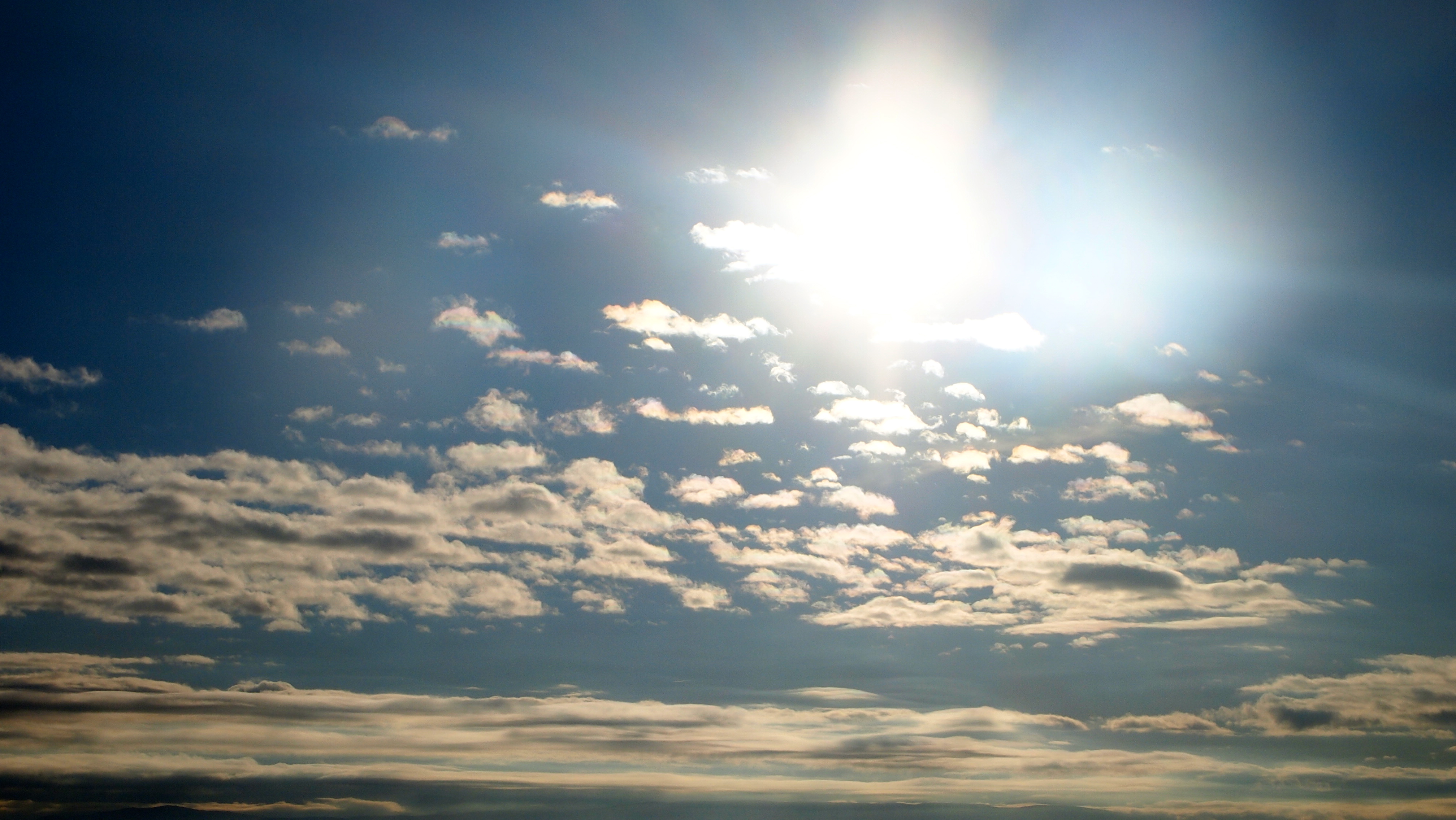
The Clouds Before the Storm

These are from our drive through Wyoming just a few days ago. We somehow slipped through a little crack in the storm in order to avoid the worst of the weather, but the clouds were beautiful, especially with the mountain background.

Here comes the snow in Wyoming!

More snow and clouds in the mountains of Wyoming

It’s definitely winter, and the holidays are just around the corner!

Good Morning, Fallon

I’ve made a few trips to Fallon, NV recently. It’s a small town of about 10,000 people in the western part of Nevada, about an hour away from Reno. My favorite thing about Fallon is the warmth and generosity of its people. Every time I walk into a coffee shop or grocery store, I have a wonderful conversation with a complete stranger. Fallon is also home to the “Top Gun” training program for the Navy, so it has a fascinating mix of people.

Here are a few shots of the morning view on my way out of Fallon during my most recent visit. The mountains and clouds were beautiful, and I saw the first of many trains that day.


Mountains in the morning, north of Fallon on Hwy 95

Train along BNSF tracks, where Hwy 95 meets I-80

Good Morning Fallon

Have a great day!

Want To Give A Rare And Precious Gift? How About A Trip To Cuba!

Do you want to give someone special a rare and precious gift this holiday?  What about a trip to Cuba, as it is, right now?   With all its blight, poverty and estrangement from the U.S., it is still on my list of “best trips” for the traveler, the historian, the photographer or the beach lover.

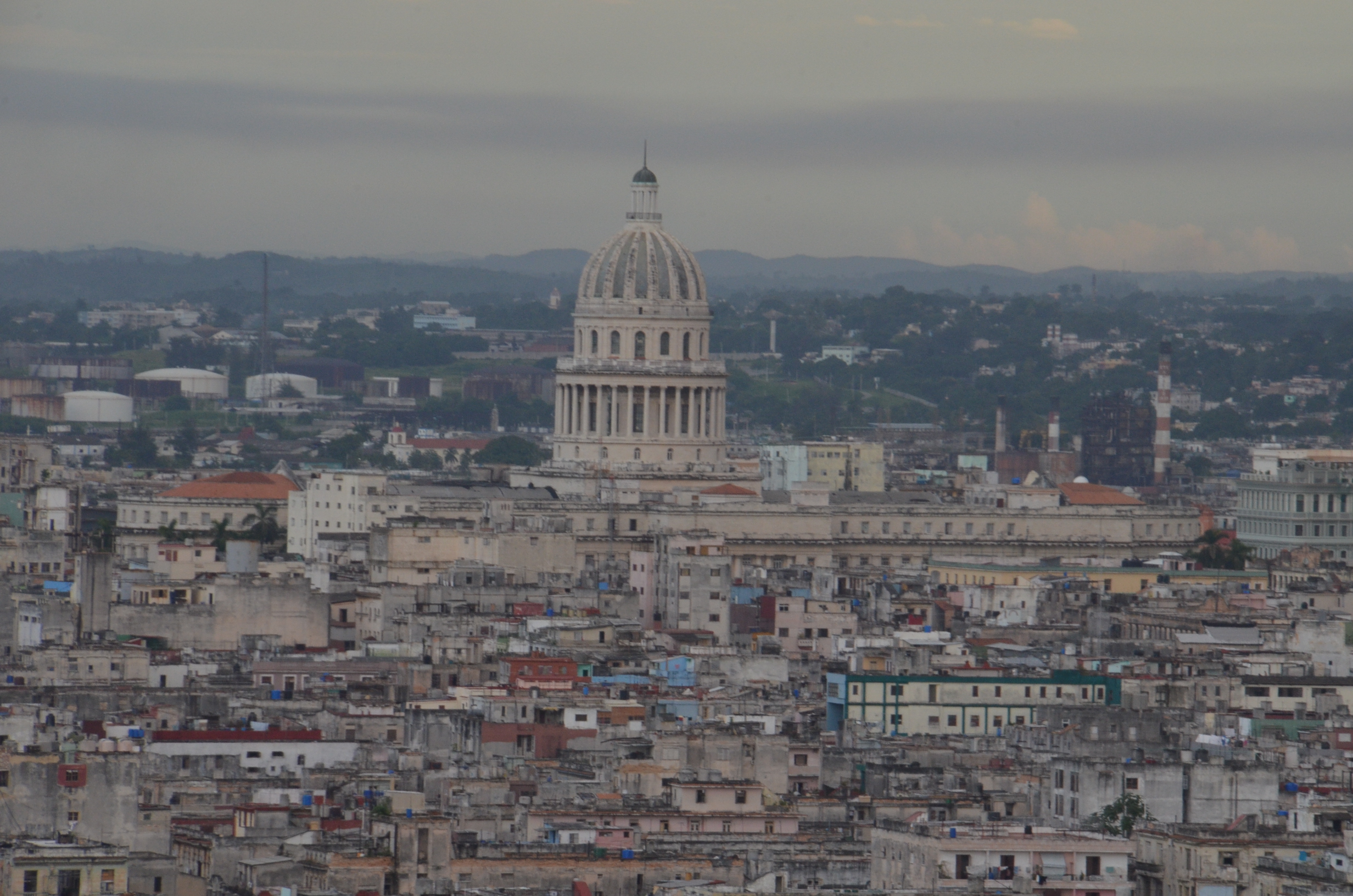
Havana is a city rich in culture, but lacking even a pretense of urban renewal.  So the question you may ask, is, why visit now?  Because change is inevitable, and when that change happens, this rare opportunity to see it as it is, with all its blemishes, will be lost forever.

The blight and poverty are real, but Cuba’s beauty will haunt you:

DSC_0749

DSC_0750

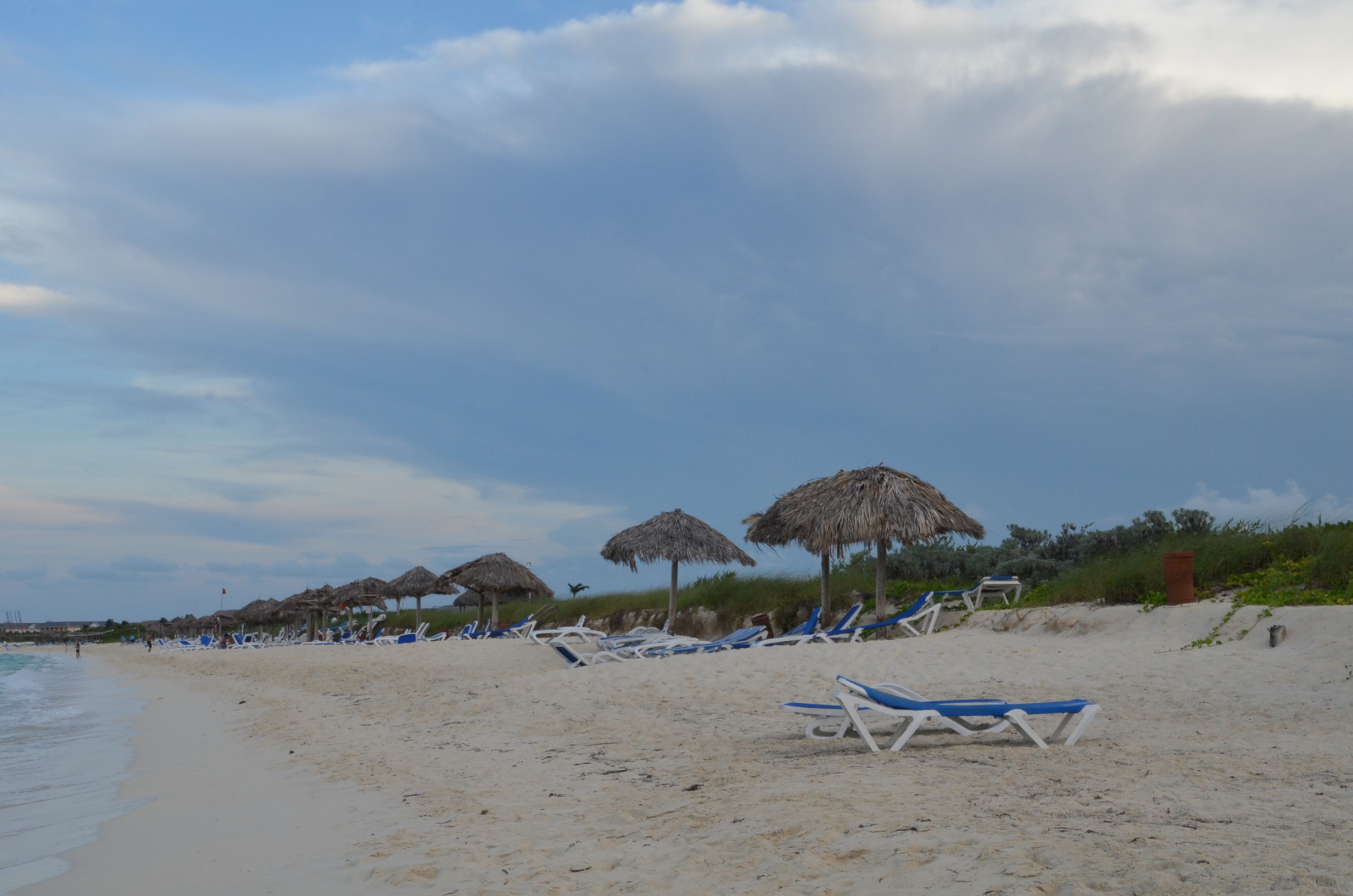
And the beaches, on both the Atlantic Ocean and the Caribbean, stretch on and on and on.  Miles and miles of some of the most beautiful beaches you will ever see, on the Atlantic Ocean and the Caribbean.

DSC_0859

My recommendation to any world travelers who read our blog: travel to Cuba now.  It is only miles from our shores.  The people are friendly, the climate is perfect, and despite occasional reminders that we are “the imperialists”, the Cuban people and the Cuban government seem to welcome us with open arms.

If you’ve run out of ideas for holiday gifts, what about a visit to the most exotic destination within a one hour flight from our shores?  Cuba!

Watching The Sun Go Down

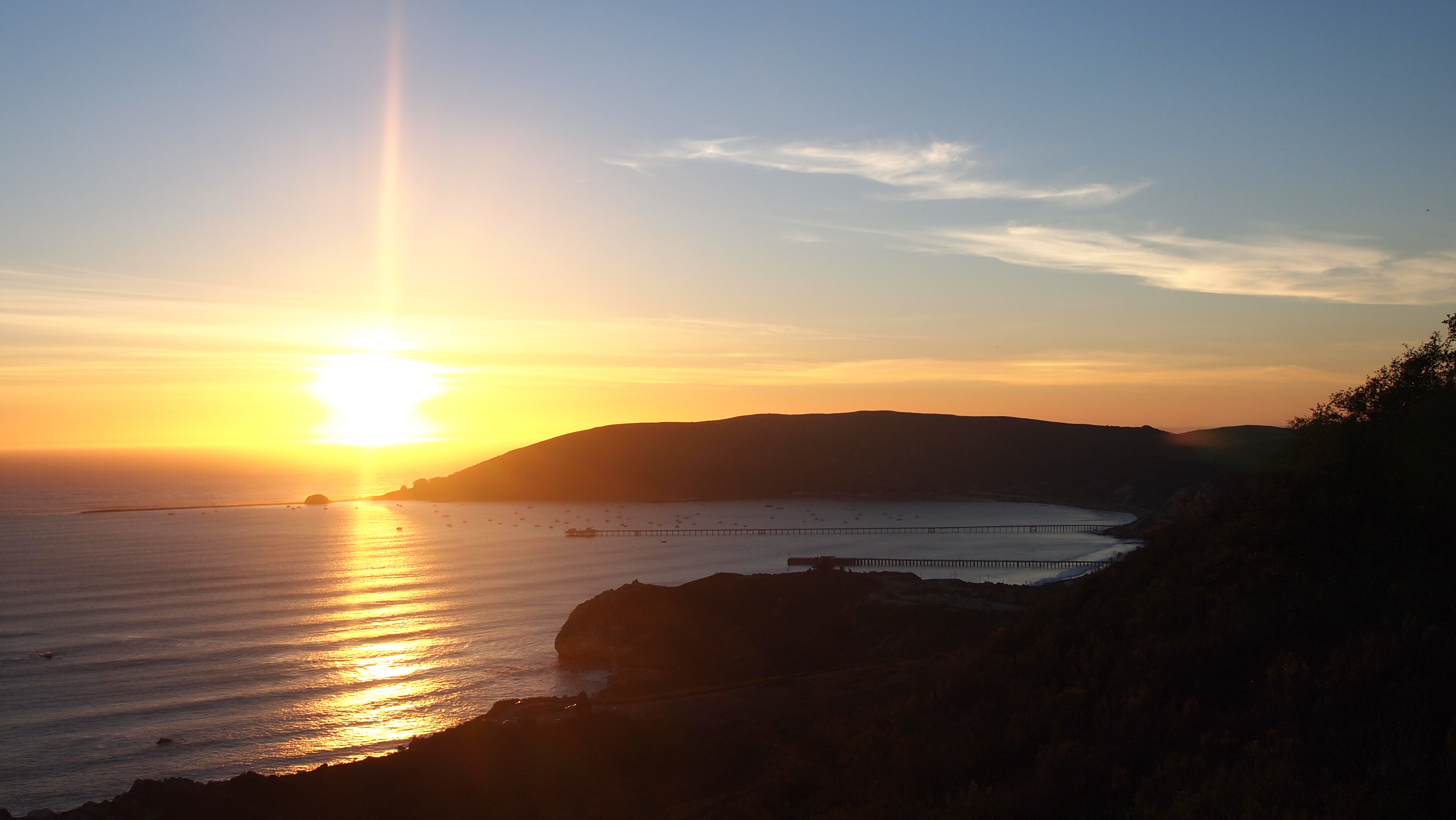
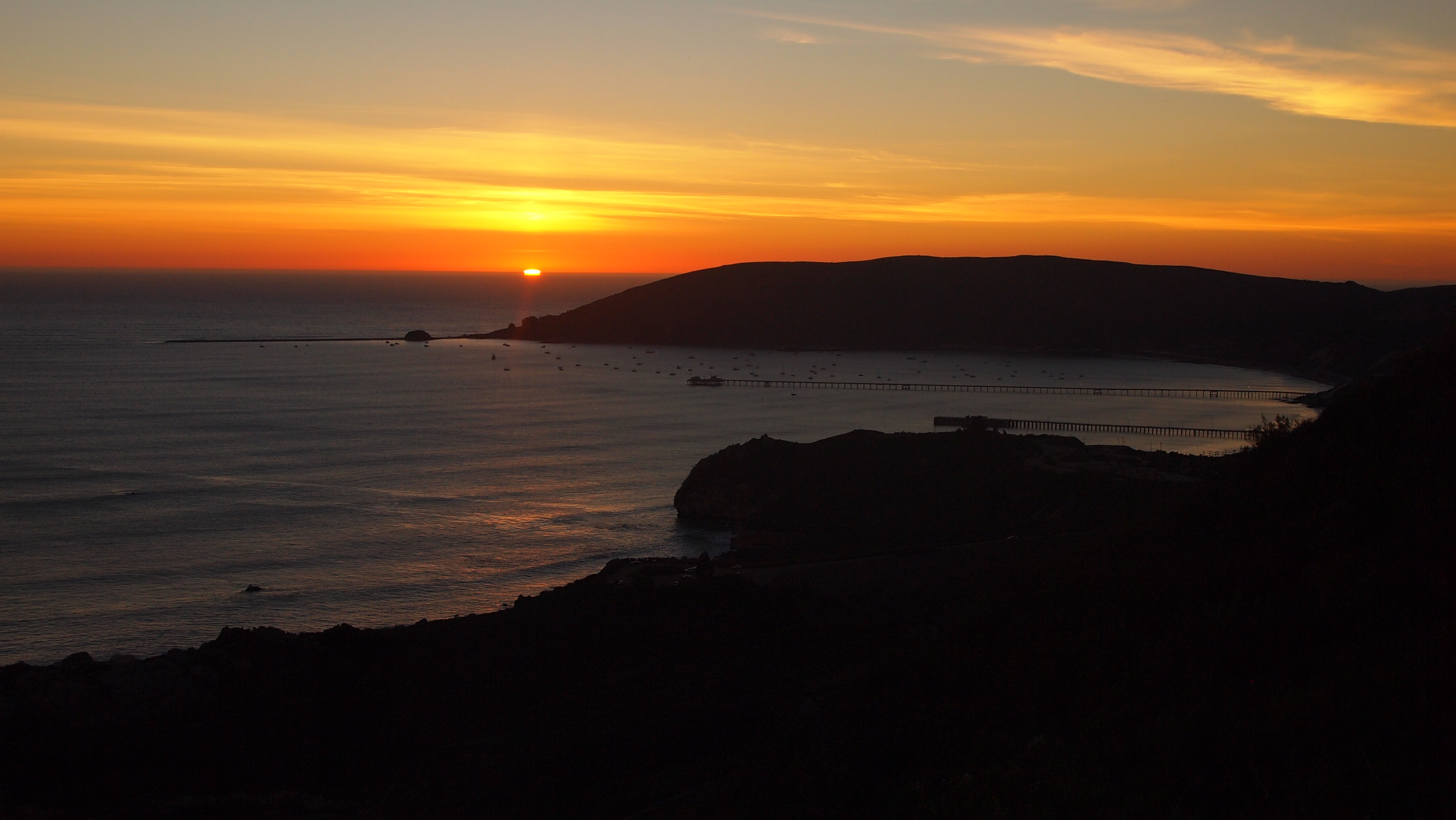
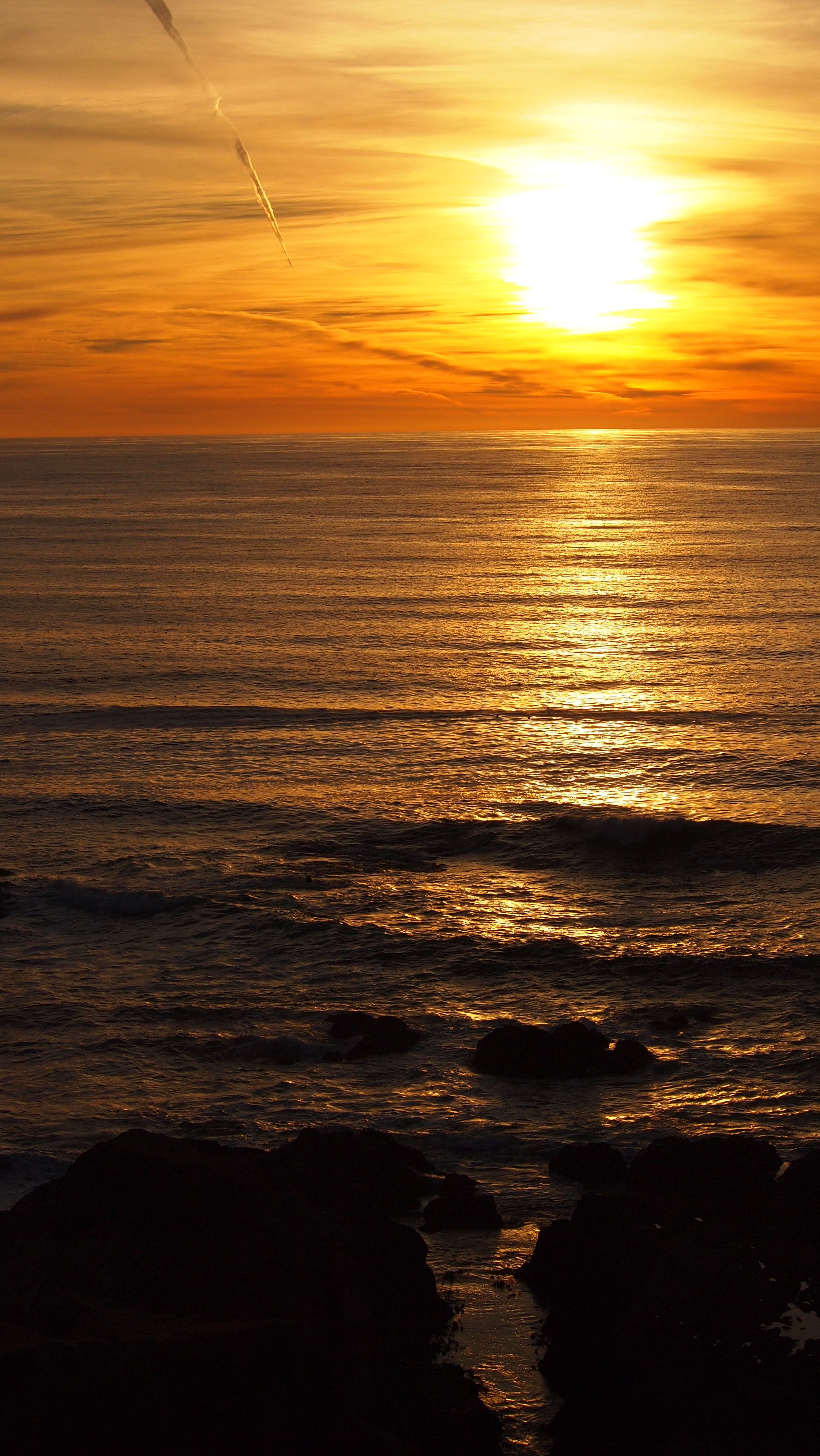
I have a fascination with sunsets. That much is clear. But finding the perfect sunset? I’ve found a few, and this one comes close. But I’ve never worked as hard to find a gorgeous sunset as I did on Thanksgiving this year. To make room for our big turkey dinner, we hiked up the ridge above Shell Beach. Pismo Beach was to the South and Avila Beach was to the North. It only took 2 miles and about 600 vertical feet, but we finally found the perfect spot. Our reward? A 2010 Roche Syrah, and a beautiful sunset.

Sunset 1

Sunset 2

Sunset 3

Happy sunsetting.

Sailboats in Morro Bay

Continuing our journey south along Hwy 1, we stopped in Morro Bay for a wine tasting overlooking the water. We were so excited when we discovered the magnificent formations between Morro Bay and San Luis Obispo called the “Nine Sisters.” This chain of volcanic peaks/hills ranges from 576 ft. (Morro Rock) to 1,559 ft. (Bishop Peak) in height. Morro Rock, the smallest of the nine, is the rock you see in the picture below. It sits out in the bay, overlooking the ocean, and is a beautiful place to sit and watch the sunset. Since you all know I love a good sunset, I thought I would share this beautiful scene with you. The sailboats are for Pud:)

Happy sunsetting.

California Coastline — Driving Hwy 1

We had a fabulous Thanksgiving getaway down to the beach near San Luis Obispo. On our way down, we decided to take Hwy 1, which is quite possibly the most beautiful drive on the planet. I had the chance to take in a lot of beautiful views and a good number of photos! You know me and my pictures of the ocean. Here are a few of my favorites. I hope you all had a wonderful Thanksgiving!

Just south of Carmel, this was a lookout point that offered a framed view of the ocean.

And a few miles further, this was a beautiful view looking South.

More to come….it was a beautiful couple of days!

Life Lived Simply: Greek Islands

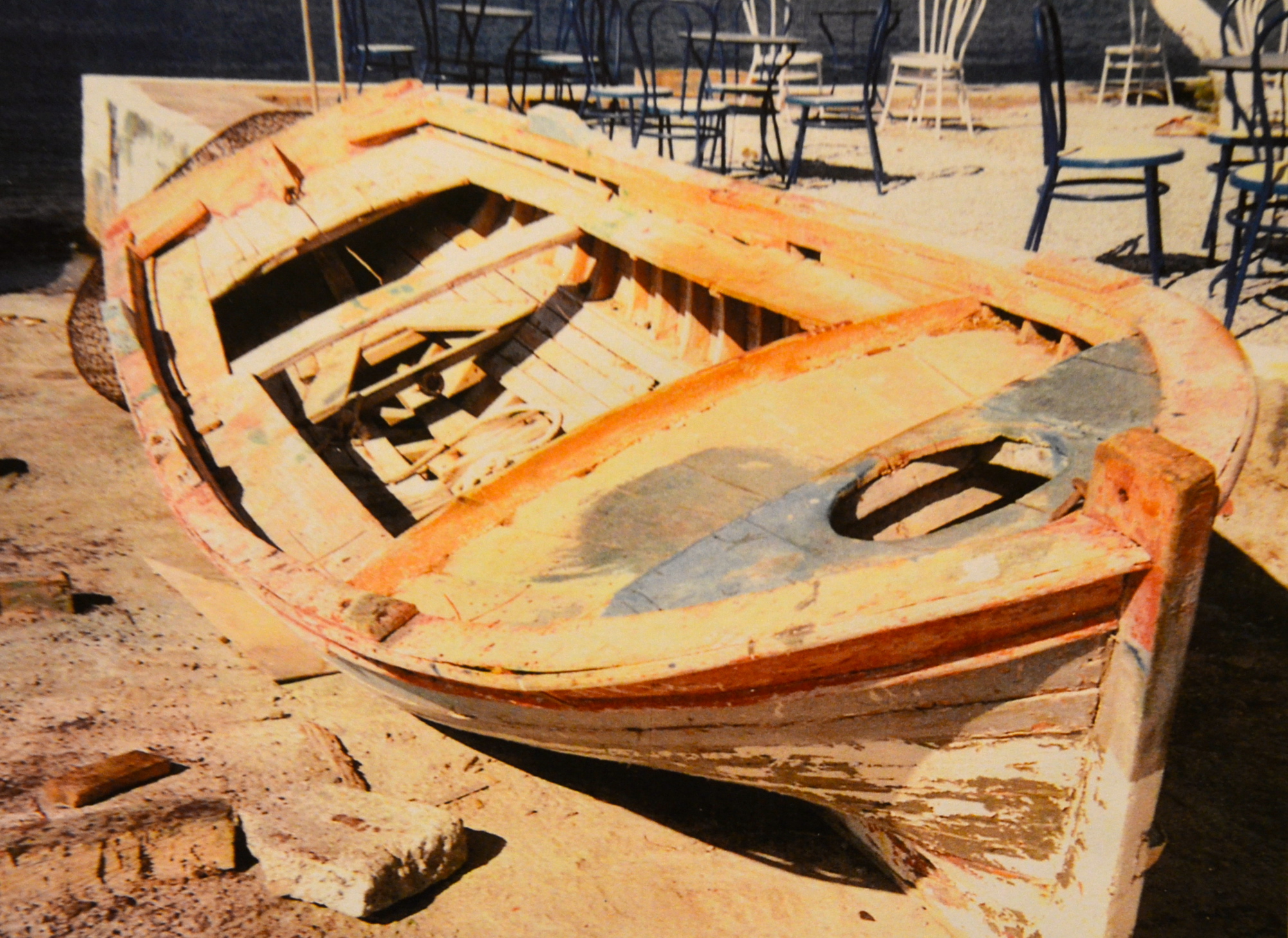
I know nothing about this boat’s past or its future (if any).  I took this photograph on the second of two visits to Greece. We sailed in the area of the islands near Samos.  We sailed by day, spent the afternoon touring a variety of small, sparsely populated islands, and spent our nights on board our slightly larger sailboat–before continuing our adventure through the islands.  My memories of Greece are all about the islands, the sea, and the simplicity of the lives of the Greeks we met.  The boats of the islanders are simple wood boats, constructed, to every outward appearance, in the same form as Greek fishing boats for hundreds of years.  Practical if not elegant, they are nothing like the power boats and sail boats that arrive at every Greek harbor of any size throughout the tourist season.

Terry and I happened on this boat when we stopped at a taverna inches from the sea.  Definitely the worst for wear, it symbolizes for me both the beauty and the simplicity of the Greek islands.

The Power of Nature

I have just completed a major chapter in my life. Working on a campaign is both exhilarating and exhausting, but besides the amazing work experience, I learned a lot about myself through the process. One of my favorite pastimes remains the same… I still love sunsets overlooking the ocean.

Just before the last push of the campaign season, I posted a few photos of my “zen” places. Well, yesterday I went back to one of my favorite spots on the California coast: Bodega Headlands. My visit felt bittersweet. It wasn’t my first visit, and I’m sure won’t be my last, but it had a different feeling about it. Having just finished this incredible experience, my world suddenly feels like it has a huge hole in it. But as much as I am unable to see a clear picture of the immediate future, I felt a wonderful sense of peace. I had warm surroundings, a beautiful view, and of course, my camera in tow.

No matter what I have going on in my life, I will always be humbled by the beauty of nature, and the ocean in particular. It is so powerful, so artistic. Here is what I captured.

And as the sun begins to set…

After it sank below the horizon, the clouds were perfectly aligned to paint the sun’s fiery colors….

Valle De Vinales: A Cuban Shangri-La

Shangri-La in Cuba you ask?  Well, why not.  Shangri-La is described by James Hilton, the author of 1933 novel, Lost Horizon, as “a mystical, harmonious valley”.  It is depicted in the movie by the same name as a place in many ways comparable to the Eden of the Bible, a place of permanent happiness in which the fertile soil, the kindness of the people and the beauty of the land, creates an environment of peace and contentment.

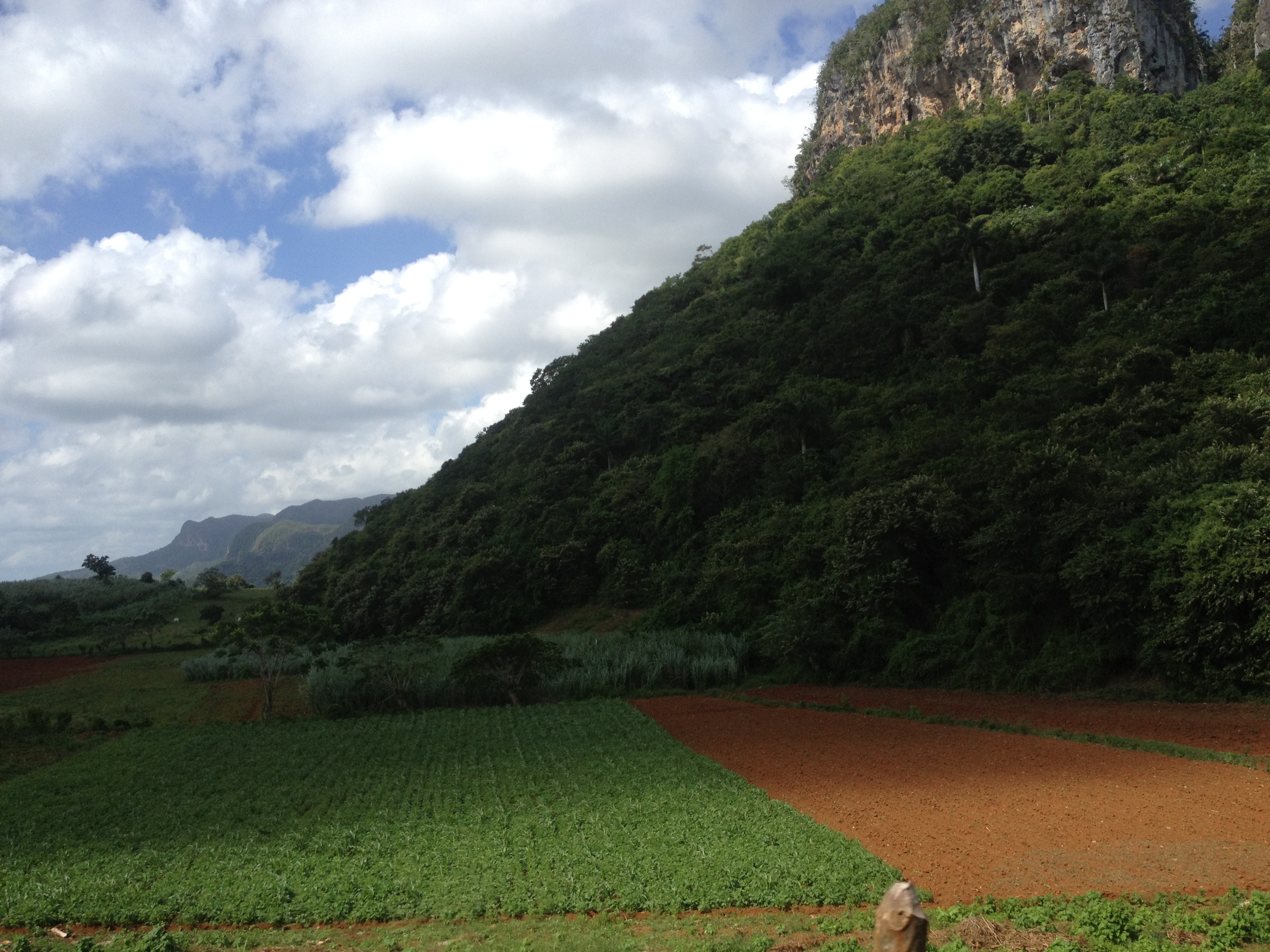
The Valley De Vinales seems to be such a place.  Only 51 square miles, it is located in the Pinar del Rio Province of Cuba. The Valley has been recognized as a UNESCO Heritage site since 1999 for its combination of “karst” [1] landscape,  in conjunction with its rich culture of architecture, crafts, music and traditional agricultural methods. [2] The valley’s rich soil and temperate climate make it a breadbasket of Cuba.
Traditional farming, relying heavily on use of oxen, enhances the romantic image of the area.

But tobacco is king in the valley, as a result of the combination of rich soil and temperate climate touted as producing the finest quality of tobacco.  While food crops are traditionally cultivated, tobacco farming combines traditional methods with more modern farming techniques.
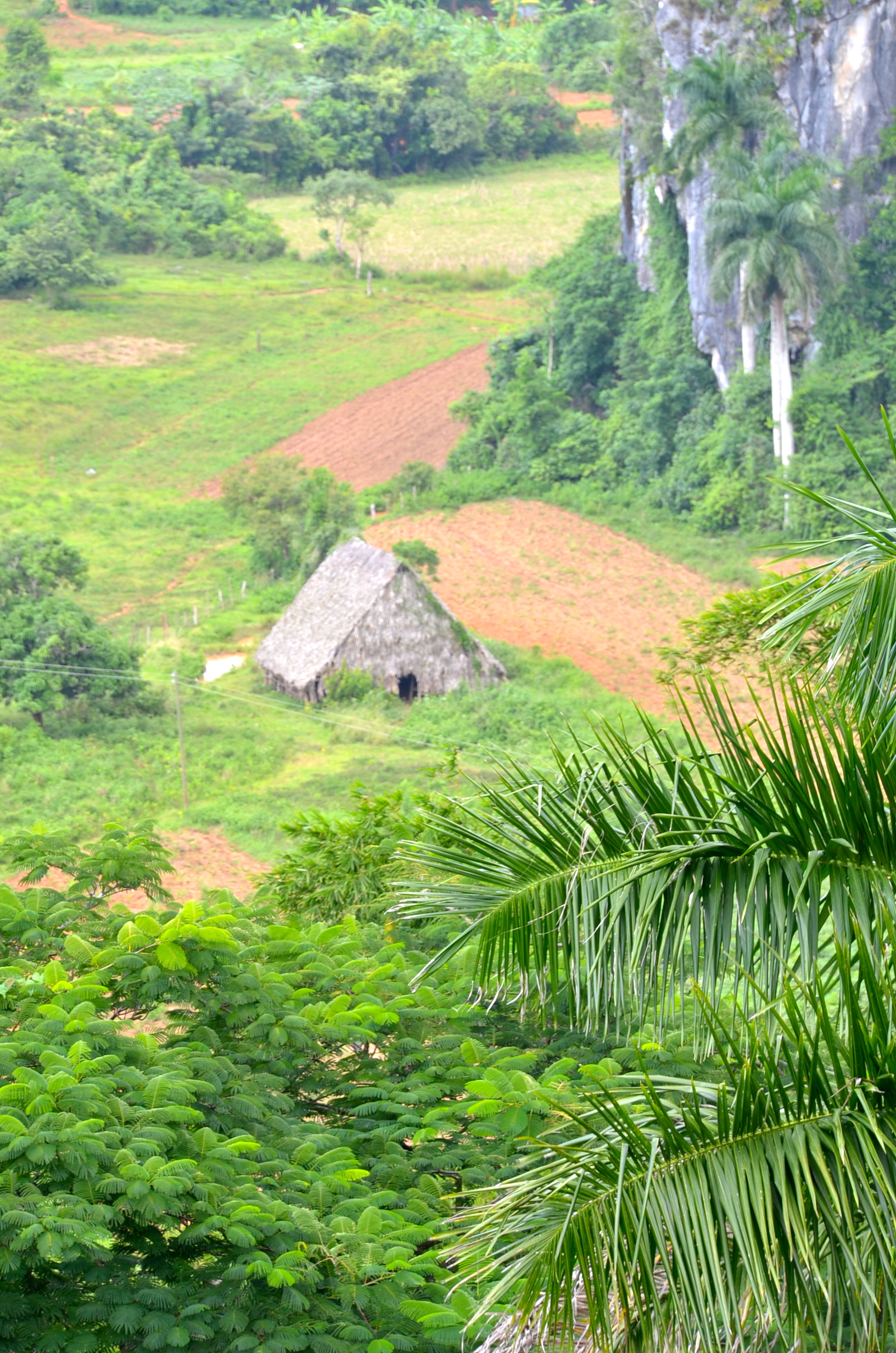
After the harvest of the tobacco, the leaves are dried in specially constructed barns before being sent to cigar factories in nearby Vinales. The thatched barns in which the tobacco is dried are both practical and graceful.  The owner of the tobacco plantation we visited could be the model for the Juan Valdez coffee ads.

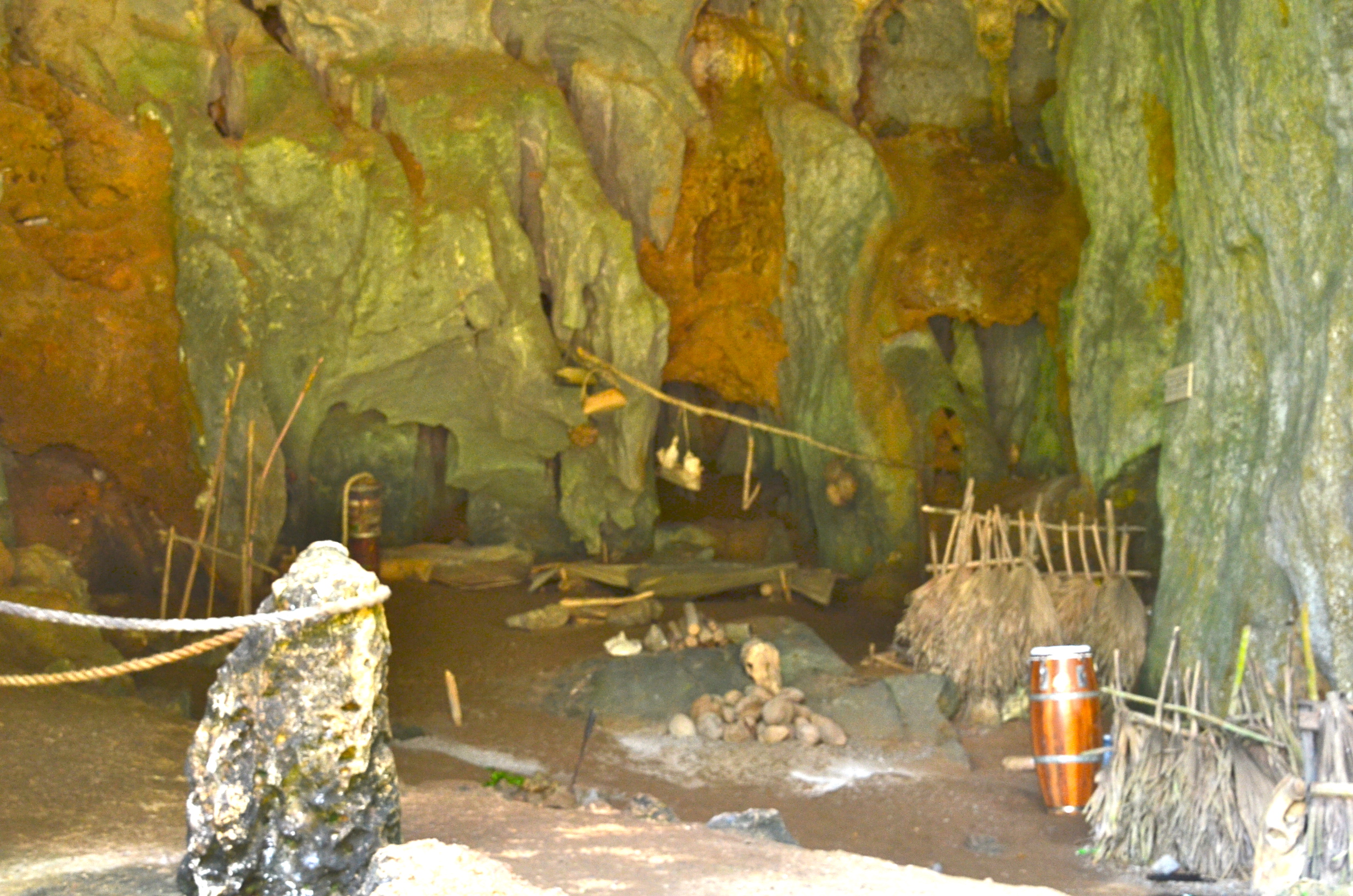
While in many ways a blessing for Cuba, it was tobacco that expanded slavery in Vinales.  But Vinales was both curse and blessing, for it was the mountains surrounding the valley that became a home for runaway slaves, who were able to live for extended periods of time in the caves that stretch throughout these mountains.  The descendants of those slaves thrive today in this rich multi-ethnic culture.

The beauty of the valley and the mountains that surround it are not to be soon forgotten.  The Vinales National Park located in the valley helps preserve the historical value of the area.  While tourism has expanded throughout the valley, tourist areas fit into and, in some ways enhance, the natural beauty of the valley.

[1]  Karst is a special type of landscape that essentially identifies a “sinkhole” or sunken area of land.  Karst typically is in an area of soluble rock such as limestone.  The low mountains in the valley are quite fragile, as a result of the erosion of the structure of the mountains by rain and weather, leaving the caves that are described above.  It is this same fragility that causes the depression in the land.

[2]  Even the UNESCO description of the basis for declaring the Valle de Vinales evokes the image of shangra-la!