Springtime in Kansas City’s Country Club Plaza

It is a beautiful week in Kansas City. The tulips are in full bloom.

Pansies are everywhere, even in a “wishing well”.

The trees are starting to bud.

The Plaza is all decked out for Easter, with an oversized rabbit, turtle and other brightly colored animals for children to climb on and be photographed with.

Most exciting, the first of the Plaza’s fountains have been turned on.  It is our own little bit of heaven.  Pomona, an original sculpture by Donatello Gabrielli, is the Roman Goddess of the Earth.  She stares out on the Plaza as though aware of our comings and goings.

The Plaza is at it’s very best.  Ready for tourists and locals alike.

Have a great day!

Enchanted Islands-Sailing Dubrovnik to Split (Part 1)

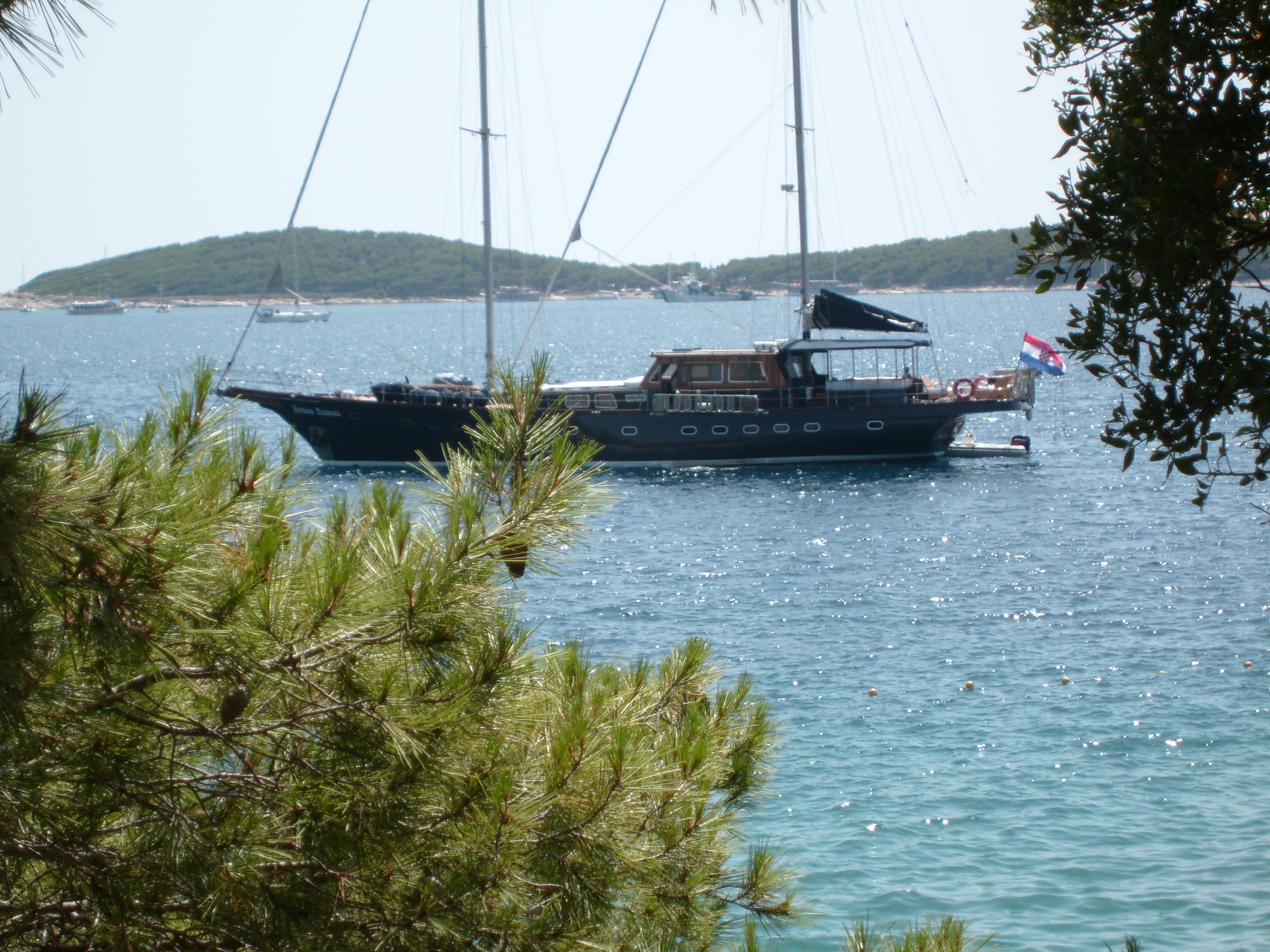
Enchanted islands.  That is the best way to describe them.  When Terry and I left Dubrovnik to begin our week sailing the Dalmatian Coast, we expected a great trip.  But we did not believe it could match the experience we had in Dubrovnik. We were wrong. We expected to see drab buildings left over from World War II followed by years of communist rule.  We were wrong again. With six close friends, we boarded the gulet, “Fortuna Dalmata,” in the harbor outside Dubrovnik and set sail to visit islands, towns and villages as enchanting as their names suggest: Vis, Hvar, Krk, and Komiza. Our crew included experienced sailors and an incredible cook.  They made our island hopping experience as relaxed as it was satisfying. Our food was as good as we would expect in a first class restaurant.  Not surprising, since our chef’s family owns a fine restaurant in Split.  Breakfast included chocolate croissants, fruit, eggs and cereal.  Dinners included veal shank and lobster.  What could be better than dinner served looking out over the sea to the islands nearby. Only 69 of the 1000 or more islands along the Croatian coast are inhabited. The  entire coast has a rich history that extends back long before the birth of Christ.  Various islands and towns along the coast were inhabited by–and/or did battle with–the Romans, Byzantines, Ottomans, Turks and Venetians among others. Many had ruins from those periods.  The fortifications on some islands were evidence of a long history of war. The islands we visited included picturesque rural villages with basic agricultural equipment and few automobiles and taxis. Tractors were common sights.

So were donkeys.
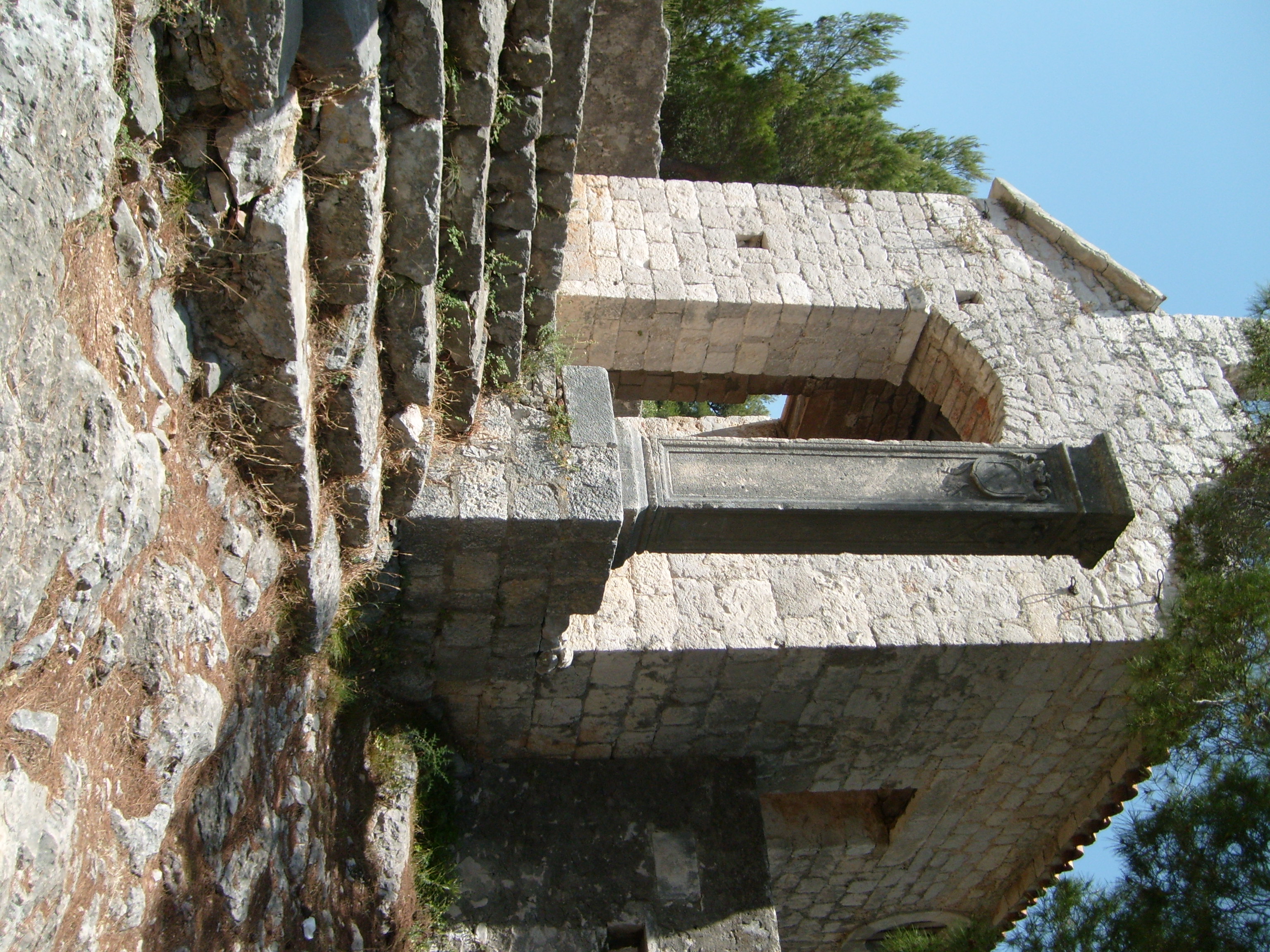
 It was not uncommon to land on islands with Greek and Roman ruins that spoke to their influence along the Dalmatian Coast.
There were shrines and statues to unknown heros.  The sacred nature of the temples and the sculptures, both Christian and pre-Christian were apparent all around us.  The detail of the carving and the powerful portrayals of worship evidence that the populations along the coast were highly religious throughout Croatia’s history.
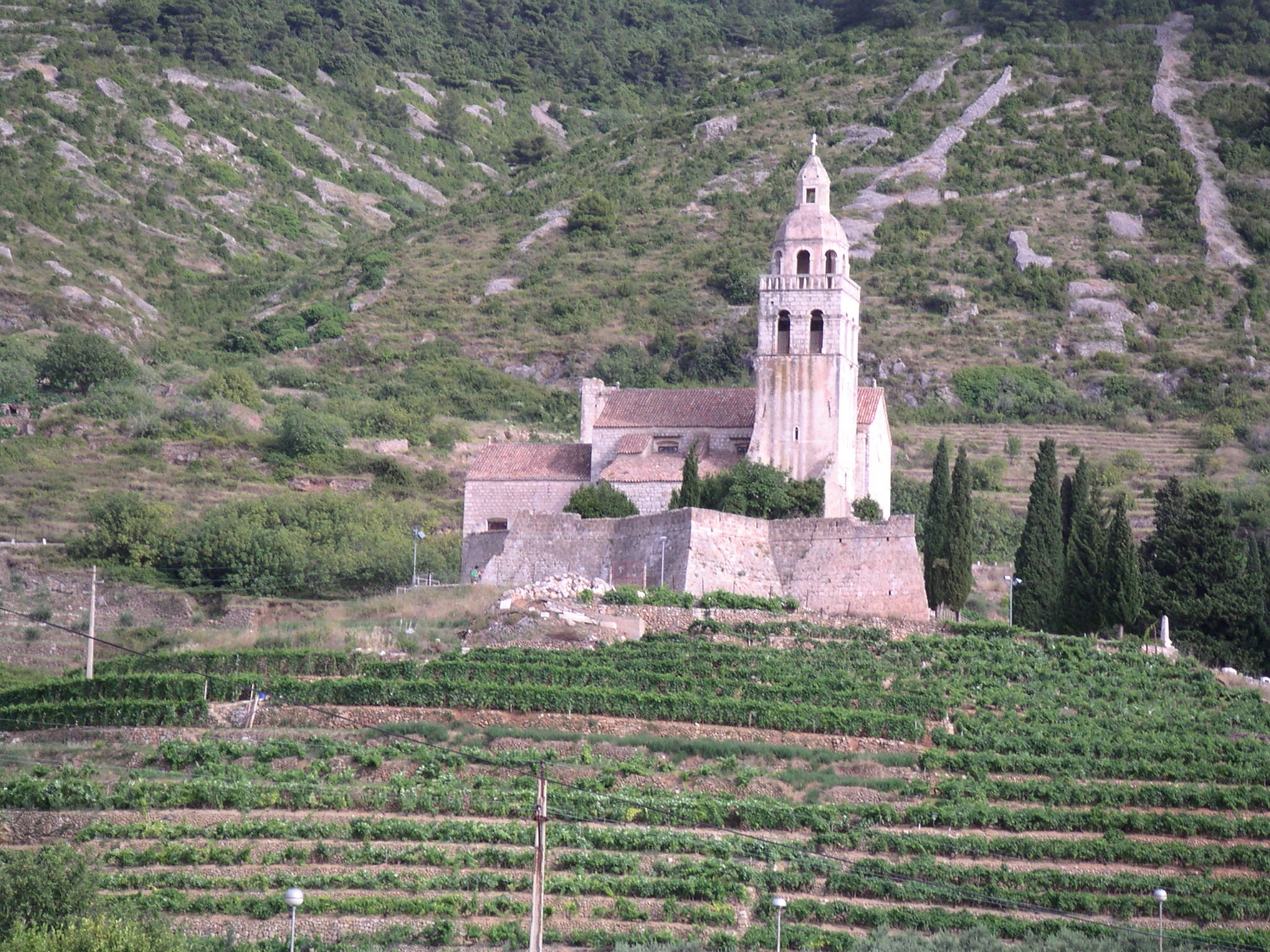
 The 16th century Church of Sv Nikola at Komiza dominated the hillside as it rose up from the terraced land and towers over the cypress.  It’s sleek lines and sculptured beauty seem to rise up to meet the heavens.
While the beauty of the architecture on Vis and Hvar inspired us with man’s creative spirit, we also visited islands where the natural
beauty appeared incapable of existing anywhere other than an artist’s canvas.
Each island had it’s own personality.  We could be inspired in the morning by nature and arrive in the evening on an island where the ornate buildings evidenced centuries of affluence and commerce long before the Americas entered the world stage.  As you can see, I am way underdressed for this highly sophisticated and elegant harbor town.
 Terry was similarly decked out in his favorite sailing stripes as he walked the gang-plank from the Fortuna to the dock.
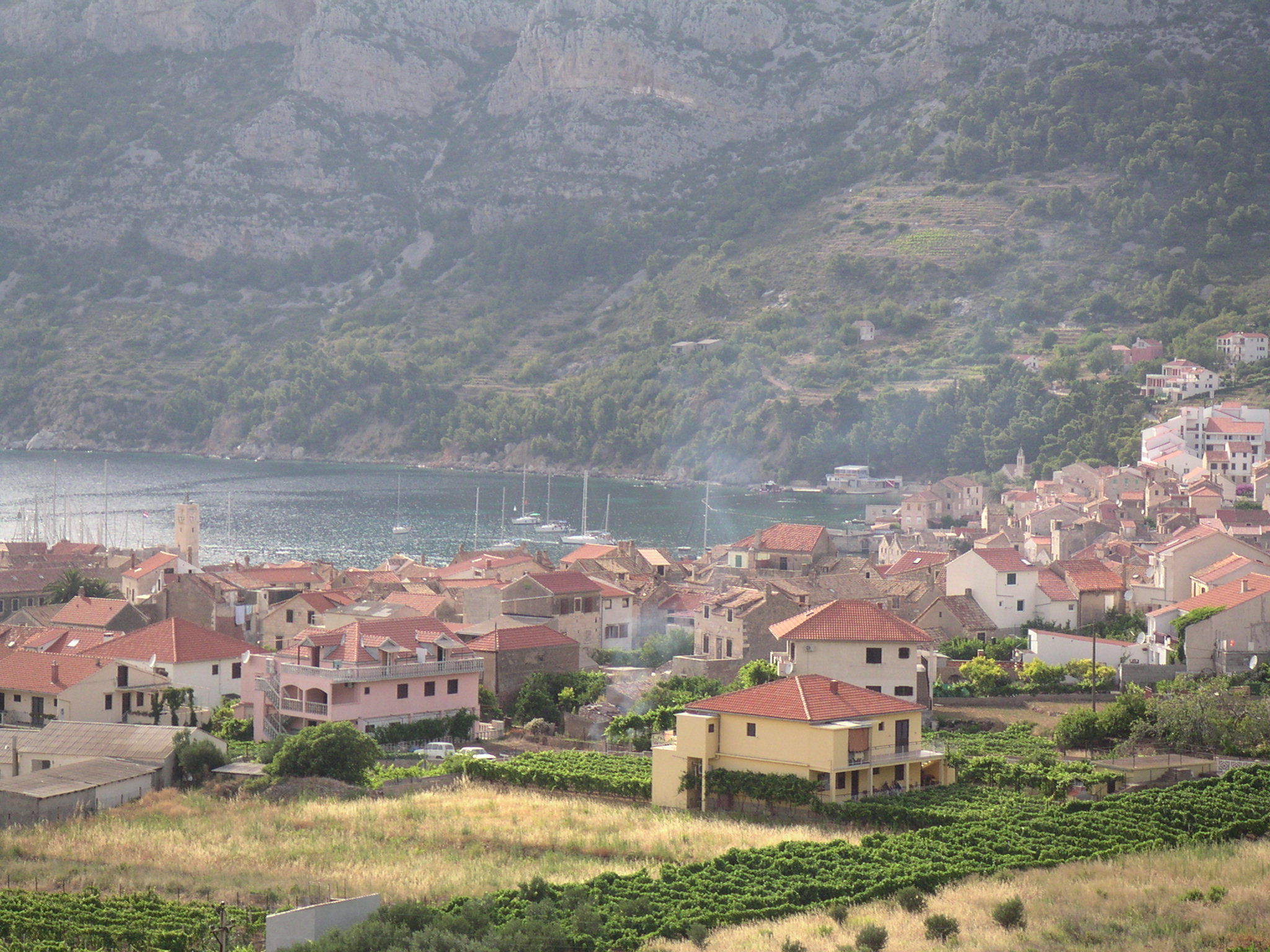
As we look at the serenity of the coastal town below, it is hard to believe that only twenty years ago Croatia was involved in heavy fighting that left much of the country in shambles.  It was just as difficult to understand that this wonderful part of the world has seen far more than its share of political and military turmoil from pre-historic times to the present.

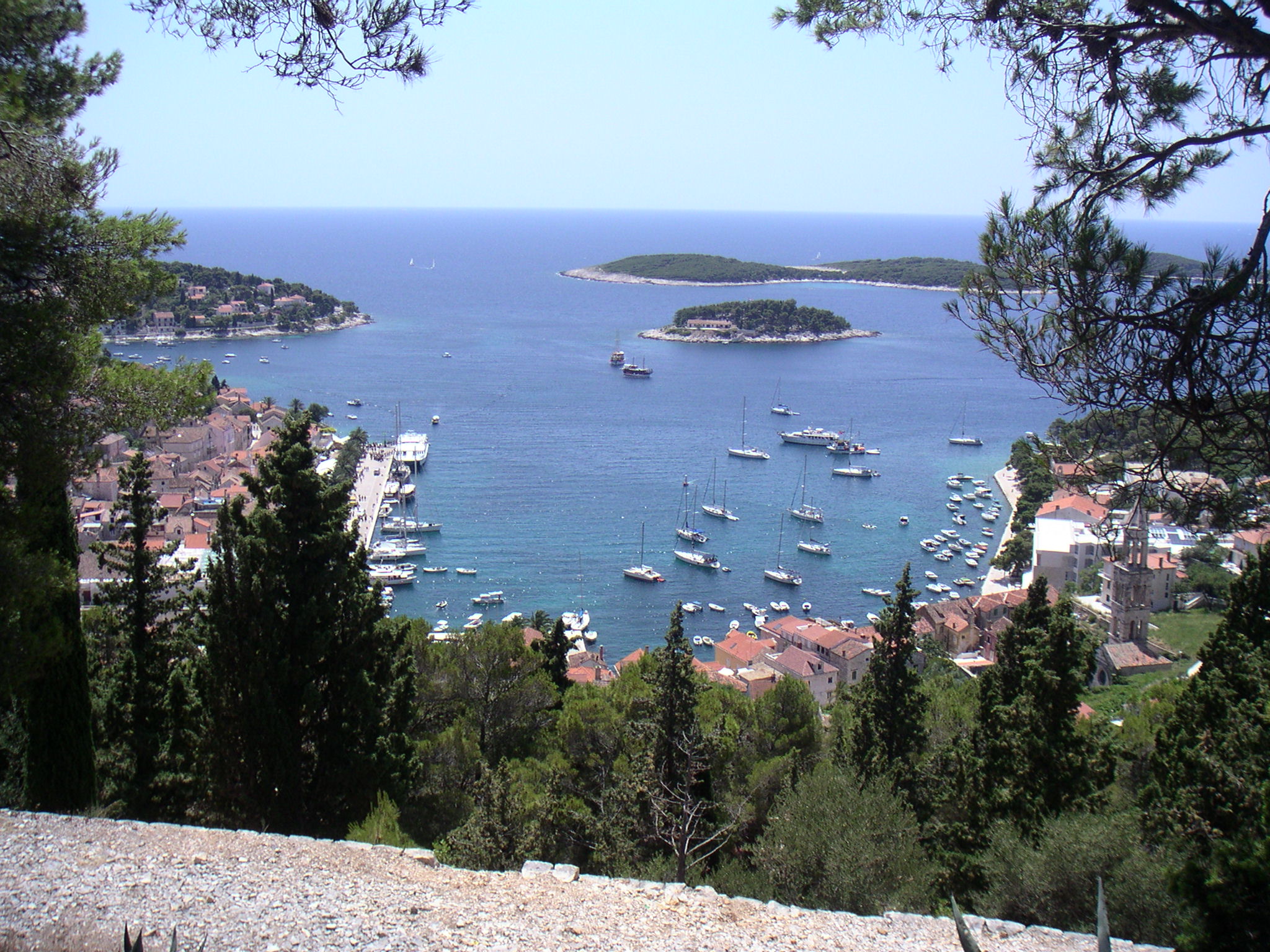
There wasn’t an island that we didn’t want to visit longer.  Many of the uninhabited islands are little more than rocky crags dotting the water between the larger islands. They cluster together like hens and chickens.

To show you even more of our favorite sites in the Croatian Islands we will post Part 2 later.

A Rare and Precious Pearl–Dubrovnik, Croatia

It is Lord Byron who first described Dubrovnik as the Pearl of the Adriatic.  An ancient commercial and trading city, it was declared a UNESCO World Heritage Site in 1979.   It’s massive stone walls, erected from the 13th and 16th centuries, seem to rise out of the sea.

The harbor, now filled with pleasure boats, once made Dubrovnik a center of trade and commerce and brought great wealth to the region.  It ws settled as early as the 7th century.

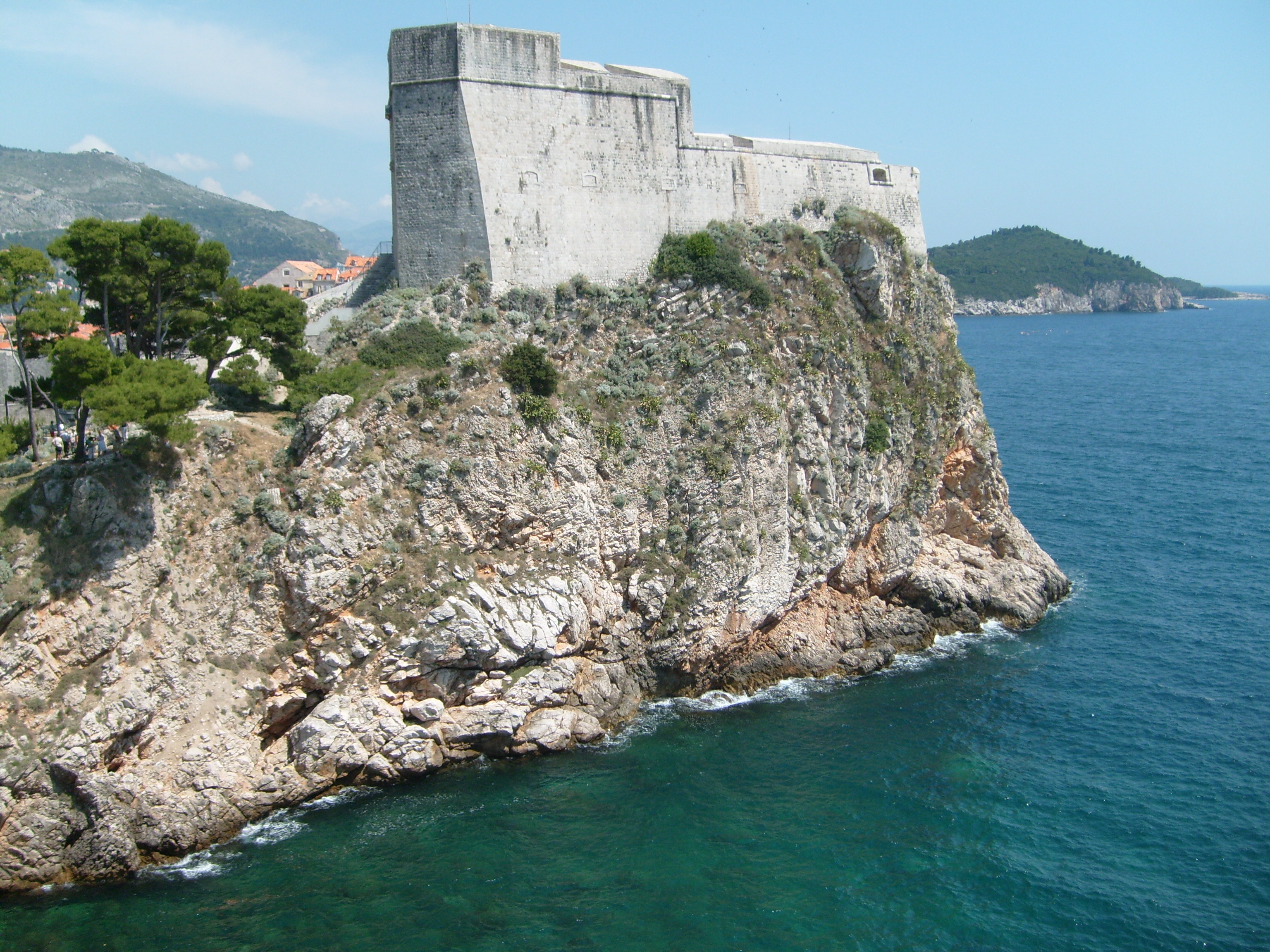
A fortress sits outside the walls of the city, protecting the harbor and its citizens from ancient dangers.

As you approach the walled city, you are greeted by ceremonial guards straight from central casting.

For many years Croatia, like many of the former Union of Socialist Soviet Republic, was nearly inaccessible to Westerners.  In 1991, Croatia separated from  Yugoslavia, and, as a result, Dubrovnik became embroiled in the upheaval between the Serbs and the Croats,  sometimes called the Balkan wars or the Croatian War of Independence.  There is little left to remind us of the Siege of Dubrovnik in 1991-1992.  Most poignant is the Rooms of Remembrance for the defenders of Dubrovnik, mostly teenagers, whose images from the wall remind us of the our own children.  The destruction of the city itself, while extensive, is no longer in evidence. The churches, homes and public buildings have been rebuilt and now appear untouched by war.

The walled old city includes only two hotels.  One was very expensive.  We stayed in the other one.  While the amenities were sparse, the rooftop view made any inconvenience irrelevant.  At night it was almost otherworldly.  

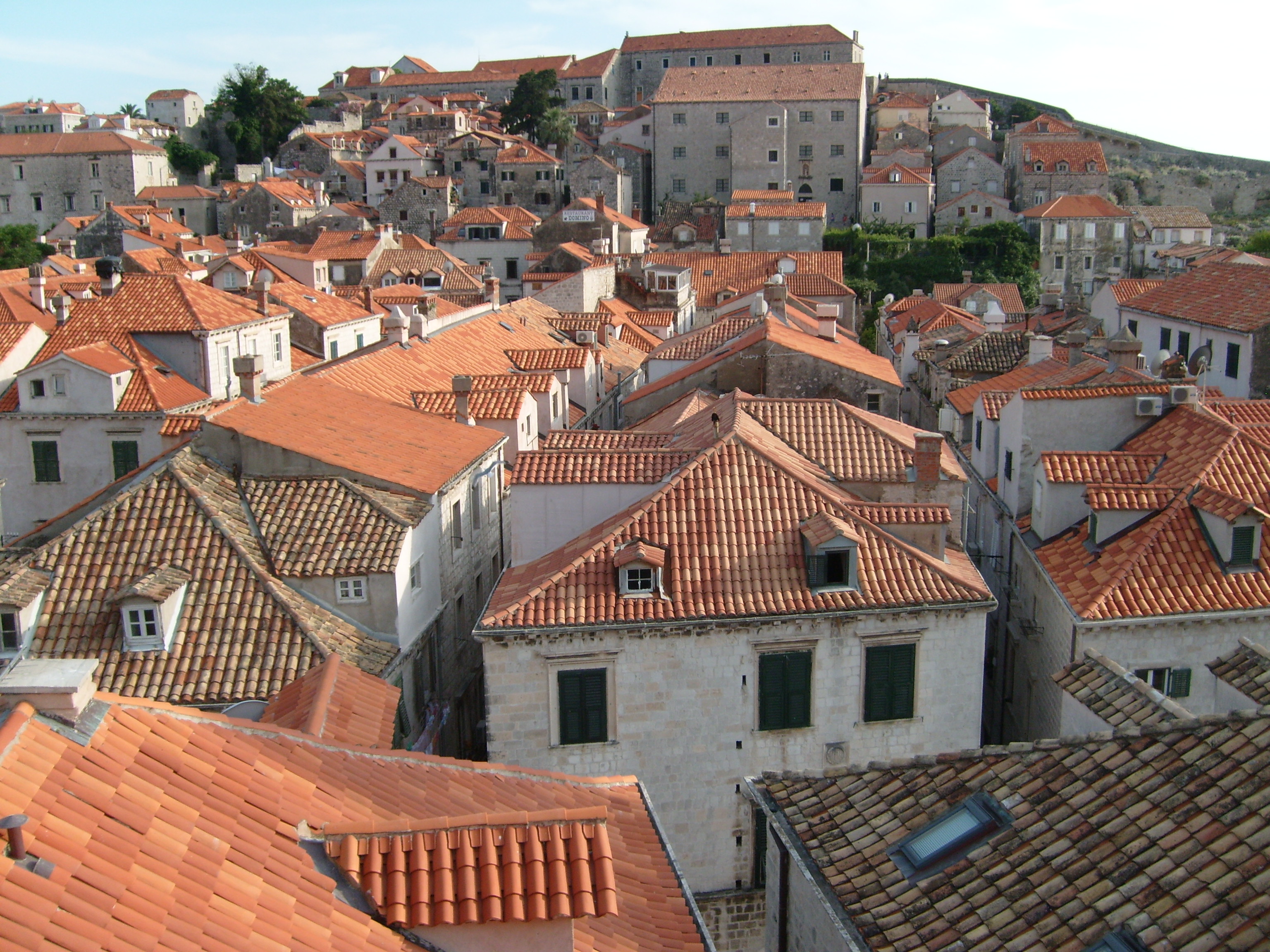
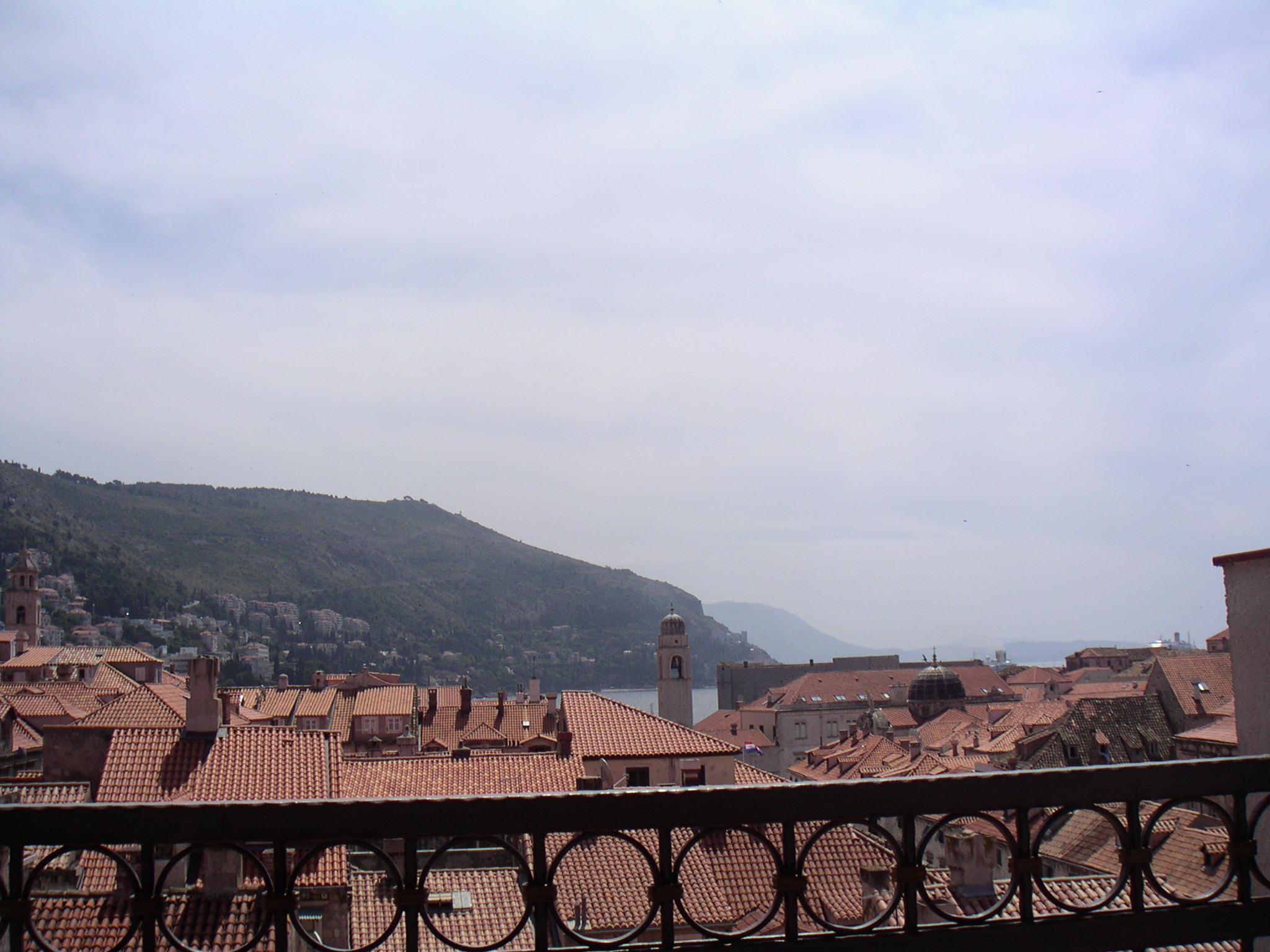
In the daytime it provided a view of a rooftops and buildings in a large section of the city.      

Walking the narrow streets was an experience all to itself.  Like many medieval cities, there is no motorized transportation.  Walking is not the challenge, finding our way through the maze of streets to our destination, was another matter.  Fortunately, there were plenty of cafes where we could sit, watch the natives and the tourists and enjoy the company of friends.

Art on the Wall — Kansas City’s East Side

Meg and I love to travel.  When we return home, she returns to Petaluma; I return to Kansas City. Missouri doesn’t have an ocean or a light house.  It doesn’t have sandy beaches.  It doesn’t have mountains.  But Kansas City does have art, lots of art.  Some amazing art is right in plain sight, but we don’t always notice it. I have spent a lot of time driving around the city recording this art. I thought I would share some of the art I found on Kansas City’s East Side.

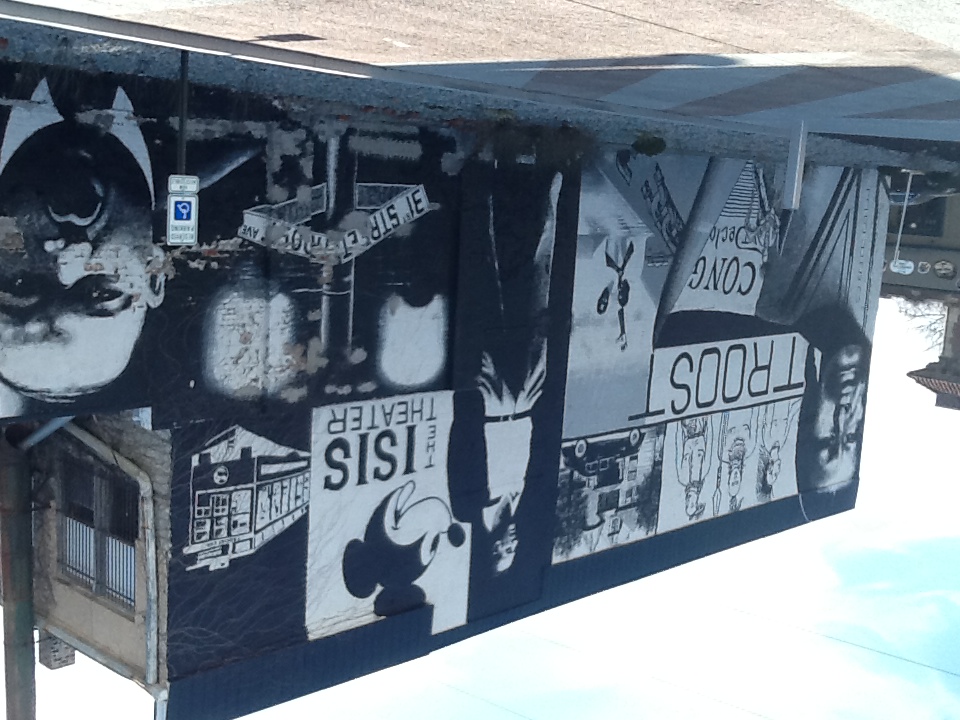
Sometimes the artist is paid well for the paintings or is a professional who volunteers his/her time and talent. This mural on Troost Avenue presents images of Kansas City’s history: Walt Disney, Mickey Mouse, Martin Luther King, Jr., native Americans.

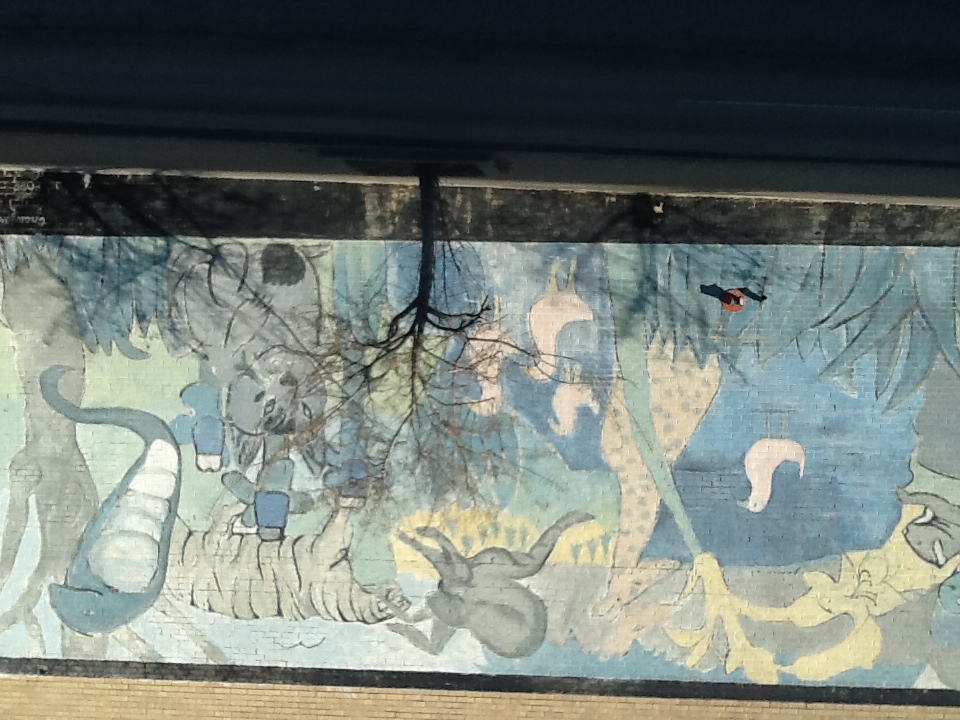
Some art is for children, such as the mural at Operation Breakthrough, which records the images of creatures, large and small.

Sometimes kids create their own art without permission on bridges, abandoned buildings and overpasses, ie graffiti. The vivid colors are impossible to ignore.

Frequently road art captures the essence  of a community  within a community.  Sometimes it conveys hope.


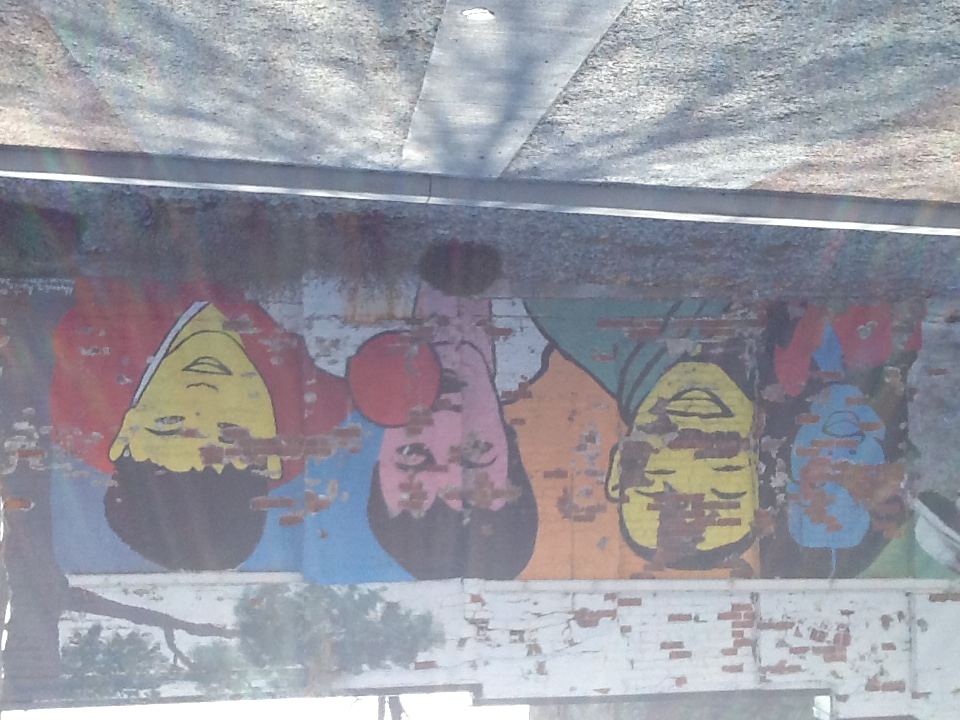
Other times it conveys the joy of creativity and the enthusiasm of youth.

Life in an Old Tree

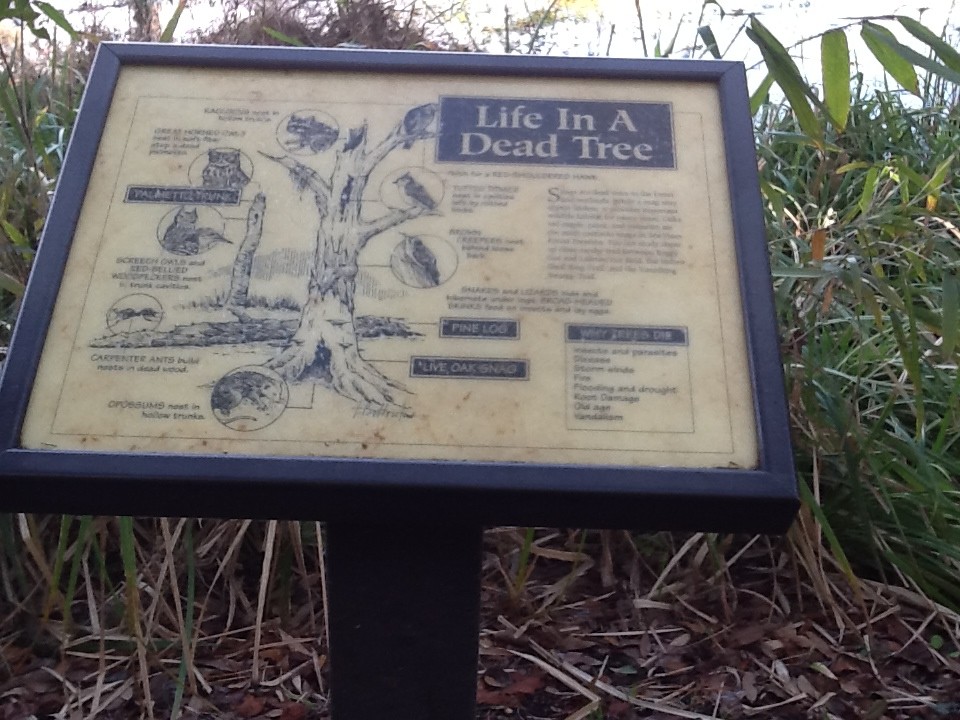
“Life In A Dead tree” reads the sign abutting the nature trail at Sea Pines, Hilton Head. While others may consider a dead tree to be–well, dead–at Sea Pines, the tree is viewed differently, as teeming with life, nurturing life and protecting the environment.  Dead trees are considered to be so valuable that you may need permission to remove a dead tree.


What possible benefit is the protection of a dead tree?  Read the sign!  Dead trees provide a nesting place for birds and small animals while providing building material for their nests.  A fallen tree provides ground cover and shade.  It can provide a breeding area for insects (for good and bad). It provides shelter for small animals and birds from predators, large and small.  It creates a barrier to wind, protecting the soil from erosion.

At the end of the process of decay, it fertilizes and nourishes the earth, providing the nutrients that constantly renew the forest.  A tree submerged in the water provides a place of safety for fish and other aquatic life.  All things considered, there is still plenty of life in that dead tree as it supports and protects new life around it.


The Beautiful Sights of Fiji

Meg has a J.D. in Urban, Land Use and Environmental Law. She focuses on maintaining the balance of community and environmental health, healthy lifestyles, and encouraging sustainable living.

One of the first things you see when you land in Nadi airport is the Mountain of the Sleeping Giant. You can see the outline of the Giant’s face, the mouth, the nose. It is quite an amazing sight.

After a few days of enjoying the Fijian culture and hiking through the jungle to see the caves previously used by local tribes in the 1800s, Jake and I decided to do a little driving tour of some of the local sights. We visited the town of Lautoka, went to the Garden of the Sleeping Giant to see all the beautiful orchids, and covered ourselves with mud at the mud pools and hot springs.

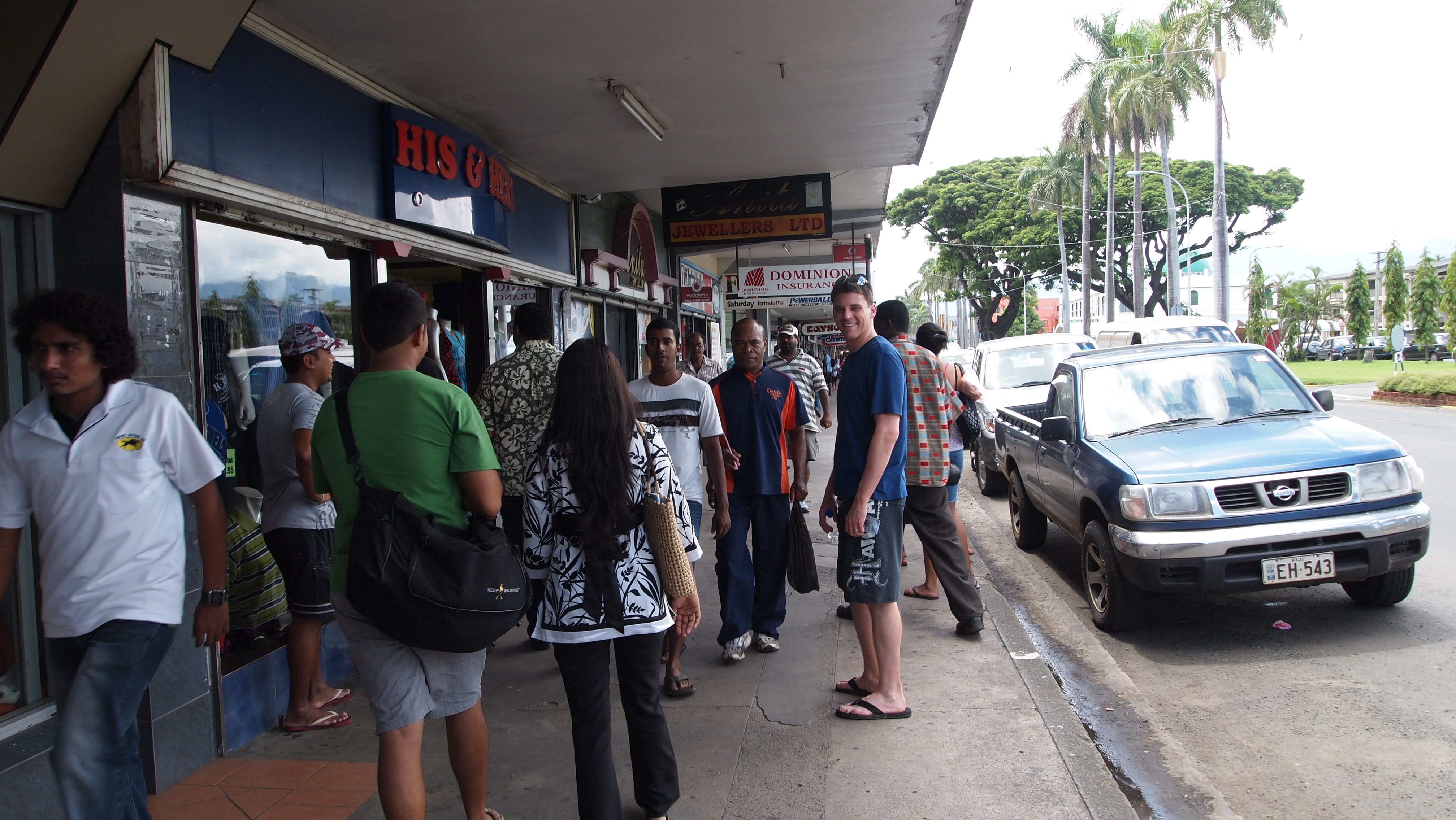
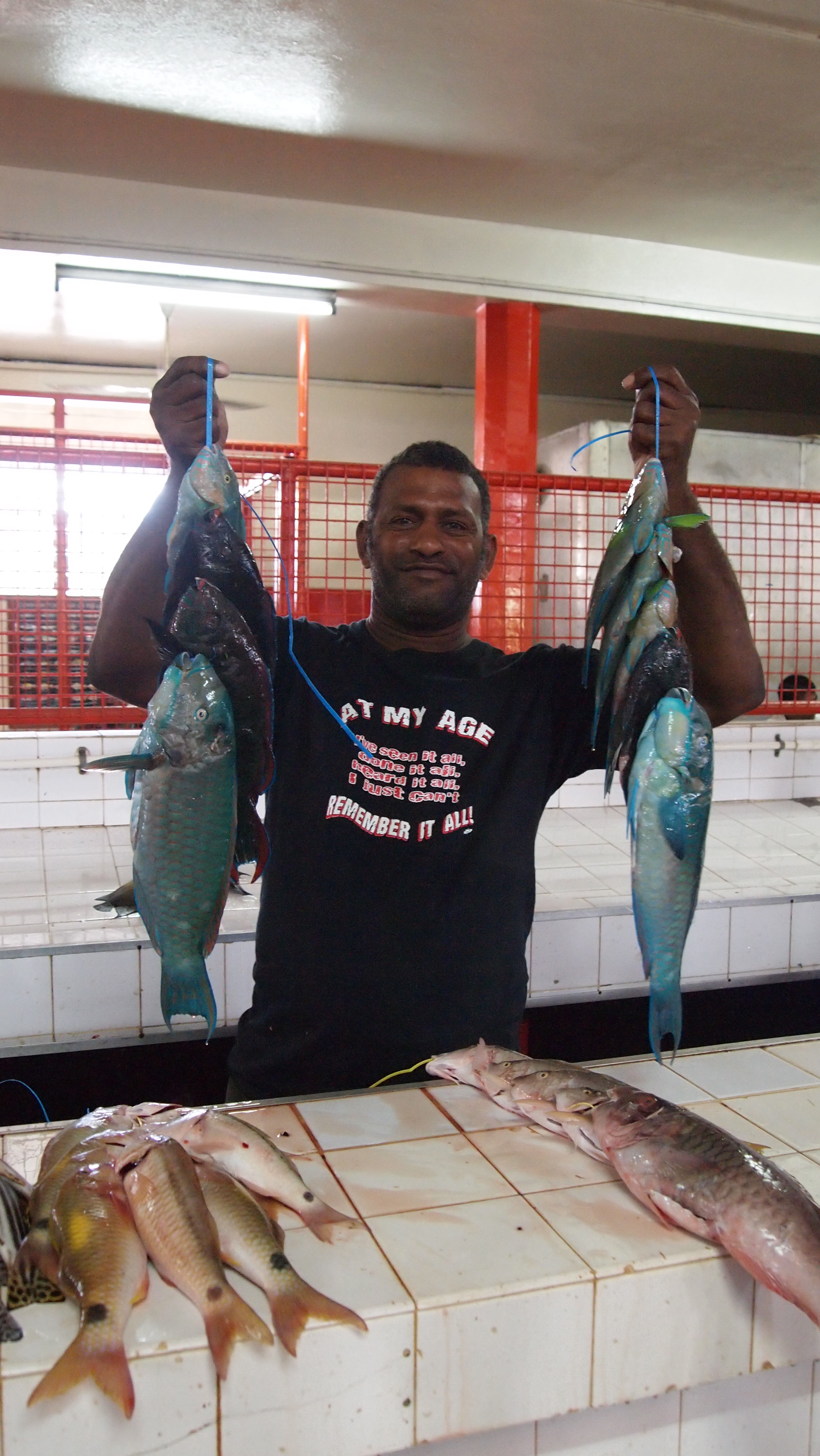
Our first stop was the town of Lautoka, where we visited the market. There were not many tourists here, so it gave us the opportunity to see what a normal day in the market in Fiji looks like. We saw the fruit and vegetable stands, the spice stands, and even the “fish room.” It was quite fascinating to see the giant room dedicated to the market. I don’t know if it operates every day at the same level, but there certainly were a lot of merchants there on a Friday morning!

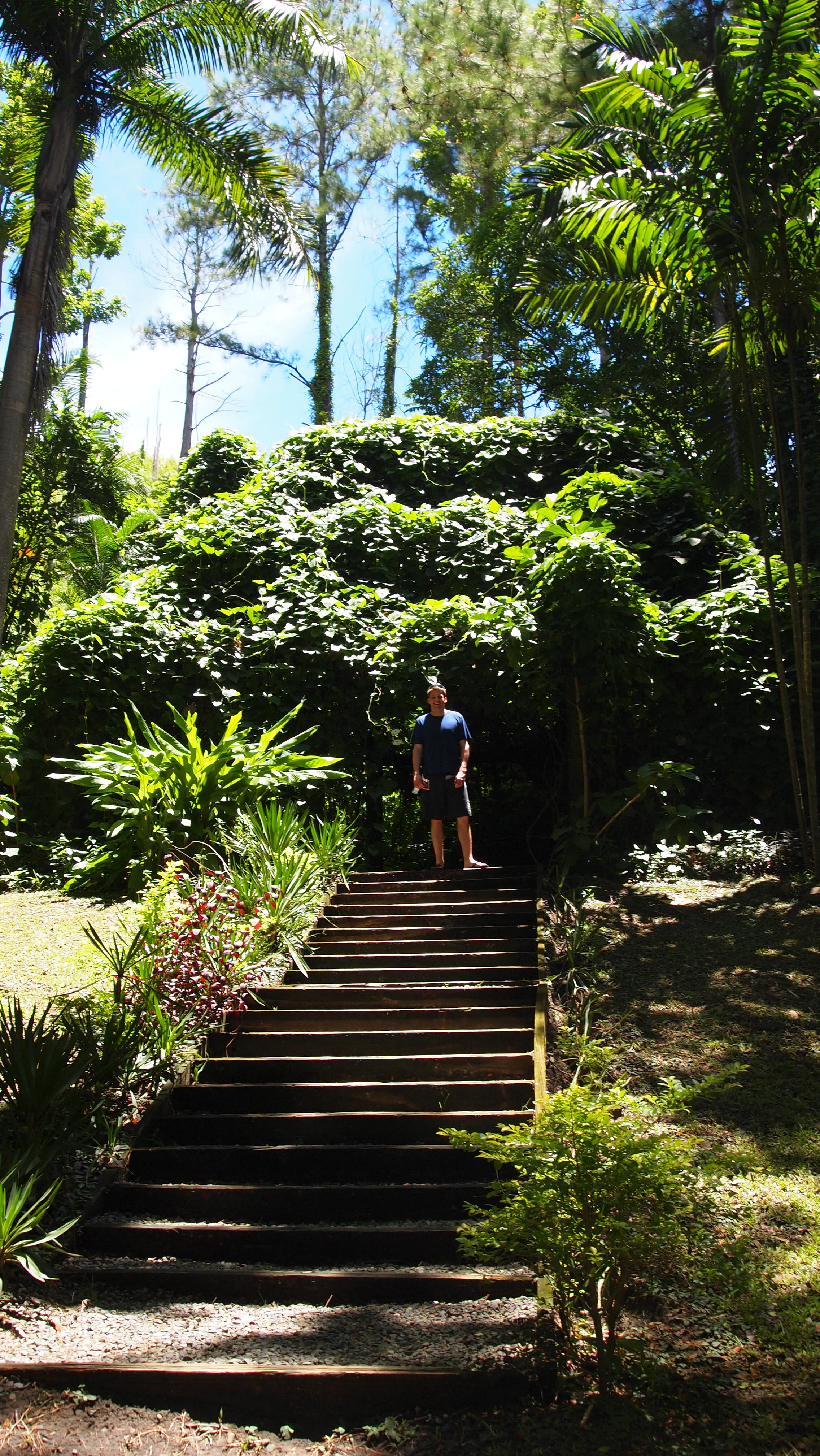
Next, we drove to the Garden of the Sleeping Giant, which sits at the base of the Mountain of the Sleeping Giant. In this garden, there are over 200 species of orchids. They are stunning. At every turn you see some new flower you never new existed, all with a backdrop that is positively breathtaking. We saw ponds, walking paths into the hills, and huge clusters of bamboo trees. There was also a little hut at the top of a rock staircase, which looked perfect for ceremonies and special gatherings. Below, a lawn surrounded by lush green and tropical beauties.

Upon finishing our enamoring stroll through the Garden, we continued on to the mud pools. To the people of Fiji, these pools are believed to have healing powers. The guide at the pools told us a story of a man in a wheelchair who was told he had no chance of walking again. He came to the pools in hopes of being healed. Sure enough, after sitting in the believed healing waters of the pools, he stood up, climbed out of the pools, and never used his wheelchair again. I do not know if it was the power of the water or the power of faith, but it was an inspiring story nonetheless. For us, it was a way to recharge after a few very busy days. I probably wouldn’t cover myself in mud again, but the hot springs were quite nice.

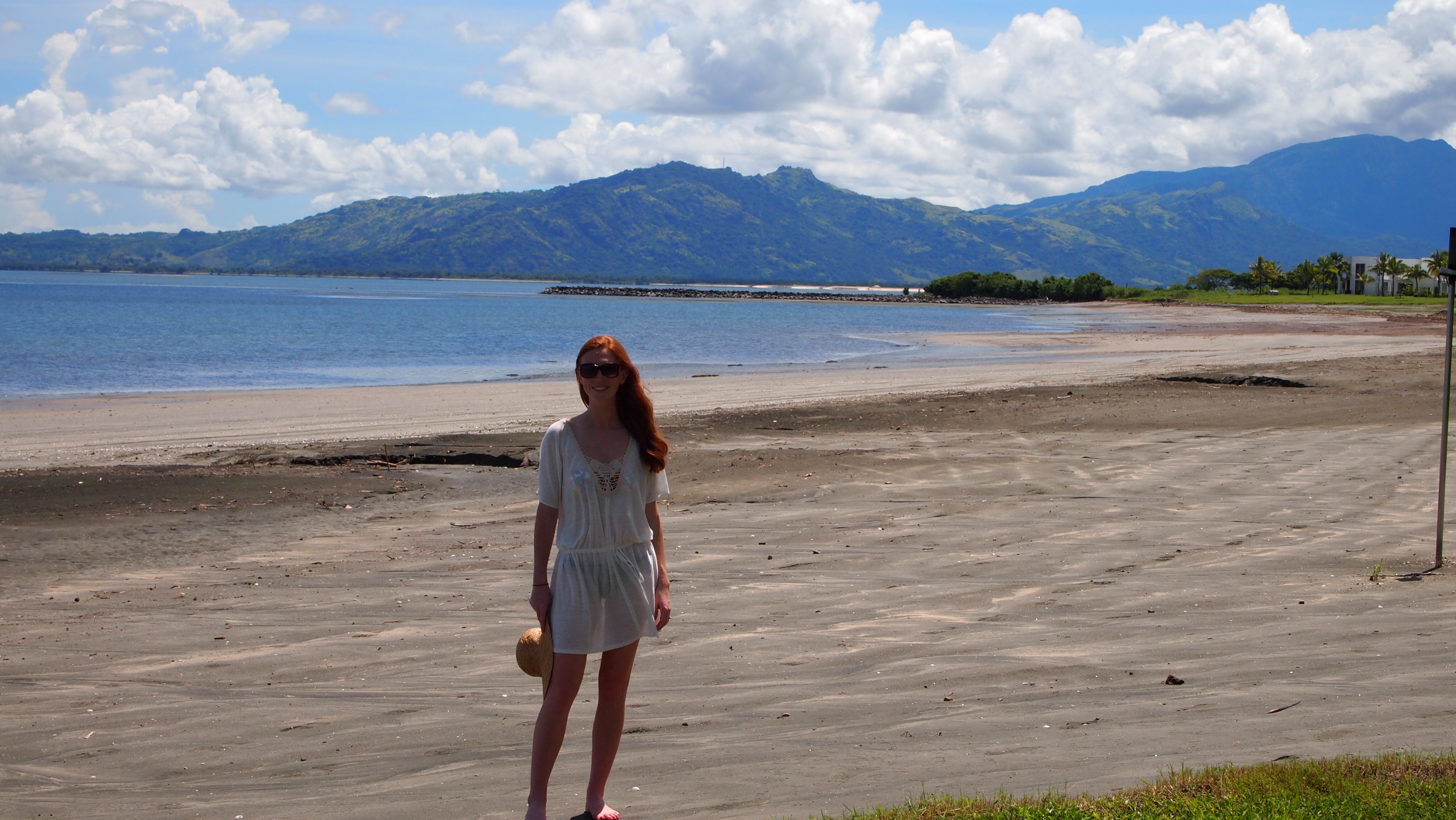
After returning from our day of exploring, we decided to take a walk on the beach. We found a little place by the water and had dinner on the sand. We watched the sunset, reflected on our day, and we continue to be in awe of the beauty and culture of this country. Fiji is such a magnificent place, you never know what natural beauty you may stumble upon next.

The Islands of Fiji: a small piece of Fijian history

Meg has a J.D. in Urban, Land Use and Environmental Law. She focuses on maintaining the balance of community and environmental health, healthy lifestyles, and encouraging sustainable living.

The Fiji Islands are home to many fantastic resorts and beautiful beaches. There are a million things to do while there, and the people are unbelievably friendly. As a history major in undergrad, I am always curious how a place becomes what it is. What makes the people the way they are. Why things are as they seem. We learned a little more about Fiji our second trip around, and there are a few things I find particularly fascinating.
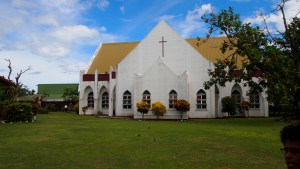
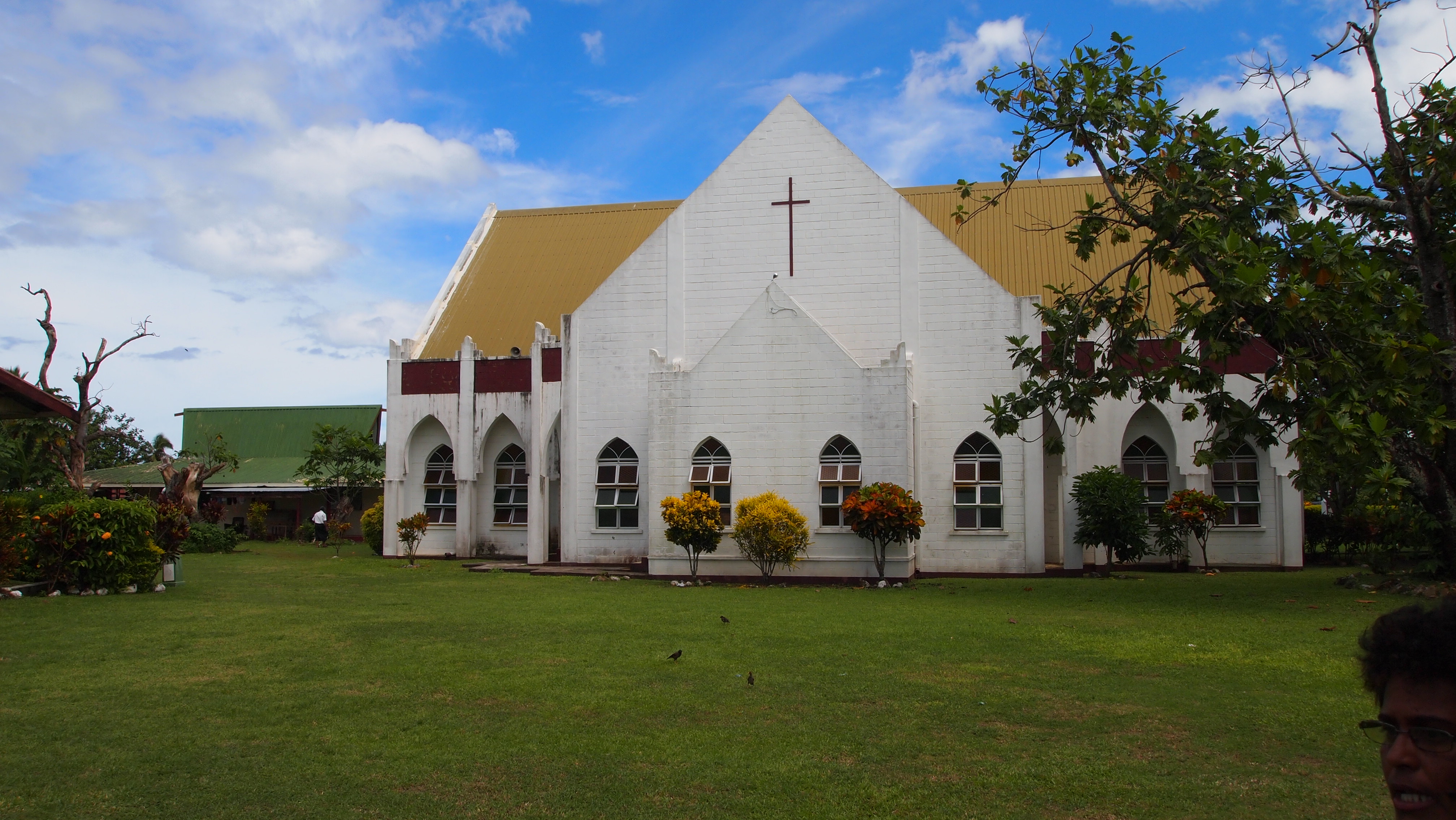
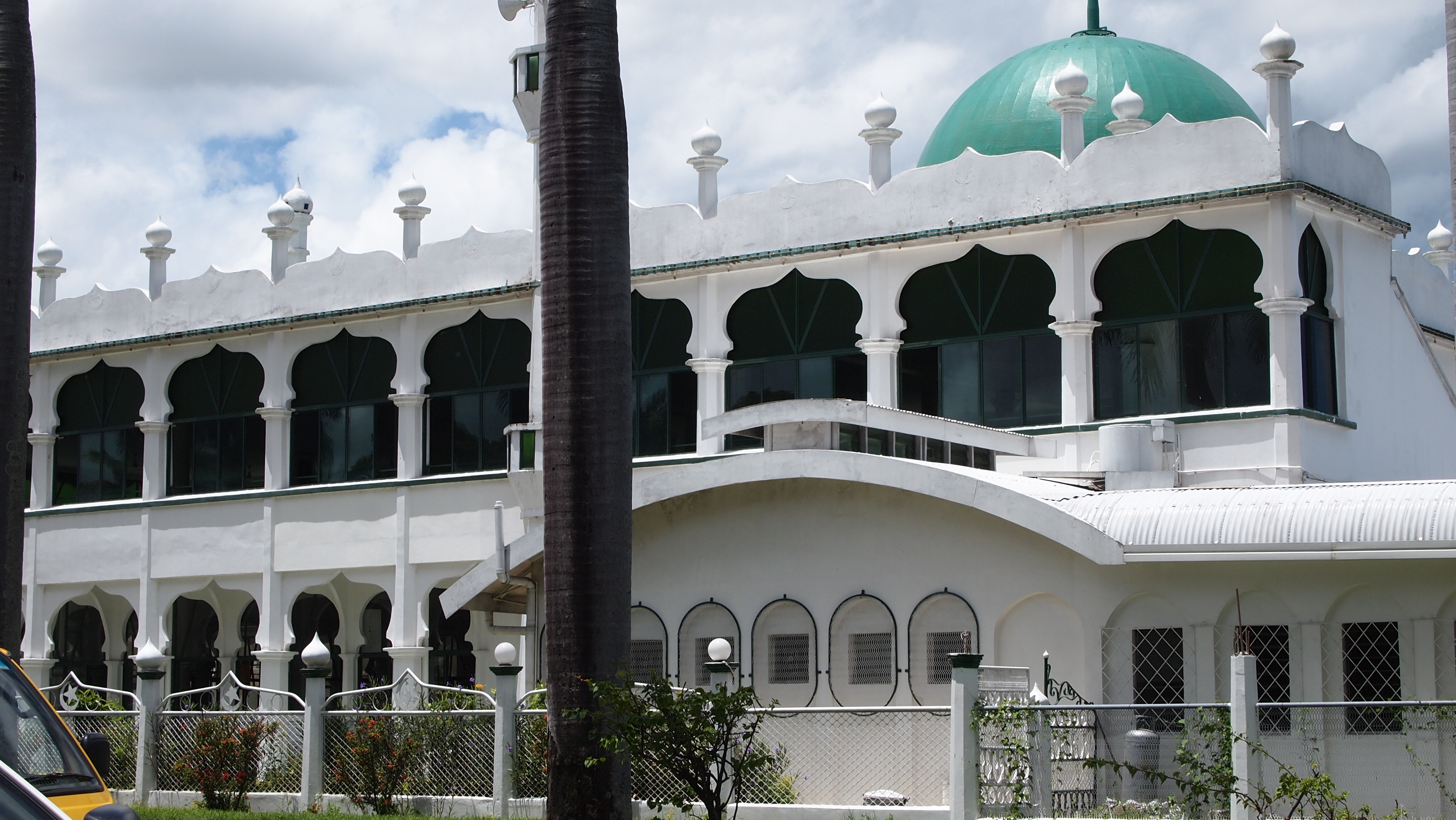
The first thing you will notice in Fiji is that there are two dominant ethnicities: native Fijian (who are primarily Christian/Methodist), and Indian (primarily Hindu). There are also a number of people of Tongan descent, also from an island in the South Pacific, but Fijian and Indian are the prominent ethnicities.

During one of our tours to a village up in the hills, we passed many sugar cane fields along the way. This has become Fiji’s primary agricultural product over the last 150 years. Apparently, before sugar cane, there were many different crops that the Fijian people tried to grow unsuccessfully on a large-scale. When the British began occupation of Fiji in the 1870s, they found sugar cane took well to Fijian soil. The only problem was that the Fijian people were not familiar with sugar cane, and they had no idea how to grow is well. In 1879, the British brought thousands of workers from India to spend a decade in Fiji building the sugar cane industry. At the end of their 10-year contracts, only one out of every 10 Indian workers wanted to leave, and thus developed a new local population. Today, Native Fijians make up about 50% of the population, and Indians account for roughly 45%. The rest are those of us from the States, New Zealand, Australia, etc. who love Fiji so much, we just decided we want to live there. (Obviously, I’m not in that category yet. I just love it so much, I feel like I should be!)
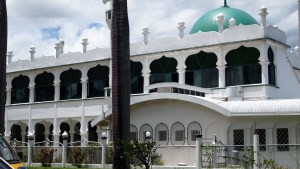
Sugar cane continues to be Fiji’s #1 agricultural product. The only greater industry for Fiji’s economy is tourism.

Another fascinating thing we learned about Fiji is that is used to be known as the “Cannibal Isles” because many of the tribes practiced cannibalism. This was many years ago, of course, but something I had not actually thought about existing in the last few hundred years. Circa 1867 was supposedly the last act of cannibalism in Fiji. It was a time-honored tradition, where tribes would eat their enemies during times of war. The Chief, or “Ratu,” would eat the enemies’ brains to gain knowledge. The warriors would eat the enemies’ muscles to gain strength. The last act supposedly occurred when an English missionary and his caravan of Fijian methodists met the Chief of a small village. The missionary touched the Chief’s head. Apparently, this was not okay, because the tribe then killed the missionary, along with his Fijian followers, and the tribe ate them in response to what they considered an act of war.
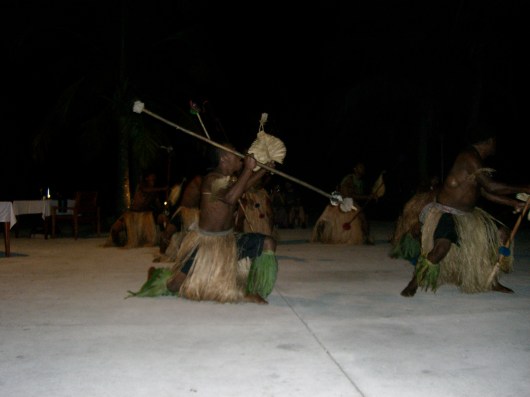
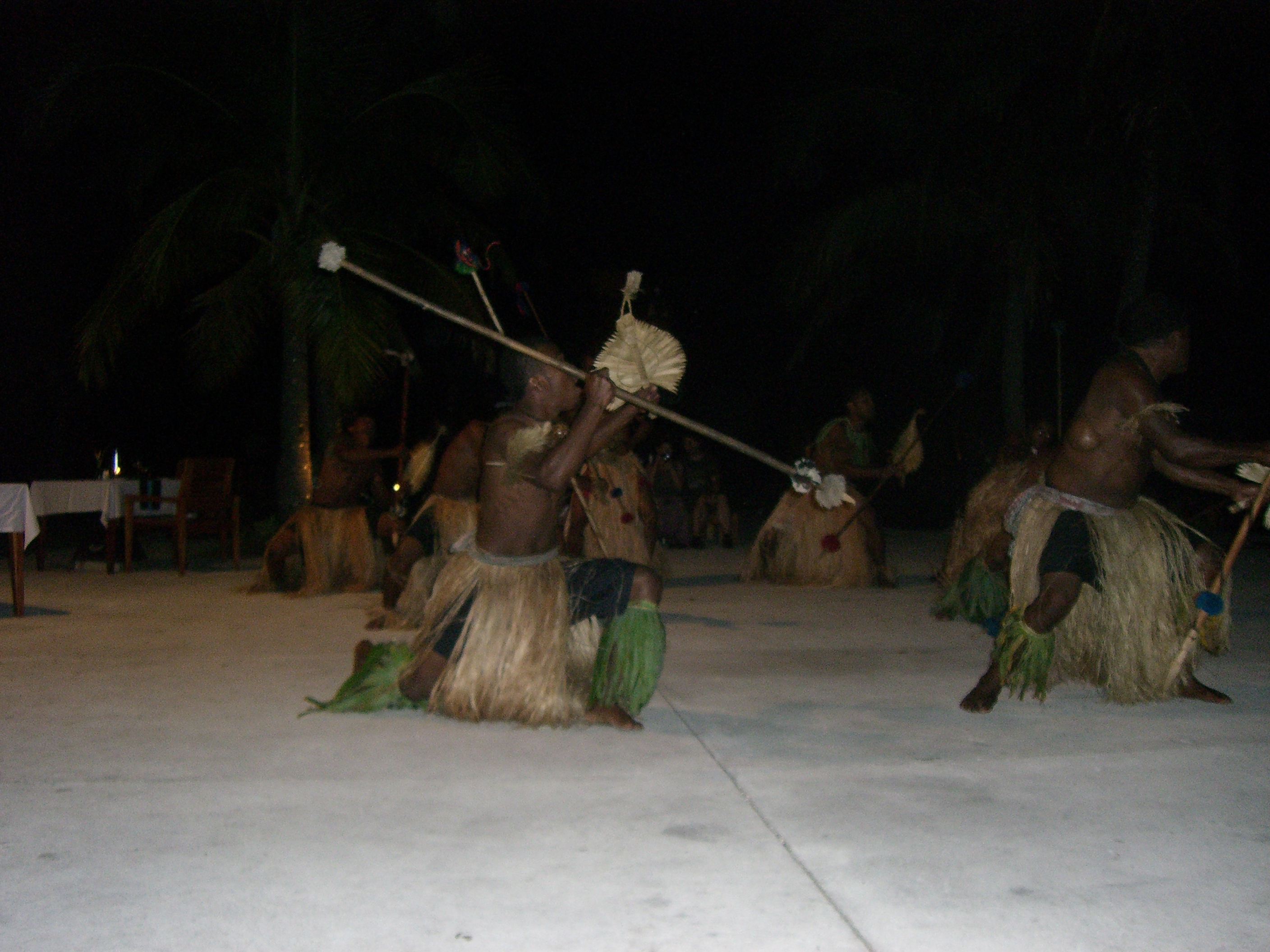
This photo was taken during our first visit to Fiji, in May 2010. The resort has activities every evening, and this was a demonstration of a traditional Fijian dance.

I wonder whether this was actually the last time cannibalism was practiced in Fiji, or whether it was simply the last to be documented. My husband points out that cultural and religious traditions do not die easily, that people often continue to practice their beliefs even after they are encouraged (or ordered) not to. I wonder if that piece of Fiji’s cannibal history is part of the reason the people are so much the opposite today. Every single Fijian person I’ve met is very welcoming to outsiders. I don’t think I’ve ever even seen a Fijian in a bad mood. Perhaps in modern times, the Fijians all grew together in a way. With transportation and communication so easily accessible, they could have grown into a common understanding and a common community, even if they each come from a different village.
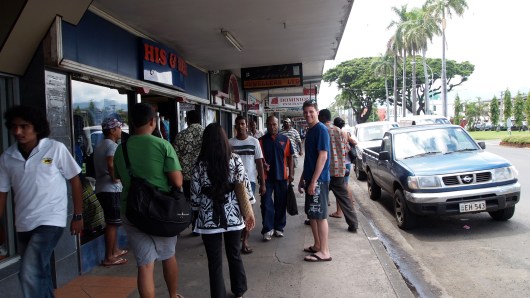
The more I learn about Fiji’s history, the more I want to learn! It truly is a beautiful place, and the history only adds to the adventure. I look forward to learning more in the future.
The Islands of Fiji: “Bula!”

Meg has a J.D. in Urban, Land Use and Environmental Law. She focuses on maintaining the balance of community and environmental health, healthy lifestyles, and encouraging sustainable living.

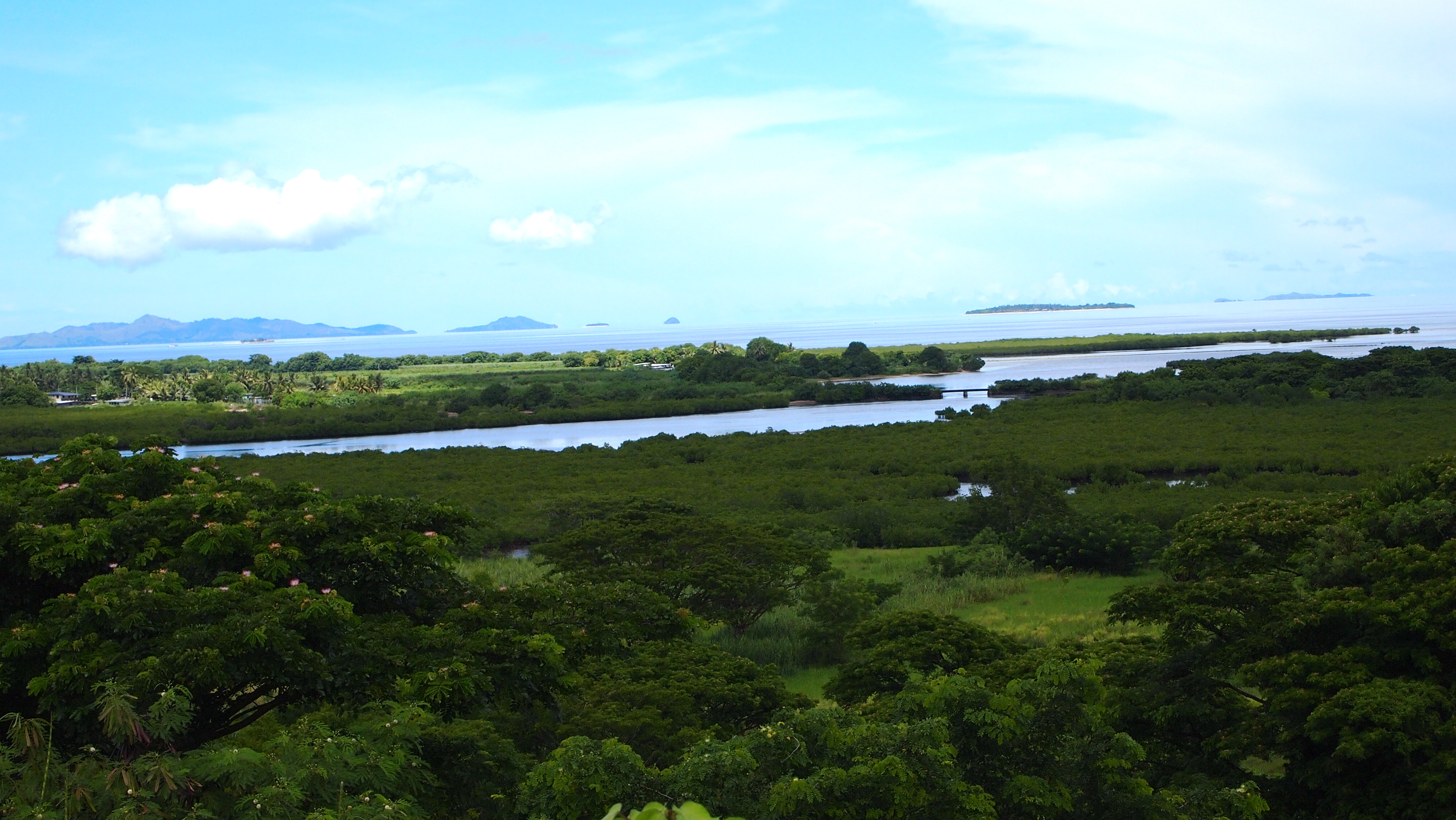
My husband and I went to Fiji for our honeymoon in May 2010. It was an amazing experience. Not only is it a beautiful place to spend a relaxing holiday, but it is also a country filled with generosity, hospitality, and a commitment to family, friends, community, and mother nature. We stayed on Denarau Island, which is a resort-style community outside of Nadi town, on the west side of the main island of Fiji, Viti Levu. Denarau is more Westernized than I’d like to admit, but it is also a perfect jumping-off point for touring the main island and nearby island chains.
For our second trip, we knew we wanted to experience more of Fiji’s culture. See the Garden of the Sleeping Giant. Visit one of the many traditional villages. Hike through the jungle. We were able to do all of those things, and still come up with a long list of things to do for our next trip. Visit the “big city” of Suva. Hike the Mt. of the Sleeping Giant. Visit the island where Castaway was filmed. Lots of things.
Every morning when you wake up in Fiji, you can’t help but walk out your door and smile at the world. The people take such pride in the land, they take care of each other, and every single person you see will greet with a cheerful, “Bula!” and a smile. “Bula” is a lot like “Aloha.” It means, “Hello,” “How are you,” and “Great to see you,” all in one simple word. I will miss hearing that word until the next time I am able to visit that magical place.