Sheila Kemper Dietrich Park: Where Urban Renewal is Child’s Play

Within walking distance of Crown Center, Children’s Mercy Hospital, the Juvenile Court building, Ronald McDonald House and a host of children’s and family services, Sheila Kemper Dietrich Park is an oasis in a sea of turmoil.  Few people choose to spend their time at the nearby children’s hospital or any of the children’s agencies.  But the Park is another matter all together.

Located at 26th and Gillham Road, the park is a happy place.  The sight of children and their parents sharing the everyday experience of a swing is a reminder that wounds and illness can heal, troubled children can find joy and estranged  families can be reunited.

As therapeutic as a park can be, this park was in need of a sprucing up.  And it got it.  For the last month or more there was a construction fence around the park.  I was concerned at first that it might be demolished.  But I didn’t need to worry.  Construction crews rejuvenated the park so that it is even better than before.  Urban renewal at it’s best!!

Imagine the fantasy land of a park where a child can experience the thrill and sense of adventure associated with climbing on an old ship (well, not really so old, and certainly not seaworthy) or fending off an artificial sea serpent.  They can maneuver a rope (well sort of) to climb up to the ship.  They can play to their heart’s content while imagining themselves as great adventurers.

Children can wander around cartoon figures that, for young children, are every bit as exciting as the statues at Disneyland, and they are free to all who enter the park.

The park includes children’s slides, swings, jungle gym type climbing equipment.  There are tennis courts on the adjacent property.  Sheila Dietrich Kemper Park is a place where the environment encourages happy thoughts and a spirit of adventure.

For a few minutes at least, the park can remind children and families with loved one’s who are sick or troubled that there can be happy days and happier tomorrows.  And for the neighborhood itself, it is simply a wonderful block where families can experience the simple joys of time together.  For all, the park builds the spirits and inspires us all.

“Thinking Fast and Slow”

Daniel Kahneman, the author of Thinking Fast and Slow, is new to me, but not to others… In 2002 he received the Nobel Prize in Economics.  He is Professor of Psychology Emeritus at Princeton University, Professor of Psychology and Public Affairs Emeritus at Princeton’s Woodrow Wilson School of Public and International Affairs.  

Thinking Fast and Slow focuses on the mind and, in particular, on two very distinct ways of thinking.  System I is thinking that is intuitive and emotional.  System II requires complex analysis of information, requiring a series of steps to work through information to reach a conclusion.

 For those who have read Malcolm Gladwell’s Blink, the concepts of intuitive thinking are well-known.  This is fast thinking.  Fast thinking is thinking that is essentially automatic.  It may be wrong, but it involves recognition of information almost instantaneously, followed as quickly by a rudimentary analysis and application of that information.
Daniel Kahneman, ever the scientist, identifies fast thinking by a very professorial name, “Heruistic” thinking, which, essentially means an “educated guess”, thinking based on factors for analyzing data relying on such factors as easily available information and one’s own experiences.  It is apparent throughout his book, that the author is suspicious of such intuitive thinking.
There are numerous aspects to his discussion of fast thinking.  Among them is that  the type of information an individual can analyze quickly varies from person to person.  Since my own background involves legal analysis, I am more likely to make intuitive decisions when reviewing matters related to the law.  In contrast, my husband’s expertise includes accounting and economic issues.  He will deal quickly with business matters that are outside my area of knowledge.
Decision making relying on fast thinking is potentially subject to serious errors because our intuitive thinking often relies on our own biases and limitations.  In my attempt to understand this concept, I am reminded of the saying “to a hammer, everything is a tack”.

Slow thinking is deliberative.  It differs from fast thinking not only in the speed with which it occurs, but the steps and process by which it happens.  One of Kahneman’s initial examples of deliberative thinking is the process of multiplying 17 x 24.  He opines that most people can’t immediately multiple complex numbers. No question that for me, as for most of us, reaching an answer  to this mathematical process requires a series of steps. There is nothing intuitive about the answer.

Kahneman analyzes various aspects of how we think, the factors that influence the speed and accuracy with which we analyze information, as well as ways in which we can improve the quality of our deliberative activities. While academic in the detail and in the explanations of the concepts on which he relies, the studies and experiments on which he rely represent a significant leap forward in our understanding of the human mind.  He also manages to effectively wrap into this analysis a lesser analysis of the impact of fast and slow thinking on the seemingly unrelated analysis of happiness and pain.

In his conclusion, Kahneman describes the mind as an “uneasy interaction between two fictitious characters:  the automatic System 1 and the effortful System 2.”  Thinking Fast and Slow is a book to be studied, rather than merely read.  Each of us can enhance the quality and accuracy of our decision-making by studying his work.  It is more than worth the effort required.

In Search of Dvarapala

Mysteries are just facts waiting to be discovered.  Since research is as exciting to me as sports are to some of my friends, I love a mystery.  Taking a hiatus from family research, I was trying to come up with a project.  The one that came to mind was  staring me in the face, literally.  It combined Indian history, religion and art.  Perfect, I said to myself.

Over 30 years ago I stumbled on two wonderful little statues in a small antique store.  They were a bit pricey for my recently out of law school budget.  Fortune smiled on me.   I was the only customer who fell for these unusual pieces.  Months later, I returned to the shop. Both statues were still there.  They were discounted and I took the plunge.

I was told the statues had been salvaged when a Hindu temple was destroyed.  They were supposedly purchased by an interior decorator who traded them to the antique dealer as partial repayment on a loan.  I took them home, tried to research them, gave up and put them where I can enjoy them!

The most interesting of these statues (don’t tell the other one) is pictured below:

It is a wonderful carving but other than the dealer’s story, I had no real understanding of his significance.  Technically, he is a “wood & polychrome” statue, meaning only that he is painted in a variety of colors.  It is obvious he has been repeatedly repainted, suggesting only that he is not new and, perhaps, that he was designed more for utilitarian, than artistic, purposes.

A lot has changed in 30 years.  I realized with the internet I should renew my search.  I began by searching terms including Hindu statue, guardian, Hindu art and Indian art.  Eventually I came across the term “Dvarapala” [1] meaning guardian deity, door guardian or wrathful deity. Dvarapala is associated with the temples, shrines  and monasteries of Buddhism, Taoism and Hindu religions.  They are found in such countries as India, Burma, Tibet, Malaysia, Japan, Sri Lanka, Cambodia and China.  These guardians have played a significant religious role throughout much of the world for over a thousand years.

Initially the images of Dvarapala I found on the internet were massive stone or bronze sculptures of ferocious warriors.  Ultimately I came upon a reference to more benign sculptures and continued my quest. Finally, I googled “Dvarapala, 1800s” and discovered this wonderful late 1800s statue, also identified as “wood polychrome”.  The Jaipaul family donated it, with other Indian and Tibetan sculptures, to the Allentown Art Museum, [2] in 2000:

While certainly of finer quality than my own statue, the similarities satisfy me that my home and family are well protected by a Dvarapala.  I promise to treat it with the respect it deserves as a representative of a deity not my own.

__________________________

[1]  In Buddhism “Dharmapala” identifies a wrathful  protector who, similar to the Dvarapala, often guards a monastery or other religious building.

[2]  Allentown, Pennsylvania

Halloween as a Season

It is October the 1st.  Halloween is coming.  We all know it.  How can we miss it.  Halloween decorations are everywhere.  Ghosts, goblins, decorated pumpkins and witches on brooms confront us in the homes of friends and neighbors.  Halloween decorations are for sale in retail stores and catalogues, right next to Christmas decorations–for a holiday almost three months away.  When did it happen?  I don’t know.  Why did it happen?  I don’t know that either.  Maybe it is a diversion from the economy, wars, and the political season.  Hard to guess.

Ambivalent as I am about this extended season of spooks and goblins, I decided it was timely to share this particularly wicked rendition of a clown. It isn’t necessarily related to Halloween, but it is an appropriate way to begin the month.

As though confused by the seasons, he is decorated with lights.  Ho, ho, ho?  No, no, no!

“Suits Us”–Bodega Bay

The casual life style and nonchalance of Bodega Bay is evidenced by this enchanting–if deteriorated–cottage near the coast in Northern California.  “Suits Us” suggests the relaxed lifestyle of the people who live there.  It is the goal of many who travel there. Who needs elegance when you are minutes from one the world’s beautiful beaches?

May the quality of our lives be determined by the beauty, joy and meaning we find around us rather than the number of dollars we have to spend.

Back In Time–The Dillingham-Lewis Museum

Morgan Vachel Dillingham was born in 1843 to Joshua Robert Dillingham and Susan Jane Walker.  He fought, and was wounded, in the Civil War.  He served with confederate forces.  On his return from the war, he found his family home had been inhabited by the Mock family.  He married Melvina Mock.  The log cabin in which they lived is now located at Missouri Town.

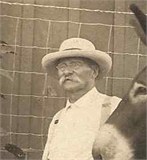
Morgan and Melvina ultimately built the Dillingham home at 15th and Main, in Blue Springs, Missouri.  They owned a general “mercantile” store. He was a bank vice president/president. [1]  His family had a large farm in Eastern Jackson County, Mo. This photograph of the Dillingham family in 1914 identifies a couple, “Ma D and Pa D” presumably Morgan and Melvina.

Morgan and Melvina’s son, David Morgan Dillingham, was born 1873.  He married Mary Estella Spicer in 1898.  Morgan and Melvina built them a home on property adjacent to the Dillingham home.

Known as the Brownfield House, it is where David and Estella raised their family.

David owned a gas station and a store. In January, 1955, David was shot and killed in a botched robbery at his store.

David’s daughter, Margaret, was raised in the Brownfield House. She married Wade Brownfield. They also raised their family in the Brownfield House.

The Brownfield House was sold privately and has been beautifully restored.  The Dillingham House was eventually sold to Narra Lewis who, in 1977, sold the home to the Blue Springs Historical Society. It is now a museum, and also houses the historical society.

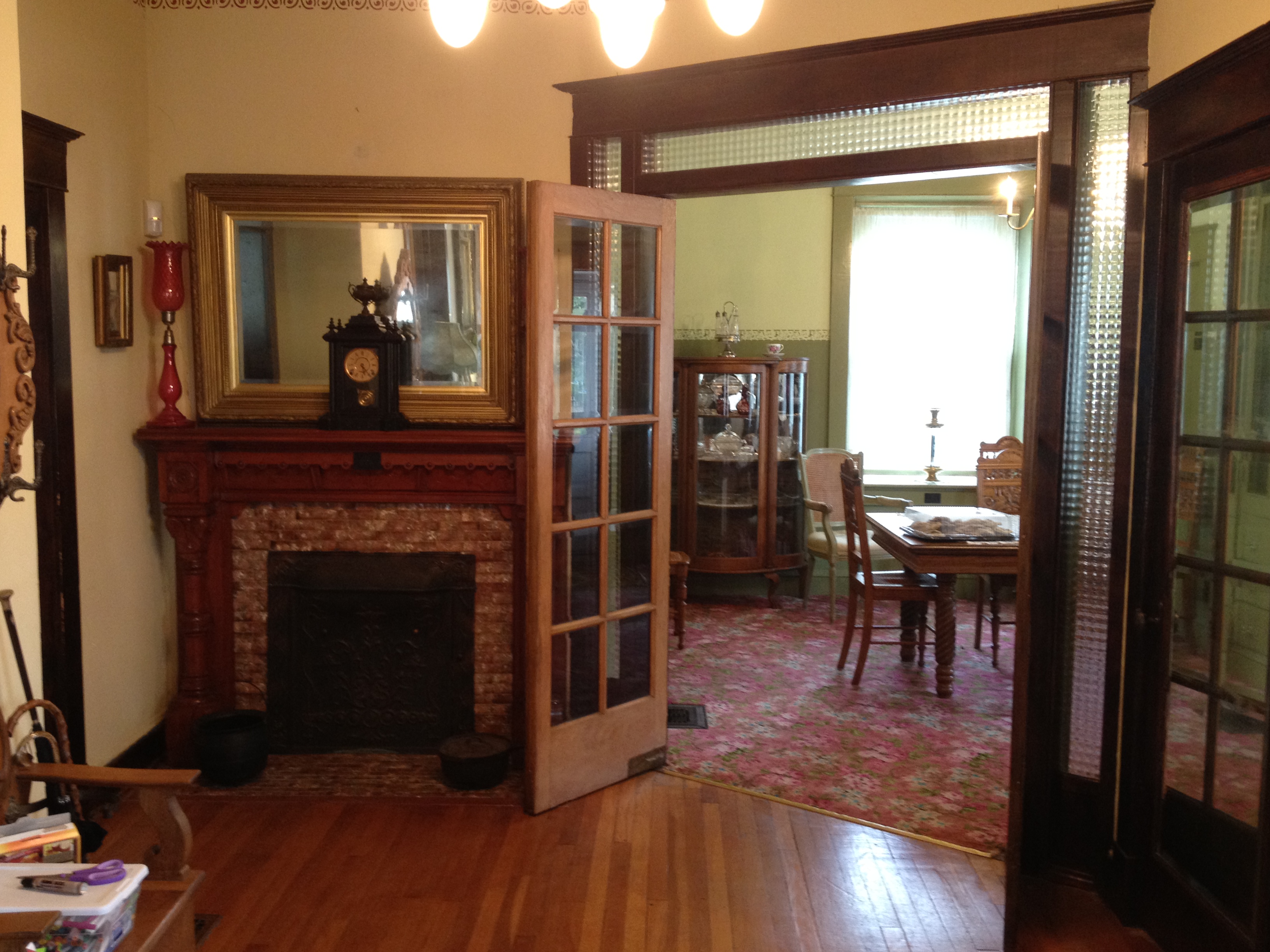
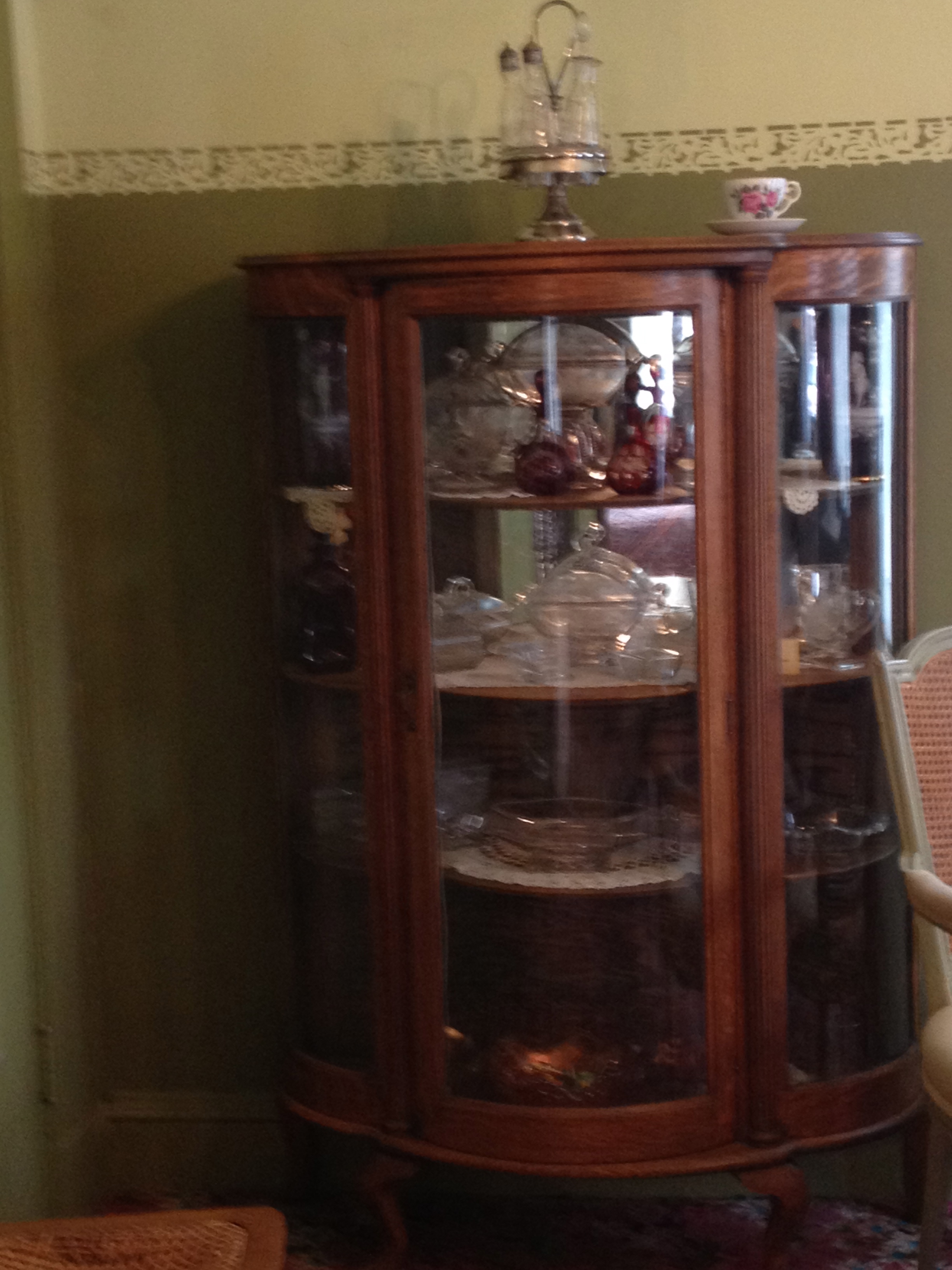
The museum has been decorated in period pieces consistent with the styles of the early 1900’s, approximately 100 years ago.

While the furnishings are not original to the home, the interior of the house nonetheless reflects the style of the early 1900’s.  It is lovely, reflecting the graciousness of that time.

The museum is open to the public for only a few hours a week.  It is worth a call to arrange a tour and to glimpse a slice of life in the earliest years of the 20th century.

[1]  Sources are inconsistent as to his role at the bank

Ancient Deities, Familiar Truths

As the world shrinks, we benefit by our willingness to gain an appreciation and respect for the diversity surrounding us.  There is much to be gained by finding common ground with those whose cultures we have never experienced.  I have so much to learn.

Buddhism and Hinduism are both ancient religions with their origins in India. the roots of Hinduism easily extend more than a thousand years before the birth of Christ.  They are cultures both rich and full of meaning.  To my Western understanding, there are similarities between the two religions that might reasonably be compared to the similarities between Jewish and Christian origins, beliefs and traditions.

While Buddhism and Hinduism both recognize many deities, they do not represent separate gods, but rather different manifestations of one God.  Some of these manifestations are quite strange to us; and each of these deities may have multiple roles.  Additionally, some Buddhist deities originate in Hindu traditions:

[1] Ganapati/Ganesha

[2] Vidyaraja

These symbols of their God, however foreign to us, should not deter us from understanding the universal truths which are part of these faiths.  Many of the beliefs of Buddhist and Hindu teachers could come from the mouths of our own spiritual leaders, still others, are worthy of our respect.

Buddhist Quotes:

Three things can not be hidden; the sun, the moon and the truth.  Buddha

Health is the greatest gift, contentment the greatest wealth, faithfulness the best relationship.  Buddha

In this way, all here are the same, whether rich or poor, educated or uneducated, Easterner or Westerner, believer or non-believer, and within believers whether Buddhist, Christian, Jewish, Muslim, and so on.  Basically, from the viewpoint of real human value we are all the same.”    The Dalai Lama [3]        

If there is love, there is hope to have real families, real brotherhood, real equanimity, real peace.  If the love within your mind is lost, if you continue to see other beings as enemies, then no matter how much knowledge or education you have, no matter how much material progress is made, only suffering and confusion will ensue.  The Dalai Lama [4]

The greatest quality is seeking to serve others.  Atisha [5]          

Hindu Quotes:

I came to the conclusion long ago…that all religions were true and also that all had some error in them, and whilst I hold to my own, I should hold others as dear as Hinduism.  So we can only pray, if we are Hindus, not that a Christian should become a Hindu…But our innermost prayer should be a Hindu should be a better Hindu, a Muslim a better Muslim, a Christian a better Christian.  Mohandas Gandhi [6]

A coward is incapable of exhibiting love; it is the prerogative of the brave. Mohandas Gandhi


___________________________________
[1] Ganapati/Ganesha–Ganapati is the Buddhist wealth deity.   Ganesha is the Hindu god of wealth and success
[2] Vidyaraja was apparently a Hindu deity incorporated into Buddhism.  He has many images representing  such attributes as purification of the mind, wrath, protection of believers, eliminating evil.
[3]From Kindness, Clarity and Insight
[4] From the Path to Tranquility
[5] 11th century Tiebetan Buddhist master
[6] Quote similar to quote by Sri Sathya Sai Baba, born 1926 “I have come not to disturb or destroy any faith, but to confirm each in his own faith-so that the Christian becomes a better Christian…”
The opinions in our blog do not represent the opinions of our families, our employers or our friends.  They do from time to time represent our attempts to understand the world around us.  If we are in error in our understandings, we are happy for caring corrections.

Missing Meg

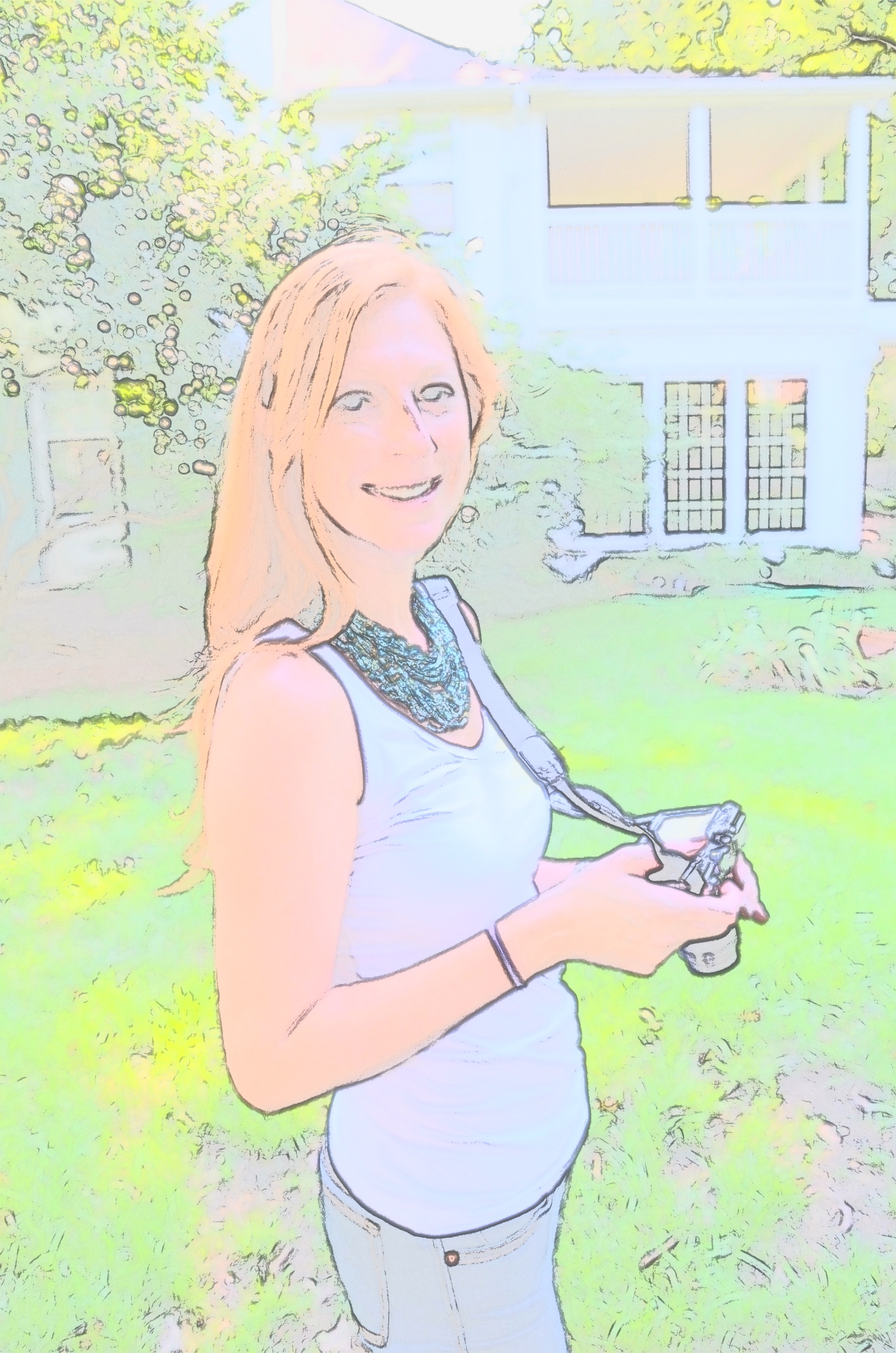
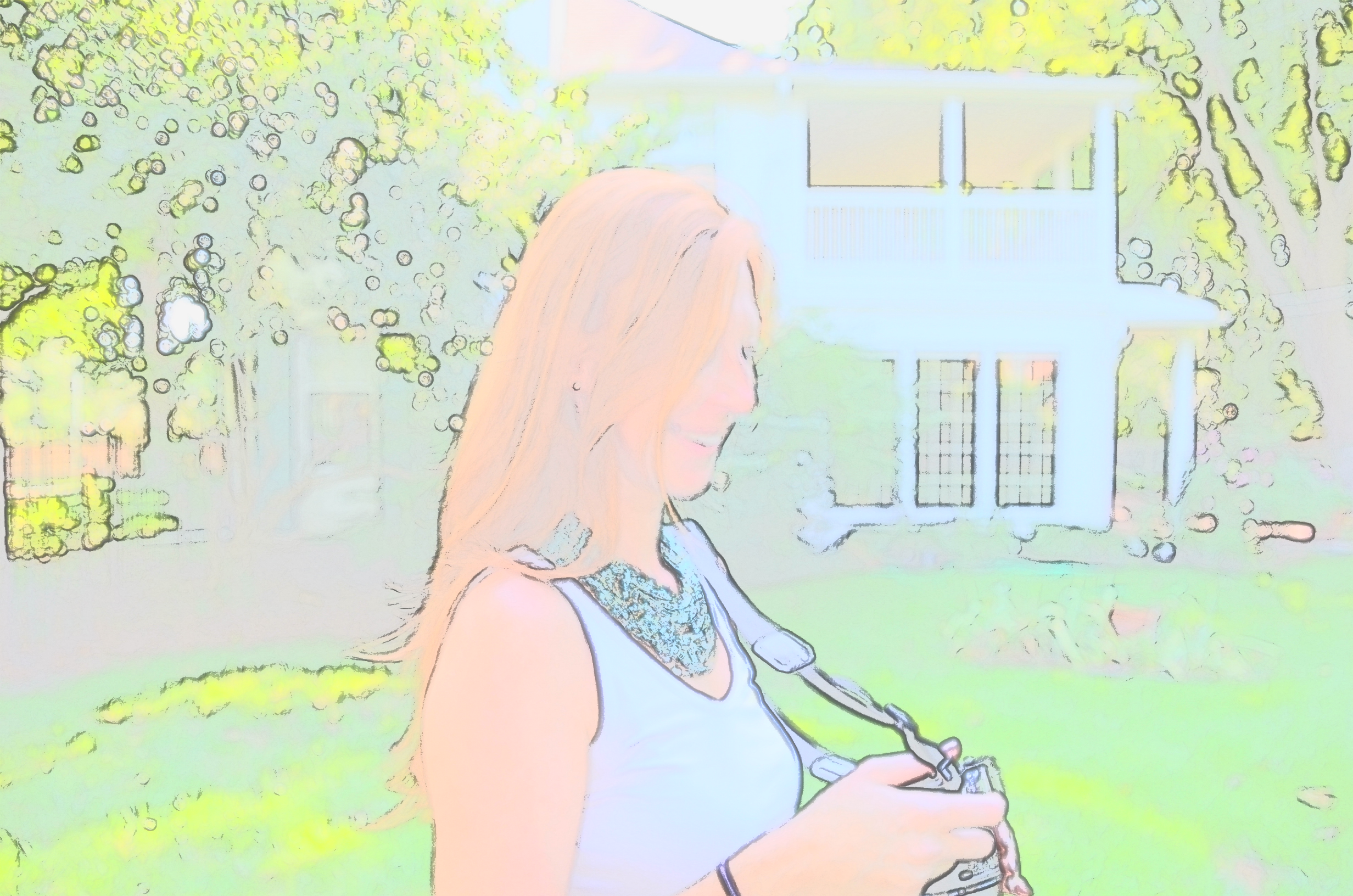
You remember Meg?  My co-author.  That’s right, that Meg.  As the balance of her life has shifted to what seems to be a 24/7 schedule, she has disappeared from our blog. I found these photographs of Meg I took using the color sketch “effect” on my Nikon.

Just my way of assuring her that her presence is missed and that I am glad that she has only “faded away” temporarily.

Love you Meg. I will see you back on “Shifting the Balance” in November, when the balance of your life shifts back to a schedule giving you more time for Jake, Lily, Cousteau and the blog.  You are missed!

The Art of the Wall

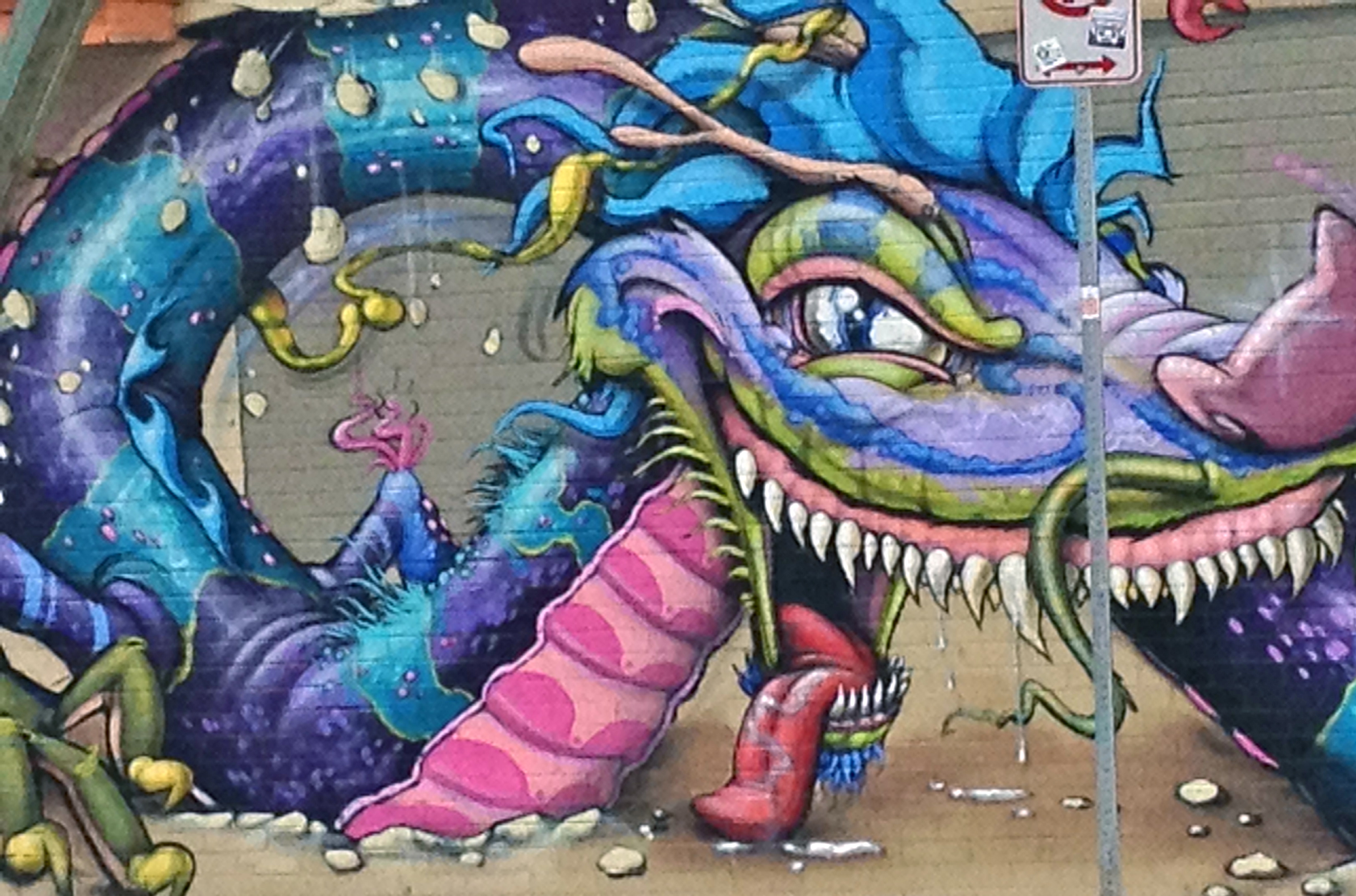
In years past, teenagers snuck out at night with paint brushes and spray cans to create what was generally mediocre, if colorful, graffiti under bridges, on vacant buildings and sometimes the sides of churches and schools.

Without question the world of graffiti has changed.  The murals I see on my drives through urban Kansas City are often exquisite works of art that appear to have been the work of artists hired by business owners to create colorful displays on the exteriors of their buildings.  Even the texture of the bricks beneath the designs adds to the visual impact.  It is, in effect, graffiti “grown up”.

When I happen upon a particularly colorful design, I find I alter my route to and from work just to see the art over and over again.  I regret only that I am unable to identify the artist so I could praise them by name on this post.

At least I can honor these urban artists by sharing their creative designs with our friends.  In Kansas City, at least, art finds its form in these creative, incredibly colorful, urban designs.  Aren’t we lucky!

Continuing My Search For Ancestors

Hearing from a possible relative is thrilling.  This is how the message begins:

“Hi Ann, Hearing from a newfound family member is always exciting! . . . You and I would be 2nd cousins by marriage.”

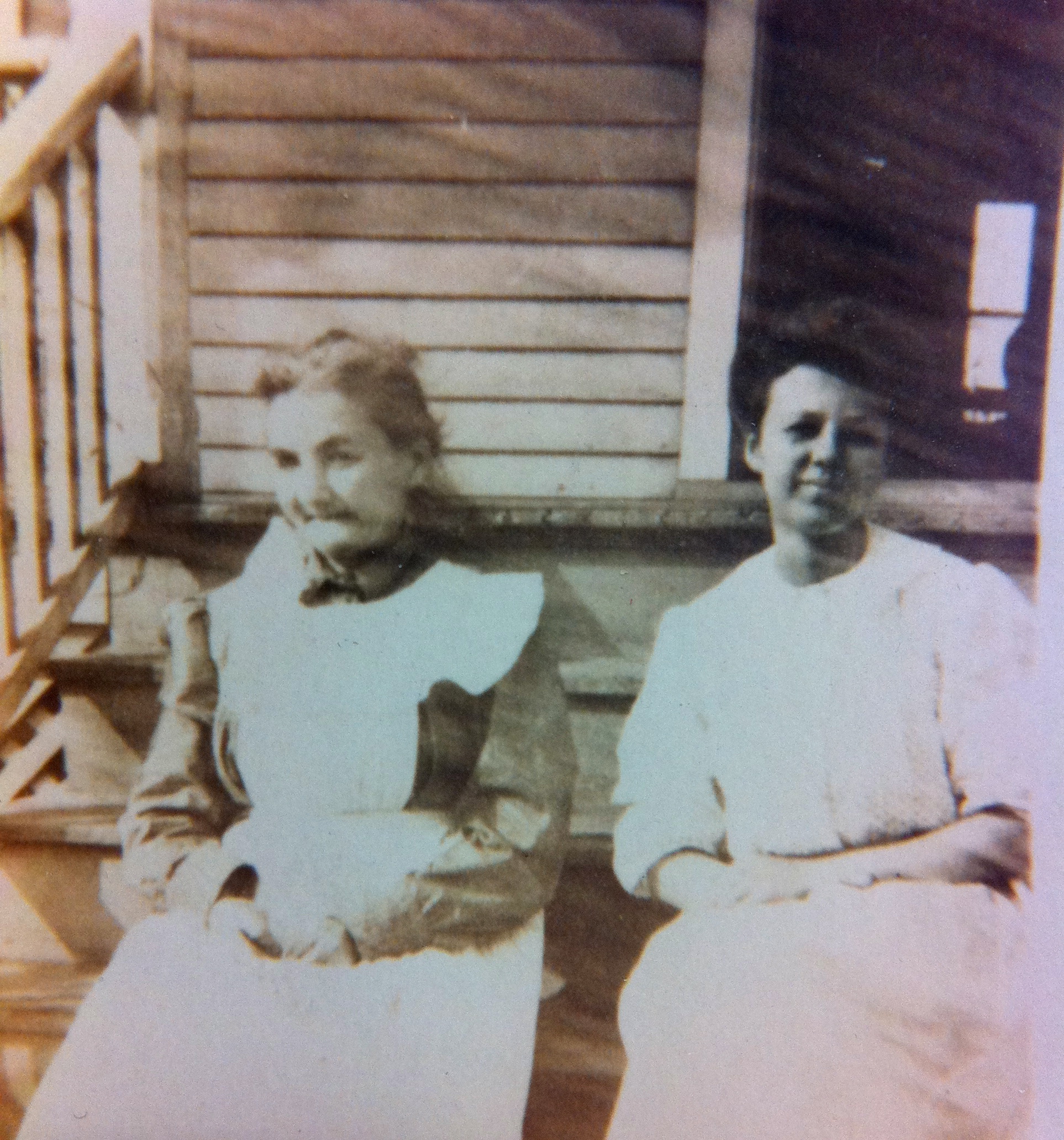
Our possible common ancestor was Conrad/us Kirs/ner, father of my great-grandmother, Catherine Barbara Kischner.  Catherine’s children knew her as “Kate”.  This photograph of Kate was taken shortly before her death, on Dec. 28, 1910.  She was living with her daughter, Anna Landes, in Niagara Falls, NY.  My granddad, Frank C. Mesle, Sr., owned the house next door.Kate may have been born June 16, 1850/7.

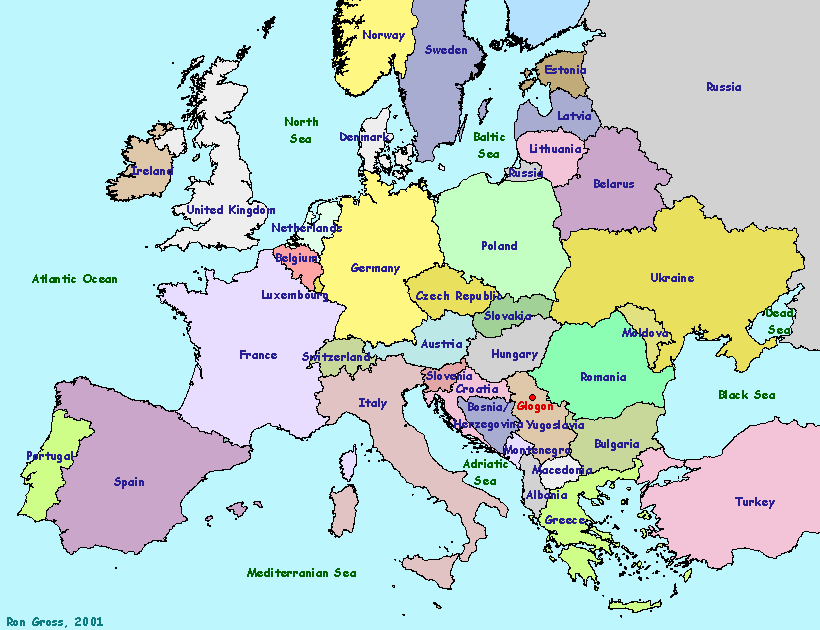
Our family history, and the 1910 U.S. Census, are consistent that she was born in Germany.  Sources at Ancestry.com, including my newly connected second cousin, disagree, and believe she was born in Glogon, Austria-Hungary.

Glogon (now Glogonj) is currently part of Serbia. Between the mid-1800’s and the present, Glogon has been part of Austria-Hungary, Hungary, Yugoslavia and, now, Serbia.  It is strategically located between what was, in the 1700 and 1800’s, a buffer area between Christian Austria-Hungary and the Moslem world.  Apparently settlers were given free land to entice them to move there to provide a buffer between the two cultures.  It was certainly a bad bargain. They lived a difficult life at best. Apparently death rarely resulted from old age, but instead from disease, starvation or warfare.  By the late 1800’s there was a massive exodus from Glogon to other areas of Europe and to the U.S.

Selfishly, for me, my probable link to Glogon helps explain my DNA test results, that indicates I have DNA markers for Southern Europe and, perhaps, the Caucasus, near the Black Sea.  Obviously Glogon is located far closer to Italy than to the country I had believed to be her home, Germany.

Kate received a series of letters from her family between 1896 and 1911. All were addressed from Germany.  Each includes some tidbit of news pertinent to the family history.  They are as follows:

Letter from C. Kirsch (probably her brother) dated Jan. 22, 1897 from Ludwigshafen (at the Rhein), to the Kaisers German Consulate in Toronto, Canada: He identifies Barbara Kirsch as his sister, states his father’s third wife “died last year” and that his father, who is very weak, will be 76 in March.  He states that of the “brothers and sisters there are , besides myself: a sister, Elise Fromhold, a widow, who lives in Neckargemund.  Elise was Conrad’s daughter by his first wife, as was Kate. A brother Frederick[1] Kirsch, was a teacher in Sonborn, Elberfeld, of the second wife.

Letter from C. Kirsch dated July 16, 1901, from Ludwigshafen to Barbara Mesle, born Kirsch, in Niagara Falls, NY:  He explained he was sending Barbara her 1/4 share of her father’s estate, 2000 marks, ($478.16).  He identified his eldest daughter as Lenchen, and his son as Fredrick.

Letter from Elisa Fromhold dated July 29, 1907, from Neckargemund: It is addressed to “Dear Sister” and  identified her daughter, Marin, as nurse in Mannheim, another child as Jungfer, who lived in  Durtheim (Durbheim?).

Letter from Elise Fromhold dated August 1, 1911, from Neckargemund: It is addressed “Dear Aunt”(?) and was received by the family several months after Barbara’s death. It identified the author’s children, Dina, Karl, Uncle Konrad and Uncle Friedrich.  I assume, but do not know, that this is from a daughter of Catherine’s sister, also Elisa/e.

The correspondence from a possible cousin, who I have never met, is exciting.  She identified another brother of Kate’s, Josephus Kirschner, born September 8, 1855, in Glogon.  He has long been identified on the margins of my notes as a possible relative. Her ability to give me what may well be another piece of my great-grandmother’s history assists me, piece by piece, to trace the history of my family.

Have a great week.

__________________

Frederick is also the name of one of Kate’s sons