David Brownfield: He Lived Through 89 Years of Blue Springs’ History

David R. Brownfield, Sr. was born December 18, 1922, to Wade Brownfield and Margaret Dillingham Brownfield.  He died September 13, 2012. He was the son and grandson of pioneers who settled in Eastern Jackson County, Missouri.  He was devoted to his family and his community.  He was a good man.

His funeral was yesterday.  The funeral was held only a block from his childhood home.

His home, the “Brownfield House” is a historic landmark in Blue Springs. It sits next door to his grandparents’ home, which became, fittingly, the “Dillingham
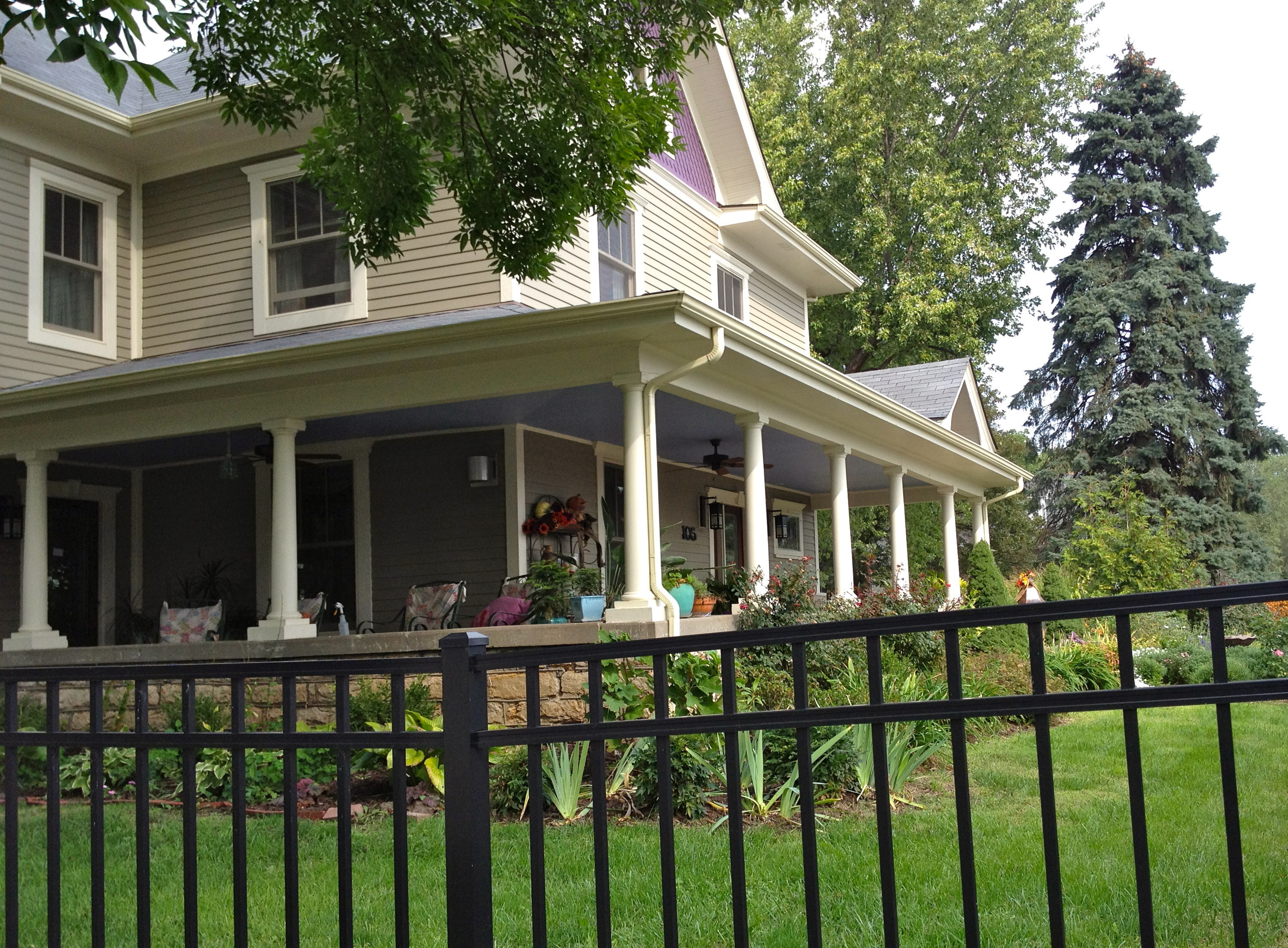
Museum”. The homes are located at 15th and Main Street.  They are in the heart of the Blue Springs Historic District.  In fact, they appear to “be” the historic district.

The portrait of his mother, Margaret Dillingham, is a prominent feature of the museum. Often, people who are born, live and die in one relatively small town live lives with a minimum of adventure.  But nothing could be further from the reality of David’s life.

David served in the United States Navy during World War II.  He was trained at Cornell University before being given his orders to serve in the Pacific Theatre.  His assignment was to build runways for U.S. military planes that were moving through the Pacific after Pearl Harbor, often in advance of U.S. troops.

On his return from the war he went to work for AT&T , where he built his career.  He was assigned to Alaska, where he helped build Alaska’s telephone infrastructure. Separated from his family, he nonetheless loved his experiences in what was in the 1950’s truly a wilderness.

He returned home where he remained an AT&T employee for the remainder of his career. On his retirement, he became an active member of the “Pioneers”, a service organization for long time Bell System retirees. In the midst of this he married twice, each of his wives preceded in him death. He raised a family and was an extraordinary influence in the lives of his grandchildren, including Jake Hodge, Meg’s husband.

When Meg and Jake began dating, David immediately won her heart by faithfully attending the annual performances of the Messiah, performed by the Independence Messiah Choir.  (Those faithful to our blog are aware that Meg sang in the choir before graduating from law school and moving to California.)  Meg and David developed a special bond, focused, I am sure, on their mutual affection for Jake.

When Jake spoke at his grandfather’s funeral, he focused on his love and deep connection to him.  He talked about David as a role model. He talked about his grandfather’s wisdom “to put family first”, and quoted from his grandfather that: “If you work hard enough, you can accomplish great things–and even surprise yourself.”  Jake has certainly followed this sage advice, loyal to his family, and working long hours to put himself through the University of Kansas and now succeed in his career.  Jake, Meg and Jake’s family will miss this wonderful man.

David Brownfield was a wonderful representative of what Tom Brokaw has so aptly described as “The Greatest Generation.”  He will be missed.

My DNA–What? Surely you Jest!!

Seriously.  I do a little DNA test and what do I get?   Total confusion.  I mean, seriously, who did I think I was?? Wrong, wrong, wrong.

Based on more than 5 years of research relying on Ancestry.com, google, family records, public records, photographs and other research, I expected my DNA results to look something like this:

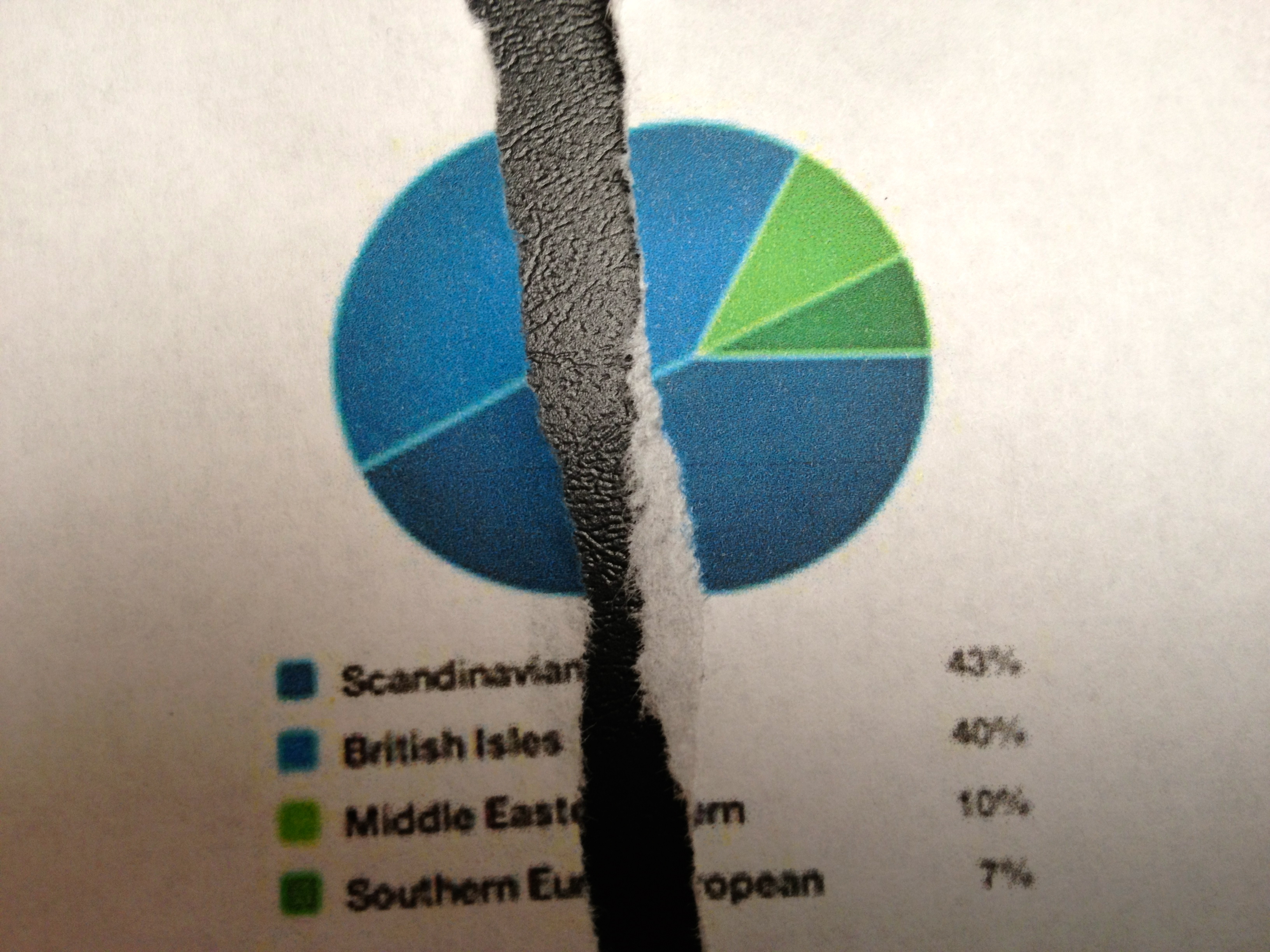
British Isles: 60%, Western Europe: 35 %, Other: 5 %.

Ancestry.com even includes on its site a clever little circle graph showing the nature of the information that members would receive about their genetic markers.  It seemed so simple.  Once again, wrong, wrong, wrong.

I expected, and found, strong evidence of family roots in the British Isles.  Mom’s family (Harrises, Bayes and Wrights) and my maternal grandmother’s family, (Lewises), all have strong ancestral ties there.  But where I expected my heritage to be dominated by British and Western European ancestors, instead I now understand I have lots of ancestors from Scandinavian countries.  I had not anticipated a single Swede, Dane or Norwegian in my entire family tree.  My Middle Eastern and Southern European roots–seriously, where do they come from. My anticipated heritage is so different from the heritage established by my DNA.  I am intrigued.

The question I raised in my last post about my DNA test indicated I expected to see some data in the “other” column as a result of the somewhat obscure origins of the Lumbee “tribe” of North Carolina.  My ancestor, Morris Teeter, who was born in 1737 and died in 1812, was buried in the Cummings Cemetery near Pembroke, NC.  Apparently, he was a Lumbee or married to a Lumbee.  If that information is correct, then I certainly have no native American DNA indicators.  Perhaps the rumors that the Lumbee are descended from early sailors to the New World (obviously Scandinavian and maybe Persian) is true.  I don’t know.  I don’t want the Lumbee tribe to take my word for it.  But they may want to be DNA tested themselves. Really.

But I digress–kind of!

Where are the Mesle/Kirsch Western European ancestors?  What about the centuries I expected granddad’s family to have lived in Western Europe before moving from Germany to the United States?  Nowhere.  Absolutely nowhere. I have 5 years invested in learning about the migration of the Mesle name from St. Maixent, France, spreading throughout France and into Germany, Belgium.  5 years trying to determine where in the small world of Mesles my own family had its origins before appearing in the record books in Stuttgart, Germany in the early 1800s.  Now, I do not know whether I am, at all, connected by blood to those Mesles.  Maybe they are, as I once read, descended from Vikings. But could they have lived in Western Europe for 800 years without picking up even a hint of German or French DNA markers?  Of course not.

The question, of course, is “Does it matter?”  If my interest is in tracing the religious, ethical and educational history of my family, it may not matter at all.  If my interest is in my blood line, then maybe the most important message is that none of us may be who we think we are.

Now that, is something to chew on!

Who are the Lumbee and Who am I?

Who is my tribe?  That question has long fascinated me.  Family history research only takes me so far.  Now there is another tool in my search.  DNA testing.

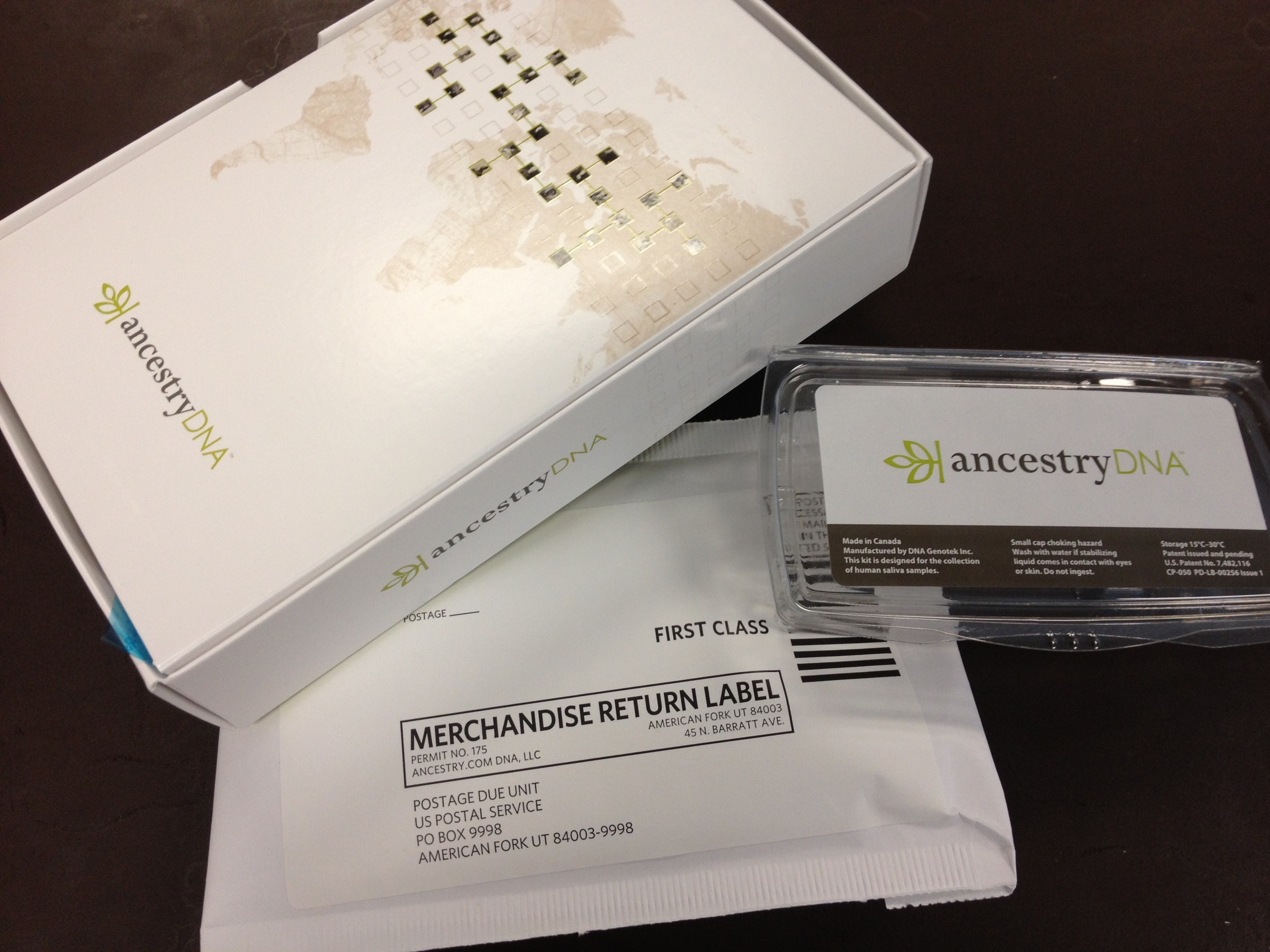
Ancestry.com recently offered its  members a DNA test for a cost of $99.  In the blink of an eye, I paid my money and received a packet in the mail to begin the process. My saliva sample was sent back to Ancestry.com by return mail.   I now wait approximately 6 weeks. Then I will see whether a DNA test will actually help unlock the secrets of my heritage.

I have some experience with the power of DNA evidence.  Experts tell us they can determine from a saliva specimen, or blood or sweat, the one person in history who could have committed a crime down the block last Saturday night.  Seriously.  But can such a test tell me about my own past?  Can it tell me when my Mesle ancestors left France?  I don’t know?  Can it tell me whether I have Jewish ancestors?  I will see.

Can it tell me whether I am descended from the Lumbee tribe in the North Carolina?  Yes.  I think so. Why do I believe I can learn whether I am part Lumbee and what that really means?  Simple.  If I am part Lumbee, through Morris Teeter, my DNA should include markers distinctively associated with a Lumbee heritage.

But what is a Lumbee heritage?  I first heard of the Lumbees less than a year ago while researching my mother’s family line.  The tribal origins are unclear.  Lumbees are recognized as a Native American tribe by North Carolina but not by the federal government. They are not primarily descended from European stock–like all of my other known ancestors.  My Lumbee markers would almost certainly include evidence of Native American ancestors.  But my DNA could also provide some evidence as to whether the Lumbee tribe is pure Native American blood, or whether their ancestors–and  mine–are from a mix of races who created their own unique culture and ethnicity hundreds of years ago.

So, who is my tribe?  Does it matter?  Does it make me any difference to an understanding of who I am?  What about the Lumbee?  I don’t know.  But, maybe it does.  I will let you know when I figure it out.

____________________

Our blog does not represent the opinions of our family, our friends or our employers.

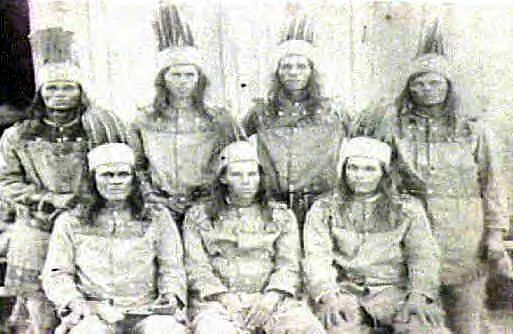
According to Wikipedia, the above photograph of members of the Lumbee tribe is in the public domain.

Meg and Jake are Back in Town

Nothing warms my heart more than Meg’s presence in my town, my house, and my car. Hanging out, talking about life, work, and the challenges of both, are the basis of solid bonds.  Despite the sudden cooling of the weather around me, my heart overflows with the warmth of Meg’s presence.

Meg and Jake were in town for a brief visit in the midst of their frantic lives.  Visiting Kansas City for a wedding they made full use of the weekend with visits with family, friends and elderly relatives (no, I don’t mean Terry and me).  They kept a schedule almost as busy as if they were working back in California.  Much of the weekend was fun, but it was fun with a purpose. Because of that, the luxury of lunch on the Country Club Plaza was our special time, just the two of us enjoying a gorgeous afternoon. We shopped for clothing to spiff up her wardrobe, focused on outfits that she can transition from office to work related social events to casual weekend outings.  Our friend, Martha Jane, now works at this great little shop we learned might have clothes for Meg’s needs.  Her expertise made this a fun and successful adventure. But no, the glittery gold dress was not among our purchases. Friday we attended a wedding of Meg’s friend from UMKC Law School.  While scheduled for the Rose Garden at Loose Park, the weather, particularly the remnants of Hurricane Issac, had other plans.  It rained all day, forcing the wedding inside.  Californo’s, in Westport, efficiently transitioned the reception area to a wedding venue and back to a reception hall in record time.  The bride looked great, we had a fun evening and our parks and gardens got much needed moisture. Friday was a record day for “views” on our blog.  We didn’t understand it until Jake explained that he used our blog as the equivalent of an old-fashioned scrapbook, showing his family photographs from their travels and California adventures.

Ultimately it was time for their return to Petaluma.  I will miss them, but it is a happy sadness, knowing that their lives, and ours, are rich and full of adventure.

Living In the Midst of a Utopian Community

My grandfather, Frank Carl Mesle was born in Buffalo, NY on March 18, 1884 and died in Sherrill, NY on August 24, 1964.  His parents left Germany three years before his birth.  His father, Franz Mesle, died when Frank was 9 years old.  His mother, Kate Kirsch Mesle raised 4 children alone.

He had only a limited education when, at age 13, in 1997, he was hired to be an errand boy by Oneida Community, Ltd.  It changed his life forever.  By age 16 he was a plant foreman.  In 1914, when the company moved its headquarters from Niagara Falls to Sherrill, NY, Frank was one of many employees making that move.  In 1915, my grandparents moved into their house, just up the hill from the plant, where they lived until their deaths.

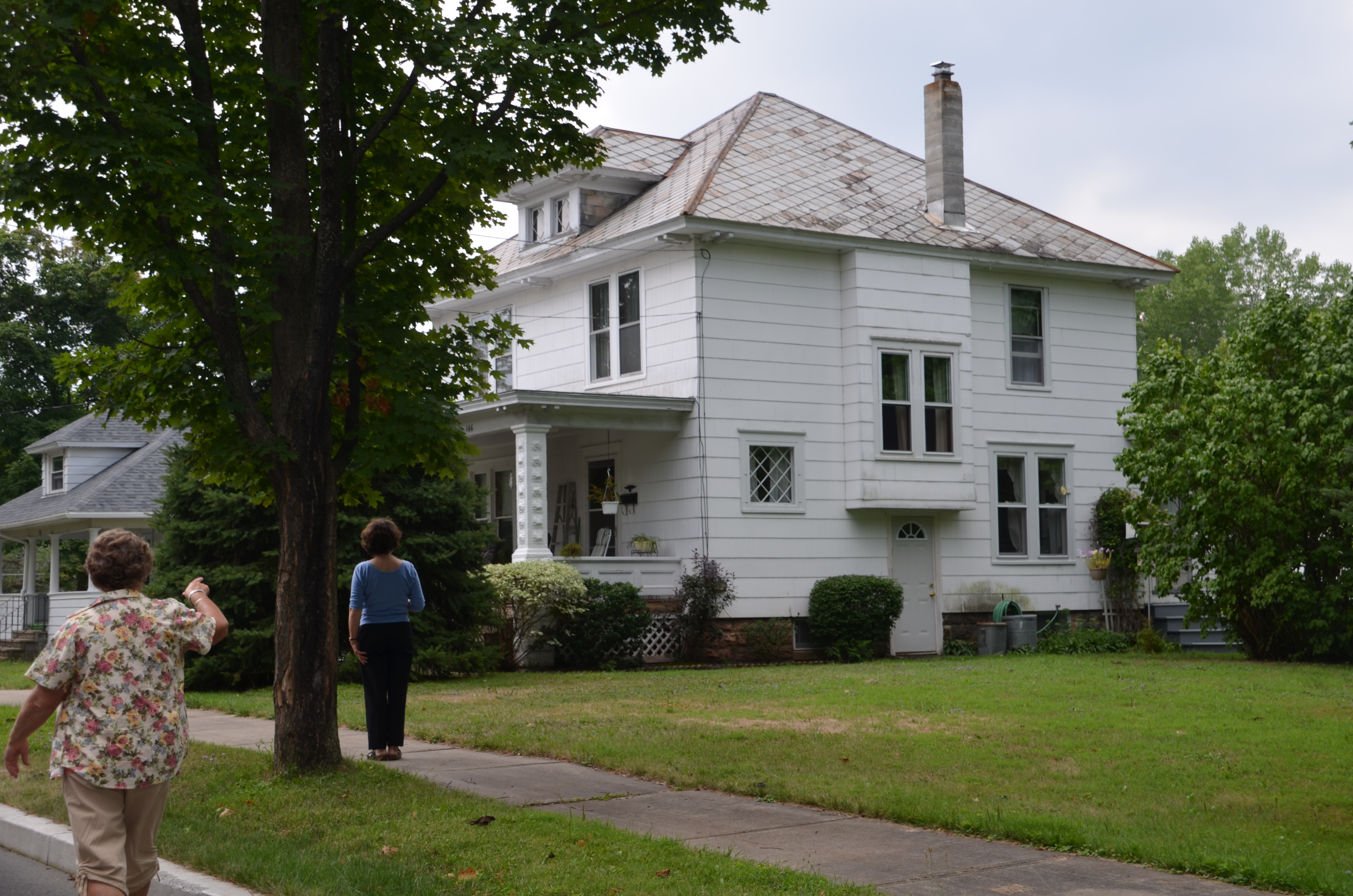
Because our “cousins trip” to New York was focused on family history, Sherrill was one of our primary destinations.  All the cousins remember happy visits to Sherrill, wandering the streets in and around their home at 166 Willow.  We visited again in July, 2012.  The house looked the same as it looked  on my last visit 50 years ago.

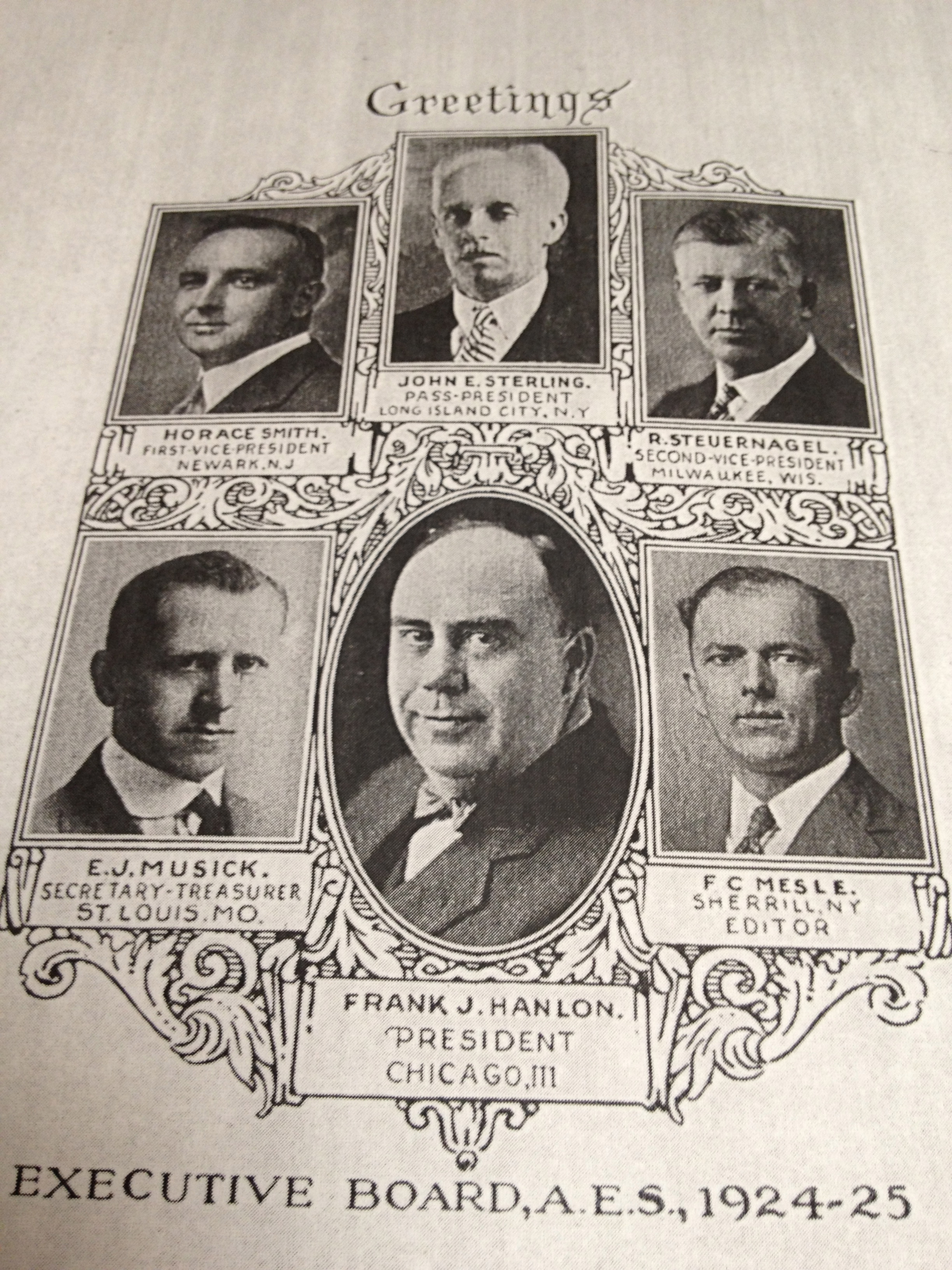
Frank was a pioneer in electroplating processes that revolutionized the production (and quality) of silver-plating.  Ultimately, he rose to the position of Superintendent of the Plating Department.  He directed silver plating of artillery shells in World War I and the silver plating of aircraft bearings in World War II.  He served as Editor of The Monthly Review and in 1926 became President of the American Electroplaters’ Society.  He received the Society’s Founder’s Gold Medal in 1929, 1938, 1940 and 1943. He received the key to the city of Toronto, Canada, during an international conference of electroplaters.

For many years Oneida, Ltd. was a major producer of high quality silver plate flat ware.  Ultimately, it became unable to compete with foreign products. My grandfather had a significant role in the company’s successes and would have grieved the company’s losses.

The company was good to granddad and he was good for the company.  When Sherrill became a self-governing city in 1916, he was elected to Sherrill’s original governing Commission.  In 1917 he was elected a member of the Board of Education of Sherrill’s public schools.  He was President of the PTA, Superintendent of Schools, Counselor to Boy Scouts and a member of the Library Board.  He was a charter member of Sherrill’s chapter of the Masonic Order and an ordained minister.  He was recognized in the American Men of Science and Who’s Who in American.  He was given the key to the city of Toronto, Canada and was featured in the “Leader’s in the Industry” edition of the Journal of the American Electroplaters’ Society.  He never spoke of these accomplishments.

The above is really just statistical information about a man.  What matters more to me are the factors that shaped the family we are today.  My visit to Sherrill gave me some insight.  When we toured the Community’s Mansion House, the Curator of the Mansion House, described the values of the Oneida Community in words I remember vividly as the morality lessons and beliefs I learned as a childhood.   Granddad joined Oneida, Ltd. just 16 years after the end of the utopian experiment.  By then the radical ideas of the community were in the past. The commitment to working toward perfection on earth continued.  The company–and my granddad–tried to create an environment that provided a high quality of life for the Sherrill community.  If unable to achieve perfection, perhaps, however briefly, they created their own “Camelot”.

Oneida Ltd’s values, and my grandparents’ values, focused on religion, academic achievement, commitment to healthy living, love of music and the arts, hard work and the equality of the sexes. My grandparents’ early letters evidenced their belief in the equality of the sexes. Granddad’s commitment to education resulted in his educating himself as an adult so that he became widely recognized as a scientist and chemical engineer.

The utopian community emphasized that members of the community, and the company, should share the successes and failures of the community.  Oneida, Ltd. embraced this concept by insisting that top management share financial successes and hardships with laborers; taking pay cuts during economic downturns and receiving salary increases only when workers received them as well.  My father still advocates that during economic downturns companies should share available work so all employees will keep a portion of their income.

In supporting the community, Oneida, Ltd. contributed significant resources to develop a park, school, tennis courts, and recreational activities.  The company even created a “swimming hole” in the stream so kids would have a place to swim.  It is still there today, less than a block from our family home.

The values of the community formed the essential elements of my father’s and my grandparents lives.  They dedicated their lives to community, God, and family.  Granddad served on the boards that provided for Sherrill  what the Utopian community believed were essential prerequisites of a “perfect” life.  My grandmother, Mary Lewis Mesle, was also active in the community, was a prolific writer and correspondent and was, like her father before her, active in temperance organizations.  My dad shares all those goals and traits.

The Oneida Community’s utopian experiment ended just 16 years before my grandparents joined the company established by its former members.  As we drove through Sherrill I was overwhelmed with the understanding that the best values established by a utopian community in the mid-1800’s continue to influence the lives and personalities of the people of Sherrill and my own family.   I am grateful for it.

Rejoice! The Mesle Family Welcomes Nora Parker Mesle

Welcome to the family, Nora Parker Mesle (Parker).  This is another exciting day for the family.  Parker entered the world early last night. Weighing in at a healthy 7 lb 12 ounces she is already surrounded by the love of her mom and dad, Abbey and Mark, and her paternal grandparents, Bob and Barb.  I can only assume Abbey’s parents are there as well, full of joy and excitement with the rest of us.

News is a little sketchy.  Parker was born in Chicago.  Bob and Barb had a long drive from Lamoni, Iowa to be there for her birth.  The word we have is that Parker and Abbey are healthy and the family is exhausted.

We are excited about the arrival of this youngest Mesle.  Surprised, no.  Delighted, yes.  We all knew Mark and Abbey were full of life and hopes for the future when we saw this great smooch in pictures from their wedding on the beach of Belize.

Dear Parker, you are one lucky young lady.  Your mom is a warrior princess and your dad is the kindest person in the world.  There are so many great stories you will hear as you grow up.  You will be loved and nurtured by your wonderful parents, grandparents and all your family.  I guarantee your cousins, and all of us, are eager to meet you.

Mark, Abbey, and Parker, we love you all!!

Cousin Trip–In the Shadow of My Ancestors

My Uncle Dick Mesle was the family historian.  Until I found family photographs, Bibles and other evidences of generations’ past, I had little knowledge of my family history.  For my parents, it was religion that bound us together as a family, not the ancestors whose blood flows through our veins.  But I have long wanted to know “who is my tribe”, where do I belong in this great world.  As a result, when I began to find windows into our family past, I was anxious to pursue them. I have done so from that day to the present, a quest that has continued more than 9 years.

I am not looking for lost treasures, nor am I interested in kingdoms or proof of nobility.  But I am fascinated by the values that unite us as family.  Surely family values, beliefs and even professional interests are likely to continue from generation to generation.  Bankers are likely to raise bankers, teachers are likely to raise teachers.

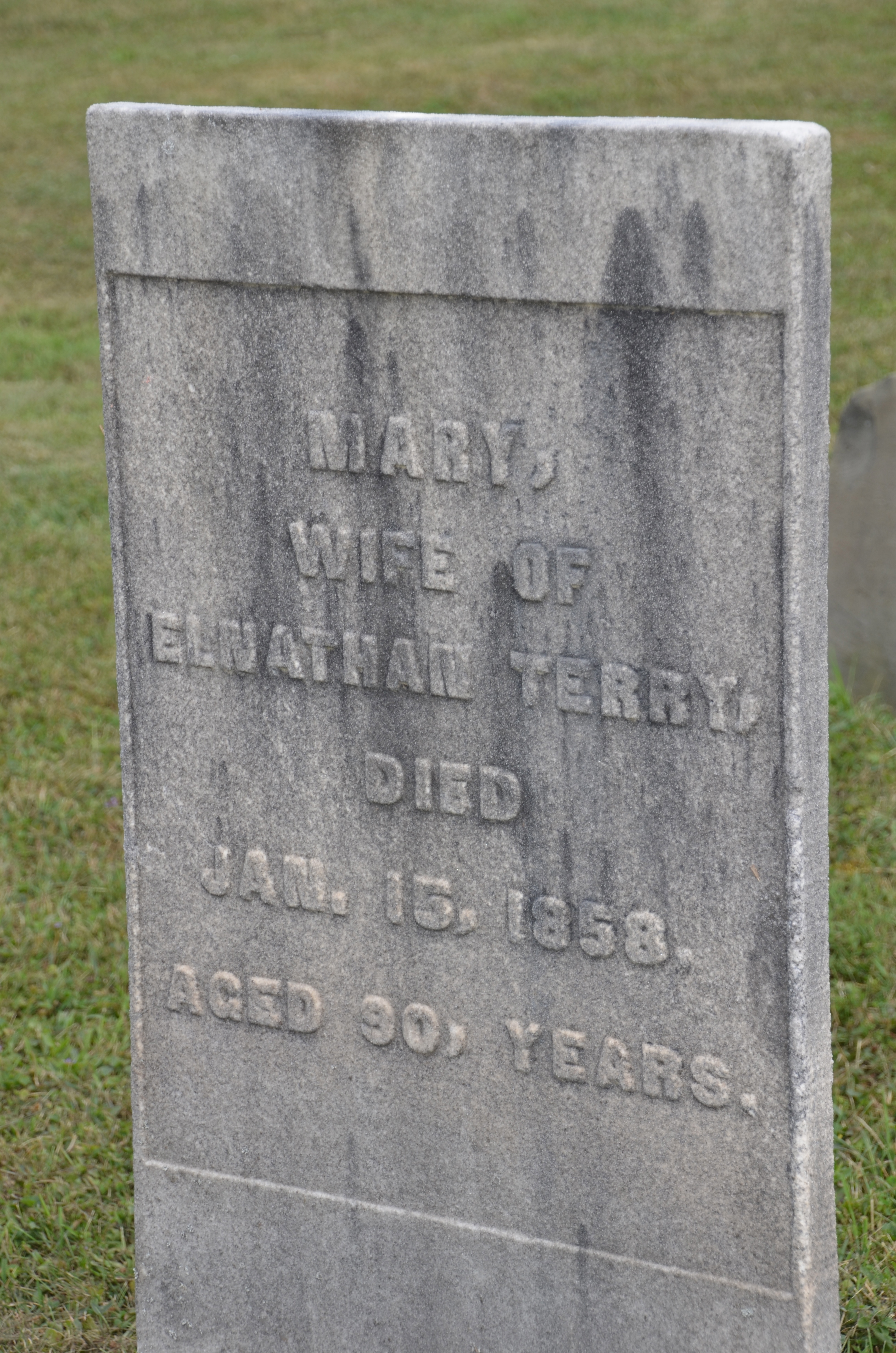
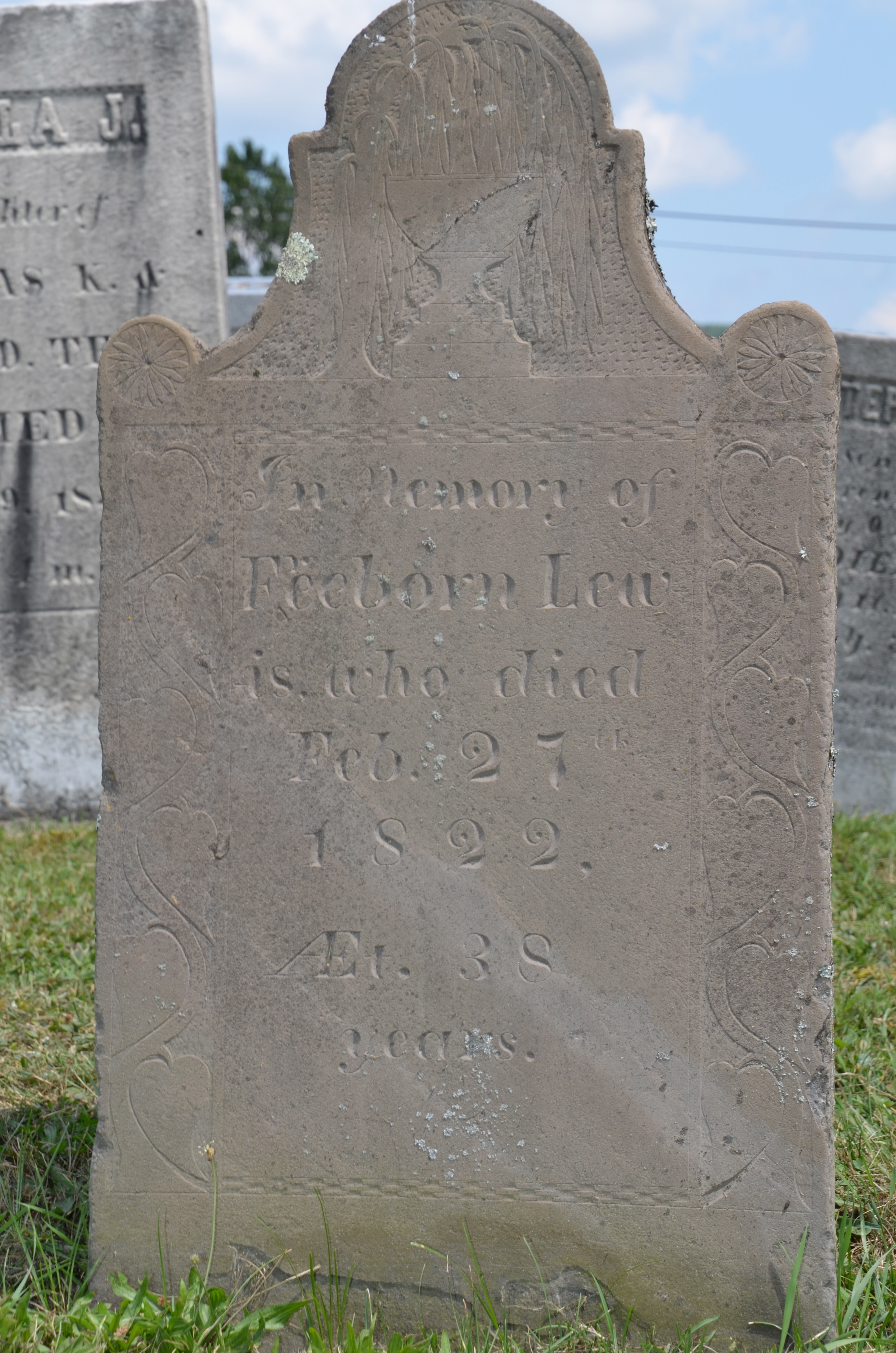
With my husband I have travelled to find where John Lewis was buried in 1691 under an asphalt patch of land in Westerly, Rhode Island.  Now my sister, my cousins and I have walked Section A of Mt. Hope Cemetery, in Norwich, NY.  Here rest generations of Lewis and Terry ancestors: my family.  While I can incorporate these photographs of their gravestones into my genealogical research, for now, the photographs themselves document the close ties that bound the family together in Norwich for more than 100 years.  Here are some of the ancestors I found:

Elnathan Terry (1758-1840): American Revolutionary Soldier.  Served under Captain Gorton, under command of Lt. Caleb Lewis.

Mary Kinyon Terry (1768-1858): Wife of Elnathan Terry.  Mary is a direct descendent of Thomas Rogers, Richard Warren, Francis Cooke and John Cooke, all of whom arrived on the Mayflower.  Elnathan and Mary moved to New York before 1810.

Freeborn Lewis (1784-1822): Married Esther Terry (1787-1865) daughter of Elnathan Terry and Mary Kinyon Terry.  She remarried on Freeborn’s death and is buried in Little Sioux, Harrison County, Iowa.  Freeborn also moved to NY with other Terrys and Lewises by 1810.

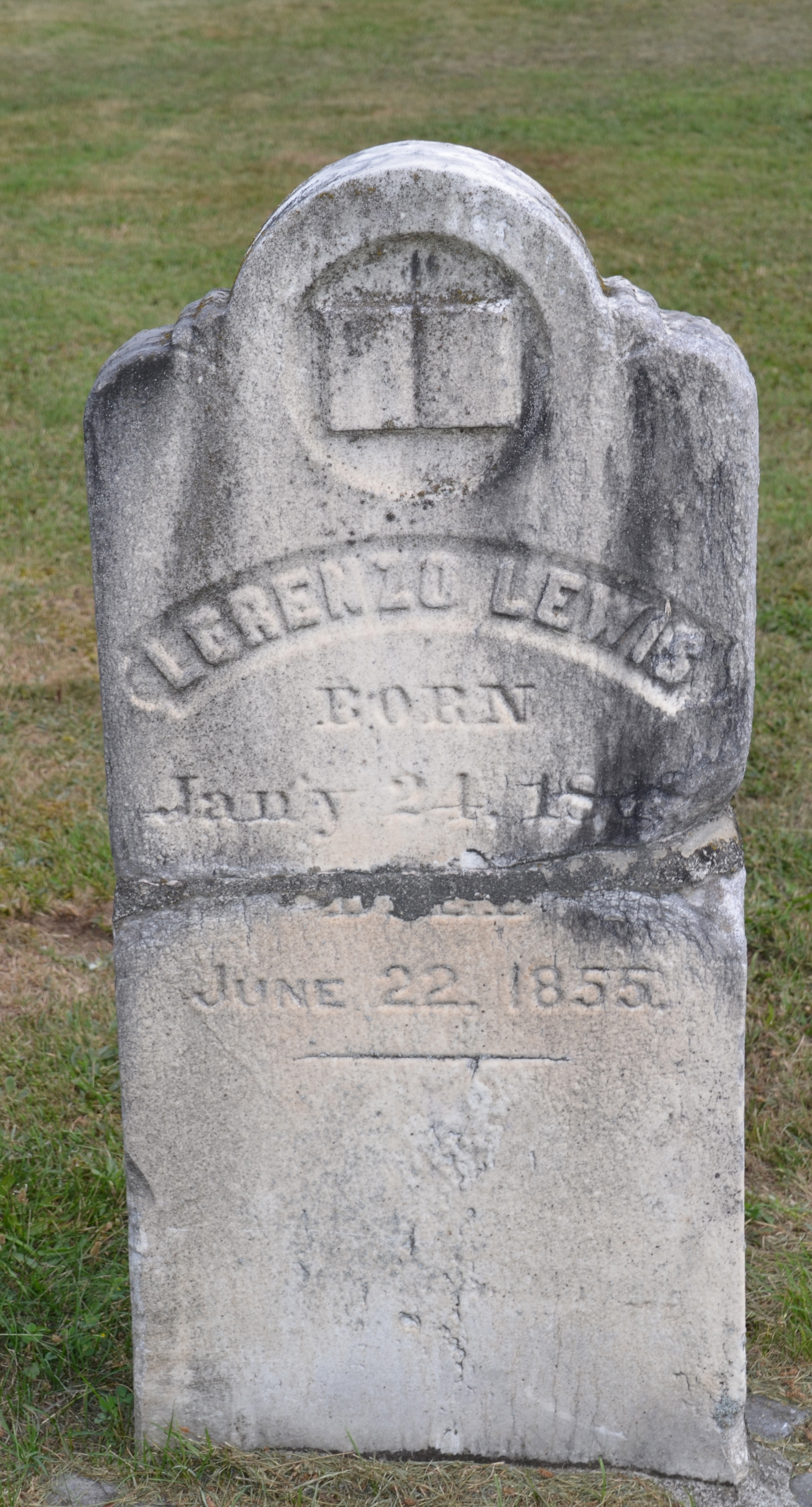
Lorenzo Lewis (1808-1855) is the son of Freeborn Lewis and Esther Terry Lewis.  Lorenzo married Mary Ocelia Smith (1815-1879). Lorenzo owned a saw mill in Norwich. He died when his son, Horatio,  was only a year old.  His sons continued and expanded the milling operations.

Daniel Horatio Lewis (1854-1917):  I was elated to finally locate the tombstone of my great-grandfather, Daniel Horatio Lewis. He is the son of Lorenzo Lewis and Mary Ocelia Smith.  He married Victoria Belcher Lewis. He and his brothers Herman and Harris Lewis were in the lumber business, were builders, and owned and operated saw mills in and around Norwich. Herman and another brother, Willard, served with the Union in the Civil War.  Willard died of disease in a prison camp in New Orleans in 1855.

Horatio was also a temperance lecturer.  Victoria was a teacher.  Horatio and Victoria moved with their family to Boston and ultimately moved to Sherrill, NY where they died.  They are buried in Norwich in the Lewis family plots.

After years of research, Mt. Hope Cemetery in Norwich was a wonderful day of discovery.  All along the way, i was aided by the ground crew of the cemetery, who were gracious and enthusiastic about our adventure; and abetted by my sister and cousins, who seemed to thrive on every discovery as much as I did.  A quest, an adventure and a bonding experience.

Happy Birthday Pud!!

Who’s the best Pud ever? Gee, let me think! That would be, Pud, of course:) Today, Mr. Terry Christenberry turns another year young, and we’re happy to celebrate both in person, by phone, over FaceTime, and well, our handy blog.

Here’s to Terry.  A wise and wonderful husband, father and step-father:

A proud and adoring grandfather:

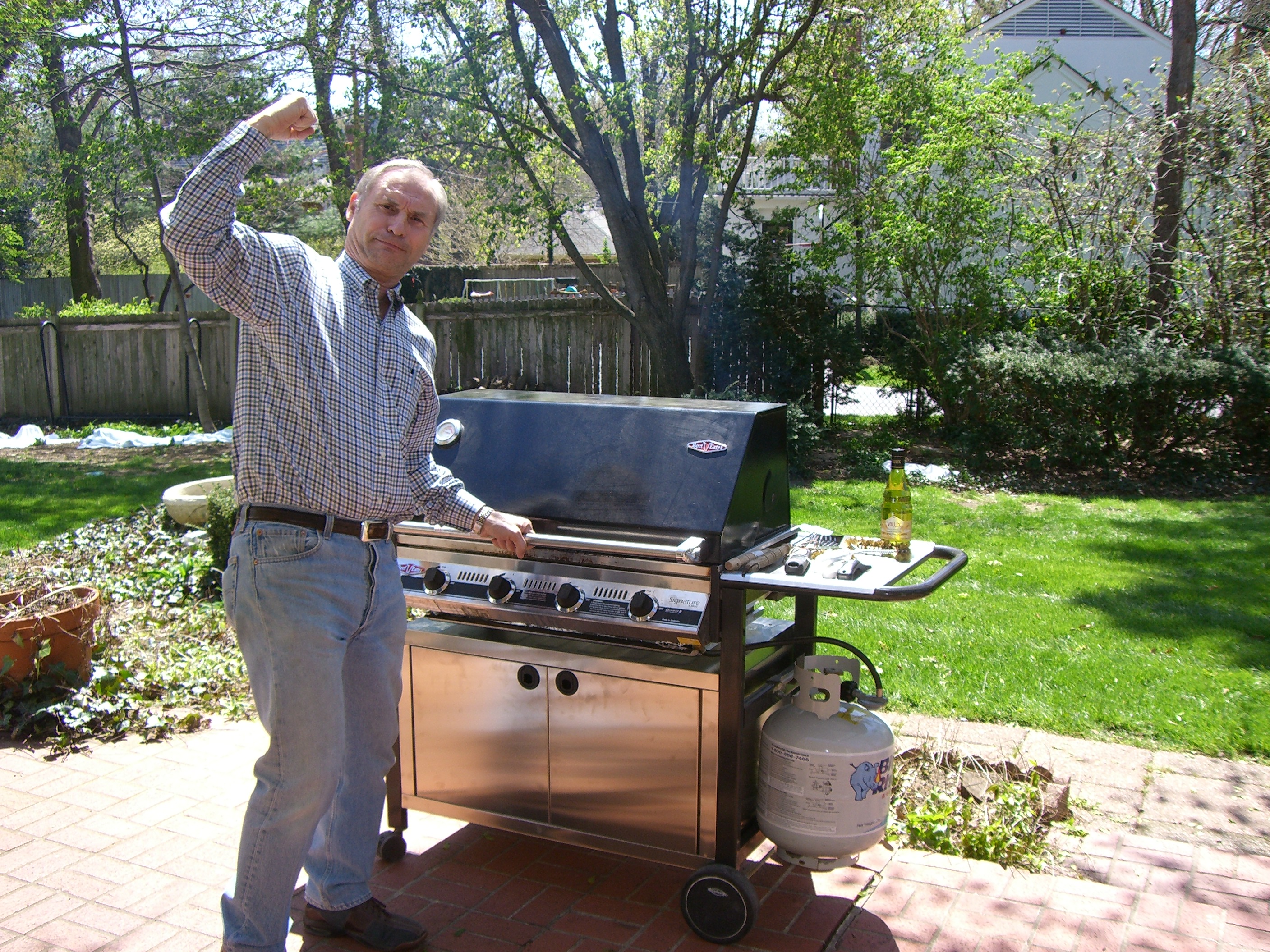
An awesome and macho grill-master:

Pud.  Have an amazing birthday today.  We love you!

My Birthday Weekend

Okay, so my birthday wasn’t actually on a weekend, but seeing as I was born the day before a national holiday, I always count my birthday and Independence Day as my birthday “weekend.”

This year’s birthday was my first living away from Kansas City. The last two years I’ve spent my birthday focused on other things, so this year it was nice to spend the day relaxing and enjoying life. Jake had to work, but Auntie Carol and I went to lunch, did a little shopping, and went to see an ab-filled movie (I do love Channing Tatum, but could have done without the nearly X-rated content of the Magic Mike film).

Once Jake was off work, we all gathered for a birthday dinner and mini-celebration at Auntie and Tio’s house in San Rafael. Complete with what, you ask? A Tio cake, of course! That’s right folks, this year, for my first birthday as a Californian, I got my very own Tio cake. Apparently, he was nice to me for my first year. He’s been known to include things such as broccoli, electronics, and who knows what else. I got a spiced cake with licorice, and the only parts we couldn’t eat were the two mini-candle holders he used for my blue eyes.

After dinner, we watched fireworks from their deck. Then finished off the night with a game of Parcheesi. It was the perfect way to spend the day. I took this picture of the fireworks, which looks REALLY out of focus, but I thought it turned out fairly artistic.

Thank you to everyone who wished me a happy birthday. It was a wonderful day. I’m sorry I didn’t get to see all of my amazing friends and family, but I miss all of you, and it was so great to hear from you. I hope you all enjoyed the 4th and are having a fabulous summer!

In Search of My Roots–the Lewis Family

At 6:50 this morning I am off on a great adventure.  My sister and I fly to Boston.  We pick up our rental car there and have charmed three cousins to meet us in New York?  In New York we plan to spend three days with cousins, searching for our roots.  We have not been together as a group in more than 50 years.  What a treat.

From the late 1700’s until the early 1900’s, 5 generations of our family lived in and around Norwich, Chenango County, NY.  My great-grandfather, Horatio Lewis, and his brothers, Hiram and Harris, owned mills in the area.  Here is a picture of their mill in Pharsalia, NY., before it was destroyed in a fire in the late 1880’s.

Tuesday morning we will drive to Norwich.  Our agenda is to visit the Mt. Hope Cemetery to try to find the Lewis and Terry Family Plots, located in Section A. I thought it would be relatively simply until I learned that Section A is 10 acres.  Well, we can only try! Since our family members were among the first people buried there, I am hoping we have a chance.  Then on to the Guernsey Memorial Library and the Norwich Historical Society.

Wednesday we drive to Sherrill, NY, where my grandparents lived by 1912.  Granddad was superintendent of silver-plating operations for Oneida Silver, back in the day when it was a power to be reckoned with in Oneida County.  We plan to visit the family home on Willow Road, walk down to the school and the plant on the same road.  Dad (on the right), his brother Dick (the baby) and Aunt Dot (on the left) were all raised in the house in Sherrill.

We will spend one night in rooms at the Mansion House, the home of a utopian community that eventually founded the silver company.

In the midst of indulging my family history adventures I hope to catch up on years of missed time with my cousins.  Hopefully, we will see some wonderful places, share great memories and return home refreshed and armed with photographs for new posts.